
 Worksheets
EEn 2.7.3 Human Impact on the Biosphere
Total questions: 10
Worksheet time: 20mins
By 2050, the world's population may be close to its carrying capacity
True
False
During the time when humans moved from Africa throughout the world,
birth and death rates were both fairly low.
population growth was rapid.
population growth was slow.
there was no population growth.
The invention of agriculture
led to an increased birth rate and death rate.
provided a more dependable food supply.
allowed people to settle down in villages.
all of the above

The size of the human population began to increase exponentially after the
bubonic plague
development of plowing and irrigation
Industrial Revolution
development of the first cities.
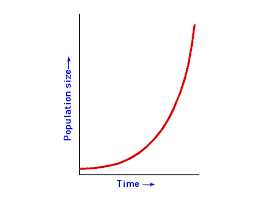

The largest number of individuals that an environment can support long term is...
carrying capacity
emigration
immigration
population density

What kinds of resources make up your ecological footprint?
waste production
water and energy use
food and shelter
clothing and transportation
All of the above

According to this image, in which continent does the ecological footprint exceed capacity by the largest amount?
Europe
North America
South America
Australia

