wayground logo

Free Printable Worksheets

Font size

S
M
L
XL
Worksheets

FICTION

Total questions: 94

Worksheet time: 1hrs 14mins

Name
Class
Date
1.

The introduction to a story, including the primary characters' names, setting, mood, and time.

a)

Exposition

b)

Rising Action

c)

Falling Action

d)

Resolution

2.

Not always happy, but it does complete the story. It can leave the reader with questions, answers, frustration, or satisfaction.

a)

Exposition

b)

Rising Action

c)

Climax

d)

Resolution

3.

The most exciting point of the story, and is a turning point for the plot or goals of the main character.

a)

Characters

b)

Conflict

c)

Climax

d)

Conclusion

4.

All of the events that lead to the eventual climax, including character development and events that create suspense.

a)

Exposition

b)

Rising Action

c)

Falling Action

d)

Resolution

5.

Everything that happens as a result of the climax, including wrapping up of plot points, questions being answers, and character development.

a)

Rising Action

b)

Falling Action

c)

Resolution

d)

Protagonist

6.

The character who often creates the conflict.

a)

Protagonist

b)

Antagonist

7.

The character who the audience often empathizes with. Often seen as a hero.

a)

Protagonist

b)

Antagonist

8.

The primary problem that drives the story, often a main goal for the protagonist to achieve or overcome.

a)

Climax

b)

Character

c)

Conflict

d)

Conclusion

9.

“Once upon a time, there were three bears. There was a Daddy Bear, who was very big, a Mama Bear, who was middle-sized, and a Baby Bear, who was very small. They all lived together in a little cottage in the middle of the woods."


This is an example of . . .

a)

Exposition

b)

Rising Action

c)

Falling Action

d)

Resolution

10.

The series of events in a story is called

a)

Plot.

b)

Characterization.

c)

Figurative Language.

d)

Theme.

11.

Which part of a story's plot builds or complicates the central conflict?

a)

Exposition

b)

Rising Action

c)

Climax

d)

Falling Action

e)

Resolution

12.

Which part of a story's plot shows the point of greatest tension and/or marks a turning point?

a)

Exposition

b)

Rising Action

c)

Climax

d)

Falling Action

e)

Resolution

13.

Which part of a story's plot describes the effects of the climax?

a)

Exposition

b)

Rising Action

c)

Climax

d)

Falling Action

e)

Resolution

14.

Which part of a story's plot shows the final outcome?

a)

Exposition

b)

Rising Action

c)

Climax

d)

Falling Action

e)

Resolution

15.
What takes place after the climax that prepares the story for its resolution?
a)
resolution
b)
rising action
c)
falling action
d)
exposition
16.
Interest and suspense are built during which part of the story? 
a)
exposition
b)
rising action
c)
climax
d)
falling action 
17.
The part of the story that ties up all the loose ends and takes care of the conflict
a)
the climax
b)
the theme
c)
the resolution
d)
the introduction
18.

The introduction to a story, including the primary characters' names, setting, mood, and time.

a)

Exposition

b)

Rising Action

c)

Falling Action

d)

Resolution

19.
Which part of the plot
introduces the characters?
a)
Exposition
b)
Rising Action
c)
Climax
d)
Falling Action
20.
Which part of the plot is
the most intense?
a)
falling action
b)
exposition
c)
exposition
d)
climax
21.
What is the definition of plot?
a)
The lesson in the story
b)
The sequence of events in the story
c)
The turning point of the story
d)
The conflict in the story
22.
The main character of the story is the....
a)
protagonist
b)
antagonist
23.
The story's time and place is called the....
a)
tone
b)
plot
c)
setting
d)
voice
24.
What is the conflict of a story?
a)
the problem faced by the main character
b)
a bad hair day
c)
the ending of the story
d)
a boxing match
25.

the author's MESSAGE/ LESSON about life

a)

theme

b)

plot

c)

characters

d)

falling action

26.
I ran up a steep hill. I was very hot and exhausted. It was a long race, but I was in the lead. I knew if I could keep my pace I would be able to win the race. 
a)
1st person POV
b)
2nd person POV
c)
3rd person POV
27.
What point of view uses the word 
he?
a)
1st person POV
b)
2nd person POV
c)
3rd person POV
28.

Which set of pronouns would typically be found in a first person point of view?

a)

themselves, us

b)

he, she, it, they

c)

you, yours, yourself

d)

I, me, my, we, our

29.

Which statement about third person limited point of view is correct?

a)

The narrator is an internal voice that employs several points of view in order to effectively tell the story.

b)

The narrator is an internal voice that offers readers a deeper understanding of his or her actions.

c)

The narrator is an external voice who only knows the thoughts and feelings of one character.

d)

The narrator is an external voice who knows the thoughts and feelings of all of the characters.

30.

What is another word for omniscient third person narrators?

a)

incomplete

b)

reduced

c)

all-knowing

d)

intelligent

31.
Which point of view has a narrator telling the story from the outside? Pronouns of her, him, he , she, and it are used.
a)
1st person
b)
2nd person
c)
3rd person
32.
Which point of view only tells the reader ONE character's thoughts and emotions and the narrator is telling the story from the outside?
a)
1st person
b)
3rd person limited
c)
3rd person omniscient
33.
I was nervous when it was my turn in the spelling bee.
a)
1st person
b)
2nd person
c)
3rd person
34.
The narrator is the _____.
a)
person telling the story
b)
main character in the story 
c)
enemy of the main character in the story
d)
person listening to the story 
35.
A _____ narrator can see and describe every character's thoughts. 
a)
first person
b)
second person
c)
third person, limited
d)
third person, omniscient 
36.
I don't like creeping down the dark alley. 
From which point of view is this sentence written?
a)
first person 
b)
second person 
c)
third person 
37.
Define foreshadowing.
a)
A flashback of what happened previously
b)
A hint at something that will happen later
c)
Giving human-like characteristics to non-living things
d)
Comparing two unlike things using like or as
38.

Which of these sentences includes the best example of foreshadowing?

a)

When Penny left the house, she didn't know that was the last time she would ever see her family.

b)

It was cold outside, so Harriet put on a hat and scarf on her way out the door.

c)

After years of hard word, Trevon was proud to say he'd been accepted to Harvard.

d)

Greg's favorite food was lasagna; he would eat it every day if he could!

39.
One way a writer builds suspense is...
a)
by creating a mysterious setting
b)
by introducing characters through out a text
c)
by providing clues of a future event
d)
telling the facts
40.
One way you could figure out the theme is to...
a)
Skim through the story
b)
Just read the beginning of the story
c)
Think about what the character has learned
d)
Read the ending of the story
41.
Which of the following is an example of THEME?
a)
Carry your laptops with two hands at all times.
b)
Cereal is the healthiest food you can eat.
c)
How much wood a woodchuck could chuck if a woodchuck could chuck wood.
d)
Life is short; make the most of it.
42.

Which of the following is NOT an example of a theme?

a)

Treat others the way you want to be treated.

b)

The little boy lied to his mother.

c)

With hard work, you can accomplish anything.

d)

You shouldn't judge a book by its cover.

43.

What could be an example of a theme?

a)

Friendship

b)

Being prepared often leads to success.

c)

How to bake chocolate chip cookies

d)

Helping others

44.

Topic or Thematic Statement?

Family

a)

Topic

b)

Thematic Statement

45.

Which of the following is NOT a THEME STATEMENT?

a)

Acceptance

b)

People have to work hard to get what you want in life.

c)

Greediness can cause problems with relationships.

d)

Some tasks are better completed using teamwork.

46.

The setting is a story's ____.

a)

time and place

b)

plot

c)

main characters

d)

tone

47.

The main character in a story is the ____.

a)

antagonist

b)

climax

c)

exposition

d)

protagonist

48.

The problem in the story is the ____.

a)

plot

b)

theme

c)

climax

d)

conflict

49.

The rising action of the story is ____.

a)

outcome of the conflict

b)

struggle between opposing sources

c)

series of main events that lead to the climax

d)

A brief introduction of the characters, setting, and opening situation

50.

The falling action is the ____.

a)

The turning point of the story.

b)

A brief introduction of the setting, characters, and opening situation.

c)

Events that follow the climax.

d)

Outcome of the conflict.

51.

What is the outcome of the conflict called?

a)

Exposition

b)

Climax

c)

Theme

d)

Resolution

52.

The theme is the ____.

a)

author's message

b)

The problem in the story

c)

turning point of the story

d)

time and place

53.
The plot element where the author ties up all of the loose ends
a)
Climax
b)
Expostion
c)
Falling Action
d)
Resolution
54.
When the character does not change throughout the text, which word best describe that character?
a)
Dynamic
b)
Flat
c)
Round
d)
Static
55.
Where the greatest suspense or action takes place
a)
Exposition
b)
Climax
c)
Resolution
d)
Rising Action
56.

In the exposition, the reader typically finds out about ______ ?

a)

the story's turning point

b)

where and when the story is taking place, along with characters names and descriptions

c)

how the story ends

d)

a brief summary of the story

57.

The "rising action" is where __________________.

a)

complications arise, the plot "thickens" and the majority of the story is told.

b)

characters "rise up" and live better lives

c)

the ending occurs

d)

yeast makes the dough rise, so bread can be baked

58.
Which tone is represented in the following passage?
"Wow! With a top speed of one hundred fifty miles per hour, that car can almost fly!"
a)
Annoying
b)
Excited
c)
Calm
d)
Scary
59.
What word would you use to describe the tone of this passage?
a)
Humorous
b)
Persuasive
c)
Anxious
d)
Cheerful
60.
What word would you use to describe the tone of this passage?
a)
Ironic
b)
Informational
c)
Joyful
d)
Dramatic
61.
Today is very boring, it’s a very boring day, there is nothing much to look at, there is nothing much to say. There’s a peacock on my sneakers, there’s a penguin on my head, there’s a dormouse on my doorstep; I am going back to bed.
a)
bored
b)
tired
c)
fanciful
d)
exciting
62.
The Blue Jay is jumping on the tree singing and dancing happily.
What is the blue jay's tone while singing?
a)
Joyful
b)
Dreamy
c)
Confused
d)
sweet
63.
Authors set a TONE or MOOD in literature by conveying an emotion or emotions through ________.
a)
space
b)
height
c)
words
d)
funny faces
64.
What is the tone of this image? 
a)
elated
b)
appreciative
c)
accusing
d)
conceited
65.
What is the "tone" of a story?
a)
The feeling the passage evokes from the reader
b)
The author, narrator, or speaker's attitude toward a subject
c)
The time and place of the story
d)
The summary of events in the story
66.
What is conflict?
a)
Two characters getting along.
b)
A struggle between two opposing forces.
c)
The climax in a story.
d)
Part of the resolution.
67.
What is the definition of an "internal" conflict?
a)
A hero in a story that saves many lives.
b)
A problem that a character has with other characters.
c)
A struggle between a character and a family member.
d)
An issue that a character faces within him/her self.
68.
What is the definition of an "external" conflict?
a)
An issue between a character and an outside force.
b)
A problem within the exposition of a story.
c)
A struggle that a character has within him/her self.
d)
A problem caused by the protagonist.
69.
What is an example of an INTERNAL conflict?
a)
Character vs Character
b)
Character vs Nature
c)
Character vs Society
d)
Character vs Self
70.
Elsa has to be hidden away from the outside world because of her secret magical powers.
a)
Character vs Character
b)
Character vs Nature
c)
Character vs Society
d)
Character vs Self
71.
In "Twilight," Edward & Jacob battle for Bella's affection.
a)
Character vs Character
b)
Character vs Nature
c)
Character vs Society
d)
Character vs Self
72.
In "The Hunger Games," Katniss must survive in the arena by protecting herself from animals, searching for clean water, and surviving fires.
a)
Character vs Character
b)
Character vs Nature
c)
Character vs Society
d)
Character vs Self
73.
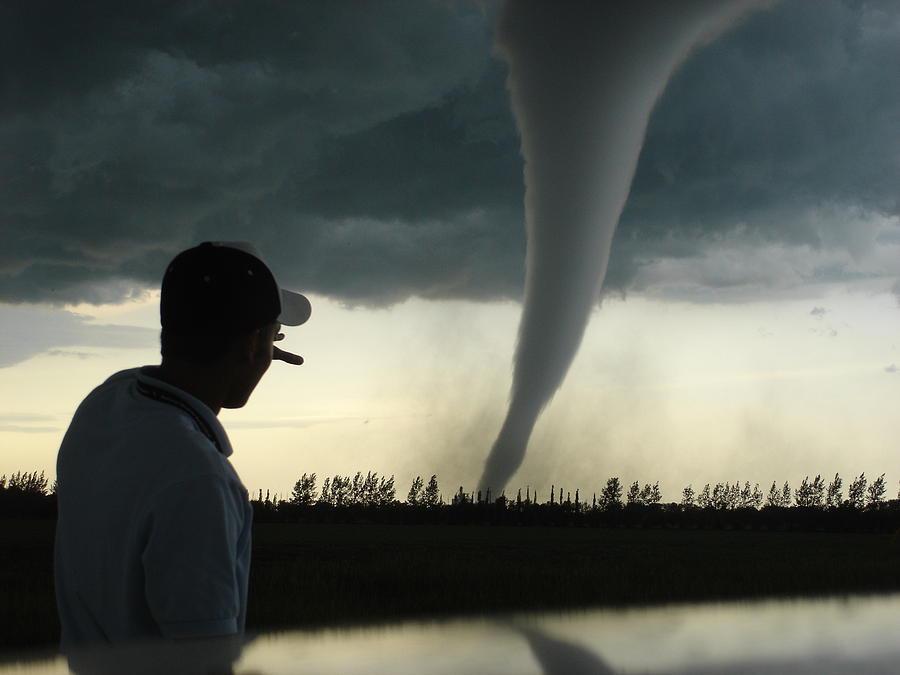
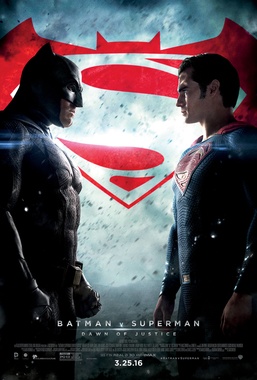
What type of conflict is best shown here...
a)
character vs. character
b)
character vs. self
c)
character vs. nature
d)
character vs. society
74.
What type of conflict is best shown here...
a)
character vs. character
b)
character vs. self
c)
character vs. nature
d)
character vs. society
75.
What type of conflict is best shown here...
a)
character vs. character
b)
character vs. self
c)
character vs. nature
d)
character vs. society
76.
What type of conflict is best shown here...
a)
character vs. character
b)
character vs. self
c)
character vs. nature
d)
character vs. society
77.

What type of conflict is the picture?

a)

Character vs Character

b)

Character vs Nature

c)

Character vs Self

d)

Character vs Society

78.
What type of conflict is the picture? 
a)
Character vs Character
b)
Character vs Nature
c)
Character vs Self
d)
Character vs Society
79.
What is conflict?
a)
Two characters getting along.
b)
A struggle between two opposing forces.
c)
The climax in a story.
d)
Part of the resolution.
80.

The event in a story that sets the central conflict in motion is the...

a)

theme

b)

resolution

c)

climax

d)

inciting incident

81.

This is an event or decision that begins a story's problem. This incident upsets the balance of things. Suddenly there is a problem to be solved = CONFLICT is made clear.

a)

Exposition

b)

Setting

c)

Rising Action

d)

Inciting Incident

82.

The location and time frame in which a narrative takes place.

a)

Exposition

b)

Point of View (POV)

c)

Setting

d)

Theme

83.

An organized pattern or sequence of events that make up a story.

a)

Plot

b)

Inciting Incident

c)

Timeline

d)

Exposition

84.

The main character of the story is also called the __________.

a)

Antagonist

b)

Protagonist

85.

True or False: Characters can only be humans.

a)

True

b)

False

86.

This type of character causes the problems or is the problem in the novel.

a)

Protagonist

b)

Antagonist

c)

Anti-coagulant

d)

professional

87.

This type of character does not change.

a)

Dynamic

b)

Static

c)

Boring

d)

Cool

88.

This character is usually the main character in the story and has a problem to solve.

a)

Protagonist

b)

Antagonist

c)

Friend

d)

Dad

89.

Character vs. Self is what type of conflict?

a)

Internal

b)

External

c)

Extraterrestrial

90.

Character vs. Character is what type of conflict?

a)

Internal

b)

External

c)

Bad

91.

Character vs. Nature is what type of conflict?

a)

Internal

b)

External

c)

Conflicting

92.

David is struggling with a decision. He has to decide if he wants to go to a technical school or a community college.  What type of conflict is this?

a)

Internal

b)

External

93.

Kariana and Angie are going on a road trip to San Padre Island.  When they arrive, everyone is leaving because of a hurricane.  What type of conflict is this?

a)

Character v. Character

b)

Character vs. Self

c)

Character vs. Nature

d)

Character vs. Society

94.

David and John have planned a trip to Panama City next week.  When David's mother looked at his grades and saw that he was failing, she told him that he could not go.  David now hates his mother. What type of conflict is this?

a)

Character vs. Character

b)

Character vs. Nature

c)

Character vs. Self

d)

Character vs. Time