
 Worksheets
WSC Review Questions
Total questions: 54
Worksheet time: 25mins

A building, column, statue, etc. built to remind people of a famous person or event is called a/ an...
monument
commemoration
artefact
metropolis
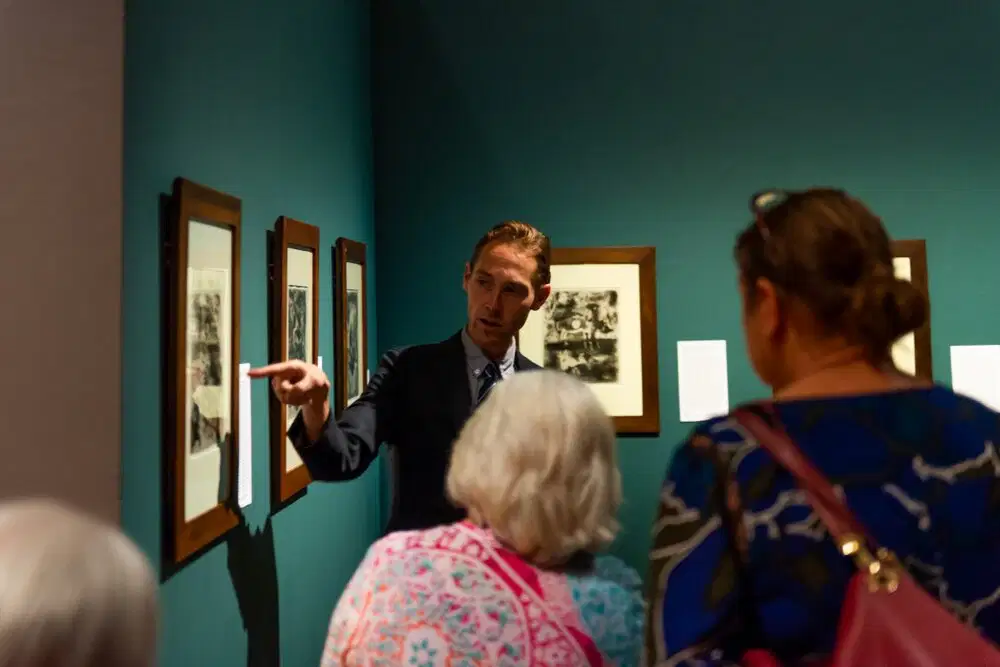
A person whose job is to be in charge of the objects or works of art in a museum or an art gallery is a/an ...
archaeologist
curator
inhabitant
authority

A social group in a traditional society consisting of people with the same language, culture, religion, etc., living in a particular area.
population
colony
metropolis
tribe
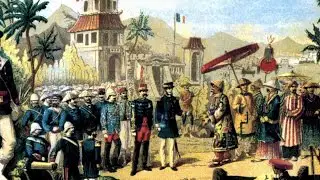
Vietnam was .... by France for nearly a century.
surrounded
colonized
excavated
bargained

The museum's collection includes ... dating back to prehistoric times.
Choose 1 word that DOESN'T fit the blank.
artefacts
exhibits
extracts
antiques
What does "prosperous" mean?
(a)
She used only contem (a) documents to research the book, not the historic ones.
modern (adj)
contemporary
comfortable
connected
a tall piece of stone used to support the roof
column
collar
colour
traditional buildings which have existed for a long time
contemporary
inherit
heritage
to imagine how something will be in the future
envisage
invisible
entail

What do archaeologists study?
Human behavior and culture by finding and studying artifacts
Animal migration patterns and habitats
North American weather patterns to predict tornadoes, droughts, and hurricanes
Population growth patterns and cultural changes that will occur in the future
Archaeology refers to...
the study of planets
the study of things that people left behind
the study of things from the future
None of the above
An archaeologist’s works begins with...
digging up
studying artifacts
finding a site to study
studying objects
Archaeological sites can be visible on the surface or buried deep beneath the ground.
True
False
Every object that archaeologists find...
is like a message from the past
tells us what life was like long ago
not important
difficult to record
In archaeology a "dig" refers to...
artifacts
objects
an excavation
weapons
Have you visited any archaeological sites?
Yes, I have!
No, I haven't.
No, but I would love to!
I am not sure
What are your thoughts about Archaeology?
It seems very interesting!
It sounds complicated.
It does not interest me.
None of the above
What kind of artifacts do archaeologists want to find?
Hand-made things from long ago
Machine-made things used now
Things in nature from long ago
None of these things
Pick the best definition for "ruins."
Evidence of a fight or battle, including weapons
To become angry and try to break things
Thoughtful or long ideas
What remains after a building or structure is destroyed
What do archaeologists often do in their laboratories? Select all that apply.
Paint or make copies of artifacts
Take pictures of artifacts
Measure or fix artifacts
Write notes about excavations and artifacts
What are put on display at Vietnam Military History Museum?
war propganda
war weapons
war artifacts
captured aircraft
Why museums are appealing to museum-goers?
Provide informative and visual explorations
Evoke the memory of the past
Act as a testament to the evolution of humanity
Bring quality time with their loved ones
What is preservation?
It is another word for 'dog'.
It is to maintain something in it's original condition.
It is the cost to enter a museum.
It is not a real word.

large-scale paintings that break away from traditional proceses

Artifact

Gallery
the most exciting, interesting points
Highlights
make an exact copy of; reproduce.
Replicate
Art and literature of the Renaissance was influenced by ancient
Anglo-Saxon
Greek and Latin
Anglo-Norman
Old English
Which of these statements describes a change brought about by the Renaissance?
Society was dominated by the church.
Society began to value individualism.
Society was focused on warfare.
Society was dominated by lords.
Humanism focused on achievements in all of the following except what?
Art
Education
Math
Literature
________________ is the study of the past events.
Historical change
History
Conflict

What is presentism?
Focusing too much on 20th and 21st century history
The lack of interest in history
Judging the past by modern standards
The lost of traditional customs
Which is incorrect about the play 'Hamilton'?
It's casting is color-bind
It's casting is color-conscious
The writer himself played the role of Hamilton
Only a few of its actors were BIPOC

Who wrote this play?
(aka the guy who casted himself)
Lin-Manuel Miranda
Daveed Diggs
Anthony Ramos
Okieriete Onaodowan
Historical Distortion and Historical Revisionism are the same.
True
False
When a historian an author corrects a wrong account or entry in our textbooks this is historical _______________ .
denialism
distortion
negation
revisionism
When a historian or an author deliberately mislead students in his/her textbook, he/she is committing historical ______________ .
denialism
distortion
negation
revisionism
What cause Franklin's legs to become paralyzed?
chicken pox
yellow fever
flu
polio
What does dendrochronology do?
Tell us how trees provide evidence about past climate
Tell us how trees are made
Tell us how trees predict the weather
True/False: Tree ring growth varies throughout the year
True
False
Give one way to learn about / study history
Which film series focuses on recreation of extinct species?
Jurassic Park
Fantastic Beasts
Lord of the Rings
Despicable Me
The study of preserved plant evidence from archaeological sites is....
paleontology
archaeobotany
excavation
plantology
The interpretation of the past from outside the archaeological science community, which rejects the accepted data gathering and analytical methods of the discipline.
Xenoarchaeology
Astrobiology
Anomalous Phenomenarchaeology
Pseudoarchaeology
When did aurochs become extinct?
500BC
1600s
1800s
1200s
The auroch was a wild animal of which species?
(a)
Where is Shanidar?
Iraq
Iran
Tibet
Turkey
what does 'post-mortem' mean?
before death
facial reconstruction
mortuary
after death
How did the scientists in Jurassic Park create the dinosaurs?
blood from a mosquito preserved in ice
blood from a mosquito preserved in amber
DNA from dinosaur fossils
Hatching a fossilised dinosaur egg
Why can scientists today not recreate dinosaurs?
it's too dangerous
not enough DNA for a whole genome
they have no living relatives
cloning has been internationally banned

