
 Worksheets
Weathering and Erosion Review
Total questions: 25
Worksheet time: 1hrs 15mins
water, ice, wind or gravity
moves fragments of rock
and soil.
water, ice, wind or gravity
deposit rock sediments
and soil in a new place.
Earth’s crust into smaller
and smaller pieces.
water, ice, wind or gravity
moves fragments of rock
and soil.
water, ice, wind or gravity
deposit rock sediments
and soil in a new place.
Earth’s crust into smaller
and smaller pieces.
water, ice, wind or gravity
moves fragments of rock
and soil.
water, ice, wind or gravity
deposit rock sediments
and soil in a new place.
Earth’s crust into smaller
and smaller pieces.


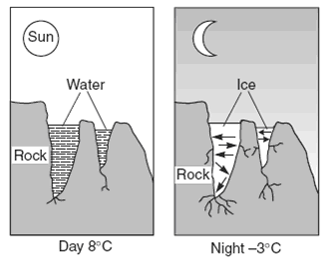
Which statement best explains why this process results in weathering?
Waves from the Ocean are most likely to form
Moraines
Barrier Islands
Sand Dunes
Drumlins
Waves from the Ocean are most likely to form
Moraines
Barrier Islands
Sand Dunes
Drumlins
Glaciers are most likely to form [select 2]
Moraines
Barrier Islands
Sand Dunes
Drumlins
Which of the following is most likely to form due to wind erosion?
Moraines
Barrier Islands
Sand Dunes
Drumlins

The massive scratches in this boulder were most likely caused by
Glaciers
Rivers
Wind
Mass movement
Streams cause the most erosion
On the inside of a curve
When they enter a lake
On the outside of a curve
When they travel on a gentle slope
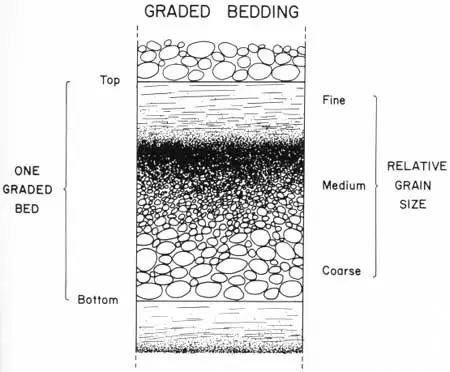
Which statement is true regarding this example of graded bedding?
The largest sediments are always deposited at the top of a bed
When rivers die down, the largest particles settle out first
This formation was likely formed by a glacier
Rocks found at the top were placed there by biological activity

This stream is likely
Young, with a steep gradient
Young, with a gentle gradient
Old, with a steep gradient
Old, with a gentle gradient
In places where there is loose sand and strong wind, the wind can pick up the sand and carry it. When the wind slows, it drops the sand. What is this process called?
weathering
erosion
deposition
oxidation

This feature was formed by
Wind blowing from the right
Wind blowing from the left
Water flowing from the right
Water flowing from the left
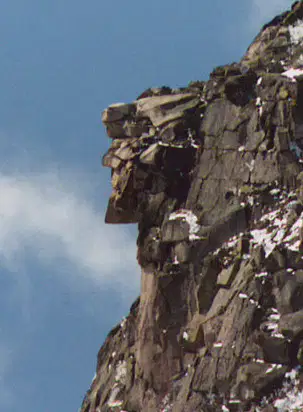
When the old man of the mountain came crashing down, the sediments deposited at the base of the cliff were
sorted and round
unsorted and angular
sorted and angular
unsorted and round
Fire Island is known as a
Morraine
Kettle Lake
Barrier Island
Sand Bar

