
Font size
 Worksheets
Checkpoint Revision
Total questions: 164
Worksheet time: 2hrs 42mins
Why do plants need sunlight for photosynthesis?
The light creates heat needed for photosynthesis to occur
The light provides the energy needed to power photosynthesis
Plants can't absorb carbon dioxide in darkness
Plants can't absorb water in darkness
Why are plants usually green?
Because the chlorophyll reflects green light
Because the chlorophyll absorbs green light
Because the accessory pigments combine to make green
Because the accessory pigments only absorb green light
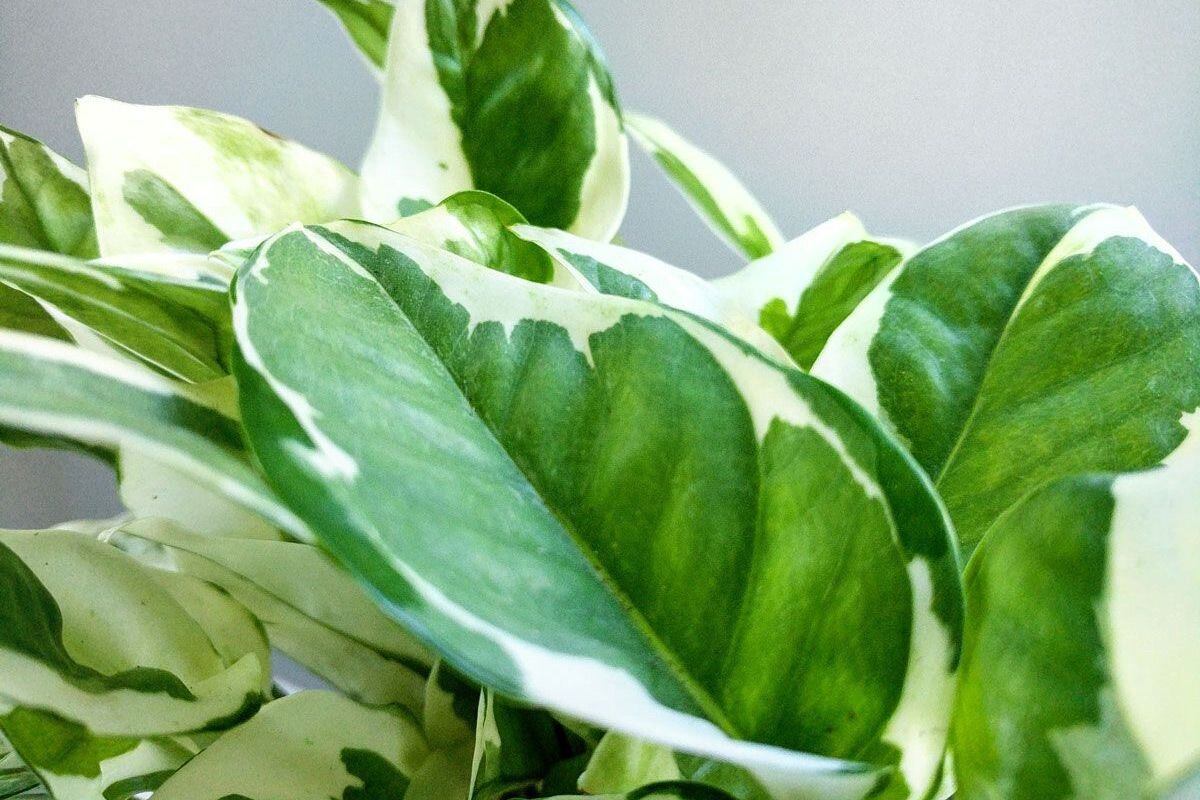
What is a variegated leaf?
One that has chlorophyll in some bits and not in others
A random leaf
A leaf that has chlorophyll in all parts of it
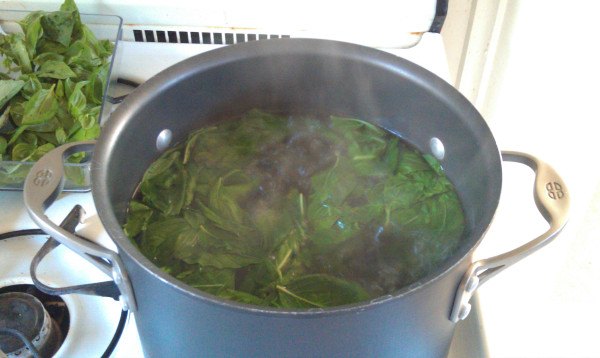
Why do we boil the leaf?
To keep it warm
To denature the enzymes and so stop photosynthesis
To make photosynthesis go faster
To show that photosynthesis has occurred we test for starch. Why?
Starch is a product of photosynthesis
Not sure
Glucose is a product of photosynthesis and is stored in the plant cells as starch
What do we use to test for starch?
Fluorine solution
Chlorine solution
Iodine solution
If starch is present in the leaf, the leaf should turn what colour?
Blue/Black
Orange
Red
Microscopic organisms that live in aquatic environments and perform photosynthesis
Phytoplankton
Radiant energy
Chlorophyll
Photosynthesis
Which of the following would cause an increase in the rate of photosynthesis occurring in a plant?
An increase in the amount of available glucose
An increase in the amount of available oxygen
An increase in the amount of available light
A decrease in the amount of available carbon monoxide
Students are observing an aquatic plant. They understand that the bubbles they see rising from the cut stem of the plant are the gases produced during photosynthesis. Which of the following observations provides the best evidence that light is the source of energy for photosynthesis?
Plants observed in artificial or in natural light were both seen to produce bubbles.
The frequency of bubbling increases in bright light and slows to a stop in darkness.
The orientation of the light seems to have no effect on the production of bubbles.
The bubbles always rise to the surface of the water, moving towards the light.
Water is transported from roots to shoots and leaves in:
Xylem
Phloem
Stomata
Cholorophyll
What is transpiration?
The evaporation and diffusion of water from inside leaves
The uptake of water through root hair cells
The loss of water from leaves by osmosis
The uptake of water through stem cells
What happens to the transpiration rate as light intensity increases?
It changes
It stays the same
It decreases
It increases
What happens to the transpiration rate as temperature increases?
It stays the same
It changes
It increases
It decreases
How do water enter the roots from the soil?
diffusion
osmosis
transpiration
active transport
Root hairs cells are specialised cells for plant growth because
they keep growing until they reach water and nutrients
they have a large surface area to allow for greater photosynthesis
they have a large surface area for absorbing water and nutrients
they keep growing until they reach sunlight for photosynthesis
Some fertilisers are labelled NPK. What three minerals are in these fertilisers.
Nitrogen, Phosphorus, Calcium
Nitrogen, Sulphur, Potassium
Nitrogen, Phosphorus, Krypton
Nitrogen, Phosphorus, Potassium
Which mineral is needed for growth and healthy leaves?
nitrates
phosphates
magnesium
potassium
Which mineral is needed for healthy roots?
Nitrates
Phosphates
Magnesium
Potassium
Which mineral is needed for making green chlorophyll?
nitrates
phosphates
magnesium
potassium
Which mineral is needed for healthy flowers and fruits?
nitrates
phosphates
magnesium
potassium
If a plant has yellow spots on its leaves, it needs more...
nitrates
phosphates
magnesium
potassium
If a plant has purple spots on its leaves, it needs more...
nitrates
phosphates
magnesium
potassium
If a plant has small, pale leaves, it needs more...
nitrates
phosphates
magnesium
potassium
A farmer wants to protect his crop against attack by insects. What could he spray onto his crop?
Pesticide
Fungicide
Herbicide
Fertilizer


Excretion is defined as
the removal of undigested matter
frequent visits to the washroom
sweating when exercising
the removal of metabolic waste

Egestion is define as
the removal of undigested matter
frequent use of the washroom
the removal of metabolic waste
sweating when exercising

Which of the following is not a waste product of excretion
Carbon Dioxide
Oxygen
Sweating
Urea
Another term for sweating; removal of water, salt and urea through the sweat glands in the skin.
perspiration
respiration
reabsorption
transport

The lungs, kidney and skin are all part of the
nervous system
nephron
kidney
excretory system
What does dialysis do?
Removes waste, salt and extra water from the body
Helps to control blood pressure
Regulates the body's fluid balance
All of the above
On average, how many times a week do people need dialysis?
Every day
3 times per week
2 times per week
1 time per week
Which results in offspring that are genetically unique and display a combination of traits from each parent?
Sexual
Asexual
Neither
Both
Which type of reproduction results in offspring that are identical to the parent?
Sexual
Asexual
Neither
Both
How many chromosomes would be in a human sex cell if body cells have 46 chromosome?
46
92
23
12
Which of the following describes what is meant by Natural Selection?
An organism will survive no matter what its adaptations may be
An organism with adaptations that do not allow it to reproduce as effectively as others will survive.
An organism with adaptations that allow it to obtain resources and reproduce more effectively than others will survive.
No organisms will survive.
In Survival of the Fittest Darwin believed
The organism with adaptations that allow it to fit into its environment better is the one that will survive and reproduce.
The organisms without the adaptations to fit into its environment is the one that will survive.
What was the variation in the Peppered Moth that affected their survival?
Size
Aggressiveness
Color
Species
Before the industrial revolution the birds were eating more black moths. After the industrial revolution the birds started eating more white moths. Why
The birds thought the white moths tasted better.
There were not any black moths to eat
The white moths stood out on the dark trees so the birds could see them easier.
Which of the following are factors that affect the survival of species?
Overproduction
Variation
Competition
All of the above
According to most scientists, what is the ultimate cause of most mass extinctions?
overhunting
evolution of new species to replace old ones
major change in environment due to extreme natural events
asteroid impact

True or False? Many scientists think that an asteroid caused the dinosaurs to go extinct.
True
False
the basic structural unit of matter
atom
matter
element
nucleus
a collection of atoms of one type that cannot be broken down into simpler substances by ordinary chemical or physical means
element
subatomic particle
electron
matter
the positively charged subatomic particle contained in the nucleus of an atom
proton
neutron
electron
matter
a unique number for each element that equals the number of protons in an atom of that element
element name
element symbol
atomic number
atomic mass
the mass of an atom, calculated by adding the number of protons and neutrons in the nucleus of the atom
element name
element symbol
atomic number
atomic mass
a row on the Periodic Table of Elements
family
period
row
isotope
one of several forms of a single element, which contains the same number of protons, but different numbers of neutrons
isotope
ion
orbital
nucleus
An element has the mass number 12 and atomic number 6. The number of neutrons in it is:
6
10
4
8
If an atom has 10 electrons, how many protons does it have?
0
1
10
5


Ions are formed when atoms...
lose or gain electrons
lose electrons
gain electrons
gain neutrons
Ions are formed because atoms want to obtain the stable arrangement of a noble gas.
True
False
In general, metal atoms lose electrons forming _____ ions, non-metal atoms gain electrons forming _____ ions.
negative, positive
negative, negative
positive, negative
positive, positive
Ionic bonds are the _____ between positive and negative ions.
covalent bonds
metallic bonds
polar bonds
electrostatic attraction
Ionic compounds have ____ melting points and _____ boiling points because _____ ionic bonds must be broken in order to break the lattice.
low, low, weak
low, high, weak
low, high, strong
high, high, strong
Many ionic compounds are soluble in water.
True
False
Ionic compounds always conduct electricity - whether they are in the solid, liquid or gas form.
True
False
Ionic compounds conduct electricity only when molten or in a solution because...
electrons are free to move
water is free to move
molecules are free to move
ions are free to move

Covalent compounds are formed between
a metal and a nonmetal
two nonmetals
two metals
ions

According to the law of conservation of mass, how does the amount of each element on the product side compare to each element on the reactant side?
The amount of atoms on each side is equal
The amount of atoms on the product side is greater
The amount of atoms on the reactant side is greater
Depends on the reaction

Will the following reaction take place?
Ni + NaCl ->
NO
YES
What will the products of this reaction be?
calcium + zinc nitrate --------->
Calcium + zinc nitrate
Zinc + calcium nitrate
there will be no reaction
Zinc + calcium chloride
Some metals, such as aluminium, are extracted from their ores using electrolysis.
Why are some metals extracted using electrolysis?
They are native metals
They are more reactive than carbon
They have low melting points
They conduct electricity
What is an ore?
a solid metal
a rock containing a metal combined with other elements, often oxygen
an element
an object used to row a boat
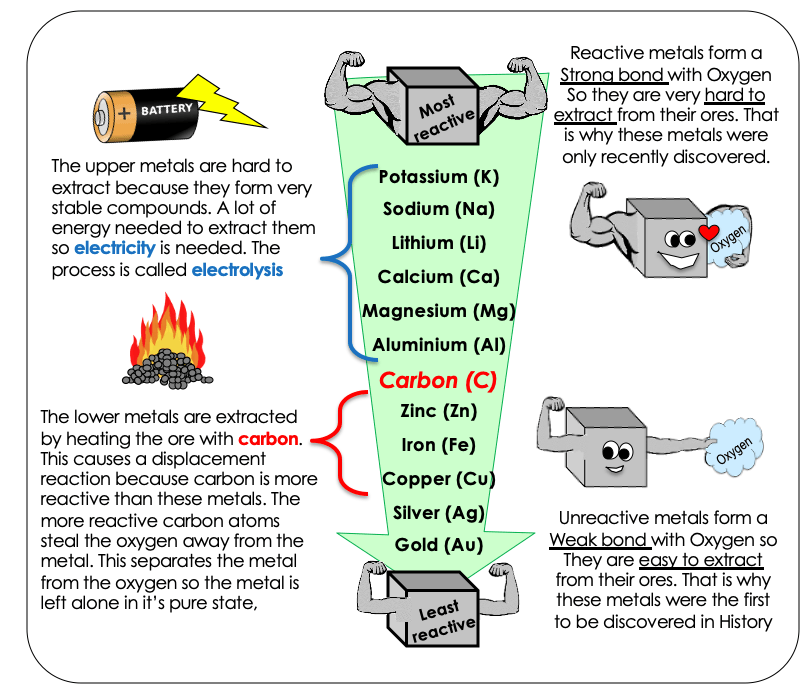
Which element cannot be extracted from its ore by reduction with carbon?
iron
aluminium
copper
zinc
Many metals are extracted from their ores by heating them with carbon in huge furnaces. Which metal(s) cannot be extracted using this method?
Aluminum
Calcium
Zinc
Copper
Complete the following word equation:
Metal + Acid -->
Salt + water
Salt + hydrogen
Salt + Water + Carbon dioxide
Complete the following word equation:
Metalcarbonate + acid -->
Salt + Hydrogen
Salt + Water + Carbon Dioxide
Salt + Water
How do you remove the water to leave solid copper sulfate crystals?
Filter
Evaporate
Distill
What is the test for Hydrogen gas?
Squeaky pop
Lime water turning cloudy
Add pH paper
What is the test for Carbon Dioxide?
Add Litmus paper
Lime water turning milky
Squeaky pop
Why does a higher temperature increase the rate of a reaction?
it increases both the frequency and energy of particle collisions
it only increases the frequency of particle collisions
it only increases the energy of particle collisions
it reduces the activation energy of the reaction
Grinding a effervescent tablet into powder increases the rate of reaction due to increased
concentration
surface area
temperature
reactants
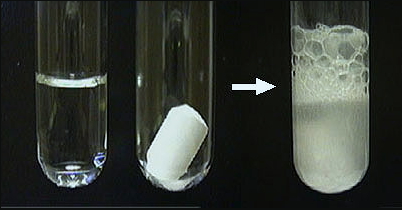
How could we make this reaction happen more quickly?
Decrease the concentration of the acid
crush the chalk to increase the surface area
Put the test tube in an ice bath
When we investigate the rate of reaction we are looking at the...
amount of product formed
speed of reaction
concentration of reacting particles
combining reactants with products
When surface area is decreased the rate of reaction...
Decreases, because there are LESS possible sites for correct collisions
Increases, because there are LESS possible sites for correct collisions
Decreases, because there are MORE possible sites for correct collisions
Increases, because there are MORE possible sites for correct collisions
What piece of evidence for Continental Drift states that the continents fit together like puzzle pieces?
Continent Shape
Fossil/Climate Evidence
Landform/Rock Evidence
Glacial Evidence
What piece of evidence for Continental Drift states that the same plant and animal fossils are found on continents separated by oceans.
Continent Shape
Fossil/Climate Evidence
Landform/Rock Evidence
Glacial Evidence
What piece of evidence for Continental Drift states that similar types and ages of rocks are found on different continents?
Continent Shape
Fossil/Climate Evidence
Landform/Rock Evidence
Glacial Evidence
What piece of evidence for Continental Drift states that glacial deposits and glacial scarring are found on continents with warm climates today.
Continent Shape
Fossil/Climate Evidence
Landform/Rock Evidence
Glacial Evidence
What is the process of magma pushing up through a mid-ocean ridge, forming new crust, and pushing continents apart called?
seafloor spreading
seafloor growing
volcanic volleyball
What is the process of magma in the mantle rising and cooling and sinking and warming that causes the continents to move?
a tiny mouse running on a wheel
magma wheel
convection currents
In what layer of Earth do convection currents happen?
crust
mantle
outer core
inner core
The remains or traces of ancient life are called ____________.
bones
remanents
fossils
none of the above

What are the three types of Evidence that supports Alfred Wegener's Theory?
Fossils, Fish, and Land
Sedimentary, Magma, and Climate
Fossils, Land forms, and Climate
Climate, Land forms, and Metamorphic rock
What was Wegener’s continental drift idea?
The continents have moved slowly apart to their current locations.
The continents have always been located at their current locations.
The continents are moving slowly together from their current locations.
None of these

What is the force that moves the continents?
Conduction
Convection
Radiation
Conveyor belts

Originally the Continental drift theory was not well received by other scientist. Why?
There was a competing theory at the time that was more believable.
There was no data showing the continents ever moved.
The scientists did not know the force responsible for moving the continents.
The scientist presenting the data was unreliable.

What evidence did Wegener use to support his theory?
Continents and fossils fitting together/matching-up like puzzle pieces
glacier scars and other climate evidence from temperature
mountain ranges and rocks line up across continents
all of the above

Who is the scientist who proposed Continental Drift Theory?


Which layer of Earth flows slowly and causes the crust to move?
Crust
Mantle
Inner Core
Outer core

What is the correct order (starting from the surface) of Earth’s layers?
crust, outer core, inner core, mantle
mantle, outer core, inner core, crust
crust, mantle, outer core, inner core
outer core, inner core, crust, mantle

When tectonic plates slide against each other causing the earth to move.
An opening on the Earth's crust through which hot molten rock flows out from deep inside the Earth.
Volcano
Fault line
Fold
Crater


Describe the most likely relationship between these mountains and nearby tectonic plates.
The mountains are probably formed by earthquakes
The mountains are probably formed by the movement of glaciers
The mountains are probably located near the edge of 2 tectonic plates.
The mountains are probably formed by running water.

Is there a pattern to the locations of earthquakes and volcanoes around the globe?
No, earthquakes and volcanoes are random.
Yes, earthquakes and volcanoes usually occur near the boundaries of tectonic plates.
yes, earthquakes and volcanoes usually occur in the middle of tectonic plates.
No, earthquakes and volcanoes usually occur under water.

The "windpipe" is known as the
alveoli
esophagus
trachea
bronchi
Which properly describes inhalation?
ribs go down and out
pressure is low causing air to rush in
pressure is high causing air to rush in
volume is low
When you exhale, the diaphragm
moves upwards
moves downwards
flattens
none of the above
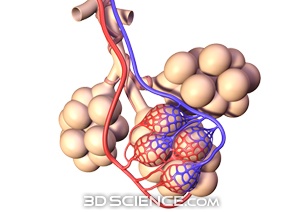
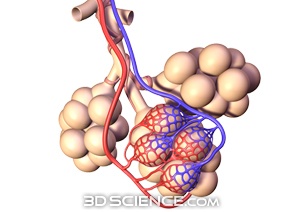
Respiration takes place in
the cells
the lungs
the heart
the brain
Is respiration the same as breathing?
Yes
No

For respiration to take place glucose needs to react with substance A. Select substance A.
Carbon dioxide
Water
Oxygen
Ozone

When respiration takes place, energy is produced along with another two substances B and C. Select substances B and C.
Carbon dioxide
Water
Oxygen
Ozone
A foreign body traveling through space was captured by the Earth's gravity and remains in orbit.
Daughter theory
Sister Theory
Collison Theory
Capture Theory
When the Earth was young a collision occurred with molten rock the size of Mars and flung the material out into orbit and the material collected became the moon.
Collison Theory
Daughter Theory
Sister Theory
Capture Theory
The moon formed separately at the same time at the Earth.
Capture Theory
Sister Theory
Daughter Theory
Collison Theory
During the formation of the Earth, the Earth spun so fast that the moon was thrown away from the forming Earth and the moon developed.
Collison Theory
Daughter Theory
Sister Theory
Capture Theory

