wayground logo

Free Printable Worksheets

Font size

S
M
L
XL
Worksheets

african american studies

Total questions: 60

Worksheet time: 2hrs 45mins

Name
Class
Date
1.

The 13th Amendment made slaves..

a)

citizens

b)

property

c)

free

2.
Which amendment abolished slavery in 1865?
a)
13th Amendment
b)
14th Amendment
c)
15th Amendment
3.
Which amendment gave African-Americans the right to vote in 1869?
a)
13th Amendment
b)
14th Amendment
c)
15th Amendment
4.
Which amendment said anyone born in United States is a citizen in 1868?
a)
13th Amendment
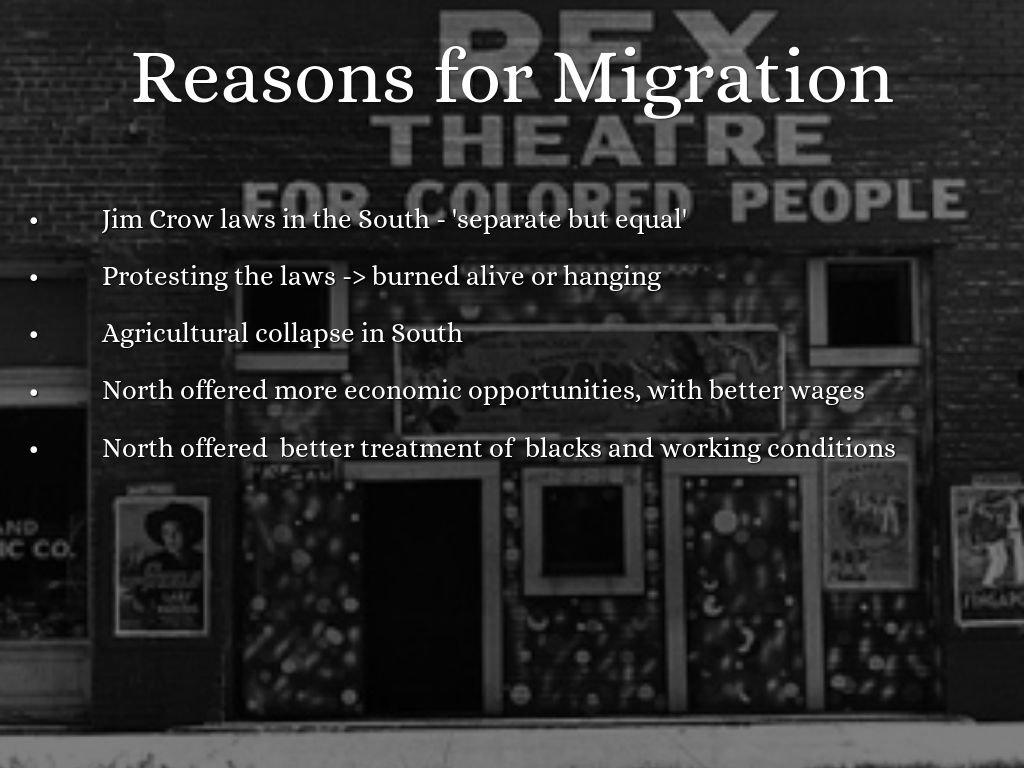
b)
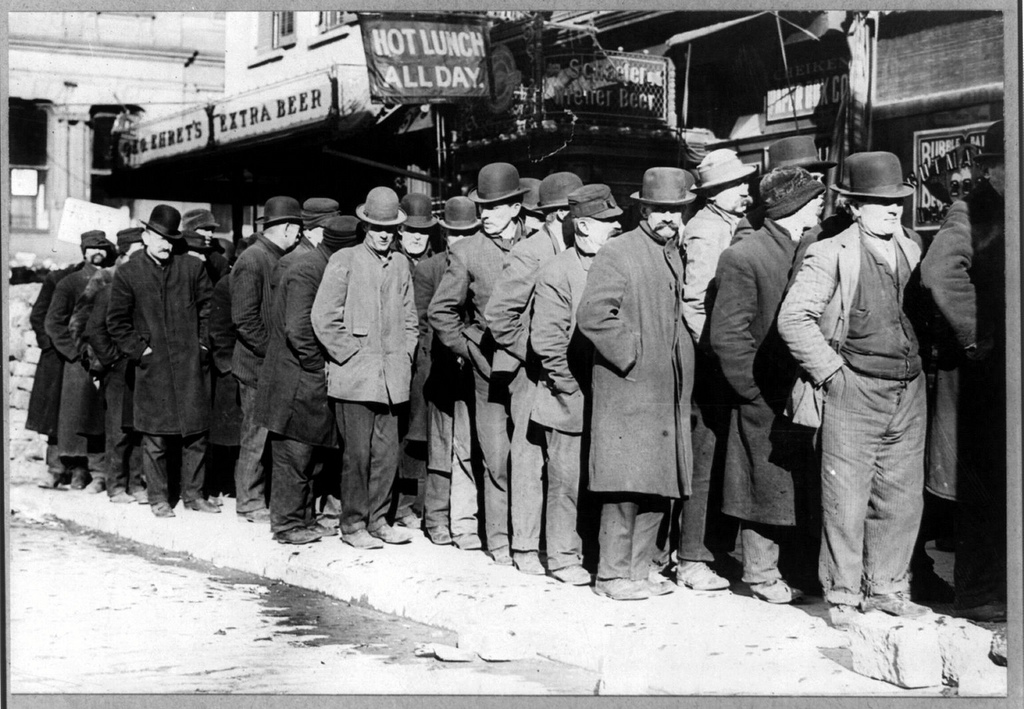
14th Amendment
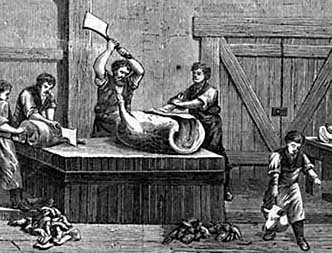
c)
15th Amendment
5.
What does abolish mean?
a)
to get rid of
b)
to make shiny
6.
Southern states passed these laws that restricted African American's freedom.
a)
The Blue Codes
b)
The Black Codes
7.
Which amendment guarantees due process and equal protection?
a)
13th Amendment
b)
14th Amendment
c)
15th Amendment
8.
After the Reconstruction Amendments were passed, this white supremacist terrorist group was created.
a)
The Southern Order
b)
Ku Klux Klan (KKK)
9.
Which is the best description of Reconstruction?
a)
rebuilding the US after a big earthquake
b)
a period of rebuilding in the US after the Revolutionary War
c)
a period of rebuilding in the US after the Civil War
d)
unfair treatment of African Americans after the Civil War
10.
Southern states created the Black Codes to do what?
a)
limit African Americans rights
b)
expand Confederate rights
c)
give women voting rights
d)
jail Carpetbaggers
11.
Carpetbaggers were...
a)
Newly freed slaves
b)
Southern Republicans
c)
Confederate Soldiers
d)
Northerners who took advantage of southern economic hardships 
12.
Organizations like these worked for which of these goals? 
a)
To encourage southerners to fight against the Union 
b)
to legalize discrimination against African 
Americans
c)
To encourage African American education
d)
to promote Confederate rights
13.
Scalawags were...
a)
Northerners who took advantage of southern economic hardships 
b)
Southern Republicans
c)
former Confederate Leaders
d)
African Americans
14.
Jim Crow Laws passed after Reconstruction took away African American Voting Rights using...
a)
Voter Registration Laws
b)
Political Gerrymandering
c)
Voter Identification Laws
d)
Poll Taxes and Literacy Tests
15.
What natural resource was used to preserve food and keep people healthy?
a)
Water
b)
Gold
c)
Pepper
d)
Salt
16.
How were the traditions of ancient Mali passed down?
a)
books
b)
iPads
c)
storytellers
d)
television
17.

What valuable natural resource was mined to the south of Ancient Mali (in West Africa) and was traded for salt?

a)

Platinum

b)

Copper

c)

Silver

d)

Gold

18.
What river helped the traders in Mali transport their goods?
a)
Nile River
b)
Yangtze River
c)
River Thames
d)
Niger River
19.
In what city was there a university with a large library with books from ancient Greece and Rome?
a)
Athens
b)
Timbuktu
c)
New York City
d)
Tokyo
20.
In the Empire of Mali, who was Mali's greatest leader?
a)
Mufusa
b)
Mansa Musa
21.
Where was the Songhai's center of Islamic faith located?
a)
Timbuktu
b)
Fez
22.
Trans-Saharan trade brought this religion to West Africa from the Arabian peninsula
a)
Christianity
b)
Islam
23.
What was the capital of the Ghana Empire?
a)
Saleh
b)
Adulis
24.
Chose the correct order of the Ancient African kingdoms...
a)
Ghana, Mali, Songhai
b)
Mali, Songhai, Ghana
25.

Which three religions affected the history of Aksum/Axum? 

a)

Hinduism, Islam, and Christianity

b)

Buddhism, Islam, and Judaism

c)

Judaism, Christianity, and Islam.

d)

Christianity, Islam, and Buddhism

26.

Which of the following African societies was the most heavily Christian?

a)

Swahili

b)

Aksum

c)

Zimbabwe

d)

Songhai

27.

They were a major trading center, with access to trade routes stretching from the Mediterranean Sea and Europe through Arabia, India, and China. 

a)

Ethiopian Empire

b)

Kingdom of Aksum

c)

Phoenician Empire

d)

Kingdom of Kush

28.

Which was the earliest African Empire?

a)

Ghana

b)

Songhai

c)

Kush

d)

Axum

29.

Which present-day east African country comprises much of the ancient kingdom of Axum?

a)

Mali

b)

Egypt

c)

Ethiopia

d)

Sudan

30.

Which ancient African kingdom did NOT flourish in the area shown in the map above?

a)

Egypt

b)

Kush

c)

Mali

d)

Axum

31.
Capturing, transporting, and selling people is called the 
a)
slave auction
b)
overseer
c)
slave trade
d)
Middle Passage
32.
Slaves were put on _______ and brought to Carolina.
a)
trains
b)
ships
c)
planes
d)
wagons
33.

7. What was the Middle Passage?

a)

The journey of the Pilgrims across the Pacific Ocean.

b)

The journey of the Africans across the Pacific Ocean.

c)

The journey of the Africans across the Atlantic Ocean.

d)

The years between 5-8th grade in Middle School.

34.

17. What was the name of the document that President Lincoln signed saying all people are free?

a)

The Gettysburg Address

b)

The Constitution

c)

The Emancipation Proclamation

d)

The Declaration of Independence

35.
The portion of triangular trade that brought slaves across the atlantic was called
a)
trail of tears
b)
The death trail
c)
The final passage
d)
the Middle passage
36.
Legal separation of people based on racial, ethnic, or other differences.
a)
Integration
b)
Conflagration
c)
Confederation
d)
Segregation
37.

Which of the following BEST explains the purpose of the Jim Crow system?

a)

Keep public facilities cleaner

b)

keep African-Americans as second-class citizens

c)

keep the races pure

d)

keep African-Americans from voting

38.

Tests given to African Americans at the voting polls.

a)

Literacy Tests

b)

Voting tests

c)

Government Tests

d)

Poll tests

39.

Which word means "The Right To Vote"

a)

Democracy

b)

Elections

c)

Suffrage

d)

Rights

40.
Segregation in the South was mainly based on 
a)
hair color
b)
religion
c)
race (color of the skin)
d)
economic status
41.
Beginning as a social club for former Confederates, this organization terrorized African Americans across the country.
a)
Fraternal Order of Elks
b)
Ku Klux Klan
c)
Freemasons
d)
Illuminati
42.

What two (2) things were African-Americans looking for when they did move?

a)

Segregation and a Better Life

b)

Lost Family and A Better Life

c)

Discrimination and More Opportunities

d)

More Opportunities and a Better Life

43.

The beginning of Immigration Laws in America caused a shortage in what?

a)

Labor

b)

Workers

c)

Employees

d)

All of the above

44.

Which of the following was NOT an area where African-Americans were able to get jobs in the North.

a)

Sharecropping

b)

Steel Industry

c)

Automotive Factories

d)

Meatpacking Plants

45.

Which of the following cities was not in the need for workers?

a)

Los Angeles

b)

Chicago

c)

Seattle

d)

St. Louis

46.

The movement of African-Americans out of the South to other areas of the country from 1916-1970 is known as the

a)

Critical Movement

b)

Southern Migration

c)

Harlem Renaissance

d)

Great Migration

47.

Which two northern cities had the highest black populations during the Great Migration?

a)

Cleveland and Detroit

b)

New York and Pittsburgh

c)

Chicago and Philadelphia

d)

Chicago and New York

48.

Which global event had a direct influence on the beginning of the Great Migration?

a)

WWII

b)

Russian Revolution

c)

WWI

d)

Civil War

49.

The Great Migration resulted in the spread of black culture to other areas of the country. One notable place that became a major platform for black culture and achievement was

a)

Savannah

b)

Nashville

c)

Atlanta

d)

Harlem

50.

The Great Migration had to do with

a)

African Americans

b)

Asian Americans

c)

moving North

d)

moving West

e)

jobs in cities

51.

The Harlem Renaissance had to do with

a)

World War One veterans

b)

African Americans

c)

jazz music

d)

art

e)

philosophy

52.

What area of New York did many African Americans move to? It became known for artistic, poetic, intellectual and musical creativity.

a)

The Bronx

b)

Harlem

c)

Staten Island

d)

Queens

53.
Which of the following best describes a reason that African Americans would have moved from the South to the North and Midwest between 1910 and 1930?
a)
The climate was better.
b)
There were more jobs.
c)
The housing was free.
d)
There were fewer taxes.
54.
When did most of the Great Migration take place?
a)
during and after the Civil War
b)
during and after the Revolutionary War
c)
During and after WWI
d)
During and after WWII
55.
The artists during the Harlem Renaissance most wanted to
a)
document the experiences of their people
b)
show off their talents (dancing, singing, writing, etc)
c)
Go back to their ancestors' homeland
d)
Separate completely from the rest of America
56.
The Harlem Renaissance was remarkable because
a)
it was the first time African-Americans published their art
b)
African-American artists were taken seriously 
c)
So many African-Americans moved to that one neighborhood
d)
That's when the first African-American won an Oscar
57.
The artists' from the Harlem Renaissance goal was to..
a)
Run the white people out of the neighborhood
b)
publish more songs, poems, and stories than ever before
c)
create an expression of their dark-skinned selves
d)
win a national elected office
58.
The most influential advocate during the Harlem Renaissance was
a)
Louis Armstrong
b)
Ella Fitzgerald
c)
Countee Cullen
d)
Langston Hughes
59.
The Harlem Renaissance helped prove that
a)
art includes everyone
b)
only African-Americans can play jazz
c)
African-Americans are better off when separated from other ethnic groups
d)
Langston Hughes is the best poet
60.

Which current legacies were begun by Dr. Woodson?

a)

A. Black History Month

b)

B. The Association for the Study of African American Life and History

c)

Neither A or B

d)

Both A And B