
NEW
Font size
 Worksheets
Biology Milestone Review: Macromolecules Part II
Total questions: 18
Worksheet time: 18mins
Two of the four principle classes of organic compounds are proteins and nucleic acids. What is
the relationship between proteins and nucleic acids?
A. Nucleic acids use proteins for energy
B. Nucleic acids are a subset of proteins
C. Proteins are long polymers of nucleic acids
D. Nucleic acids contain the information to make proteins
2. Resistance to antibiotics results from variations in the genetic code of Streptococcus pneumoniae.
Which type of molecule encodes genetic information in Streptococcus pneumoniae?
carbohydrates
nucleic acids
proteins
fatty acids
4. In living organisms, lipids function mainly as:
Sources of stored energy and transmitters of genetic information
Sources of stored energy and components of cellular membranes
Transmitters of genetic information and catalysts of chemical reactions
Catalysts of chemical reactions and components of cellular membranes
Which macromolecule makes up the majority of the cell membrane?
nucleotide
lipid
protein
carbohydrate
Baby food manufacturers sometimes use proteases in their products. Proteases catalyze the
breakdown of the proteins in these foods, making digestion easier for infants.
Proteases are which of the following types of molecules?
enzymes
fatty acid
carbohydrates
nucleic acid
Many plants have waxy coatings on some surfaces. This coating reduces water loss because it is
not water-permeable. This waxy coating is which of the following types of organic molecule?
proteins
carbohydrates
nucleic acid
lipids
Like complex carbohydrates, proteins are macromolecules that serve many functions and can be
chemically broken down and restructured. Both proteins and complex carbohydrates are which of the
following?
polymers of smaller subunits
sequence of sugars
lipids of large molecules
nucleotides of DNA
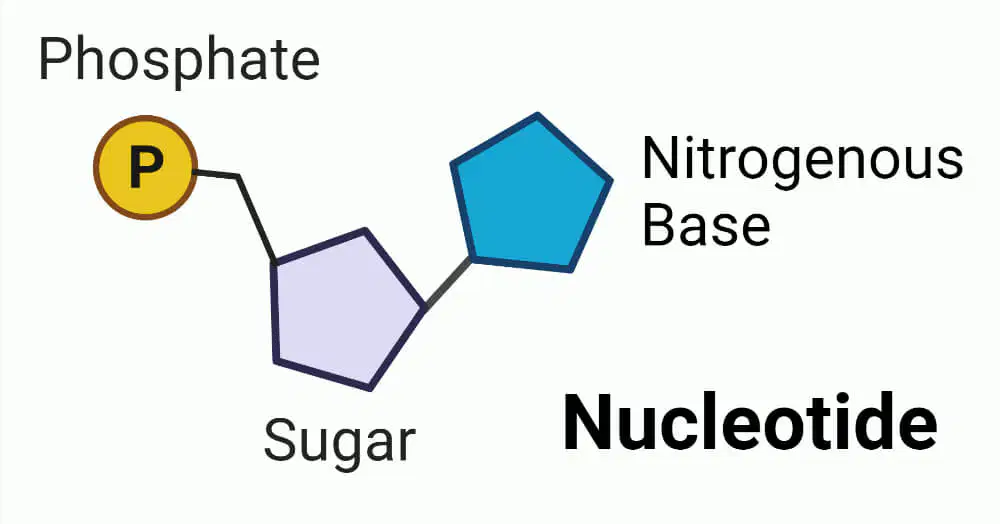
What is the function of macromolecule subunit below?
energy
catalyst
stores genetic information
composes the majority of the cell membrane
Which types of organic molecules serve as the
building blocks of living things and form when
amino acids are joined by a peptide bond?
proteins
fatty acids/lipids
carbohydrates
nucleic acids
Glucose is a simple sugar that is broken down for
the release of energy during cellular respiration.
The formula for glucose is C6H12O6 . To which class
of organic macromolecules does glucose belong?
carbohydrates
proteins
lipids
nucleic acids
Which of the following is not a function of
carbohydrates in cells?
Energy sources
Biological Catalysts
Structural materials
Cellular identification
The function of nucleic acids is
Assisting in chemical reactions in cells
Storing and transmitting genetic information
Storing energy for cells
Providing structure to the nucleus of cells
Why does the human body require carbohydrates, proteins, and lipids?
The body uses these nutrients to synthesize inorganic compounds.
The body uses these vitamins to synthesize and maintain bones and
nerves.
The body uses these nutrients to synthesize organic compounds and
maintain life processes.
The body uses these inorganic compounds to maintain life processes
and reproduce.
Which class of biomolecule includes monosaccharides such as the blood sugar glucose, and the fruit sugar, fructose,
which is found in energy drinks?
Carbohydrates
Lipids
Proteins
Nucleic Acids
Grizzly bears, such as the ones shown, gain 200 to 500 pounds of fat every summer, feasting on salmon, berries, and
honey. In winter, almost all of this stored weight is lost during hibernation. What type of stored biomolecules allow
the grizzly to hibernate this way, without starving to death?
Carbohydrates
Lipids
Proteins
Nucleic Acids
What function do phospholipids perform in living organisms?
They are used for short-term energy storage.
They serve as the building blocks for proteins.
They make up the major component of cell membranes.
They store information in the nucleus of a cell.
Which statement regarding proteins is true?
Proteins are used to carry the genetic code in the nucleus of a cell.
Proteins make up most of the cell and tissue structures in animals.
Proteins are synthesized in the mitochondria of the cell.
Proteins are the building blocks of amino acids.
Which of the following macromolecules are a prominent part of animal tissues that function in insulation,
helping animals conserve heat?
Carbohydrates
Proteins
Lipids
Nucleic Acids

