
 Worksheets
1. Birth and Development of the Cinema
Total questions: 11
Worksheet time: 2mins
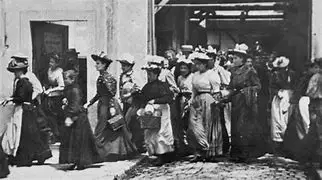
Workers Leaving the Lumière Factory …
lasted 46 minutes
showed factory workers having lunch
is the first black-and-white silent documentary ever produced
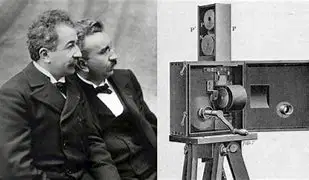
The Cinématographe …
projected images on a screen so a large audience could see them simultaneously
was invented by the British brothers Louis and Auguste in 1895
couldn’t be transported to different places
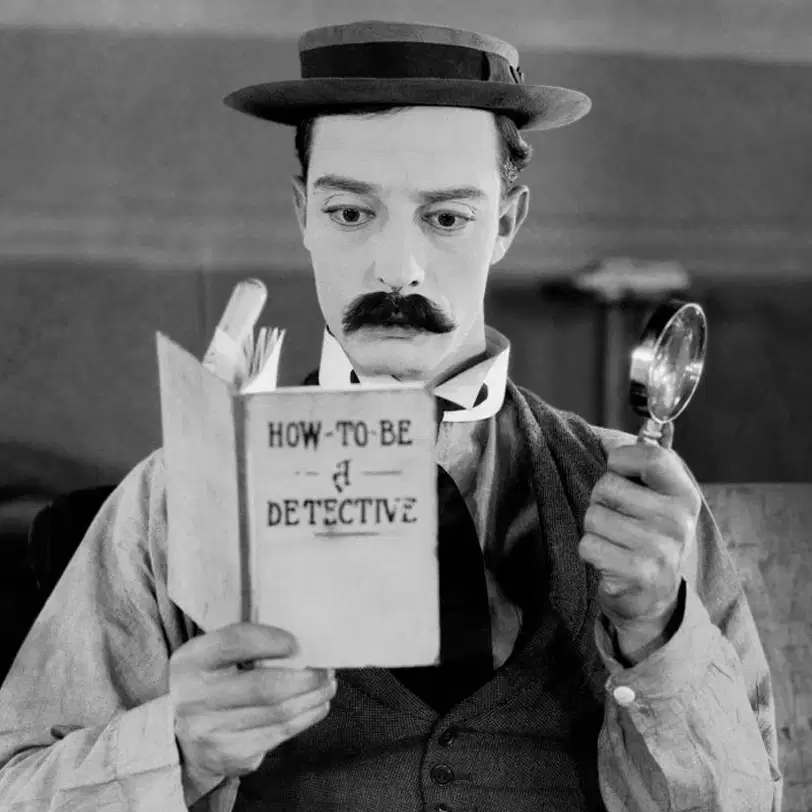
In silent films…
actors used pantomime gestures so the audience could laugh
directors sometimes used short subtitles
the conductor hired musicians

In the 1920s…
the audiences were silent so they could understand the film
the audiences chatted to discuss what was going on
few people enjoyed going to the cinema
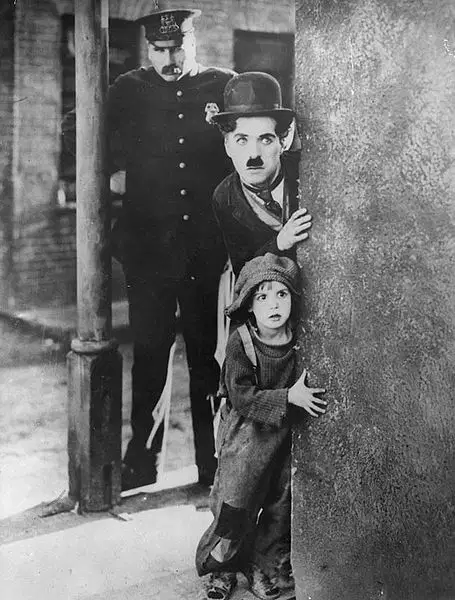
The Little Tramp…
was adored by female audiences due to its violence and passion

was the protagonist in Safety Last!
was good-natured although he usually got into trouble

The phonogragh was a revolutionary device that …
recorded and reproduced sound
combined images with sound
was invented by Thomas Edison in 1927
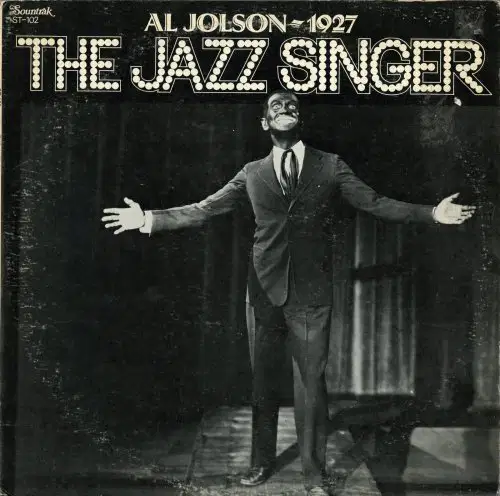
The Jazz Singer …
was the first film to use pictures and sound together
included music, singing and dialogues for the first time
put an abrupt end to the silent films
Audiences were disappointed with the new talking films because …
they had complicated scripts
actors stopped using exaggerated gestures
they couldn’t get used to the actors’ real voices
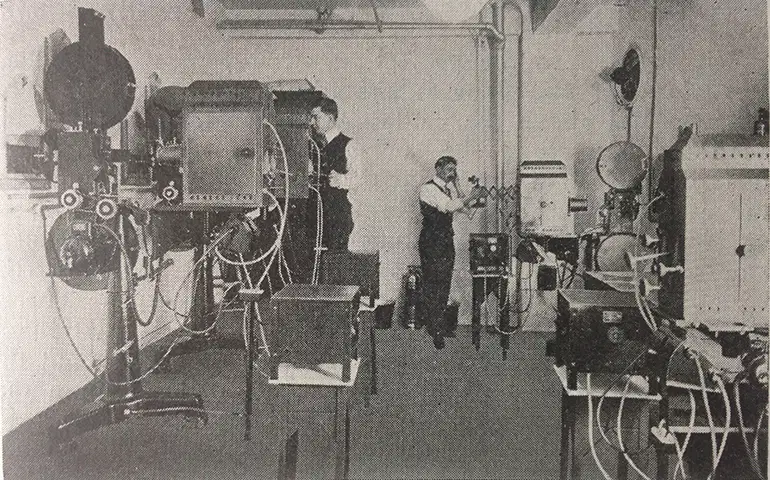
Projectionists faced many challenges because …
they worked in tiny rooms
they had to synchronize phonographs and projectors
they couldn’t shout instructions during the film
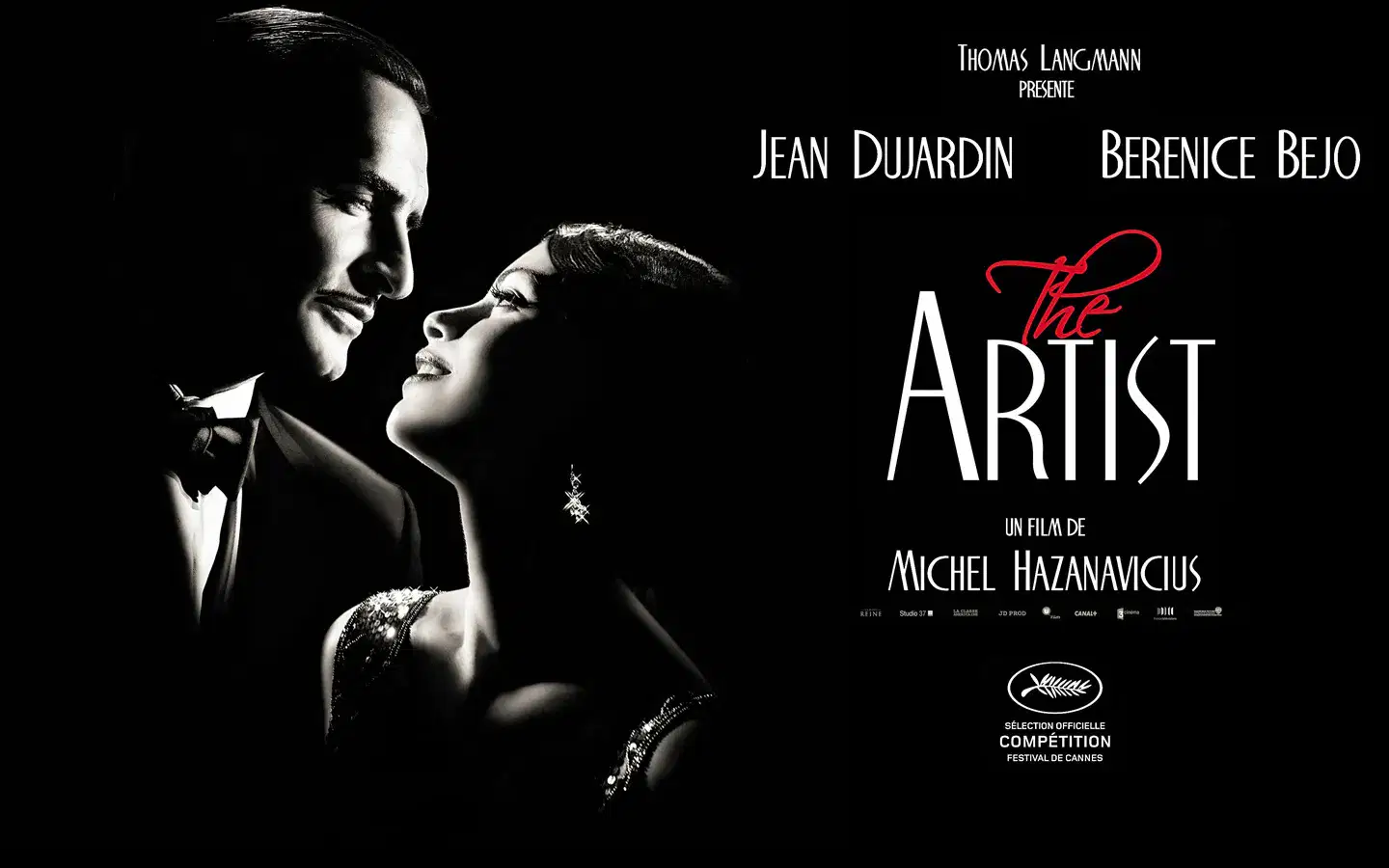
The Artist …
is an American silent movie released in the 1920s
didn't win any Awards
shows how the new technology causes silent films to fall out of fashion

The Wizard of Oz was a huge success …
thanks to the improvement of technicolor technology
because Judy Garland was captivated by the yellow brick road
because audiences were tired of the talkies

