
Font size
 Worksheets
Terrestrial Biomes
Total questions: 26
Worksheet time: 18mins
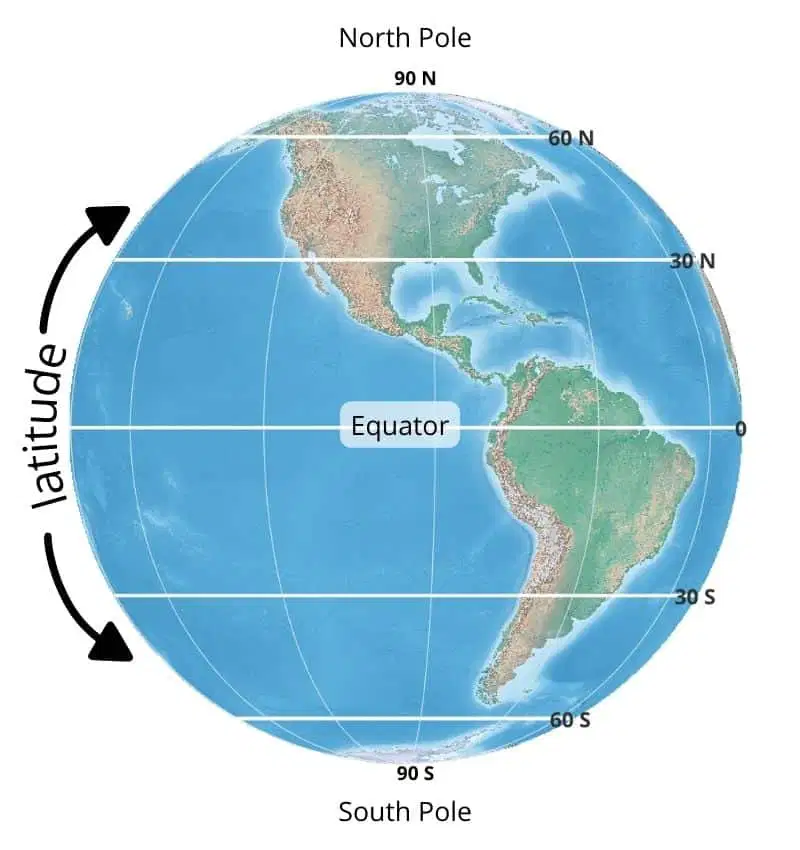
The closer a biome is to the equator (found at 0 degrees latitude), the more we would expect it to be
warmer & wetter
warmer & drier
cooler & wetter
cooler & drier
climate & organisms
animals & plants
climate only


You live in the temperate deciduous forest. Does the temperate forest have more or less biodiversity than the grasslands?
The temperate deciduous forest has MORE biodiversity than the grasslands.
The temperate deciduous forest has LESS biodiversity than the grasslands.


hot, humid forests with much rainfall
grassland
terrestrial ecosystems
tropical rainforest
biodiversity

A cool, mostly coniferous (evergreen) forest with trees that have cones and waxy needles that prevent water loss.
tundra
grassland
desert
taiga

A sandy or rocky biome with little precipitation or plant life.
biomes
tundra
biodiversity
desert

The cold biome of the far north. It has permanently frozen soil, so it can't support large plants.
taiga
canopy
tundra
biomes
The "great plains" of the U.S. are in this biome?
grassland
temperate deciduous forest
desert
tundra
Choose ALL of the animals that live in the tropical rain forest.
polar bear
monkey
deer
toucan

Abiotic factors: warm temperatures; seasonal rainfall; compact soil; frequent fires set by lightning • Dominant plants: tall, perennial grasses; sometimes drought-tolerant and fire resistant trees or shrubs
grasslands
tundra
dessert
deciduous forest
Which biome gets more rain/precipitation?
Grassland
Temperate deciduous forest
Tundra
Which organism is most likely to burrow in the ground to get out of the heat/sun during the day?
Taiga rabbit
Desert mouse
Rainforest snake
Which biome has a very short growing season, extremely cold temperatures, and no tall trees due to the inability for roots to grow deeply in the ground?
Taiga
Tundra
Grassland
Desert
Which biome gets more rain?
Desert
Grassland
Tundra
Why does the artic hare change fur its color?
It changes to brown fur in the winter to absorb heat.
It changes to white fur in the winter to camouflage with the snow.
It keeps the same color fur all year/in all weather.
Which of the following are adaptations?
hibernation
migration
running
growing thicker fur (or thicker bark for trees)

