
 Worksheets
Ecology
Total questions: 237
Worksheet time: 3hrs 3mins
What is the another name for the water cycle?
Hydrologic cycle
Surface runoff
Groundwater
Condensation
Percupritation
Biogeochemical cycle is the
All of the above
Communities throughout the ecosystem
Movement of carbon, oxygen nitrogen, and phosphorus through an ecosystem
Population throughout the ecosystem
Precipitation
Means
Water, transportation
Water leaving atmosphere and going to the ground
Water going back up to the sky’s
Water evaporation
Next the water vapor returned to the atmosphere
Evaporation
Bodies of water
Moving water
Water turning to ice
Water vapor comes from ground or bodies of water is called
Or hot water
Cold water
Different type of water
Transportation
Water is the most
Important chemical compound
Important thing that we need for our bodies
Most hot
Most cold
The amount of water can determine
The plants and animals living in the area
The whole world
The whole community
The whole population
Burning fossil fuels releases
Sulfur, detox, and nitrogen, gas
Smoke in the air
Acids in the air
All of the above
The movement of carbon throughout four places
The ocean
Rock in fossil fuel
Living
The atmosphere
Or all of the above
Carbon fixation is
Converting carbon in CO2 to carbon and sugar molecules/carbohydrates
Releases carbon in CO2 up in the air
Turn carbon into oxygen
Giving carbon to animals
Conbustion
The burning of fossil fuel
The burning of carbon
The burning of nitrogen
The burning of fossil fuel/nature gas COAL to release
Carbon is one of the most important atoms that make up ________ __________.
energy molecules
abiotic matter
Photosynthesis
biotic matter
Carbon is a type of atom.
TRUE
FALSE
What are the little green spots inside the cell called?
little beads
energy storage molecules
chloroplasts
producers

The difference between weather and climate is that climate is:
The average, year-to-year conditions
The day-to-day conditions
Described in terms of months at a time
B and C are both correct

What is the greenhouse effect?
It is a phenomenon where the sun’s rays are absorbed by clouds.
It is a phenomenon that occurs when heat escapes into space.
It is when heat is trapped by gases, then sent back to earth’s surface.
It describes the atmosphere’s composition.

In the woods, there are ducks and mice. They both compete for grasshoppers as the only source of food in that area at that time. The ducks outcompete the mice, and the mice die out in that area. This is an example of:
Neutralism
Commensalism
The competitive exclusion principle
Mutualism

In the wild, some alligators gets their teeth cleaned by birds. The birds gets their food from the alligators' teeth.
What type of symbiosis is this?
Mutualism
Commensalism
Parasitism
Neutralism


Barnacles are animals that cannot move. In order to get food, they attach to whales and catch any floating plankton in the water. The whale is neither helped nor harmed in the interaction. What type of symbiosis is this?
Mutualism
Commensalism
Parasitism
Neutralism

In an ecosystem, there are populations of moose, rabbits, grass, and pine trees. Suddenly, a fire blazes through the area, which kills all of the populations. As the months go on, new species of grass begin to take root. This attracts animals, and eventually the ecosystem is restored.
What type of ecological succession happened?
Primary succession
Secondary succession
Tertiary succession
None of the above

In this photo, what is an abiotic factor?
Deer
Grass
rain

What is this picture describing?
It is describing natural selection.
It is describing direct competition between flamingos and ducks.
It is describing abiotic factors of the tundra.
It is describing the niche of each bird.

What Biome is covered in permafrost (frozen subsoils)?
Tropical Rain Forest
Desert
Tundra
Tropical Savanna

What Biome is also known as the grasslands?
Tropical Rain Forest
Desert
Tundra
Tropical Savanna
What Biome is very dry; receives very little rainfall?
Tropical Rain Forest
Desert
Tundra
Tropical Savanna
What Biome is covered in a dense canopy and an understory?
Tropical Rain Forest
Desert
Tundra
Tropical Savanna
As a part of the water cycle, water from Earth's surface enters the clouds and finally falls back to the ground in the form of rain. What is the correct sequence of processes water undergoes?
Evaporation, Condensation, Precipitation
Precipitation, Condensation, Evaporation
Condensation, Evaporation, Precipitation
Evaporation, Precipitation, Condensation

The image shows various stages in the water cycle. During which stage does water flow back towards the sea as runoff?
W
X
Y
Z
What is precipitation?
Sweat from our bodies on hot days
Warm rain but not cold snow or sleet
Gas that we use in furnaces or ovens
Any form of water that falls from the sky
Condensation occurs when water vapor_____________.
heats up and becomes liquid water
cools off and becomes liquid water
freezes and becomes ice
rains on the land
The process when plants release water vapor from their leaves is called _____________.
precipitation
evaporation
transpiration
condensation

What step of the water cycle does this picture show?
Condensation
Runoff
Precipitation
Evaporation

Which best explains why runoff is important?
It returns water to other locations on Earth
It increases the chance of flooding
It makes evaporation occur faster
It increases condensation

What are formed when water vapor condenses and come together?
Clouds
Mountains
Transpiration
Valleys
When clouds get too heavy and water falls back to earth in the form of rain, snow, hail or other forms.
Precipitation
Evaporation
Percolation
Transpiration
Water running off the land surface
Evaporation
Sublimation
Transpiration
Run-off
Turns frozen water into water vapors - skipping the melting stage
Sublimation
Percolation
Transpiration
Evaporation
An underground layer of sand, gravel or rock that stores and carries water
water table
water cycle
aquifer
Infiltration
In which area would the rate of evaporation be the lowest?
Over the ocean
Over the mountains
Over the rainforest
Over the desert
This is NOT a part of the phosphorus cycle.
Phosphate is incorporated into sedimentary rocks
Phosphate bound to soil
Atmospheric phosphate
Phosphate is absorbed from the soil by plants
Too much phosphorus in waterways (rivers, lakes) can lead to___________.
eutrophication
Nothing
Death
diseases
An algal bloom is the rapid growth of a population of
fungi
protozoans
algae

Organisms that break down dead plants & animals and release nitrogen back into atmosphere...
bacteria
plants
animals
producers
All living organisms are mainly composed of what elements?
Oxygen, Carbon, Hydrogen, Nitrogen
Carbon, Phosphorus, Nitrogen, Oxygen
Sodium, Carbon, Nitrogen, Hydrogen
Calcium, Phosphorus, Nitrogen, Oxygen
Which of the following is NOT true of phosphorus and the phosphorus cycle?
Phosphorus is mined from phosphorus rich rock, which is processed and then added to commercial inorganic fertilizers as well as detergents.
Phosphorus tends to be more localized compared with other biogeochemical cycles that can move more freely in the global system.
Phosphorus is generally found in rocks, sediments, and soil.
Phosphorus does not exist in the atmosphere as a gas.
Living organisms do not need phosphorus.
Phosphorus is mainly found (stored) in the atmosphere.
True
False

What does the root "bio" mean...
living
nonliving
toxic
variety
What does the root "diversity" mean...
living
nonliving
toxic
variety
(a) is the variety of living things in the world.

How do biodiversity and stability work together?
The lower the biodiversity the greater the stability of an ecosystem.
The higher the biodiversity, the less stable the ecosystem
The higher the biodiversity, the greater the stability of the ecosystem.
Biodiversity has nothing to do with ecosystem stability.
The arrows in a food chain or web represents what?
They point to the organism that is being eaten.
It shows how sunlight flows within an ecosystem.
They show the direction the energy is flowing between organisms.
They represent how water is transferred within a habitat.


Consumers that eat only plants
Carnivores
Omnivores
Herbivores
Scavengers
Consumers, such as vultures, that feed on the bodies of dead organisms
Carnivores
Omnivores
Herbivores
Scavengers
A food _______ is a series of events in which one organism eats another and obtains energy.
chain
web
pyramid
plate

In the food web above, what organism is a tertiary consumer?
Fox
Frog
Vole
Grass
Which of the following has the correct order of the trophic levels for a food web or chain.
herbivores-decomposer-autotrophs-carnivores-
decomposer-carnivores-autotrophs-herbivores
producer-tertiary consumer-secondary consumer-primary consumer
producer-primary consumer-secondary consumer-tertiary consumer-decomposer

A worm is a/an
autotroph
heterotroph

What would happen to the bird if the green fish died out?
the bird population would grow
the bird population would die out
the smaller fish will die out
What is the bottom layer of the an energy pyramid?
producer
tertiary consumer
Secondary consumer
primary consumer
All tertiary consumers are scavengers
true
false
What would happen if their were no producers?
Every population would grow larger
Everything would die out
The animals would make their own food


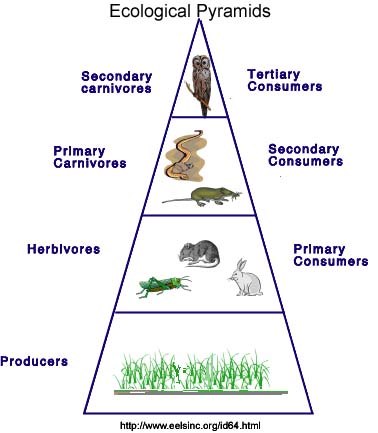

What is the name of the group 1?
milk, yogurt, cheese and cream
junk food, oils and candies
meat, fish, chicken and eggs
bread, cereals, pasta and rice
fruits and vegetables
What is the name of the group 2?
milk, yogurt, cheese and cream
junk food, oils and candies
meat, fish, chicken and eggs
bread, cereals, pasta and rice
fruits and vegetables
What is the name of the group 1?
milk, yogurt, cheese and cream
junk food, oils and candies
meat, fish, chicken and eggs
bread, cereals, pasta and rice
fruits and vegetables
What is the name of the group 2?
milk, yogurt, cheese and cream
junk food, oils and candies
meat, fish, chicken and eggs
bread, cereals, pasta and rice
fruits and vegetables
What is the name of the group 3?
milk, yogurt, cheese and cream
junk food, oils and candies
meat, fish, chicken and eggs
bread, cereals, pasta and rice
fruits and vegetables
What is the name of the group 4?
milk, yogurt cheese and cream
vegetables
meat, fish, chicken and eggs
bread, cereals, pasta and rice
fruits
What is the name of the group 5?
milk, yogurt, cheese and cream
vegetables
meat, fish, chicken and eggs
bread, cereals, pasta and rice
fruits

What is the name of the group 6?
milk, cheese and cream
junk food, oils and candies
meat and fish
fruits
bread, cereals, pasta and rice

Look at the picture. What are vegetables? Choose more than 1 option.
carrots
watermelon
tomatoes
bananas
cabbage
Look at the picture. What are fatty foods? Choose more than 1 option
carrots
tacos
tomatoes
chocolate cake
soda

Look at the picture. What are animal foods? Choose more than 1 option
fish
sushi
meat
chocolate cake
chicken

Pizza and tacos are healthy food. True or false?
true
false

Vegetables help to your growth, True or false?
true
false

Which food gives natural sugars?
fruits
vegetables
beans
The chicken is a vegetal food. True or false?
true
false

The chocolate cake is delicious, but it....
is good for you. (healthy)
is bad for you. (unhealthy)

Bread, cereals, pasta and rice have a lot of:
vitamins
proteins
fiber

Look at the picture. What are fruits? Choose more than 1 option
meat
apples
beans
bananas
bread

water in very important for
plants, animals and rocks
people, plants and rocks
insects, plants and animals
plants, animals and people
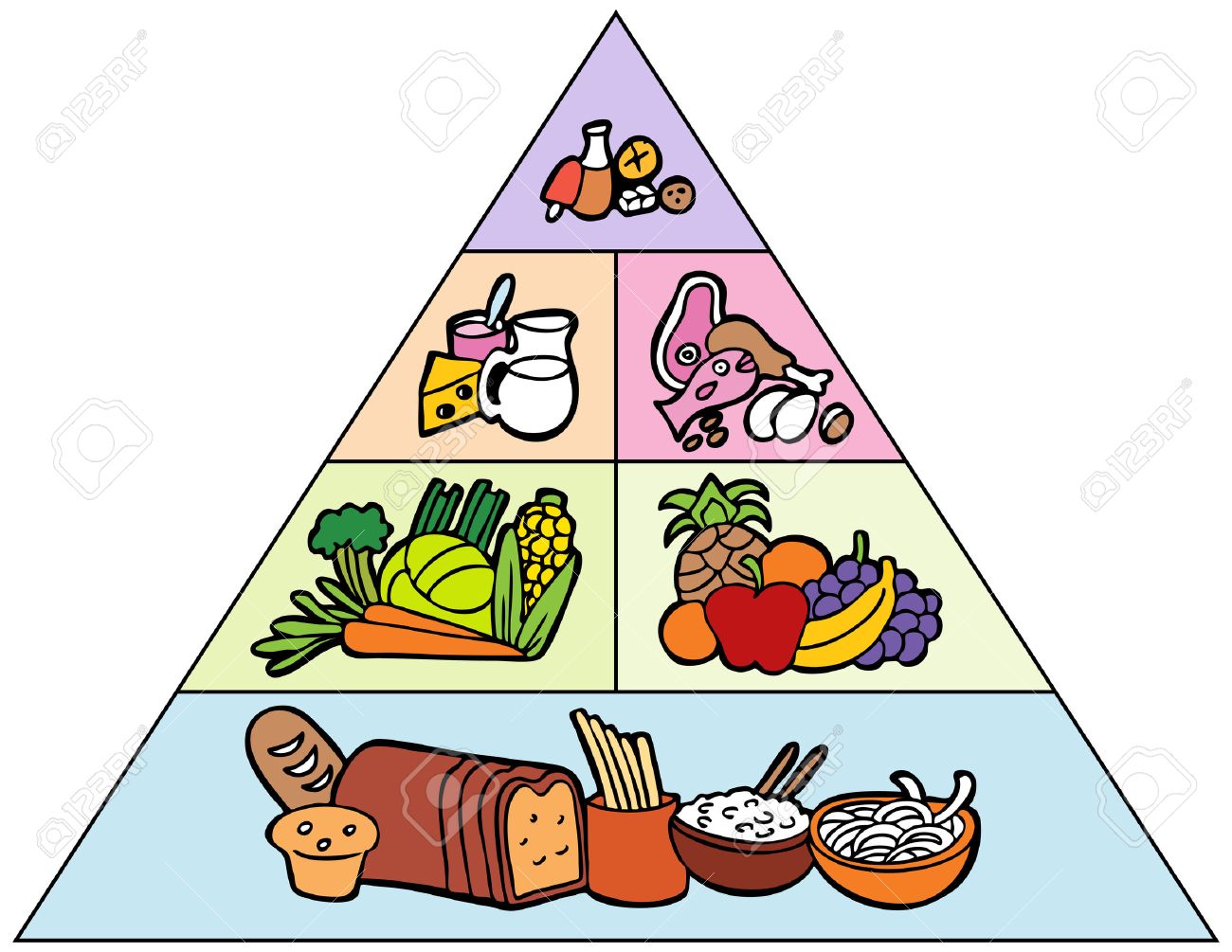
What is it?
EGYPTIAN PYRAMID
FOOD PYRAMID
PYRAMID
FOOD
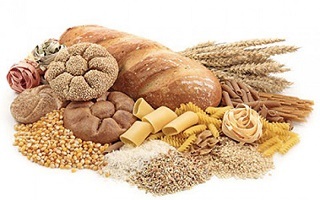
PASTA, BREAD, CEREALS AND RICE ARE...
CARBOHYDRATES
VITAMINS
FATS
MILK AND MEAT
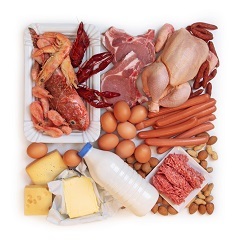
THIS IS AN EXAMPLE OF...
CARBOHYDRATES
FOOD FOR CHICKENS
FATS
PROTEINS
YOU CAN FIND PROTEINS IN...
MEAT, MILK, FISH, EGGS, APPLES
MEAT, MILK, FISH, EGGS, CEREALS
MEAT, MILK, FISH, EGGS, SWEETS
MEAT, MILK, FISH, EGGS
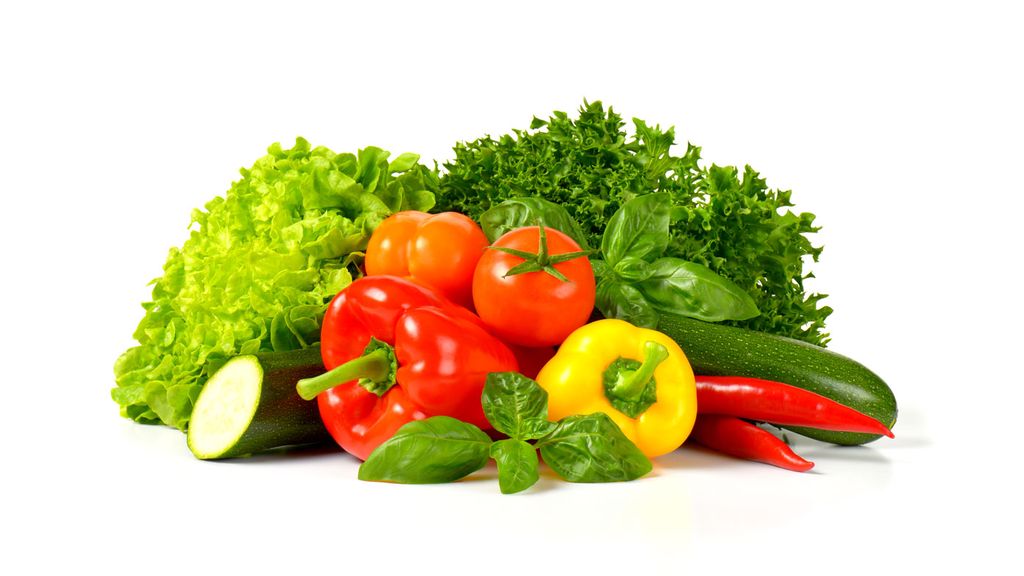
Which food group?
PROTEINS
GRAINS
DAIRY
VEGETABLES

What food group is this?
fruit
vegetables
oil
water

What food group is this?
fruit
vegetable
dairy
meat and beans

What is this?
dairy
beans
poultry
eggs

What food group is this?
vegetable
fruit
grain
meats and beans
candy
butter
oil
belong to which food group?




Which is a disadvantage of wind farms?
a wind farm produces more noise pollution than a single wind turbine produces
a wind farm produces less electricity than a single wind turbine produces
Which is a disadvantage of wind farms?
a wind farm produces more noise pollution than a single wind turbine produces
a wind farm produces less electricity than a single wind turbine produces
Which of the following is an advantage of building wind farms instead of a single wind turbine?
a wind farm can be built close to towns that need electricity
a wind farm can easily be built in locations away from birds
a wind farm produces enough sound to keep birds away
a wind farm produces a greater amount of electricity than a single wind turbine produces
Why is nuclear energy considered nonrenewable?
some people do not support the use of nuclear energy as a resources
fuels such as uranium ore, are not replaced in nature as quickly as they are used
nuclear power plants produce waste that must be stored for long periods of time
Which is a disadvantage of geothermal energy?
little or no pollution
difficult to transport
it provides clean energy because no other fuel source is needed
Which is a disadvantage of biomass?
requires use of pesticides
less pollution than nonrenewable energy resources
easily stored
Which is a disadvantage of biomass?
uses land that could have been used for growing food
less pollution than nonrenewable energy resources
easily stored
Which is a disadvantage of solar energy?
simple technology with little maintenance
panels must be at the optimal angle facing the sun to work effectively
sunlight is free
Which is a disadvantage of solar energy?
simple technology with little maintenance
cloud coverage reduces sunlight absorption
sunlight is free
Wind power is renewable.
true
false
Which of the following does not produce carbon dioxide?
coal
oil
natural gas
uranium
Which of the following does not produce carbon dioxide?
coal
oil
biomass
hydropower
Where is geothermal energy least likely to be found?
volcanoes
hot springs
mountains
geysers
The use of pesticides by farmers can result in
ecological succession
material recycling
environmental pollution
selective breeding
Which piece of evidence supports this claim. Claim: We should not continue to use biomass to reduce our dependence on non renewables.
Biomass is less expensive than fossil fuels.
Biomass is renewable.
Biofuels create carbon gasses that attribute to greenhouse gasses.
Which of the following evidence does not support this proposal. Proposal: Fertilizers should be replaced with compost.
compost has many nutrients
fertilizers help plants grow faster and taller
fertilizer can add missing nutrients to the soil
Compost takes time to be made.
Which explanation supports the proposal? Proposal: We should start replacing goods made out of plastic with biodegradable materials.
This will reduce the amount of trash put in landfills each year.
This will increase the amount of trash placed in landfills each year.
This will decrease the amount of non biodegradable products that are harmful to earth.
Which statement DOES NOT support the proposal? Proposal: Small pieces of land should be slowly harvested (cut down) over time.
clear cut forest cannot be regrown because the climate of the area changes due to loss of trees
clear cutting forests produces a large amount of timber and a large amount of money
animals lose their home and have nowhere to go if a forest is clear cut

Populations consist of
a single species
multiple species
the biotic and abiotic factors of an environment
a grouping of ecosystems

What decreases the size of a population
immigration
emigration

primary succession
secondary succession

This would lead to
primary succession
secondary succession

This would lead to
primary succession
secondary succession

Faster
primary succession
secondary succession

An ecosystem is classified into a biome by its
climate
environment
climax community
geriatric population
Symbiosis of benefit to both symbiotes
mutualism
commensalism
parasitism
ismismism

Earn biological fitness with your
niche
bench press
protein shake
yoga pants
Disease is an example of
density dependent limiting factors
density independent limiting factors

A massive tornado
density dependent limiting factor
density independent limiting factor

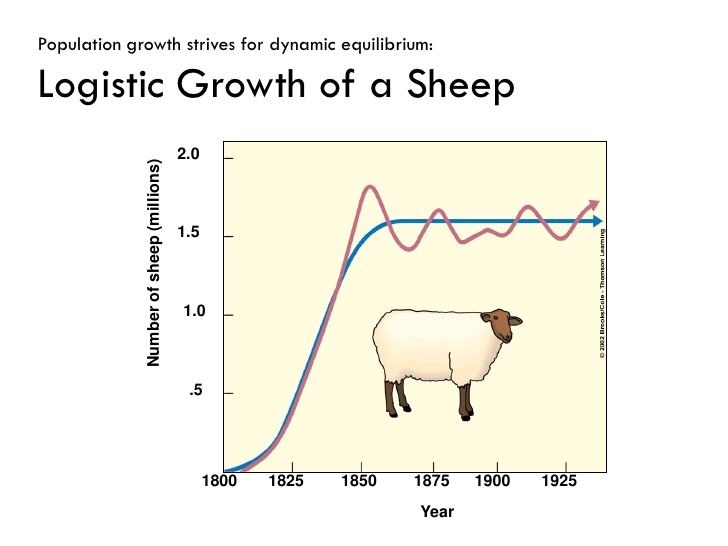
exponential growth curve
logistic growth curve

b
exponential growth
growth slows
growth stops
growth begins

logistic growth curve
exponential growth curve

An ecosystems limit of growth
carrying capacity
limiting factors
growth cap

No two species can occupy the same niche in the same ecosystem
niche divergence
competitive exclusion
competitive inclusion
participation trophy
In the 1800s rabbits were introduced for the first time into Australia. Here they had no natural predators and a plentiful food supply. What happened several years after the rabbit was introduced into Australia?
The rabbits began to overpopulate greatly.
Populations of animals competing with rabbits grew.
The rabbit population declined sharply.
New rabbit predators evolved.

A toxin that breaks down slowly is introduced into the environment through the spraying of insecticides. The toxin is very lethal when an organism receives high levels of it. Which organism in the food web is in the most danger?
Grass
Rabbit
Fox
Fish
A glacier in Alaska sweeps through leaving bare rock in its path. Which of the following will most likely be the pioneer species?
grass
lichen
insects
birds
The design of air conditioners and aerosol cans has been changed in the last few years in an attempt to reverse which ecological problem?
deforestation
freshwater pollution
hole in the ozone layer
acid rain
Primary succession in a region can take place after which of the following?
A farmer loses control of a fire in a field.
An animal herd wipes out a grassland.
A glacier slides over a large tract of land.
A tsunami washes away a shoreline ecosystem.
Poisons such as DDT build up in lakes and streams due to runoff. Then they enter the food chain. Once in living organisms, the poisons are not broken down and their concentrations increase as they are passed along the food chain.
Which term best describes this ecological phenomenon?
global warming
loss of biodiversity
biological magnification
loss of genetic diversity
Succession is the natural replacement of species that takes place in an area over time.
What is the major difference between primary and secondary succession?
Primary succession happens much faster than secondary succession.
Primary succession begins on bare rock, while secondary starts on soil.
Primary succession occurs after a minor disturbance, while secondary occurs after a major disturbance.
Primary succession is the new growth of grasses, and secondary succession is the new growth of trees.
Which of the following events would start the process of secondary succession?
A volcano erupts, spewing out lava.
A glacier slides across the land.
Lightning starts a large forest fire.
A new island forms in the ocean.
Which of the following best describes the term biological magnification?
The buildup of non-biodegradable chemicals in consumers as they are passed up the food chain
When members of a crowded population are at odds for food, water, space, and other resources
Using the earth's resources more carefully, and preserving and restoring natural habitats
When food, water, and space are limited, causing carrying capacity to be reached
The final stable community in an ecosystem at the end of succession is called the _____________.
pioneer species
climax community
primary population
carrying capacity
Natural disturbances, such as fires or hurricanes, can result in
A.parasitism.
B.competition.
C.commensalism.
D.succession.
The end result of ecological succession is usually a(n)
A.land biome.
B.aquatic biome.
C.unstable community.
D.climax community.
Which of the following is not a possible cause of ecological succession?
A. fire
B. flood
C. earthquake
D. change of season
. Which of the following is an example of primary succession?
A.lichens growing on rocks following a volcanic eruption
B.grasses growing after a forest fire
C.oak trees replacing pine trees in a forest
D. non-native species introduced into a climax community
Which of these organisms would you most expect to find on a small island that formed as a result of a volcanic two years prior?
A.climbing vines
B.hardwood tree
C.monkey
D.lichen
Which of the following describes how an abiotic factor can impact the population dynamics in an ecosystem?
A. A parasite that invades a host can reproduce and cause a decline in the host species population.
B. Organisms that compete for the same resources will keep each other from overpopulating.
C. Predators will prevent herbivores from depleting the plants and other resources in an ecosystem.
D. Seasonal variations in temperature can cause some of the individuals in a population to die.
How is primary succession different from secondary succession?
Primary succession starts with soil.
Secondary succession start with bare rock.
Primary succession starts with bare rock, with lichens and moss.
Fire is an example of primary succession.
Examples of Abiotic Factors include:
Weather, birds, plants, and animals
Rocks, reptiles, shrubs, trees, and grasses
Weather, wind, rain, sunlight, and rocks
Birds, plants, animals, reptiles, shrubs, trees, and grasses
Several years after a building had been torn down and the ground cleared, grasses began to grow in that area. After 10 years, small bushes replaced the grasses. This pattern of plant growth is known as:
Biological
control
Cover cropping
Ecological
succession
Land-use
management
A volcano in a mountainous, wooded region erupts, spewing tons of ash and destroying the forested area around the volcano. If the volcano remains dormant during
the next 1000 years, what will probably happen?
The area will be repopulated by trees, eventually becoming a
forest again.
The mountains will erode and remain without life.
The area will remain unchanged, covered by volcanic ash.
The area will turn into a completely different habitat, such as
desert of plains.
How has the invasion of pythons effected the everglades ecosystem in terms of species numbers?
The pythons could upset the territorial boundaries of native organisms.
The pythons could adapt to overcome diseases common to native snakes.
The pythons could prey on native organisms and cause native populations to decline.
The pythons could begin to interbreed with native snakes and produce a more successful species.
Scientists found, that over a period of 200 years, a mountain pond was transformed into a meadow. During that time, several communities of organisms were replaced by different communities. Which of these best explains why new communities were able to replace older communities?
A.The original species became extinct.
A.Species in the older community died from old age.
A.The abiotic characteristics of the habitat changed.
A.Diseases that killed the older organisms disappeared.
Which is a natural cause of
ecosystem change?
A. Farming
B. Building fences
C. Pollution
D. Hurricane
Which of the following best
describes biodiversity
A. a diverse Biology class
B. variety of all life on earth
C. a variety of plants
D. a variety of animals
Abandoned railroad tracks are overgrown with weeds. Ten years later there are small aspen trees growing in the middle of the tracks. This change is an example of:
Primary succession
Biological evolution
Secondary succession
Heterotrophic nutrition
Which of the following is not a result of climate change partially caused by burning fossil fuels?
Leaves changing color in the fall months.
Caribou not being able to receive food for their young because of an earlier spring season.
Ice melting in the polar regions, causing polar bears to drown.
Acid rain falling on homes and buildings.


______________ means moving into a population.
Immigration
Emmigration
Plantation
Repopulation

