
 Worksheets
Art Room Safety
Total questions: 12
Worksheet time: 6mins

It is a School rule not to eat in the classroom. You are allowed to drink water though in most classrooms. You are not allowed to do so in the Art classroom. What is the most important reason why?
possible cross-contamination between the materials and your water.
you might be tempted to mix your water with paints and spoil them.
you might take a sip of water and spill it on your artwork.
oil paints and water should never mix.
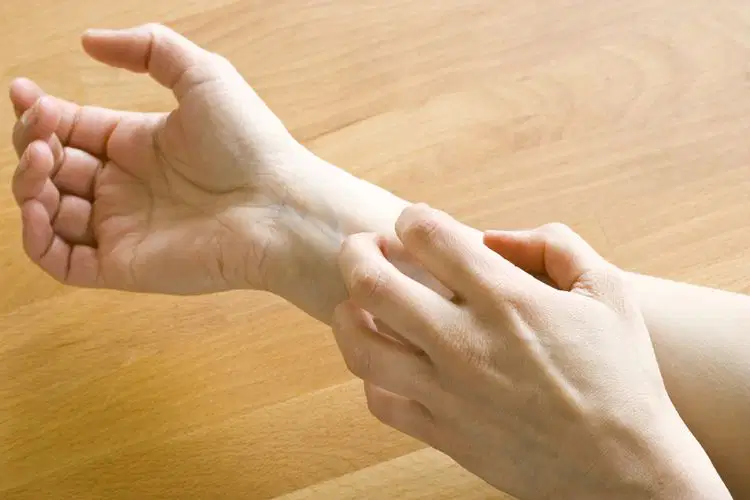
You are using a non-toxic product in the Art classroom. Some of the product is on your hands and you notice that area is turning red and a rash is developing. You are also feeling a burning sensation. What immediate action should you take?
yell out to someone to call the ambulance.
run the affected area under cold water and alert your teacher.
yell out to the teacher and tell them you are burning.
tell a friend and ask them to rub it

What can you safely do with non-toxic paints and materials in the Art classroom?
taste them
smell them
use them for their intended purpose
all of the above

Your teacher has approved the use of a Stanley knife for the lesson. You have to report to the teacher desk to collect your Stanley knife. How should you carry the knife back to your workspace?
With the knife pointed towards you so one else gets hurt.
With the knife blade retracted and the grip pointed away from you so you don’t get hurt.
With the knife blade retracted and the grip parallel to your thigh.
All of the above are safe carrying options.

You need to cut paper to produce your assigned piece of artwork. What is the safest way to do so?
a Stanley knife
a paper guillotine
a pair of scissors
Cutting paper is too dangerous. You should never do it in an Art classroom.

There is a spill on the floor. What should you do?
Nothing. Not my problem
Put something over it
Clean it up immediately with a cloth or mop
Tell the teacher

How do you clean a desk or bench
Broom it off
With a dry cloth
With my hand
With a damp cloth
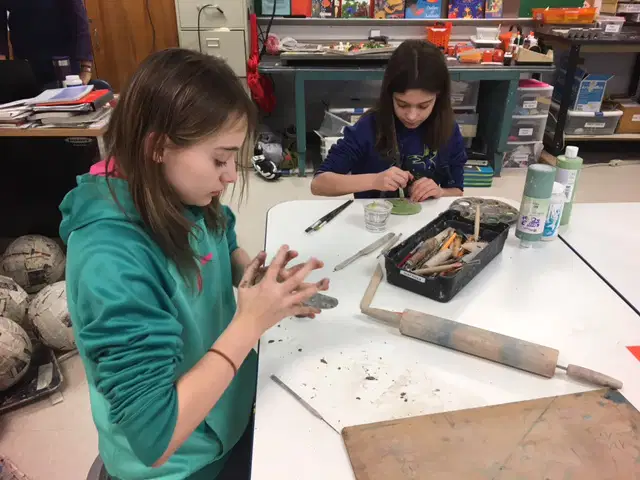
What must happen if you sustain an injury in the Art classroom (no matter how minor)?
you must inform the teacher and he/she must complete a school Accident Report
you must be checked out by a doctor
you must be checked out by a doctor
the principal must be informed
What do most unsafe acts have in common?
they involve using equipment or materials incorrectly
they involve fooling around
they involve not reading the instructions
they involve messy worksites
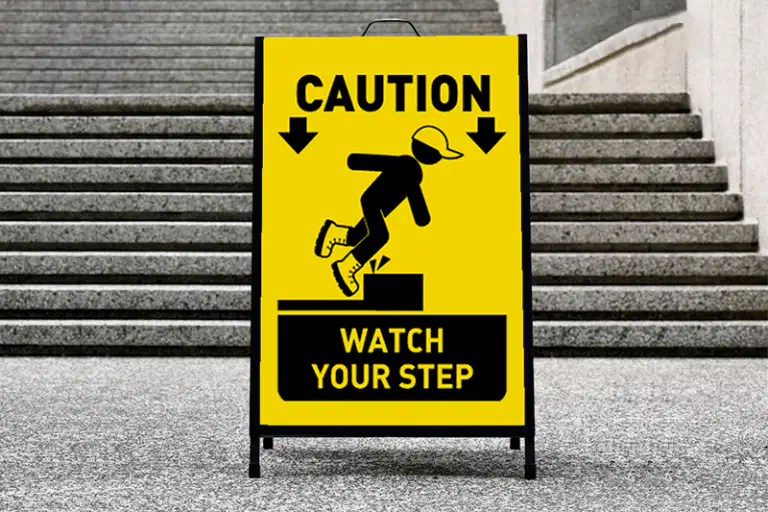
What is the closest meaning to the word prevention?
an injury or accident
taking a course on Workplace Health and Safety
the action of stopping something from happening or arising
to be careless or ill-informed
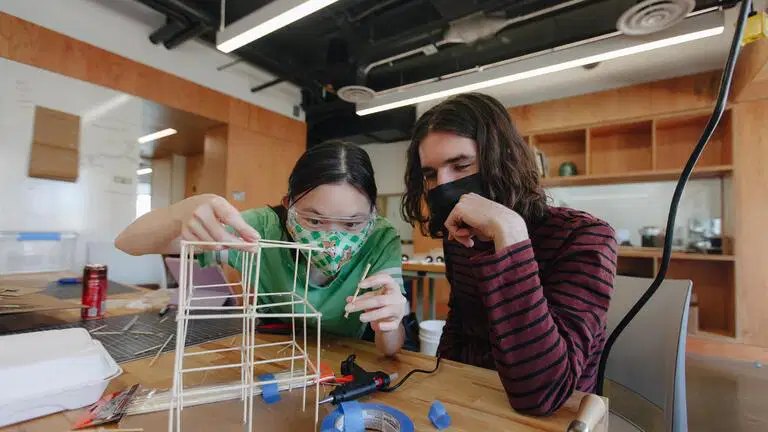
When using a machine (like a glue gun) what is the first thing you need to know about it?
how to turn it off
how to turn it on
what work it does
safety instructions for use
What are the four golden rules in any practical classroom at this School?
If you drop it, pick it up.
If you spill it, wipe it up.
If you open it, close it.
Always concentrate.
All of the above

