wayground logo

Free Printable Worksheets

Font size

S
M
L
XL
Worksheets

9WKS COMPREHENSIVE EXAM

Total questions: 125

Worksheet time: 3hrs 7mins

Name
Class
Date
1.
A sphere of very hot metal at the center of Earth is called the _____________.
a)
inside
b)
inner
c)
core
d)
oven
2.
The ____________ is a thick, rocky layer around the core.
a)
mantle
b)
outside
c)
magma
d)
equionx
3.
The layer of rocks and minerals that surrounds the mantle is called the ____________.
a)
outside
b)
crust
c)
erosion
d)
weathering
4.
_____________ is a process that breaks rocks down into tiny pieces.
a)
Weathering
b)
erosion
c)
jetstream
d)
mudflow
5.
_____________ is the process of depositing, or dropping, eroded material.
a)
Deposition
b)
erosions
c)
sustain
6.

________ are seams in Earth’s crust.

a)

faults

b)

mantle

c)

core

d)

crust

7.
Molten rock
a)
lava
b)
magma
c)
metal
8.
_____________ is a process involving huge blocks of Earth’s crust and upper mantle.
a)
tectonic plates
b)
Plate tectonics
c)
lava
d)
stream
9.
________process in which water, ice, or wind remove small pieces of rock and move them somewhere else.
a)
sediment
b)
weathering
c)
erosion
d)
chemical
e)
10.
is the study of the human and nonhuman features of Earth, our home planet.
a)
Geography
b)
World History
c)
Science
11.
Geographers try to answer two basic questions
a)
Where are things located? and Why are they there?
b)
Who did it? How long did it take?
c)
Where did they go? Who found it?
12.
List the Cardinal Directions
4 lines
13.
List the Intermediate Directions
4 lines
14.
a line drawn around Earth halfway between the North and South Poles. And marks zero degrees (0°) of latitude.
a)
equator
b)
prime meridian
c)
axis
15.
The lines of ________ runs North and South of the equator
a)
longitude
b)
latitude
c)
prime meridian
d)
equator
16.
The lines of ________ runs East and West of the Prime Meridian
a)
equator
b)
latitude
c)
longitude
d)
axis
17.
List the 5 Themes of Geography
18.
Describes a place exact location on the earth
a)
absolute location
b)
specific
c)
relative
d)
back there
19.
Location of a place relative to another
a)
relative location
b)
absolute location
c)
specific
d)
over there
20.
The creation of a dam in a river is an example of human-environment interaction.
a)
true
b)
False
21.
The geography theme of movement explores how and why people, goods, and ideas move from one place to another.
a)
true
b)
False
22.
A _________ is an area with at least one unifying physical or human feature such as climate, landforms, culture, or history.
a)
region
b)
state
c)
county
d)
country
23.
If you talk about how many people live in a particular place and the kinds of work they do - this is an example of which theme of geography
a)
movement
b)
region
c)
place
d)
location
24.

What are two tools do geographers use to study the earth's surface

a)

maps and globes

b)

labels and circles

c)

protractor and red flags

d)

ruler and eraser

25.

What are the basic parts of a map?

26.
This map shows countries, states, or boundaries
a)
physical
b)
political
c)
road map
27.
This map shows landforms, mountains, hills, physical features
a)
political
b)
physical
c)
road map
28.
1. Water is an example of what type of resource
a)
fossil fuel
b)
natural resource
c)
nonrenewable
29.

Renewable resources cannot be replaced.

a)

True

b)

False

30.
4. After learning about the types of resources, which one is made from plants and animals.
a)
Renewable
b)
nonrenewable
c)
natural
d)
water
31.
5. Read the sentence carefully, chose the sentence that uses the vocabulary word correctly.
a)
It is a natural resource to have juice and milk in the morning for breakfast.
b)
Water, which is a natural resource, can come from springs too.
c)
Julia had a natural resource to the medication.
32.
1. Where does energy needed for the Water Cycle come from?
a)
moon
b)
stars
c)
sun
33.
2. What is the process called when water vapor becomes liquid water?
a)
Precipitation
b)
Evaporation
c)
Condensation
d)
Transpiration
e)
collection
34.
3. What is it called when water falls from the atmosphere to the earth?
a)
collection
b)
condensation
c)
evaporation
d)
precipitation
e)
transpiration
35.
3. "It has not rained this month."
a)
WEATHER
b)
CLIMATE
36.
4. "Typically the rainfall in June is less than one inch."
a)
WEATHER
b)
CLIMATE
37.
5. "The sky looks cloudy."
a)
CLIMATE
b)
WEATHER
38.
6. The temperature around glaciers over a period of years has stayed consistent"
a)
CLIMATE
b)
WEATHER
39.
7. The yearly rainfall in the rainforest is between 50-260 inches."
a)
CLIMATE
b)
WEATHER
40.
8. "This week's high temperature is 70 degrees."
a)
CLIMATE
b)
WEATHER
41.
9. "Tomorrow it will be cold and rainy."
a)
WEATHER
b)
CLIMATE
42.
10. "It usually snows in January."
a)
WEATHER
b)
CLIMATE
43.
11. "Tennessee has hot and humid summers."
a)
CLIMATE
b)
WEATHER
44.
12. "This weekend is supposed to be sunny."
a)
WEATHER
b)
CLIMATE
45.
13. Climate and weather are the same
a)
True
b)
False
46.
14. A climate graph shows how much rainfall a place had in a year.
a)
True
b)
False
47.
15. Weather is the state of the atmosphere at a particular time.
a)
true
b)
false
48.
16. Climate is the typical state of the atmosphere over a long period of time.
a)
true
b)
False
49.
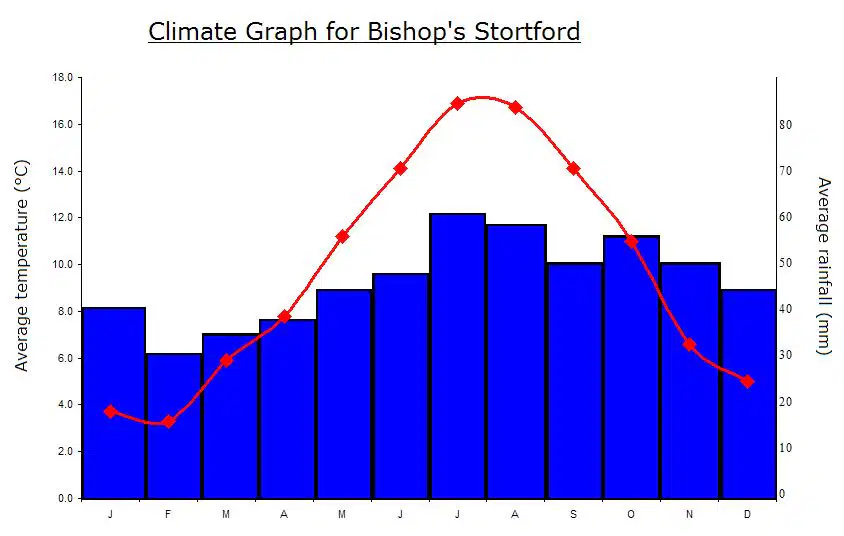
17. What kind of graph is in the image below
a)
climate graph
b)
line graph
c)
spreadsheet
50.
18. A thermometer is a device used to measure what?
a)
water
b)
rain
c)
temperature
51.
19. What is the name of a scientist who studies weather?
a)
scientist
b)
meteorologist
c)
nurse
52.
20. An ________ is a group of plant sand animals that depend on one another and their environment for survival.
a)
biome
b)
ecosystem
c)
colony
d)
city
e)
county
53.
21. What are the three types of ecosystems:
a)
forest, grassland, and cold climate types.
b)
tundra, ice cap, tropics
c)
grasslands, swamp, desert
54.
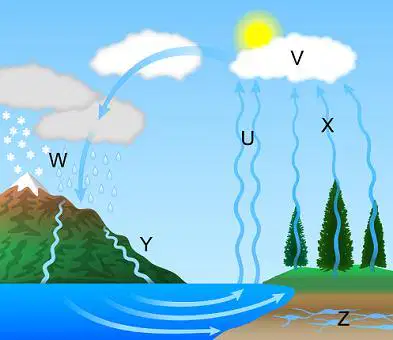
22. Which process is taking place U AND X
a)
percipitation
b)
condensation
c)
collection
d)
evaporation
55.
23. What process is taking place W
a)
evaporation
b)
transpiration
c)
condensation
d)
collection
e)
percipitation
56.
24. Altitude is
a)
below sea level
b)
height above sea level.
c)
equal
57.
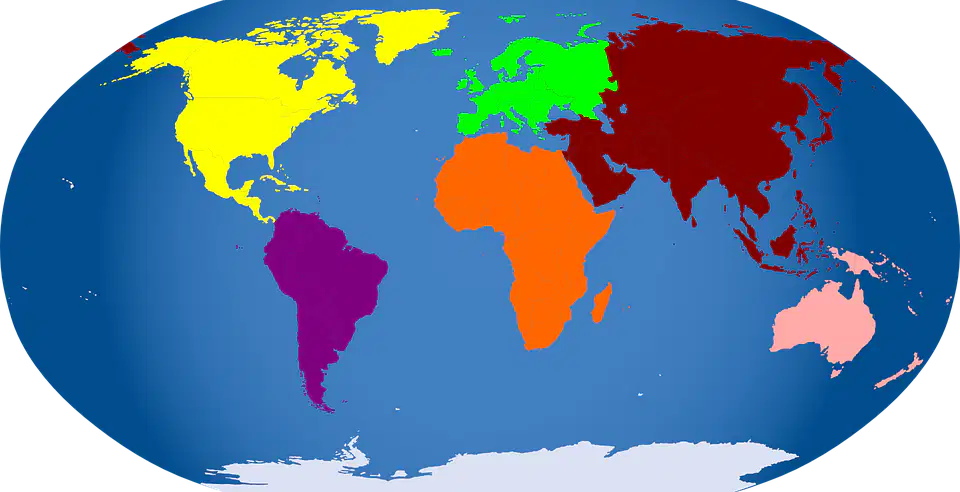
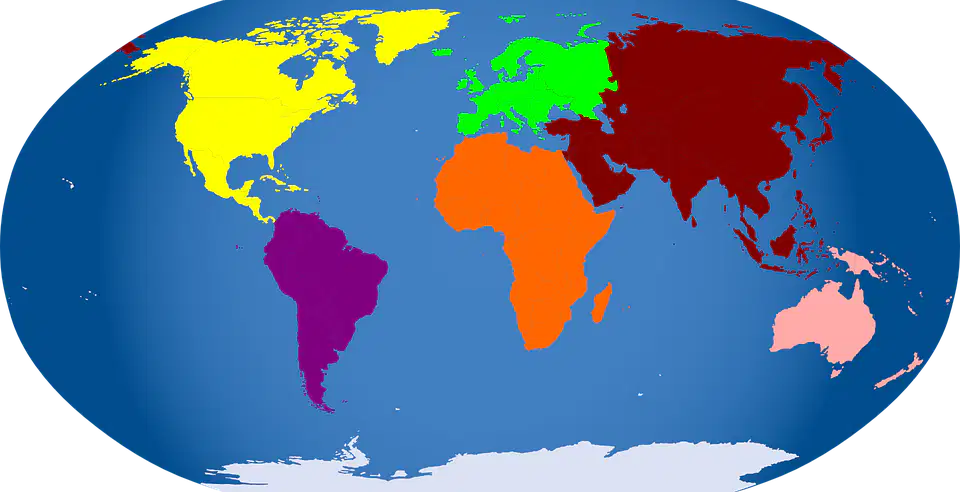
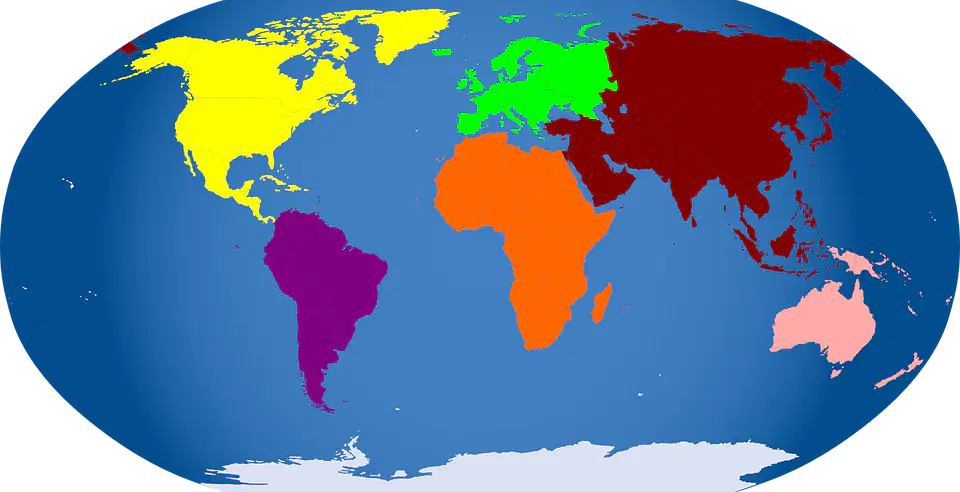
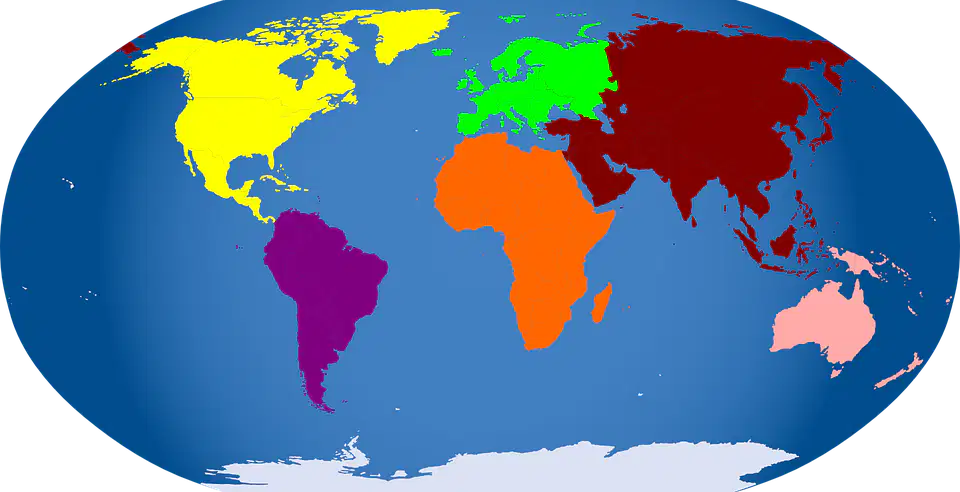
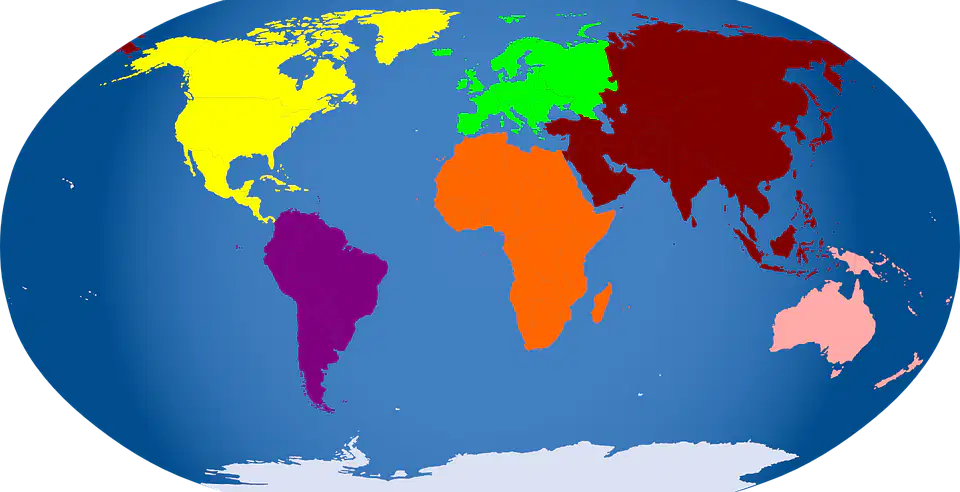
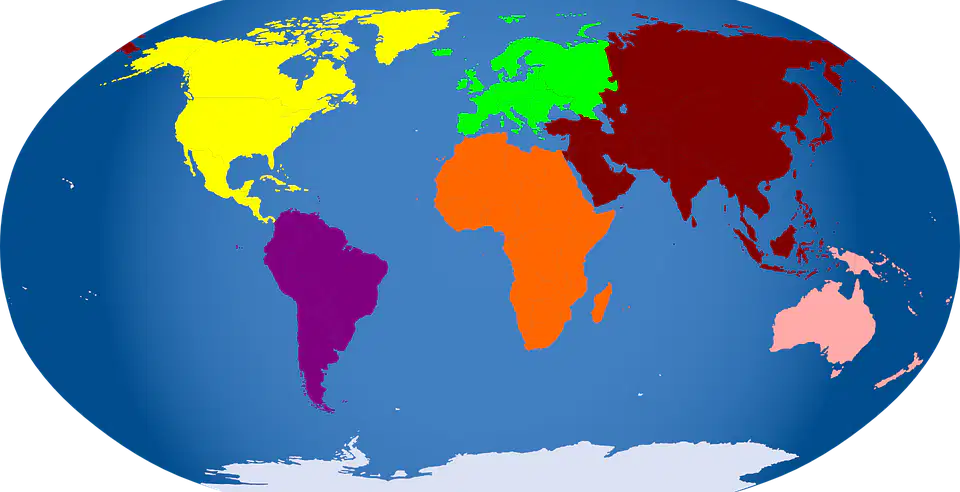
Label the Purple continent
a)

Antarctica

b)

south America

c)

Asia

58.
Label the GRAY continent
a)

North America

b)

Europe

c)

Australia

d)

Antarctica

59.
Label the BURGUNDY continent
a)

Africa

b)

Europe

c)

Asia

d)

Australia

60.
Label the YELLOW continent
a)

Australia

b)

North America

c)

south America

d)

antarctica

61.
Label the GREEN continent
a)

Asia

b)

Africa

c)

Europe

d)

Australia

62.
Label the ORANGE continent
a)

north America

b)

south America

c)

Asia

d)

Europe

e)

Africa

63.
Label the PINK continent
a)

Europe

b)

Asia

c)

North America

d)

Australia

64.

Latitude and Longitude are measured in

a)

degrees

b)

inches

c)

miles

d)

kilometers

65.
Lines of Longitude run from the _____ to the ______.
a)
East, West
b)
North, South
c)
South, East
d)
North, West
66.
Lines of ______ measure how far from the equator a place is located?
a)
Longitude
b)
Latitude
67.
The invisible line at 0 degrees latitude is called the ________. 
a)
International Date Line
b)
Prime Meridian
c)
Equator
d)
Arctic Circle
68.

The equator divides the Earth into what two hemispheres?

a)

Eastern and Southern

b)

Northern and Southern

c)

Western and Eastern

d)

Northern and Western

69.
The Prime Meridian separates the Earth into what two hemispheres?
a)
Northern and Southern
b)
Western and Eastern
c)
Northern and Eastern
d)
Southern and Western
70.
Lines of latitude are also called  __________.
a)
hemispheres
b)
Parallels
c)
Meridians
d)
Tropics
71.
Lines of longitude are also called  ____________.
a)
Hemispheres
b)
Meridians
c)
parallels
d)
International Date Lines
72.
Cardinal directions
a)
NE, SE, NW, SW
b)
N, S, E, W
73.
Intermediate directions
a)
N, E, S, W
b)
NE, SE, NW, SW
74.
What is movement?
a)
Tells us how people, goods, recourses, and ideas move from one place to another
b)
Tells us what makes an area special and what makes it different from every other area
c)
Tells us ways in which the places in an area are alike.
75.
What places have in common: This groups these places together.
a)
Region
b)
Place
c)
Movement
d)
Landform
76.
Cutting down trees to build houses is an example of which?
a)
Location
b)
Place
c)
Human-Environment Interaction
d)
Movement
77.
Canada is north of the United States
a)
Location
b)
Place
c)
Region
d)
Movement
78.

A ___ is half the earth.

a)

degree

b)

line of longitude

c)

line of latitude

d)

hemisphere

79.

How many branches are there in the United States government?

a)

3

b)

4

c)

5

d)

6

80.

This branch has the Senate and the House o' Representatives.

a)

Legislative

b)

Executive

c)

Judicial

d)

Supreme Court

81.

This branch has the President, Vice-President and the cabinet advisors.

a)

Legislative

b)

Executive

c)

Judicial

d)

Supreme Court

82.

This branch has the Supreme Court and the 9 justices.

a)

Legislative

b)

Executive

c)

Judicial

d)

Congress

83.

Which branch is responsible for writing the laws?

a)

Legislative

b)

Executive

c)

Judicial

d)

Supreme Court

84.

Which branch can veto laws?


Which branch can veto laws?

a)

Legislative

b)

Executive

c)

Judicial

d)

Congress

85.

Which branch can declare a law unconstitutional?

a)

Legislative

b)

Executive

c)

Judicial

d)

Congress

86.

The Judicial Branch can do ALL of these except ~ mark ALL that the Judicial Branch CAN do.

a)

Declare laws unconstitutional

b)

Write laws

c)

Interpret laws

d)

Appoint judges

87.

The Legislative Branch can do ALL of these except ~ mark ALL that the Legislative Branch CAN do.

a)

Write laws

b)

Override a veto

c)

Interpret laws

d)

Declare war

88.

The Executive Branch or the President can do all of these EXCEPT ~ mark ALL answers that the President CAN do.

a)

Sign laws

b)

Make treaties

c)

Appoint federal judges

d)

Declare war

89.

Which branch serves as the Commander-in-Chief of the Armed forces?

a)

Legislative Branch

b)

Executive Branch

c)

Judicial Branch

d)

Congress

90.

Which branch can levy (make) and collect taxes?

a)

Legislative

b)

Executive

c)

Judicial

d)

Presidential Cabinet

91.

Who appoints Supreme Court justices?

a)

Senators

b)

Members o' the House o' Representatives

c)

President

d)

Sheryl from down the street

92.

How long is a Presidential term?

a)

2

b)

4

c)

6

d)

Forever

93.

What are the 3 branches of Government?

a)

Executive, Constitution,

State legislature

b)

Legislative, Executive, Judicial

c)

Civil, Criminal, and Local

d)

Federal, State, and local

94.

What does the President in the Executive Branch do?

a)

Enforces the laws

b)

Interpret the laws

c)

Makes the Laws

95.

Who is in the Legislative Branch?

a)

Congress- the House of Representatives and Senators make the laws

b)

The judges- so that they can interpret the laws

c)

The president so that he or she can enforce the laws

96.

What is Congress?

a)

Congres is all the House of Representative members and Senators that make the laws

b)

Congress is a part of the Judicial branch

c)

Congress is the name for the heads of all the departments that advise the President

97.

What does the Legislative Branch do?

a)

This branch makes the Laws. This branch has Congress- House of Representatives and Senators.

b)

This branch enforces the laws and the President is in this branch.

c)

This branch is the court system and they interpret the laws.

98.

What does the Judicial branch do?

a)

The Judicial branch is the law making body of government. They create laws.

b)

The Judicial Branch enforces the laws. They are also in charge of the military.

c)

The Judicial branch interprets the laws. They have the power of judicial review. They decide if laws are adhering to the Constitution.

99.

Why do we have 3 branches of government in our Federal/National government?

a)

Because we were afraid the government would be too strong, and we wanted a balance of power. This idea came to us from Montesquieu whom believed in separation of powers.

b)

We created 3 branches because we liked the number 3. We believe this is a lucky number for our government.

c)

We created 3 branches because we wanted a very powerful government with full control of the people.

100.

What is the name of the building where Congress(Representatives/Senators-Legislative Branch) meet?

a)

The Federal Reserve

b)

The Whitehouse

c)

The US Capitol

101.

What are the 10 amendments added to the Constitution known as?

a)

The Rights of Law

b)

The Specific Rights

c)

The Bill of Rights

102.

Executive branch

a)
b)
c)
103.

The first 3 words in the Constitution are...

a)

I the King

b)

We the Congress

c)

We the People

104.

Who is our president

a)

Joe Biden

b)

Donald Trump

c)

Mike Pence

d)

Barack Obama

105.

How many people are in the senate?

a)

100

b)

50

c)

500

d)

25

106.

Which of the building represents the Legislative Branch?

a)
b)
c)
d)
107.

A ___________ is an idea that can be turned into a law.

a)

testimony

b)

bill

c)

scratch paper

d)

letter

108.
To make sure that no one branch of the government would become too strong, the writers of the Constitution built in a series of _______________.
a)

Checks and Balances

b)
Scales and Weight
c)
Rights and Wrongs
d)
True and Flase
109.

How many justices are there on the Supreme Court?

a)

5

b)

7

c)

9

d)

100

110.

A change to the Constitution is called an (a)   .

111.

A change to the Constitution is called an (a)   .

112.

Name two main ways to be a citizen by birth

4 lines
113.

What is a right that ONLY citizens have?

a)

Vote

b)

Work

c)

Attend school

d)

Own property

114.
The basic rights and freedoms of American citizens are listed in the--
a)
Declaration of Independence
b)
Articles of Confederation
c)
Rights of Englishmen
d)
Bill of Rights
115.
Which amendment protects five basic freedoms: speech, religion, press, petition, and assembly?
a)
First
b)
Second
c)
Third
d)
Fourth
116.
Which of the following is NOT a responsibility of citizenship?
a)
Respecting the law
b)
Paying taxes
c)
Donating to charity
d)
Supporting the Constitution
117.
Which of the Following do Citizens have to do?
a)
Register and Vote
b)
Hold Elective Office
c)
Keep Informed
d)
Pay Taxes
118.
How many ways are there to become a United States Citizen? 
a)
1
b)
2
c)
3
d)
4
119.
What is the process of becoming a Citizen to the U.S.?
a)
Immigration
b)
Naturalization
c)
Emmigration
d)
Patriotism 
120.
What must people be able to do in basic English to become a citizen? 
a)
Read
b)
Write
c)
Speak
d)
All of the Above
121.
What Amendment deals with Citizenship? 
a)
1st
b)
5th
c)
14th
d)
2nd
122.
What information IS NOT tested on the Naturalization test?
a)
US History 
b)
US Government 
c)
Basic English
d)
Science
123.
Holding a meeting to discuss support of a Politician is an example of: 
a)
Freedom of Religion
b)
Freedom of the Press
c)
Freedom of Assembly 
d)
Freedom of Petition 
124.
Seperation of Church and State is an example of what first Amendment freedom?
a)
Speech
b)
Assembly
c)
Religion
d)
Press
125.
The things that citizens are required to do in order to not face legal consequences are called:
a)
Responsibilities 
b)
Duties
c)
Rights
d)
Liberties