
 Worksheets
Unit 7 Renaissance Final Review
Total questions: 93
Worksheet time: 49mins
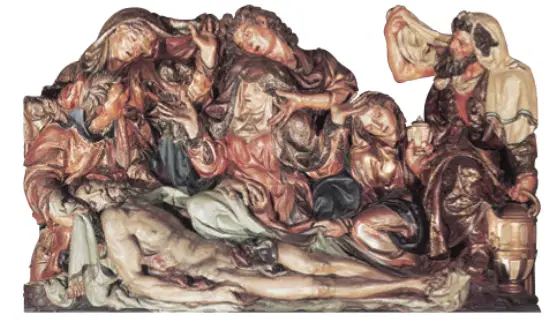
Spanish sculpture usually showed (a) themes

The Renaissance in Spain thrived under
(a)
Why didn't the Renaissance begin under the Catholic Monarchs (2 answers)
They didn't have enough money to pay the artists
They were more concerned with exploration than financing art
They were extremely religious and the renaissance was too secular
They were more interested in Gothic Art
Spanish Sculpture during the Renaissance focused on (3 answers)
Beauty
Color
Religious
Causes religious emotions that led to spirituality
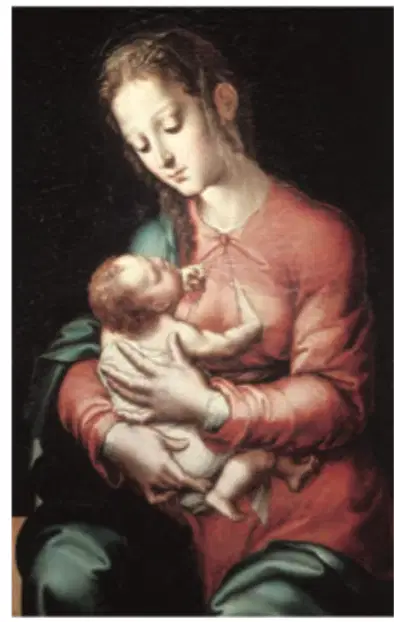
What was the main characteristic of Spanish renaissance painting?
It was extremely religious
It was inspired by nature
It focused on geometric patterns
It used abstraction and symbolism to create a sense of beauty

"El Entierro del Conde de Orgaz" is a work that expresses the relationship between . . .
the secular and the religous
the natural and the supernatural
the cheap and the expensive
the famous and the unknown
the gothic and the renaissance world of art
El Greco was part of which artistic movement in Spain?
Realism
Barroque
Renaissance
Gothic
Which arcitectural technique is characterized by extremely detailed ornamental that are applied to the surface of a building for a decorative effect?
Classical
Plateresque

Which architectural technique is characterized in this image?
Classical
Plateresque

Which architectural technique is characterized in this image?
Classical
Plateresque

A structural horizontal block that spans the space between two vertical supports is a
column
lintel
Which Italian artist influenced Spanish sculpture?
Michelangelo
Raphael
Da Vinci

Characters in El Greco's artwork were
elongated and fantastical
proportional and muscular
religious and proportional
elongated and historical
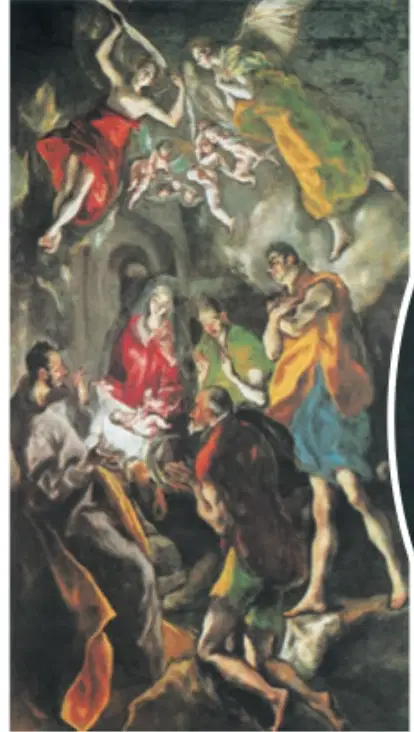
The figures in this painting from El Greco are (2 answers)
elongated
fantastical
proportional
idealized
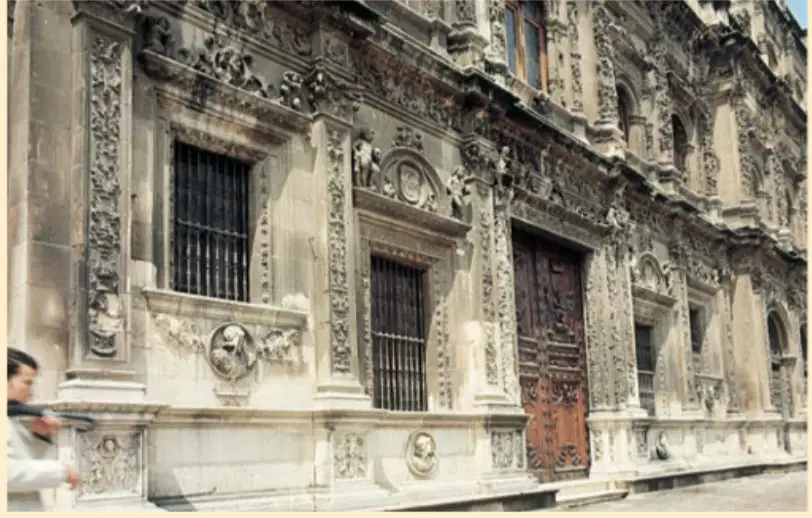
The facade of City Hall in Seville best demonstrates _____________ architecture
Plateresque
Classical
Flemish painters developed their own styles in the 16th century. They were characterized as being detailed and
(a)
Why was the Renaissance quickly accepted in France?
King Francis I gave support to Italian artists
France was the only country interested in Italian art
French artists invented the renaissance style
France was the only country wealthy enough to support it

This painting is from
Flanders
Germany
France
Which of the following places featured the most SECULAR art during the Renaissance?
Germany
Italy
France
Flanders

What are signs of wealth in this portrait? (2 answers)
The mirror in the background
The oranges on the left hand side of the canvas
The fancy bed on the right hand side of the canvas
The sunshine in the background
The rosary beads in the background
What are signs of religion in this portrait?
The mirror in the background
The oranges on the left hand side of the canvas
The fancy bed on the right hand side of the canvas
The sunshine in the background
The rosary beads in the background
France's major contribution to the Renaissance was through
paintings
sculpture
poetry
architecture

How can we tell this is a renaissance castle? (3 answers)
It is on high ground
It is on flat ground
It is organized
It is elegant
It shows military power

Medieval Castles were meant to
Show military power
Provide refugee during times of war
Demonstrate artistic achievement
They were a symbol of elegant style
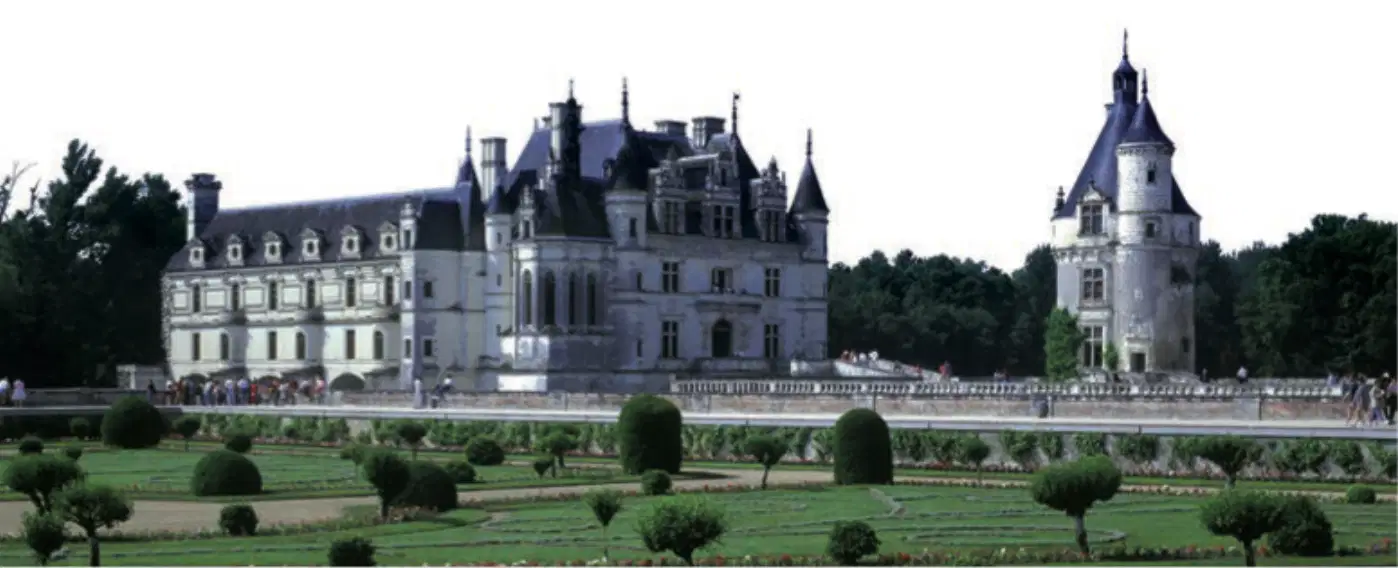
Renaissance Castles were meant to (2 answers)
Show military power
Provide refugee during times of war
Demonstrate artistic achievement
They were a symbol of elegant style

Which of the following places would you most likely find landscapes and portraits during the Renaissance?
Germany
Italy
France
Flanders
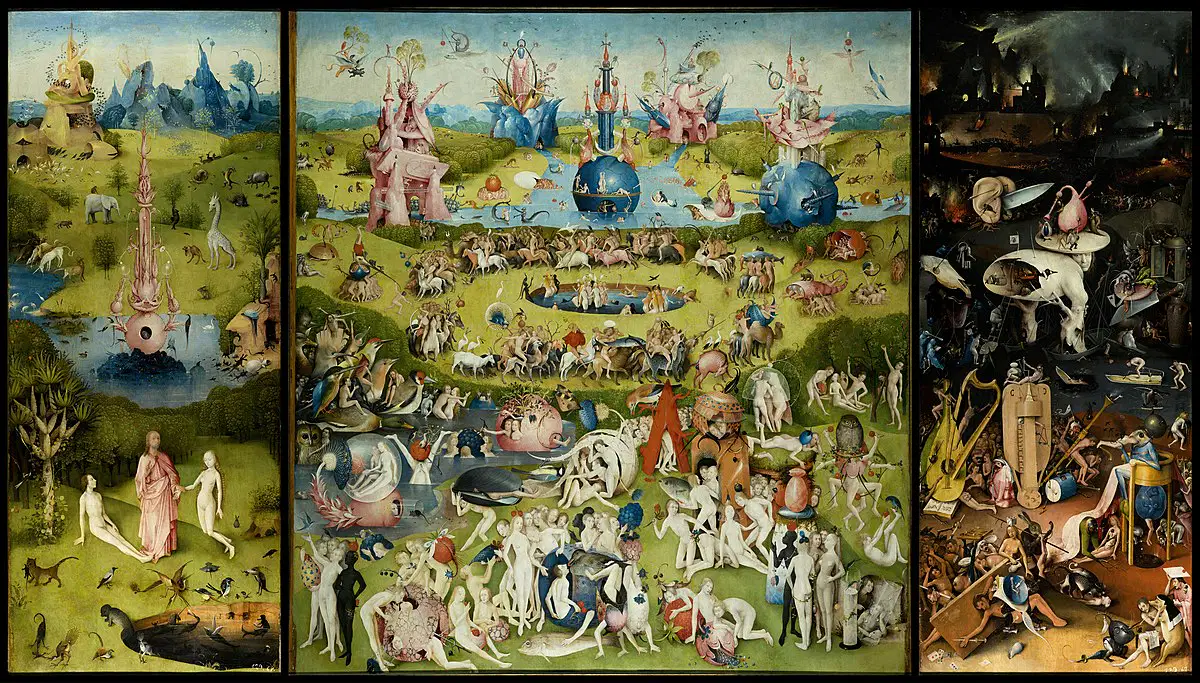
How does this image show a secular take on religion? (two answers)
It depicts Adam and Eve exactly as it occurred in the Bible
It demonstrates the artist using his secular imagination in regards to the Garden of Eden
It demonstrates people giving it to temptation in the Garden of Eden
It shows renaissance organization, elegance and balance

This painting is from
Flanders
Germany
France
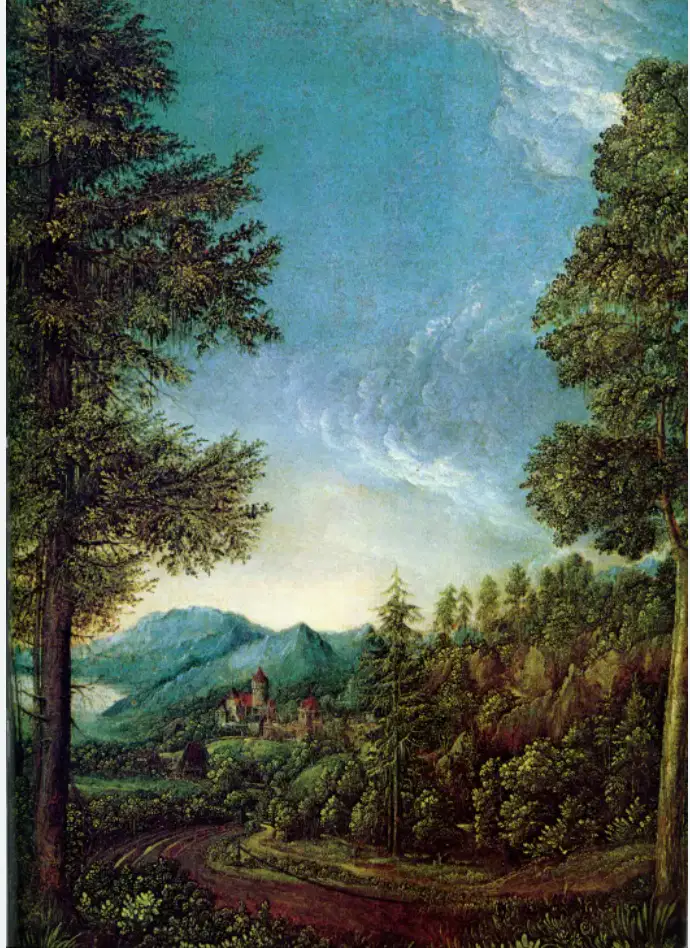
This painting of a landscape is from
Flanders
Germany
France
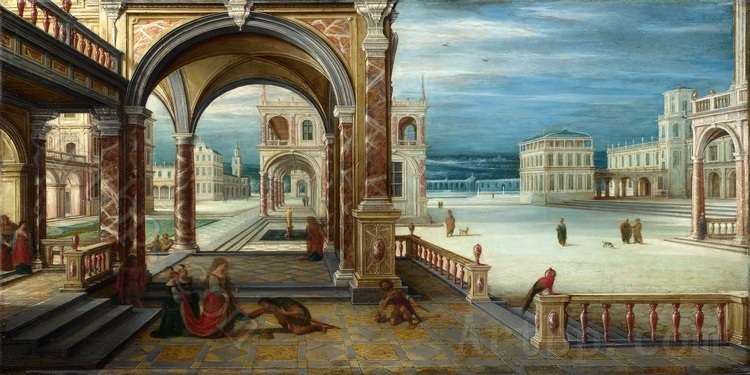
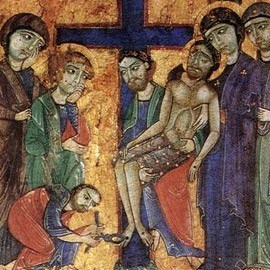


Where did the Renaissance BEGIN?
Italy
France
Spain
Germany

Which artist sculpted "David" out of marble?
Donatello
Leonardo da Vinci
Michelangelo
Raphael

When did the Renaissance take place?
14-16th centuries
15-17th centuries
12-13th centuries
17-18th centuries

What contributed to/from the Renaissance?
Political stability and prosperity
Discovery of new continents
"Rebirth" of classical learning and values
Invention of the printing press
Intellectual movement based on the study of grammar, poetry, philosophy, history, etc
psychiatry
liberal studies
humanism
secularism
What does Renaissance mean?
quest for knowledge
rebirth
tool
wise times

Society became more as people
Became more secular and less religious.
(a)

During the age of humanism became a
courtier
knight
educated, refined warrior interested in music, letters, and art.
educated
illiterate
interested in letters, art, and music
interested in letters, art and music
interested in hunting, wrestling,
Nobles and Merchants in Italy became _____ of great sculptors and painters. Led to a shift for Gothic art to Renaissance art.
patrons
nobles
warriors
enemies
Who financed the artists of the Renaissance in the Cuattrocento?
Merchants
Urban Patricians
Catholic Church
Who started to finance the artists of the Renaissance in the Cinquecento?
Merchants
Urban Patricians
Catholic Church
Where did the Renaissance thrive in the Quattrocento?
Florence
Rome
Seville
Paris
Where did the Renaissance thrive in the Cinquecento?
Florence
Rome
Seville
Paris
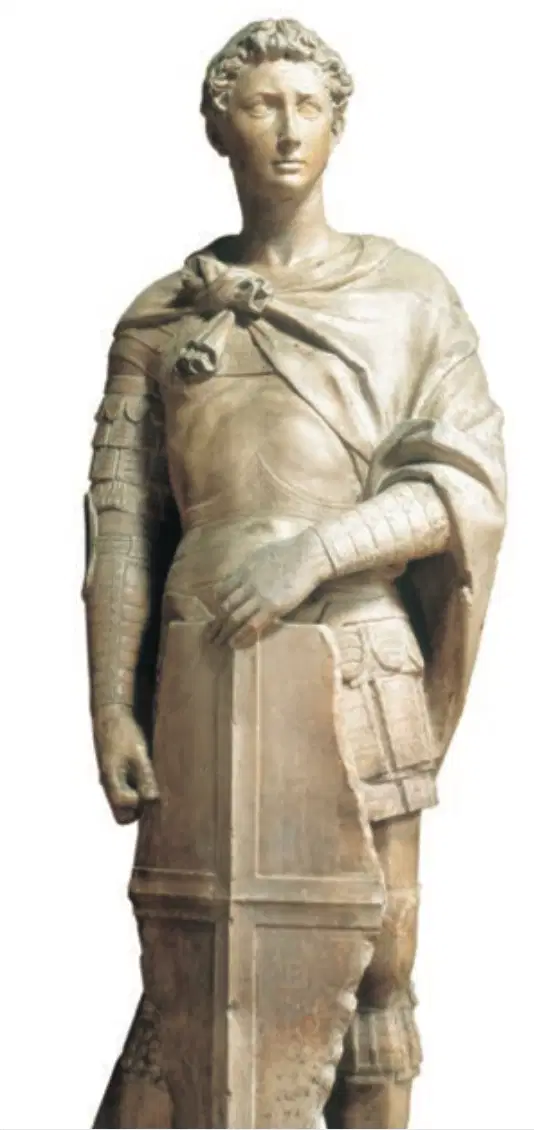
Which era followed the classical style of a young, educated warrior (courtier)
Quattrocento
Cinquecento
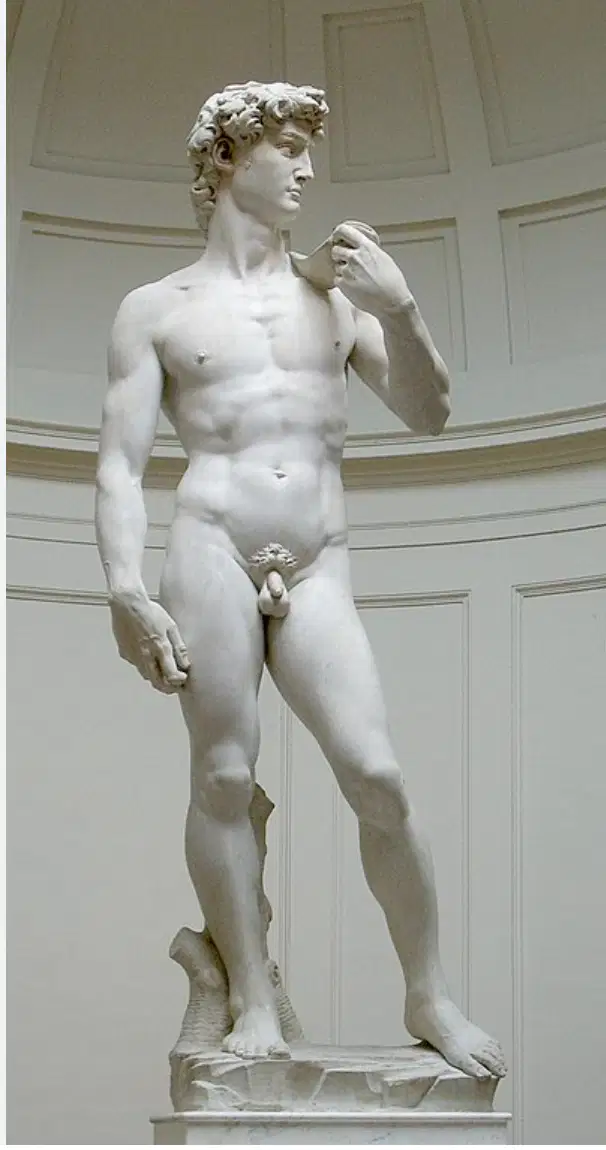
Which era had greater interest in the mastery of human anatomy?
Quattrocento
Cinquecento
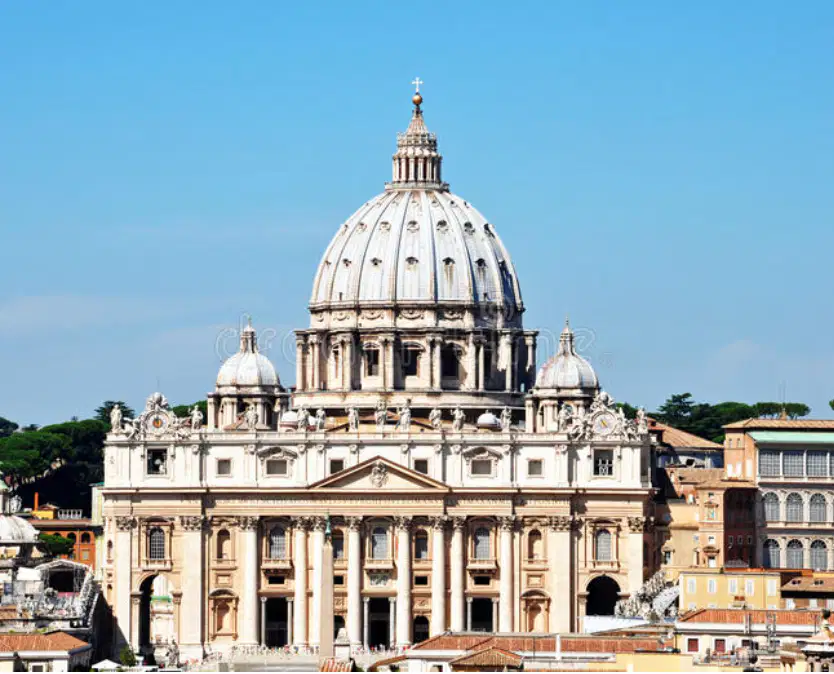
Which era had more sophisticated domes with frescoes in the interior?
Quattrocento
Cinquecento

Which era had paintings with more interest in movement and in total mastery of colors and lighting?
Quattrocento
Cinquecento
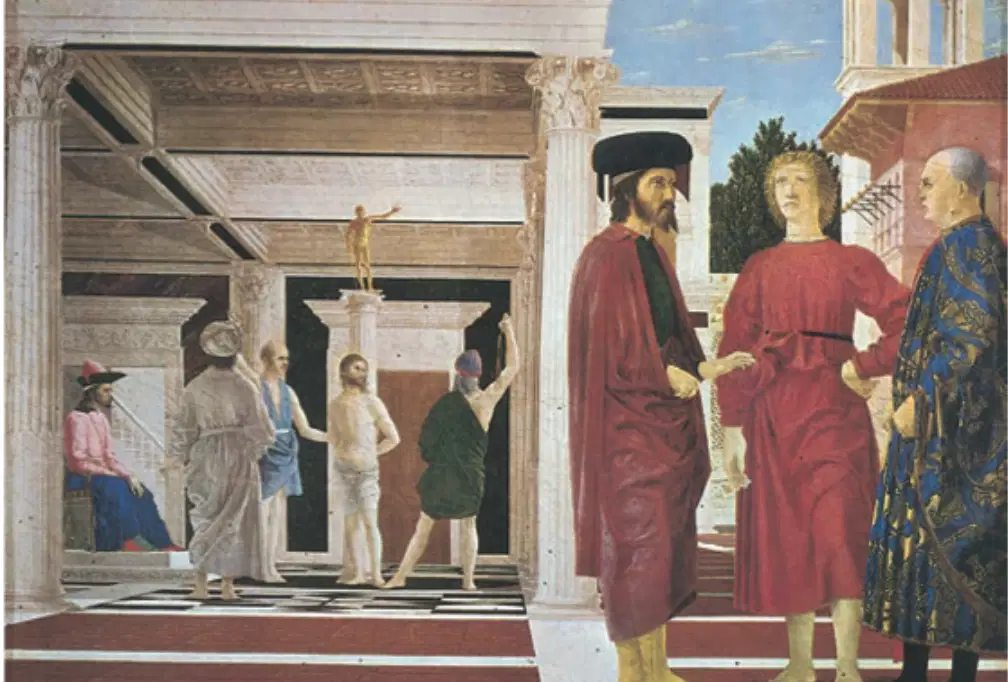
Which era had paintings characterized by the use of perspective, representations of nature, and human feelings
Quattrocento
Cinquecento

Which era's architecture focused on proportion and was inspired by Ancient Greeks and Romans?
Quattrocento
Cinquecento
Both
Italian Renaissance architects focused on ancient ______ and _______ buildings.
Egyptian, Roman
Greek, Byzantine
Greek, Roman
Arabic, Greek

Architects during the Italian renaissance focused more on (a)
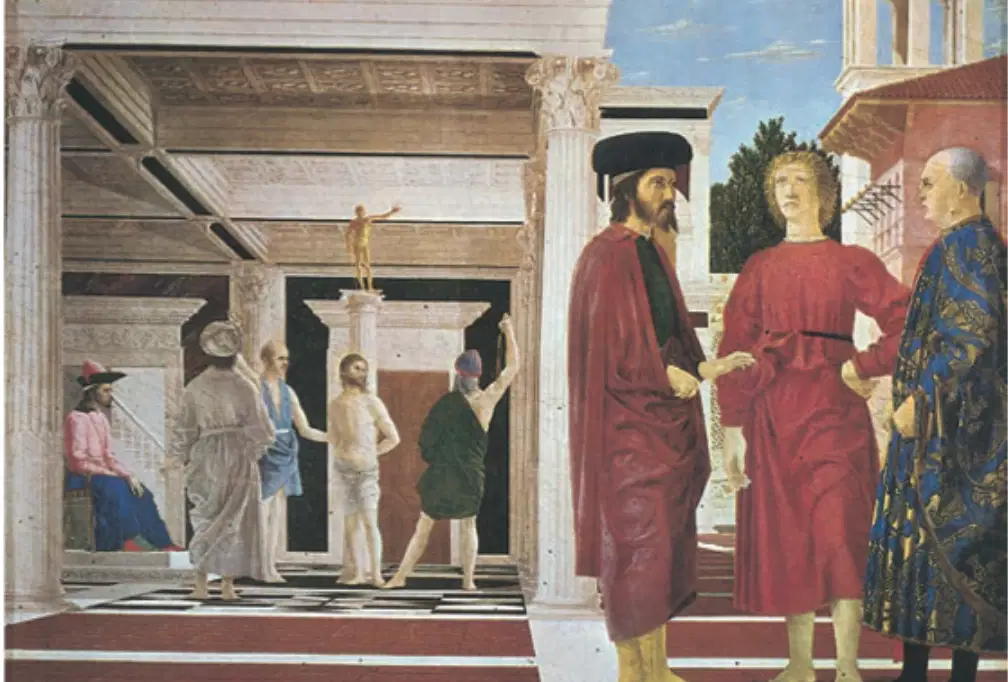
Italian Renaissance painters used (a) in their work
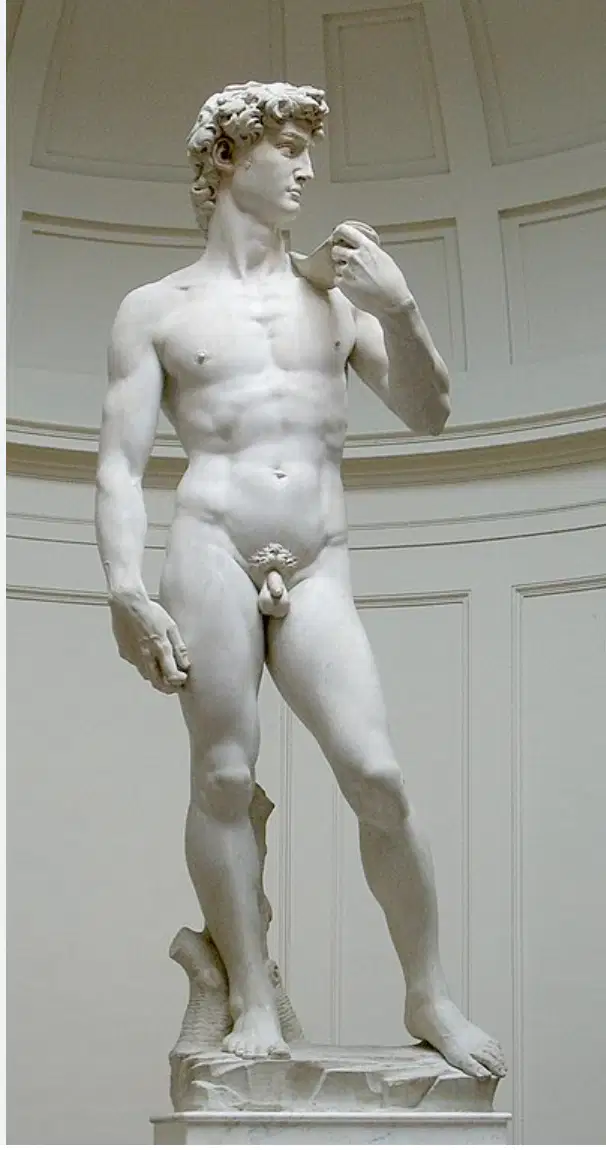
Italian Renaissance sculptors followed the classical style of Ancient Greece and Rome, featuring work that focused on ideal (a) proportions.
Who invented the printing press?
Durer
Luther
Johannes Gutenberg
Antonio de Nebrija

How did Gutenberg's printing press impact Europe?
It decreased literacy throughout Europe.
It allowed for more literature to be printed.
It allowed for more men to train and join the priesthood.
It decreased the production of navigational maps.
Which ancient classical civilization was an important influence on the Renaissance humanists?
river valley civilizations
Mesoamerican and North American civilizations
Greek and Roman civilizations
feudalism
Which of the following describes the Renaissance in Europe?
The social structure became very rigid.
Creativity in the arts was encouraged.
The political structure was disorganized.
Humanism decreased in importance.
How did humanism during the Renaissance differ from earlier traditional medieval ideas?
They had an interest in the spiritual life of the people.
They were disinterested in the ideas of ancient Greece and Rome.
They rejected traditional Christian teachings.
They emphasized the importance of individual potential and growth.

Humanists believe...
science provides the best method for understanding the universe.
religion is needed for a complete understanding of the universe.

What is Humanism?
A religion
A philosophy or worldview that favours reason and logic over superstition or faith
A code of conduct to follow in life

¿Dónde nació el Humanismo?
Italia
Francia
Reino Unido
Portugal
¿Cuáles fueron los principales centros humanísticos?
Las universidades.
Los seminarios.
Las cortes reales.
Los mercados.
What did the printing press do? Select all that apply.
Allowed for the faster spread of knowledge.
More people learned to read.
People were able to buy the printing press.
It was able to make paper.
What was the importance of the Printing Press?
It saved animals.
It made work harder.
Before, books were written by hand. This took a long time. The new press could produce 300 pages in a single day.
It caused people to hate reading.
True or False: Interest in classical culture decreased during the Renaissance.
True
False
Which of the following subjects would a Humanist find interesting?
Learning languages like Spanish, French, and Italian
History of Ancient Rome and Anciet Greece
Astronomy
Learning Musical Instruments


People who were a part of the Protestant Reformation were protesting
Martin Luther.
the corruption of the Catholic Church.
the Bible.
the Renaissance.
Martin Luther believed the only completely reliable source of truth is
the Catholic Church.
the Pope.
the Bible.
buying indulgences to be forgiven.
King Henry VIII of England broke with the Catholic Church because
he was deeply moved by Martin Luther's teachings.
he wanted his marriage annulled but the Pope refused.
he could not afford to buy indulgences anymore.

Payments made to the church to reduce the punishment for sins and grant forgiveness for sins were
currency
indulgences
salvation
offering

Protection from sin, being "saved" and guaranteed entry to heaven based on faith in God is called
indulgences
patronage
communion
salvation
The Catholic Church celebrates ___ sacraments.
3
5
7
9
Which was NOT a major reforms enacted by Pope Paul III's Council of Trent?
A. creation of seminaries to train priests
B. allowed Germanic kingdoms to choose their religion
C. allowed women to become nuns
D. creation of the Jesuits who lead missionary efforts
Which is true about Martin Luther?
German
monk
scholar
started Protestant Reformation
American Civil Rights Activist
Selling indulgences was a bad idea because:
Jesus specifically said not to do that.
Only rich people could afford it.
It deprived rich people of genuine reconciliation.
It caused an armed uprising of oppressed serfs.
M. Luther thought people could reach heaven through _____ alone.
deeds
words
scripture
faith
Invented the printing press:
Gutenberg
Mendel
daVinci
Luther
The Church of England is also known as the _____ Church.
Presbyterian
Eastern Rite Catholic
Anglican
Saxon

