wayground logo

Free Printable Worksheets

Font size

S
M
L
XL
Worksheets

Review 8th Grade History

Total questions: 197

Worksheet time: 3hrs 4mins

Name
Class
Date
1.

Capital of Tennessee

a)

Tallahassee

b)

Austin

c)

Nashville

d)

Richmond

2.
What do the stripes on the U.S. flag represent?
a)
The thirteen stripes represent the original thirteen colonies
b)
The blood lost in the Civil War
c)
The thirteen original signers of the Constitution
d)
The first thirteen states to join the Confederacy
3.

Where is Fort Loudon?

a)

Ohio

b)

Virginia

c)

Tennessee

d)

Massachusetts

4.

The fort in which Cherokee tribe members were expelled, causing a massacre of the British troops there.

a)

Fort Loudoun

b)

Fort Necessity

c)

Fort Ticonderoga

d)

Fort Duquesne

5.
The first permanent English settlement in North America was
a)
Werowocomoco
b)
Yorktown
c)
Richmond
d)
Jamestown
6.
Large farms, called ___________________, were spread throughout the Southern colonies.
a)
Trade centers
b)
Plantations
c)
Settlements
d)
industrial centers
7.
William Penn owned which colony?
a)
Pensacola
b)
New York
New Jersey
c)
New York
d)
Pennsylvania
8.
Pennsylvania was home to the ___________.
a)
Puritans
b)
Protestants
c)
Catholics
d)
Quakers
9.
What was the reason Georgia was founded as a colony?
a)
Religious Freedom
b)
It was a place for criminals and debtors
c)
Agriculture
10.
How many British Colonies were there? 
a)
13
b)
10
c)
3
d)
15
11.

Identify the name of the colony shown in pink on the map.

a)

New Jersey

b)

Pennsylvania

c)

New York

d)

Massachusetts

12.

Which political party did followers of Alexander Hamilton and John Adams support?

a)

Federalist

b)

Republicans

13.

Which political party did followers of Thomas Jefferson and James Madison support?

a)

Federalist

b)

Republicans

14.

Which political party believed that the US needed a strong central government?

a)

Federalist

b)

Republican

15.

Which political party believed that a protective tariff would stop foreign countries from buying rice and indigo?

a)

Federalist

b)

Republican

16.

Which political party felt that creating a national bank was unconstitutional?

a)

Federalist

b)

Republican

17.

Which political party wanted the national capital moved to the banks of the Potomac River (Washington, D.C.)?

a)

Federalist

b)

Republican

18.

Which was a cause of the War of 1812?

a)

The US bought the Louisiana Purchase.

b)

The French signed an alliance with the Native Americans.

c)

The British stopped American ships and took cargo off the ships.

19.

What was the event called in France when the French demanded a bribe for the Americans to talk to the French prime minister?

a)

Alien and Sedition Acts

b)

Embargo Acts

c)

XYZ Affair

20.

Which famous city was burned during the War of 1812?

a)

Philadelphia

b)

New York

c)

Washington, D.C.

21.

In the ___each slave would count for 3/5 of a person for taxation and representation purposes.

a)

Great Compromise

b)

Three-Fifths Compromise

c)

Virginia Plan

d)

New Jersey Plan

22.

Agreement to create a two-house legislature ones representation being based on population the other with equal representation.

a)

Virginia Plan

b)

3/5 Comproimise

c)

Amendment

d)

Great Compromise

23.

Fair treatment through the normal judicial system

a)

Virginia Plan

b)

Amendment

c)

Bicameral

d)

Due Process

24.

A change to the Constitution

a)

amendment

b)

3/5 Compromise

c)

Bicameral

d)

Judicial Review

25.

Formal approval

a)

Ratification

b)

Virginia Plan

c)

Bicameral

d)

Due Process

26.

The power of the courts to declare laws unconstitutional

a)

3/5 Compromise

b)

Ratification

c)

Judicial Review

d)

Virginia Plan

27.

A legislature consisting of two parts, or houses

a)

Virginia Plan

b)

Great Compromise

c)

civic duty

d)

New Jersey Plan

28.

The Constitution of the United States was written this year.

a)

1607

b)

1776

c)

1787

d)

1783

29.

A constitution proposal that would have given each state one vote in a new congress

a)

Virginia Plan

b)

Bicameral

c)

New Jersey Plan

d)

civic duty

30.

Government in which states got a number of representatives in Congress based on their population.

a)

civic duty

b)

Judicial Review

c)

Virginia Plan

d)

Due Process

31.
There are this many judges on the U.S. Supreme Court
a)
5
b)
7
c)
9
d)
11
32.
The _______ branch of government may decide if a law is unconstitutional.
a)
Executive
b)
Legislative
c)
Judicial
d)
They all can
33.
Who has the power to appoint a Supreme Court Judge, when there is an open spot  on the court?
a)
Legislature
b)
Citizens
c)
President
d)
Congress
34.
What is the length of term of office for a judge on the Supreme Court?
a)
4 years
b)
8 years
c)
15 years
d)
for life
35.
What is a justice?
a)
Senator
b)
Judge
c)
President
d)
Woman Judge
36.
Who ratifies (approves) the judges who are nominated to serve on the Supreme Court?
a)
A majority of the state legislatures
b)
Members of the House Finance Committee
c)
The entire U.S. House of Representatives
d)
The U.S. Senate
37.
A case involving the breaking of the law
a)
Criminal
b)
Civil
c)
Appellate
d)
Original
38.
A case involving the rights of an individual.
a)
Criminal
b)
Civil
c)
Appellate
d)
Bench Trial
39.
The Supreme Court’s power to declare a law unconstitutional and overturn it
a)
Judicial Review
b)
Judicial Remand
c)
Appellate
d)
Original
40.
The highest court in America.  They only hear cases of national importance or cases that deal with the interpretation of the US Constitution
a)
Juvenile & Domestic Relations Court
b)
General District Court
c)
The Federal Court System
d)
The Supreme Court
41.
What is the main duty of the Supreme Court?
a)
Make laws
b)
Interpret laws
c)
Enforce laws
d)
Break laws
42.
Who is the Chief Justice of the Supreme Court?
a)
Stephan Breyer
b)
Clarence Thomas
c)
John Roberts
d)
Antonin Scalia
43.

All of the following are true EXCEPT:

a)

Most of the Civil War battles were fought in the North giving the Union an advantage.

b)

The Confederacy had an advantage because of strong military leaders.

c)

The Union had an advantage because of more people and resources.

d)

The Union was able to send troops and supplies quicker because of more railroads.

44.

The Border States of Delaware, Maryland, Kentucky, and Missouri decided to break away from the Union and fight with the Confederacy.

a)

True

b)

False

45.

At the start of the Civil War, what was the primary goal of the Union?

a)

end slavery

b)

increase taxes

c)

expand American territory

d)

preserve the Union

46.

Which of the following best describes how the Emancipation Proclamation addressed the issue of slavery effective January 1, 1863?

a)

It freed enslaved people in all United States territories.

b)

It freed enslaved people in the border states.

c)

It freed enslaved people in all territories in rebellion against the Union.

d)

It freed all enslaved people in the world.

47.

Why was the 54th Massachusetts regiment significant?

a)

It was a regiment that switched from the Union to Confederacy mid-way through the war.

b)

It was the best-known African American regiment.

c)

It was a naval unit known for their decisive victories at sea.

d)

It helped return escaped slaves back to the South.

48.

First major battle with large casualties. It was a Union victory in Tennessee moving them closer to controlling the Mississippi River

a)

Bull Run

b)

Shiloh

c)

Antietam

d)

Vicksburg

e)

Gettysburg

49.

Costly Confederate victory in Virginia where the Confederacy lost one of their best generals in Stonewall Jackson. Jackson could have made a huge difference in future battles.

a)

Shiloh

b)

Antietam

c)

Bull Run

d)

Gettysburg

e)

Chancellorsville

50.

The first and only President of the Confederacy

a)

Robert E. Lee

b)

Jefferson Davis

c)

Ulysses S. Grant

d)

Abraham Lincoln

51.

Lincoln's best general who was essential to the victory at Vicksburg and accepted the Confederate surrender at Appomattox.

a)

Robert E. Lee

b)

Jefferson Davis

c)

Ulysses S. Grant

d)

Abraham Lincoln

52.

What was the name of General Sherman's strategy as he wreaked havoc and tried to break the will of the South by destroying farms, crops, livestock, and local infrastructure.

a)

guerilla warfare

b)

total war

c)

ambush

d)

entrench

53.

Commander of the Confederate Army of Northern Virginia

a)

Robert E. Lee

b)

Jefferson Davis

c)

Ulysses S. Grant

d)

Abraham Lincoln

54.

Why did the Confederacy refuse to arm African Americans?

a)

They feared revolts by armed African Americans.

b)

The enslaved African Americans had all escaped to the North and there were no slaves left to fight.

c)

They believed enslaved African Americans would be disloyal to the United States.

d)

They believed African Americans were not part of the Southern culture of shooting and hunting.

55.
What amendments did SC refuse to ratify? 
a)
13 and 15
b)
14 and 15
c)
15 and 16
d)
16 and 17
56.
What was the African American role in the writing of the Constitution of 1868?  
a)
They were the majority that wrote it.
b)
They ratified it. 
c)
They boycotted it.
d)
They were not allowed to attend.
57.
African Americans gained a majority in the legislature.  What does majority mean?  
a)
More than Half
b)
There were more whites than blacks.  
c)
Populists controlled the Assembly. 
d)
Democrats controlled the Assembly.  
58.
What caused the white backlash in South Carolina?  
a)
African Americans participating in gov't
b)
Democrats angry at Lincoln
c)
Anger @ the Freedmen's Bureau
d)
Martial Law
59.
What did the south get in the Compromise of 1877?  
a)
Removal of Slaves
b)
Removal of troops
c)
Republican control of Government
d)
Democrat control of Congress
60.

A law that required blacks to work or face being arrested or forced to work as a servant

a)

Freedmen Bureau

b)

Sharecropping

c)

Black Codes

d)

Compromise of 1877

61.

A terrorist group that prevented blacks from voting

a)

Ku Klux Klan

b)

Freedmen Bureau

c)

Jim Crow Laws

d)

Civil Rights Act of 1866

62.

The Constitution Amendment that gave blacks the right to vote

a)

13th

b)

16th

c)

14th

d)

15th

63.

A federal law that outlawed Black Codes

a)

Civil Rights Act of 1866

b)

Civil Rights Act of 1865

c)

Civil Rights Act of 1867

d)

Civil Rights Act of 1868

64.

What was the purpose of the Military Reconstruction Act

a)

To outlaw Black Codes

b)

To oversee and enforce Reconstruction Legislation

c)

To provide assistance to former slaves after the Civil War

d)

To allow ex-Confederate officials to hold political office

65.

A law that pardon Confederate officials and allowed them to vote and hold political office

a)

Enforcement Act

b)

Compromise of 1877

c)

Amnesty Act of 1872

d)

Civil Rights Act of 1866

66.

a farming system that keep blacks poor and uneducated

a)

poll tax

b)

sharecropping

c)

black code

d)

14th Amendment

67.

The 14th Amendment

a)

voting rights for newly freed Africans

b)

Outlawed slavery in the United States

c)

Allowed females to vote

d)

Define citizenship in the United States

68.

A government agency that help freedmen during Reconstruction

a)

Black Codes

b)

Freedmen Bureau

c)

New State Constitution

d)

Enforcement Act

69.

The Supreme Court ruling that legalize segregation in the United States

a)

Plessy v. Ferguson

b)

Brown v. Board of Education

c)

Dred Scott v. Sanford

d)

Plessy v. Sanford

70.

A tax used to keep black and poor whites from voting

a)

Literacy Test

b)

Jim Crow Laws

c)

14th Amendment

d)

Poll tax

71.

The agreement that allowed President Hayes to become president and withdrew the military

a)

Amnesty Act of 1872

b)

Compromise of 1877

c)

Enforcement Act

d)

Compromise of 1876

72.

A test given before poor whites and freedmen could vote in the United States

a)

Poll Tax

b)

Literacy test

c)

Black codes

d)

Jim Crow Laws

73.

A law that legally segregated blacks and whites in public places

a)

Poll tax

b)

Literacy test

c)

Sharecropping

d)

Jim Crow Laws

74.
Which of the following statements is a correct description of the Mayflower Compact?
a)
The men on board the Mayflower bound themselves into a “civic body politic.” 
b)
The Pilgrims practiced an early and pure form of democracy
c)
The Mayflower Compact applied just to the non-Pilgrims on board the Mayflower
d)
None of the above. 
75.
 Why did the Pilgrims create the Mayflower Compact?
a)
 to show that they opposed representative government.
b)
to establish an orderly community
c)
 to reinforce the laws of England in the new colony
d)
 to guarantee universal religious tolerance in the colony
76.
When was Mayflower Compact written?
a)
1410
b)
1492
c)
1655
d)
1620
77.
Which of the following documents limited the power of the King of England?
a)
English Bill of Rights
b)
Fundamental Orders of Connecticut
c)
Magna Carta
d)
Mayflower Compact
78.
Which statement explains the significance of the House of Burgesses?
a)
the assembly served as a model for other colonial legislatures
b)
colonists used the assembly to overrule decisions of the royal governor
c)
the assembly sent delegates to Parliament to represent Virginia
d)
the king revoked Virginia's charter because the assembly became too powerful
79.
*Distance from Great Britain
*Mayflower Compact
*Town hall meetings
The factors listed above contributed most to the
a)
creation of alliances between British settlers and American Indians
b)
election of British colonists to Parliament
c)
growth of representative government in the British colonies
d)
expansion of British trade in the Americas
80.
What is the significance of the Mayflower Compact?
a)
it provided the basis for a self-governing colony
b)
it established the first representative assembly in America
c)
it extended voting rights to non-church members
d)
It established the idea of due process
81.

Important government document for the colony of Connecticut.

Established the principle of self-government.

a)

Mayflower Compact

b)

US Constitution

c)

Fundamental Order of Connecticut

d)

US Bill of Rights

82.

What was America's first Constitution?

a)

The Declaration of Independence

b)

The Bill of Rights

c)

The Articles of Confederation

d)

The US Constitution

83.

According to the idea of Popular Sovereignty, who has the power?

a)

The President of the United States

b)

The Supreme Court

c)

The Senate

d)

The people

84.

Who was Daniel Shays?

a)

The President of the Proclamation of 1763

b)

A farmer who loved his country and never did anything illegal

c)

A founding father

d)

A farmer who led a revolt in Massachusetts

85.

Which branch of government was included in the Articles of Confederation?

a)

The Legislative branch

b)

The Executive branch

c)

The Federal

d)

The Judicial

86.

What is a Constitution?

a)

A former plan for government

b)

A formal plan of government

c)

A formal pair of shoes

d)

A formal plan of action

87.

The idea that a group of states would be held under a federal government?

a)

Articles of Consideration

b)

Declaration of Dependence

c)

The US Constitution

d)

Federalism

88.

Under the Articles of Confederation, how many states had to agree to approve a law?

a)

3/13

b)

7/13

c)

9/13

d)

12/13

89.

Which was NOT a power of Congress under the Articles of Confederations?

a)

Raising an army

b)

Dealing with foreign countries

c)

Issuing taxes

d)

Printing money

90.

What officially ended the American Revolutionary War?

a)

The Treaty of Paris

b)

The Declaration of Independence

c)

The Stamp Act

d)

The Treaty of America

91.

What was the biggest weakness of the Articles of Confederation that lead to problems with Britain?

a)

They could not tax

b)

States were not required to meet military quotas

c)

They could not deal with foreign governments

d)

None of the above

92.
Under the Articles of Confederation, the government consisted of _______________ branch of government.
a)
3
b)
2
c)
1
d)
4
93.
In order to change (amend) the Articles of Confederation,  __________ out of 13 states had to agree. 
a)
9
b)
10
c)
13
d)
15
94.
Under the Articles of Confederation, each state got __________ vote. 
a)
b)
2
c)
1
d)
5
95.
The Articles of Confederation created a _________________ type of government.
a)
strong
b)
average
c)
weak
d)
federal
96.
In the Articles of Confederation, where was most of the government power placed?
a)
The States
b)
The National Government
c)
The Continental Congress
d)
The Legislative Branch
97.
Why was the U.S. Army so weak under the Articles of Confederation?
a)
There was only 1 branch of government
b)
States could refuse to provide soldiers
c)
The nation had no common currency
d)
All of the above
98.
What did Shays' Rebellion help Americans realize they needed?
a)
A strong national government
b)
A stronger militia
c)
A common currency
d)
The ability to sign peace treaties
99.
Which of the following BEST describes the Articles of Confederation?
a)
A Constitution established after the American Revolution
b)
A Declaration of Independence
c)
The 1st Constitution of the U.S.
d)
A strong form of government
100.

Who were the two groups fighting at the Battle of Kings Mountain?

a)

Overmountain Men

b)

French

c)

British

d)

Spanish

101.

Which law set aside land west of the Appalachian Mountains for the American Indians?

a)

Cumberland Compact

b)

Proclamation of 1763

c)

Watauga Compact

d)

Transylvania Purchase

102.

Where did the Chickasaw live?

a)

Near the Mississippi River

b)

The mountains of East Tennessee

c)

They were nomads

d)

None of These

103.

Where did the Cherokee live?

a)

Near the Mississippi River

b)

The Mountains of East Tennessee

c)

They were nomads

d)

None of These

104.

What was the name of the path that lead settlers from the east into Tennessee, and became the Wilderness Road?

a)

I-40

b)

Highway 25

c)

Cumberland Gap

d)

The Trail of Tears

105.

How much land was bought in the Transylvania Purchase?

a)

20 acres

b)

20 thousand acres

c)

20 million acres

d)

None of These

106.

How much did the settlers pay the Cherokee for the land in the Transylvania Purchase

a)

$50,000

b)

$50,000 in goods

c)

$5,000,000

d)

None of These

107.
Which colonial region was settled by Puritans and Pilgrims seeking religious freedom?
a)
New England
b)
Southern
c)
Middle
d)
Backcountry
108.
In what year was Jamestown settled?
a)
1492
b)
1607
c)
1608
d)
2081
109.
Which region relied mostly on cash crops to make their money?
a)
New England
b)
Middle Colonies
c)
Southern Colonies
d)
Backcountry
110.

Which state is shaded in red?

a)

Massachusetts

b)

Masachusetts

c)

Masssachusettts

d)

Maine

111.

Which U.S. State is this?

a)

New Hampshire

b)

Rhode Island

c)

Vermont

d)

Maine

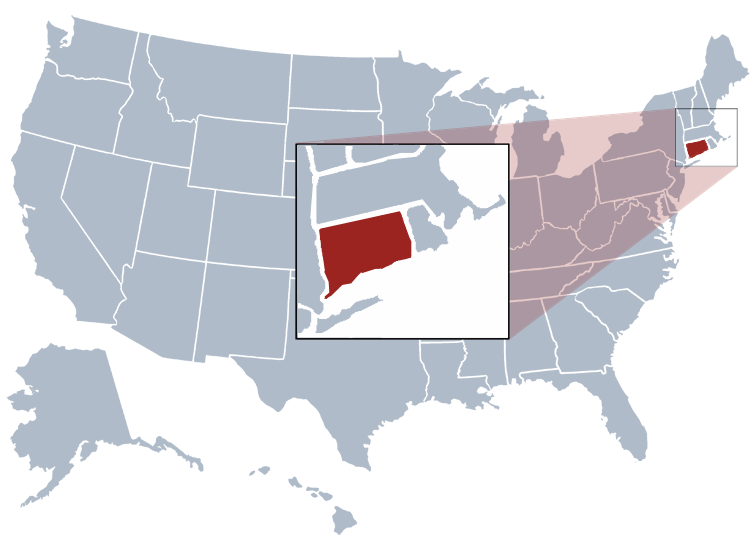
112.
What state is this?
a)
Pennsylvania
b)
Rhode Island
c)
Connecticut
d)
Massachusetts
113.
Which U.S. State is this?
a)
Virginia
b)
Pennsylvania
c)
Maryland 
d)
New York
114.
Which U.S. State is this?
a)
Rhode Island
b)
Connecticut
c)
Massachusetts
d)
New Jersey
115.
Which state is highlighted?
a)
South Carolina
b)
Florida
c)
Georgia
d)
North Carolina
116.
What state is this?
a)
Rhode Island
b)
New Jersey
c)
Maryland
d)
Delaware
117.
What state is shaded on the map?
a)
Maine
b)
New York
c)
Maryland
d)
Connecticut
118.
Name the state that is colored red
a)
Virginia
b)
West Virginia
c)
North Carolina
d)
Florida
119.
Which U.S. State is this?
a)
New Jersey
b)
West Virginia
c)
Maryland
d)
Deleware
120.

Identify the Colony

a)

Gorgia

b)

georgia

c)

Georga

d)

Georgia

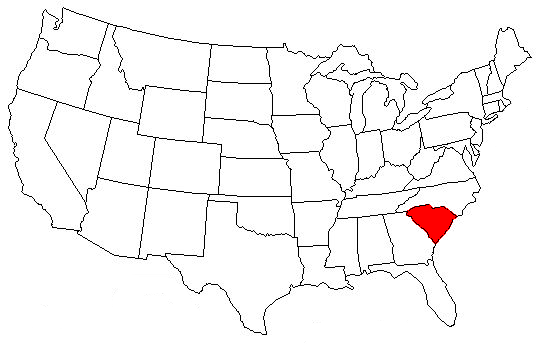
121.

Which colony is shown on the map?

a)

North Carolina

b)

West Carolina

c)

East Carolina

d)

South Carolina

122.

What are cash crops?

a)

Trees that grow money

b)

Crops that are grown to be sold for profit

c)

Plants that are really, really tall

d)

Crops that are grown for the farmer to consume

123.

True or False: Separatists wanted to improve the Church of England

a)

True

b)

False

124.

True or False: Puritans generally settled in the Southern colonies

a)

True

b)

False

125.

True or False: Quakers in the Middle colonies enjoyed rich goods, like fancy clothes and large houses

a)

True

b)

False

126.
This colony kicked out Ann Hutchinson...
a)
Georgia
b)
North Carolina
c)
South Carolina
d)
Massachusetts
127.
Which of the following was NOT a reason people established new colonies in America?
a)
religious freedom
b)
better food
c)
gold/money
128.
Why was Roanoke Island known as the "Lost Colony"?
a)
several groups of colonists disappeared
b)
people did not stay in touch with their families back home
c)
supplies were lost
129.
Who lived on most of the land before the colonists came to settle?
a)
Pilgrims
b)
Quakers
c)
Native Americans
130.
What was the first of the 13 original colonies?
a)
Virginia
b)
New York
c)
Pennsylvania
131.
The first group of settlers came to the New England colonies in Plymouth aboard the:
a)
Nina
b)
Santa Maria
c)
Mayflower
132.
Who did the colonists name the settlement Jamestown after?
a)
James the Explorer
b)
King James
c)
James the Giant
133.

This man named the Cumberland River and led a team of surveyors to map the boundary of Tennessee and Kentucky.

a)

William Bean

b)

Daniel Boone

c)

Dr. Thomas Walker

d)

Richard Henderson

134.

_________ _________ was in favor of selling Cherokee land to the settlers, but _________ _________ did not like selling Cherokee land to the settlers.

a)

Littler Carpenter, Dragging Canoe

b)

Nancy Ward, Dragging Canoe

c)

Dragging Canoe, Little Carpenter

d)

Nancy Ward, Little Carpenter

135.

_________ _________ called a constitutional convention that resulted in Tennessee becoming a state.

a)

Thomas S. Spencer

b)

William Blount

c)

Richard Henderson

d)

William Bean

136.

_________ ___ ____ _________ was the largest attack on the Cumberland Settlements by Native Americans who lost to the settlers when dogs were released.

a)

The Battle of Alamance

b)

The Fort Loudoun Massacre

c)

Battle of the Bluffs

d)

Battle of Kings Mountain

137.

This man was elected the first governor of Tennessee after it was admitted to statehood.

a)

William Blount

b)

John Sevier

c)

Benjamin Franklin

d)

Richard Henderson

138.

Dragging Canoe disagreed with the Transylvania Purchase and led a new group called the ______________ who attacked settlers in the ____________ ____ __ ____.

a)

Chickamaugans, Cherokee War of 1776

b)

Creeks, Battle of the Bluffs

c)

Chickamaugans, Cherokee War of 1876

d)

Cherokee, Cherokee War of 1776

139.

Who found the Wilderness Road which was the main route for travel to the west?

a)

William Bean

b)

Daniel Boone

c)

Richard Henderson

d)

"Big Foot"

140.
What war allowed the U.S to acquire new western land including present day New Mexico, Nevada, Arizona, and Utah?
a)
War of 1850
b)
WW2
c)
Mexican American War
d)
Cold War
141.

The Mexican - American War was a direct result of _______.

a)

The Missouri Compromise

b)

The Republic of Texas

c)

Manifest Destiny

d)

The Annexation of Texas

142.

The California Gold Rush was beneficial to America because_________.

a)

It helped the idea of Manifest Destiny

b)

It gave a huge boost to the economy

c)

It spread out the population at the time

d)

All of the above

143.

What did the Adams-Onis Treaty do?

a)

Gave us the Missouri Territory

b)

Gave us New Spain

c)

Gave us Oregon Country and Florida

144.

The joint occupation of Oregon Country was between the US and

a)

England

b)

Spain

c)

France

145.

O'Sullivan stated in a newspaper that it was America's mission from god to extend its boundries to the pacific ocean. This became known as

a)

Land Aquisition

b)

Manifest Destiny

c)

Putnams Landing

146.

What political positions (jobs) did James Polk have before becoming president?

a)

Tennessee Legislature

b)

US House of Representatives

c)

Governor of Tennessee

d)

Vice President

147.

What years was James Polk president?

a)

1812-1816

b)

1845-1849

c)

1890-1894

d)

1900-1904

148.

What was the name of the treaty that ended the Mexico-American war?

a)

Treaty of Guadalupe Hidalgo

b)

Treaty of Rio Grande

c)

Treaty of Mexico

d)

Treaty of Polk

149.

What was the belief that it was the United States' God-given right to take over the land of North America?

a)

Manifest Destiny

b)

American Destiny

c)

Star-Spangled Banner

d)

Louisiana Purchase

150.

The US and Britain decided on the 49th parallel line as the new border between their territories.

a)

True

b)

False

151.

How far did James Polk want to expand the US territory during his presidency?

a)

Oregon

b)

Atlantic Ocean

c)

Texas

d)

Pacific Ocean

152.

Andrew Jackson's election victory in 1828 depended on support from

a)

the rich and well-born.

b)

Native Americans.

c)

the common people.

d)

states' rights supporters.

153.

Jackson's practice of rewarding political supporters with government jobs became known as

a)

the spoils system.

b)

Jacksonian democracy.

c)

mudslinging.

d)

a corrupt bargain.

154.
Which group was most hurt by Jackson's removal policy?
a)
the rich and well-born
b)
Native Americans
c)
the common people
d)
states' rights supporters
155.
Which of the following is the best definition for the spoils system?
a)
a bribe
b)
choosing the most qualified applicant for the job
c)
voting for the best candidate to represent the public
d)
rewarding your supporters with jobs in the government once elected
156.

The long walk for many Native Americans who were forced out of their homelands was called the --

a)

Native Walk

b)

Trail of Natives

c)

Trail of Tears

d)

Removal Trail

157.

The act, or law, was created in order to remove Native Americans from their homelands and force them West.

a)

Alien and Sedition Acts

b)

No More Natives Act

c)

Citizens Only Act

d)

Indian Removal Act

158.

Andrew Jackson was seen as a national hero after defeating the British at what battle?

a)

Battle of New Orleans

b)

Battle of Yorktown

c)

Battle of Little Big Horn

d)

Battle of Saratoga

159.
Which present-day state were most of the Native Americans relocated to during Andrew Jackson's presidency? 
a)
Oklahoma
b)
Arkansas
c)
Texas
d)
Mississippi
160.
Who became president in the election of 1824?
a)
John Quincy Adams
b)
Henry Clay
c)
John C. Calhoun
d)
Andrew Jackson
161.
What is Jacksonian Democracy?
a)
the idea that the common people should control their government
b)
the political party that supported Jackson in the election of 1828
c)
the notion that the rich and upper class should have the most power
d)
the nickname Andrew Jackson earned in the War of 1812
162.
Andrew Jackson was a member of which political party?
a)
Whigs
b)
National Republicans
c)
Democrats
d)
Anti-Federalists
163.
Many of his opponents would have agreed with the cartoon’s portrayal of Jackson   Because it suggests that ---
a)
he was not really the common man that many people thought him to be
b)
he has used the spoils system to gain wealth and influence in the government
c)
the executive branch of government became too powerful during his presidency
d)
the leaders of other countries had too much influence in the American government
164.
What does SECESSION mean?
a)
To leave or withdraw
b)
To follow
c)
To argue
d)
To join-become a part of
165.
What does the phrase "states' rights" mean?
a)
States' should  have authority   to make decisions about laws
b)
States should obey the federal govt
c)
States have the right to control traffic laws only
d)
States are equal in power to the Federal govt 
166.
What does "NULLIFY" mean?
a)
To declare a law invalid
b)
To ignore a law
c)
To obey a law
d)
To argue against a law
167.
What does COMPROMISE mean?
a)
Each side gives up something and gets a part of what they wanted
b)
One side wins, the other loses
c)
Both sides give up something but one side has the advantage
d)
Both sides lose
168.
What is a "platform" in the unit we are studying?
a)
A list of a group's ideas and beliefs
b)
A large wooden thing to stand on
c)
A list of ideas a group rejects
d)
A type of shoe
169.
What does "abolition" or "abolish" mean?
a)
To get rid of something
b)
To insult someone
c)
To vandalize property
d)
To disappear
170.
The Missouri Compromise resulted in ...?
a)
Missouri being entered into the Union but as a SLAVE state and Maine entered as a FREE state
b)
Missouri entered the Union as a FREE state and Maine entered as a SLAVE state
c)
California entered the Union as a FREE state
d)
California entered the Confederacy
171.
The Compromise of 1850 resulted in ALL of the following EXCEPT...?
a)
Washington DC discontinued slave trade
b)
Fugitive Slave Act allowed slave owners get back their runaway slaves
c)
SW territories can vote on slavery
d)
California added as a slave state
172.
The Kansas-Nebraska Act resulted in which of the following?
a)
Kansas was admitted to Union as FREE state
b)
Nebraska was admitted to Union as SLAVE state
c)
Popular Sovereignty allowed citizens to vote on slavery in both territories leading to angry mobs flooding into the region
d)
Kansas and Nebraska assigned as Indian Territories
173.
Who was Dred Scott?
a)
A slave master who chased after his runaway slave
b)
A slave that claimed he was free because his master brought him a free state
c)
A Supreme Court justice
d)
A politician
174.
Who won the election of 1860?
a)
Lincoln
b)
Beckinridge
c)
Bell
d)
Douglas
175.

By 1860 what percentage of the US export was made up of cotton

a)

98%

b)

45%

c)

57%

d)

28%

176.

People in the elite class had the most

a)

Slaves and land

b)

Money and power

c)

Fancy things

d)

All of the above

177.

Who owns a small amount of land and works the land on his own with his family?

a)

Independent Farmers

b)

Enslaved African Americans

c)

The Elite

d)

Middle Class

178.

Who was uneducated, unskilled, and often didn't have land?

a)

Lower Class

b)

Middle Class

c)

Enslaved Africans

d)

Elite Class

179.

Who made up the elite upper class?

a)

Church leaders

b)

Free African Americans

c)

Wealthy Planters

d)

Tenant Farmers

180.
Why couldn't slaves learn to read and write?
a)
They may work harder.
b)
They may try to escape.
c)
They may go back to Africa.
d)
They may get to stay in their own house.
181.

Why were free African Americans not really free?

a)

They lived in fear of being made slaves again.

b)

They were only granted freedom for 5 years.

c)

They were only free in certain states in the south.

d)

They were forced to move north away from family.

182.

Which statement does NOT describe the life of a slave?

a)

Slaves had to work without pay.

b)

Slaves did not have rights and freedoms others had.

c)

Slaves were taught how to read and write in school.

d)

Slaves were bought and sold as if they were livestock.

183.

Which of the following was NOT a way slaves tried to fight back?

a)

They worked slowly.

b)

They made protest posters to hang all over their towns.

c)

They broke tools they worked with.

d)

Some slaves ran away.

184.
What was different about the Southern and Northern economies during the Antebellum period?
a)
The South depended on industry and immigrants to work in their factories while the North depended on agriculture and slaves to work on their plantations
b)
The South depended upon agriculture and slaves to work on their plantations while the North depended on industry and immigrants to work in their factories
185.
Angelina Grimke, Sarah Grimke, William Lloyd Garrison, Fredrick Douglas, and Harriet Beecher Stowe are all examples of:
a)
Unionists
b)
Collaborationists
c)
Abolitionists
d)
Secessionists
186.
Which is TRUE about the Dred Scott case?
a)
Dred Scott was given his freedom and African-Americans were given full citizenship.
b)
The US government said that slave were property, but once a slave was free he/she would be given full rights under federal law.
c)
The Supreme Court ruled that African-Americans, even when free, had no federal rights, and slaves were property not citizens
d)
Dred Scott was not given his freedom, but he was allowed to move to a Northern State where he was given full citizenship.
187.
What did the Missouri Compromise state?
a)
New states above the 36-30 parallel would slave and those below would be free.
b)
Each state would use popular sovereignty and vote to decide whether or not to have slavery.
c)
New states added to the Union that were South of the 36-30 parallel would be slave states and those North of the line would be free.
d)
New states that had small populations and industry would have no slaves. States that used the plantation system would have slaves.
188.
What ended and replaced the Missouri Compromise?
a)
Kansas-Nebraska Act
b)
Bleeding Kansas
c)
The Nullification Crisis
d)
The Emancipation Proclamation
189.
South Carolina focusing on its own needs and interest, including slavery, is example of what theory?
a)
Segregation
b)
Secession
c)
Nullification
d)
Sectionalism
190.
Which of the following is an effect of the Election of 1860?
a)
The South reviled Abraham Lincoln.
b)
The South feared the Republicans would gain control of the Federal Government
c)
Abraham Lincoln is elected President
d)
All of the above
191.

Which did NOT happen as a result of the Panic of 1837?

a)

wages were reduced

b)

businesses went bankrupt

c)

banks became more stable

d)

people lost their jobs

192.

A proposed a document that stated, “neither slavery nor involuntary servitude shall ever exist in any part of the territory.”

a)

Compromise of 1820

b)

Wilmot Proviso

c)

Compromise of 1850

d)

Kansas-Nebraska Act

193.

Anti-slavery Northerners created this new party to support the Wilmot Proviso.

a)

Whigs

b)

Democratic

c)

Free Soil

d)

Republican

194.

Nicknamed the "Great Compromiser", he wrote the Compromise of 1850.

a)

Henry Clay

b)

Stephen Douglas

c)

Zachary Taylor

d)

Lewis Cass

195.

Which of these was NOT a part of the Compromise of 1850?

a)

Fugitive Slave Act

b)

California admitted as a slave state

c)

End of slave trade in Washington, D.C.

d)

Popular sovereignty would determine if new states were slave or free

196.

Which was NOT an example of the violence associated with "Bleeding Kansas"?

a)

Destruction of buildings in Lawrence

b)

The attack on Congressman Brooks

c)

The attack on Senator Sumner

d)

John Brown's raid

197.

The Supreme Court ruled against Dred Scott for which reasons?

Choose ALL correct answers.

a)

Enslaved people were not citizens

b)

Since he was not a citizen, he had no right to a court case.

c)

Declared the Missouri Compromise uncosntitutional

d)

Slave owners could not be deprived of their property