
 Worksheets
WH Ch. 2 Lesson 2 Quiz
Total questions: 14
Worksheet time: 58mins
Flanders
center of trade in northern Europe
knight
warrior in armor who fought on horseback
fief
land granted to a vassal, or knight
Venice
Italian city that was a major trading center
Serf
person who worked the lord’s land
What factors contributed to the emergence of feudalism in Western Europe?
The rise of strong monarchies
The decline of the Roman Empire
The collapse of Charlemagne's Empire and the increasing importance of land-owning nobles who offered protection to people in exchange for services.
The spread of Christianity throughout Europe
Under which system did landowning nobles govern and protect the people in return for services?
A. feudalism
B. mercantilism
C. protectionism
D. vassalism
Who did the peasants either work for or rent from?
The lord
The king
The bishop
The knights
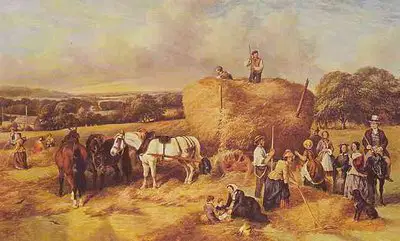
Two important farming inventions of the Middle Ages that made turning over soil faster were the horse collar and
A. the windmill.
B. crop rotation
C. the wheeled plow.
D. the village mill.
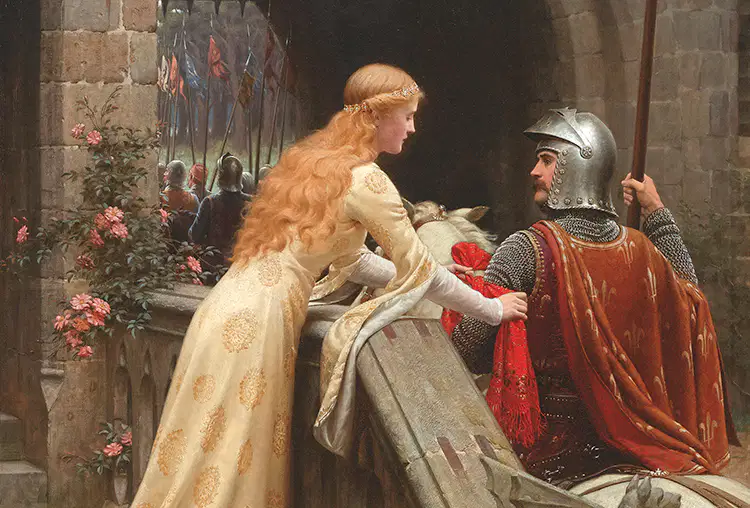
Medieval knights followed rules called the code of
A. chivalry.
B. the king.
C. the knight.
D. servitude.

Who were the only people in medieval towns who were considered citizens?
A. elders
B. males
C. nobles
D. serfs
Eventually, medieval towns began to set up their own governments. In many cities, the citizens elected members of a (a) .
city council
grand jury
new city church
police department
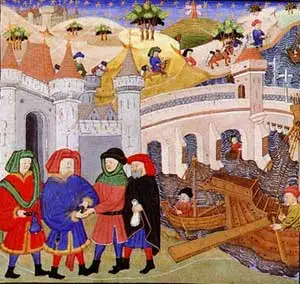
the rise of trade and cities created a new (a) in medieval Europe.
middle class
class of knights
kings and queens that claimed power
language called Eurolish
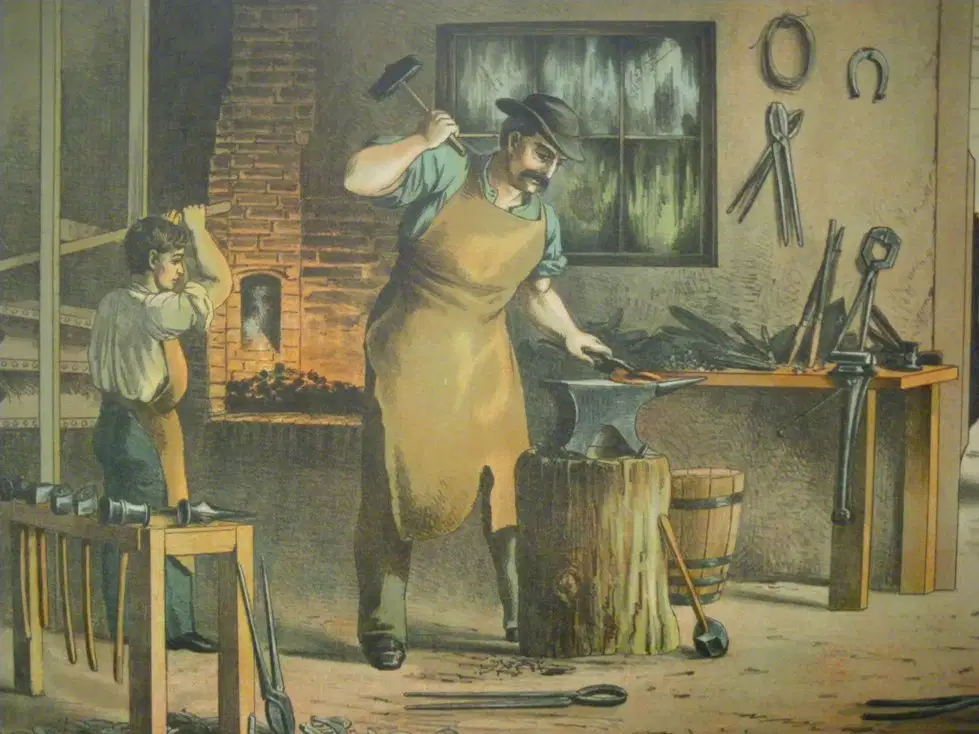
What were apprentices in craft guilds given in return for their work?
A. gold coins
B. goods for trade
C. political positions
D. room and board
Reading Passages from the Ch. 2 Lesson 2 - Feudalism and the Rise of Towns
Improvements in Farming (pg. 74)
One major improvement was a heavy, wheeled plow with an iron blade. The new plow made deeper cuts in the dense clay soil. The heavier plow meant peasant farmers spent less time in the fields. The horse collar was another important invention. The collar enabled a horse to pull a plow. Horses could pull plows faster than oxen could. This invention made it possible for peasants to produce more food.
Crop Rotation (pg. 74)
Another improvement in agriculture was crop rotation. Peasants used three fields rather than two to keep the soil fertile. One field was planted in the fall, a second one in springtime, and the third field was left unplanted. With this system, only one-third of the land was left unused at a time, rather than one-half. More crops could be grown as a result. These innovations created an agricultural revolution in Europe, causing the population to increase, trade to expand, and cities to grow again.
The Growth of Towns and Cities (pg. 75)
When the Roman Empire collapsed, trade throughout Europe sharply declined. Bridges and roads fell intro ruin. Law and order largely disappeared. Most people spent their entire lives in the farming villages where they were born. They knew very little about the rest the world.
By 1100, feudalism had made Europe safer. Nobles repaired roads, arrested bandits, and enforced the law. Meanwhile, new technology enabled people to produce more food and goods. Europe's population grew for the first time since the fall of Rome.
Peasant began to make cloth and metal products. Nobles also sought luxury items, such as sugar, spices, silks, and dyes. These goods came from the East.
Wealthy Trading Centers (pg. 75)
As Europe's trade increased, towns grew larger. Several cities became wealthy from trade. The cities of Venice, Pisa, and Genoa in Italy built fleets of trading ships. They became major trading centers. By 1200, these Italian cities controlled the profitable Mediterranean trade with the Byzantine Empire.
What was one major improvement in farming mentioned in the passage?
A heavy, wheeled plow with an iron blade
A lightweight wooden plow
A new type of fertilizer
A new irrigation system
The horse collar enabled a horse to pull a plow. This invention made it possible for peasants to produce more (a) .
What was the purpose of crop rotation as described in the passage?
To keep the soil fertile
To increase the size of the fields
To reduce the number of workers needed
To grow different types of crops
By 1100, feudalism had made Europe (a) .
Which cities became major trading centers by 1200 due to their control of Mediterranean trade?
Venice, Pisa, and Genoa
Rome, Florence, and Milan
Paris, London, and Madrid
Athens, Sparta, and Corinth

During the Middle Ages, advancements in agriculture transformed European society. The introduction of heavy plows with iron blades allowed farmers to work dense soils more efficiently, while the horse collar made it possible to use faster horses instead of oxen for plowing. Additionally, the three-field crop rotation system improved soil fertility and increased yields. These changes laid the foundation for economic and social transformation in medieval Europe. The surplus food led to population growth, which, in turn, fueled the expansion of towns and trade. As towns grew, a new middle class of merchants and artisans emerged, challenging the traditional feudal system and contributing to a more interconnected economy.
– From Chapter 2, Lesson 2: Feudalism and the Rise of Towns (Jackson J. Spielvogel)
What agricultural advancement during the Middle Ages allowed farmers to work dense soils more efficiently?
Heavy plows with iron blades
Horse collar
Three-field crop rotation
Irrigation systems
The introduction of the horse collar made it possible to use faster (a) instead of oxen for plowing.
Which system improved soil fertility and increased yields during the Middle Ages?
Two-field crop rotation
Three-field crop rotation
Four-field crop rotation
Crop diversification
The surplus food from agricultural advancements led to population growth, which fueled the expansion of (a) and trade.
What class emerged as towns grew, challenging the traditional feudal system?
Nobility
Peasants
Middle class of merchants and artisans
Clergy

The new inventions of the Middle Ages, such as improved plows, the horse collar, and crop rotation, helped increase food production and transform European society. For example, the (a) made farming more efficient, and the (b) allowed farmers to use horses, which were faster than oxen. According to the text, “One major improvement was a heavy, wheeled plow with an iron blade. The new plow made deeper cuts in the dense clay soil.” It also states, “The horse collar was another important invention. The collar enabled a horse to pull a plow. Horses could pull plows faster than oxen could.” Another important change was (c) system, which “created an agricultural revolution in Europe, causing the population to increase, trade to expand, and cities to grow again.” This shows that agricultural advancements not only made farming more productive but also led to (d) , which contributed to the (e) in medieval Europe.

The new inventions of the Middle Ages, such as improved plows, the horse collar, and crop rotation, helped increase food production and transform European society. For example, the heavy plow with an iron blade made farming more efficient, and the horse collar allowed farmers to use horses, which were faster than oxen. According to the text, “One major improvement was a heavy, wheeled plow with an iron blade. The new plow made deeper cuts in the dense clay soil.” It also states, “The horse collar was another important invention. The collar enabled a horse to pull a plow. Horses could pull plows faster than oxen could.” Another important change was the three-field crop rotation system, which “created an agricultural revolution in Europe, causing the population to increase, trade to expand, and cities to grow again.” This shows that agricultural advancements not only made farming more productive but also led to population growth and economic expansion, which contributed to the rise of towns and trade in medieval Europe
What was one of the major improvements in farming during the Middle Ages?
Heavy, wheeled plow with an iron blade
Wooden plow with a steel blade
Light, wheeled plow with a wooden blade
Heavy, wheeled plow with a steel blade
The horse collar allowed farmers to use (a) instead of oxen for plowing.
Which of the following was NOT an effect of the three-field crop rotation system?
Decrease in population
Expansion of trade
Growth of cities
Increase in food production
The three-field crop rotation system led to an agricultural (a) in Europe.
What was the impact of the new plow on farming in the Middle Ages?
It made deeper cuts in the dense clay soil
It was lighter and easier to handle
It required fewer animals to pull
It was cheaper to produce

