
 Worksheets
Unit 2: DNA, Proteins, and Cell Division
Total questions: 21
Worksheet time: 12mins
What direction is DNA replicated in? (based on the NEW strand)
3' to 5'
5' to 3'
DNA to RNA
DNA to DNA

Which of the following enzymes correctly identifies the DNA base needed to complete replication and builds a new DNA strand?
DNA Helicase
Ligase
RNA Polymerase
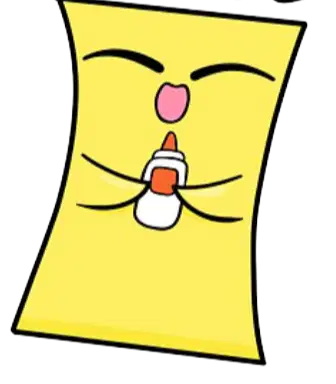
Which enzyme glues the short Okazaki fragments together?
Helicase
Ligase
RNA Polymerase

Which of the following enzymes correctly identifies the RNA base needed to complete transcription and builds an mRNA strand?
DNA Helicase
Ligase
RNA Polymerase
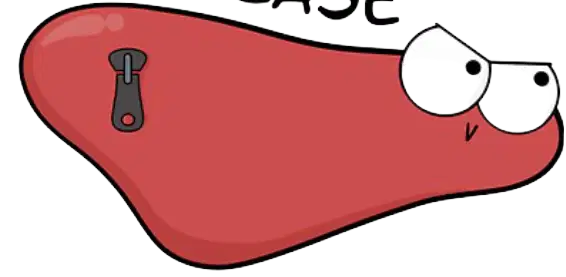
Which enzyme unzips the DNA double helix?
Helicase
Primase
RNA Polymerase

Which enzyme adds an RNA primer to tell other enzymes where to start Replication or Transcription?
Helicase
Primase
RNA Polymerase
DNA molecules differ from RNA molecules in which of the following ways?
A. DNA molecules contain a different type of sugar than do RNA molecules.
B. DNA molecules contain the nitrogenous base cytosine, which RNA molecules do not.
C. RNA molecules contain the nitrogenous base uracil, while DNA molecules do not
D. DNA is double stranded, RNA is single stranded
A, B, and D only
A, C, and D only
B and D only
ALL
Below is an original strand of DNA. Using the original strand of DNA,
which complementary strand of RNA would be transcribed?
3’ – TAGCCAACGTACGTACG – 5’
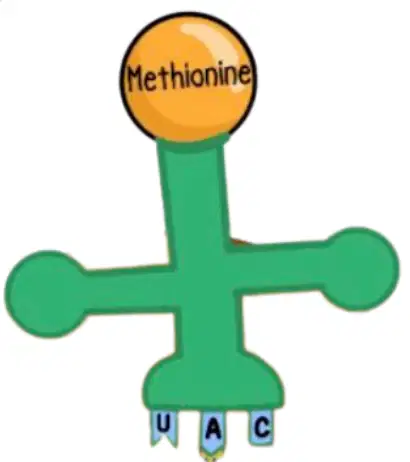
What is this a picture of?
tRNA
mRNA
Ribosome
rRNA
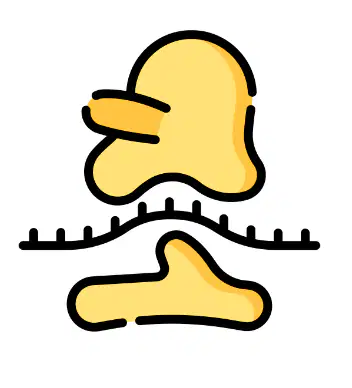
What is this a picture of? (The two yellow pieces)
tRNA
mRNA
Ribosome
rRNA
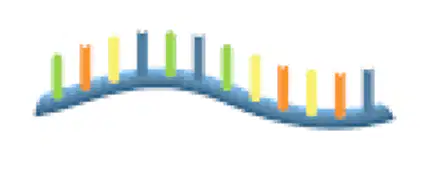
What is this a picture of?
tRNA
mRNA
Ribosome
rRNA
Place the following events in order from DNA to protein:

DNA – TAC GCG CGT ATT
Which of the following proteins would be produced?
Met – Arg – Arg – Stop
Ile – Arg – Ala – Stop
Met – Arg – Ala – Stop
Met – Ala – Thr – Stop

What phase of mitosis is this, where the chromosomes separate?

What phase of mitosis is this, where the chromosomes line up?



