
NEW
Font size
 Worksheets
GREEN 1
Total questions: 7
Worksheet time: 4mins
How is shock defined?
Acute pathology that affects the mitochondria, leading to metabolic acidosis.
Inadequate tissue perfusion leading to hypoxia and cellular death.
Medical condition characterized by hypotension requiring vasoactive drugs.
Sudden drop in blood pressure due to different etiologies.
Serious inflammatory disease caused by a hypersensitive reaction.
What is the most probable type of shock displayed for this clinical scenario?
Distributive
Hypovolemic
Cariogenic
Obstructive
Mixed
What’s the most probable etiology for the patient’s symptomatology?
Autoimmune disease
Internal bleeding
Bacterial infection
Cardiac tamponade
Myocardial infarction
How would you explain the pathophysiology of this patient?
Hypercoagulation state
Loss of intravascular fluid volume
Decreased CO due to intracardiac etiology.
Decreased CO due to extracardiac etiology.
Redistribution of fluids
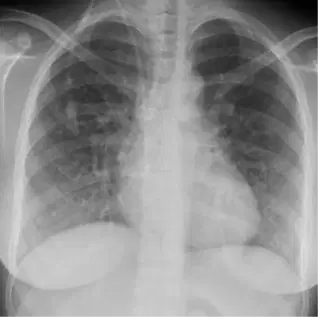
Which clinical findings are compatible with the patient’s CT?
Pneumoperitoneum
Normal study
Hemoperitoneum
Cephalization of pulmonary veins
Cardiac tamponade
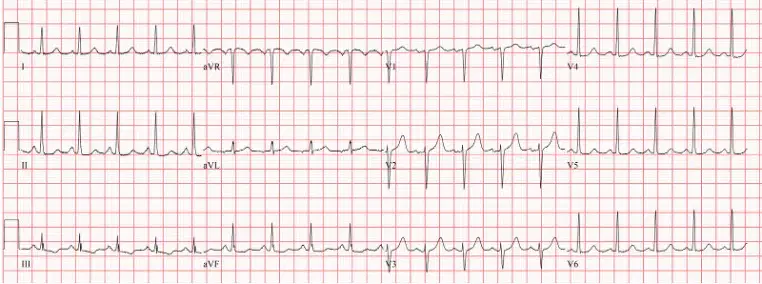
Which clinical findings are compatible with the EKG?
Supraventricular tachycardia
Anterior myocardial infarction
Posterior myocardial infarction
Sinus tachycardia
Bradycardia
Management of this patient would most likely require which of the following steps?
Fibrinolytic therapy
Empiric broad spectrum antibiotics
Surgical intervention
Pericardiocentesis
Diuretics administration

