wayground logo

Free Printable Worksheets

NEW

Font size

S
M
L
XL
Worksheets

Environmental Systems Final Exam

Total questions: 50

Worksheet time: 30mins

Name
Class
Date
1.
Pollution _________________________.
a)
is harmful materials put into the environment
b)
found in air, water, and land
c)
effects plants, animals, and people
d)
All of the above
2.
To reduce pollution in the environment, people should ______________ materials.
a)
recycle
b)
pollute
c)
throw away
d)
clean
3.
Which of the following does NOT cause water pollution?
a)
oil spills
b)
garbage
c)
fertilizers from farms
d)
smoke
4.
__________________ is using materials wisely to protect them.
a)
Pollution
b)
Conservation
c)
Recycling
d)
Smog
5.
Which of the following items could you recycle?
a)
An old newspaper
b)
A plastic soda bottle that is empty
c)
An empty cereal box
d)
All of the above
6.
What is one thing humans can do to positively impact the environment?
a)
They can throw their trash away anywhere. 
b)
They can recycle items if possible.
c)
They can empty their drinks into rivers and other water sources.
d)
They can work in factories that produce a lot of smoke.
7.
What is a landfill?
a)
A place for people to recycle
b)
A place where people's trash is taken
c)
A place where oil spills begin
d)
A type of factory
8.
How do landfills effect the environment?
a)
Landfills cause fish to be poisoned and die.
b)
Landfills support plant growth and healthy soil.
c)
Landfills cause smog in the air.
d)
Landfills cause chemicals from trash to absorb into the soil and harm plants.
9.
The car is creating ____________________.
a)
air pollution
b)
land pollution
c)
water pollution
d)
an oil spill
10.
Which is an example of recycling?
a)
Making new glass bottles from old ones
b)
Turning the water off while you brush your teeth
c)
Turning all the lights on when it's dark
d)
Using paper cups instead of glasses
11.

Demography is:

a)

The study of democracy.

b)

The study of human populations.

c)

The study of graphs.

d)

The study of ecosystems.

12.

Which of the following is NOT an example of a Density Dependent Factor?

a)

Parasitism

b)

Natural Disasters

c)

Predation

d)

Competition

13.

The movement of individuals into an area is known as:

a)

Supplementation

b)

Emigration

c)

Immigration

d)

Eradication

14.

Emigration is:

a)

When a population continues to increase.

b)

When individuals move into an area.

c)

When individuals move out of an area.

d)

The study of human popuations.

15.

In a given area, if the population of predators increases, the population of prey will _____________.

a)

increase

b)

decrease

c)

remain about the same

d)

go extinct

16.

Population density can be best described as:

a)

The amount of deaths that occur in a population

b)

The amount of births that occur in a population

c)

The amount of individuals in a given space.

d)

The amount of available nutrients in an ecosystem

17.

Ever since the Industrial Revolution, human population has generally:

a)

increased

b)

decreased

c)

remained the same

d)

ecology

18.

A biotic or abiotic resource in the environment that causes population size to decrease is a

a)

growth factor

b)

limiting factor

c)

carrying capacity

d)

limiting nutrient

19.
______ is the measurement of how many different plants and animals are in an area.
a)
Variety
b)
Biodiversity
c)
Selection
d)
Living things
20.
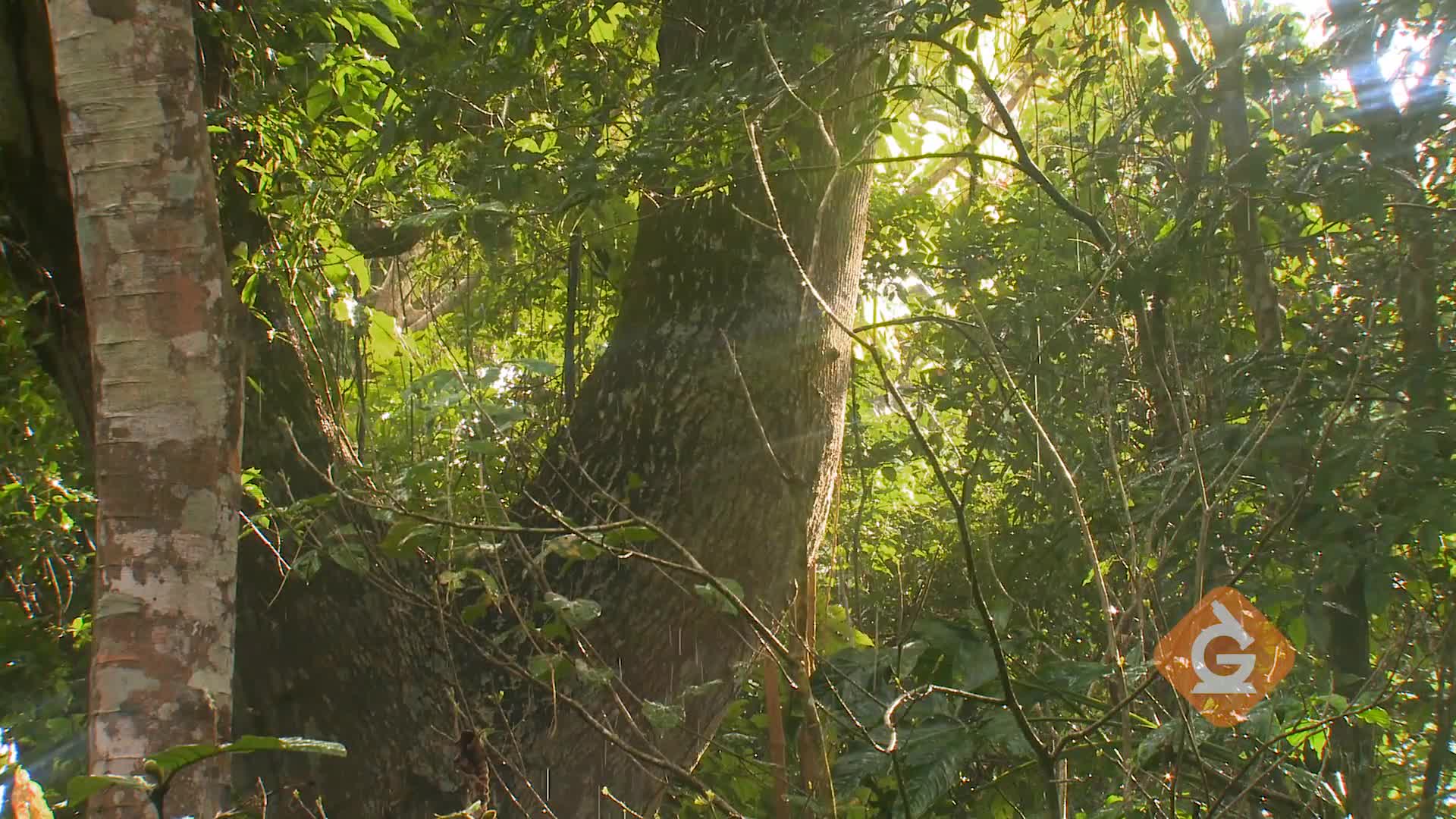
This habitat is home to more than 40% of all living things on Earth.
a)
rainforest
b)
backyard
c)
desert
d)
arctic
21.
An animal that eats whatever it can find is a _____.
a)
herbivore
b)
carnivore
c)
scavenger
d)
vegan
22.
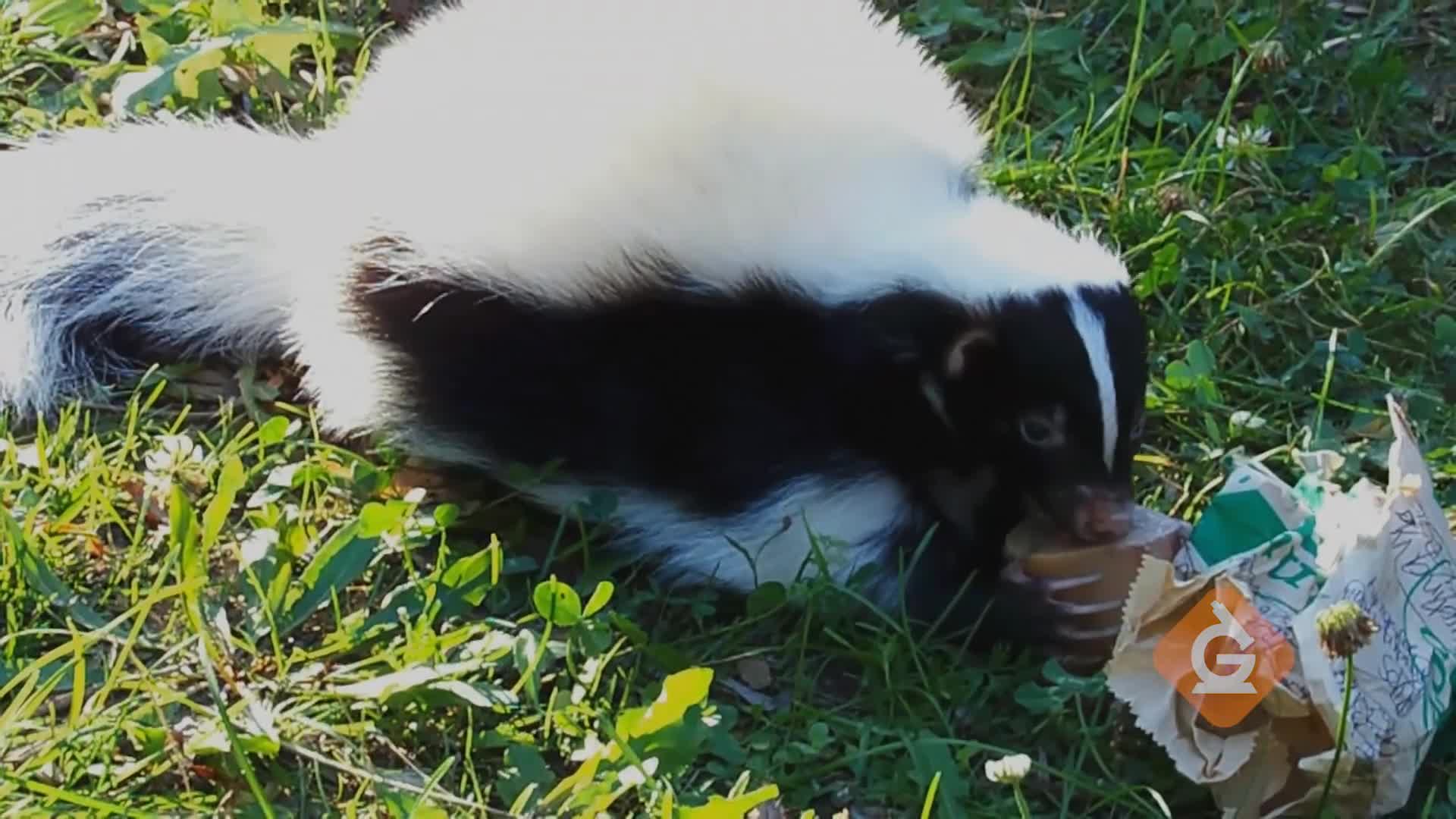
The stinky skunk doesn't have very many ______.
a)
predators
b)
teeth
c)
hairs
d)
toes
23.
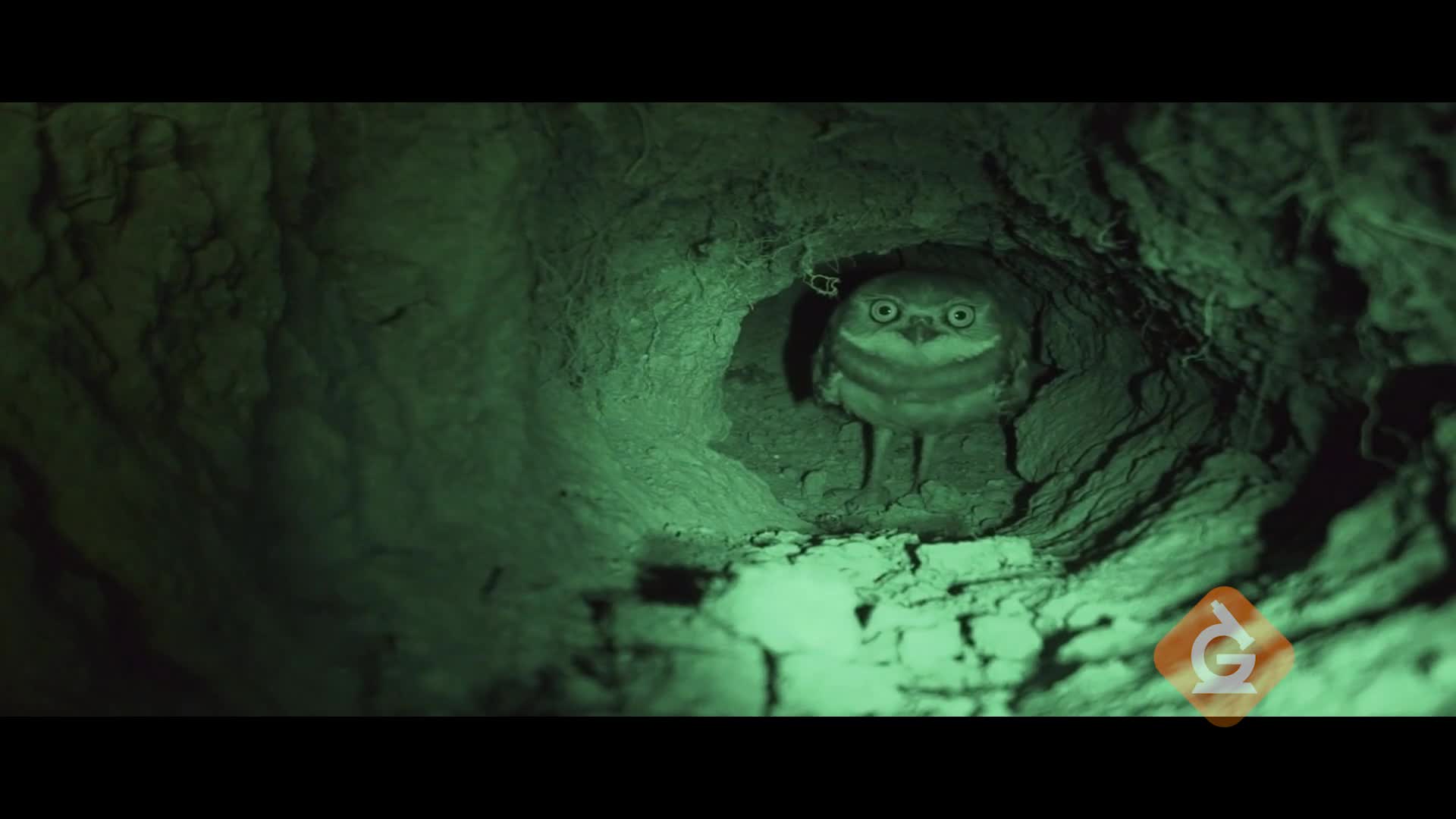
Where do many desert animals live?
a)
in trees
b)
underground
c)
in the water
d)
in the air
24.
When lots of different plants and animals live in an area, the biodiversity is __________.
a)
high
b)
medium
c)
low
d)
colorful
25.
Do we need greenhouse gases on Earth?
a)
Yes - they keep the Earth warm
b)
Yes - they keep all the gases on our planet
c)
No - they only cause terrible climate change
d)
No - they only block some of the Sun's rays
26.
Which of the following are greenhouse gases?
a)
Carbon dioxide
b)
Methane
c)
Nitrous Oxide
d)
All answers are correct
27.
Why is the increase of Greenhouse gasses a big issue?
a)
It causes climate change and increase in the global temerature 
b)
It can lead to a major increase in Greenhouses 
c)
It leads to more factories
d)
It causes a major decrease in people
28.
The gradual increase in the temperature of the atmosphere is known as ________________.
a)
Greenhouse Effect
b)
Global Warming
c)
Carbon Dioxide Gases
d)
Methane
29.
Which of the following is the most troubling greenhouse gas being produced by humans?
a)
Water Vapor
b)
Carbon Dioxide
c)
Methane
d)
Nitrous Oxide
30.
Why does cutting down trees increase global warming?
a)
trees soak up carbon dioxide
b)
trees provide shade which counteracts global warming
c)
trees absorbs the sun's energy without radiating back into the atmosphere
d)
trees drain greenhouse gases like methane from soil
31.
Without the Greenhouse Effect the Earth would be too
a)
warm 
b)
cold
c)
dead
d)
funny
32.
Global warming and the greenhouse effect are exactly the same.
a)
True
b)
False
33.
Which of the following is NOT an effect of Global Warming?
a)
Polar ice caps will melt.
b)
Coastal regions will be covered with rising sea levels.
c)
Some areas will experience serious droughts
d)
The Earth's rotation will slow down and eventually stop
34.
Which of the following is the best conclusion that can be made from this graph?
a)
atmospheric carbon dioxide levels have been decreasing since 1960
b)
Hawaii has a lot of carbon dioxide
c)
humans have been working hard to decrease carbon dioxide levels
d)
atmospheric carbon dioxide levels have increased steadily since 1960
35.
The main human activity that releases greenhouse gases is
a)
using bottled water
b)
burning fossil fuels
c)
texting on cellphones
d)
eating meat
36.
Which of the following is contributing to an increase in carbon dioxide in the atmosphere?
a)
deforestation
b)
photosynthesis
c)
oceans
d)
all of the above
37.
Melting of glaciers and polar ice caps....
a)
will result in cooler temperatures in the Arctic
b)
will result in sea-levels rising
c)
Will have no effect on ecosystems
d)
None of the above
38.
Carbon is stored in
a)
Trees and other living things
b)
Oceans
c)
underground in soil and fossil fuels
d)
All are correct
39.
The second layer of the atmosphere up from Earth, where the ozone layer is that protects us from harmful UV rays, is the
a)
thermosphere
b)
stratosphere
c)
troposphere
d)
mesosphere
40.
The warming of the atmosphere by the trapping of heat being radiated to space is called
a)
evaporation
b)
condensation
c)
the greenhouse effect
d)
radiation
41.

One advantage of wind turbines on land is-

a)

that crops can still be grown under them

b)

that they don't make any noise

c)

that they don't have any environmental impact

d)

that they can be placed anywhere that it's flat

e)

all of the above are true

42.

One disadvantage of wind turbines is-

a)

they require a lot of space to make a lot of energy

b)

they pose a threat to birds and bats

c)

they're noisy

d)

that strong wind currents aren't always available

e)

all of the above are true

43.

Which of the following are fossil fuels?

a)

(1) oil

b)

(2) natural gas

c)

(3) coal

d)

all of the above

e)

only (1) and (3) answers are correct

44.

One of the biggest advantages of using solar heating is-

a)

that there are no emissions

b)

that the solar panels are light weight

c)

that not many are needed to make electricity

d)

that the solar panels aren't expensive

45.

One of the biggest benefits of using nuclear power is-

a)

that there isn't any waste

b)

that it's very efficient

c)

that it's cheaper than using fossil fuels

d)

that it's renewable

46.

What is one of the drawbacks (negatives) of geothermal energy?

a)

It's non-renewable

b)

It's too expensive to be a good source of energy

c)

It releases emissions

d)

It is only found in Europe

47.

Tidal and wave power are-

a)

(1) examples of renewable energy sources

b)

(2) not very common world-wide

c)

(3) are relatively expensive to install

d)

all of the above are correct

e)

Only (1) and (2) answers are correct

48.
In the energy pyramid here, how much of the energy in each level gets lost as heat or used by the organism for survival?
a)
80%
b)
90%
c)
10%
d)
20%
49.
Which animal is the apex predator?
a)
hawk
b)
lizard
c)
snake
d)
grass
50.
What is this called?
a)
Food Web
b)
Food Chain
c)
Abiotic Factors