
 Worksheets
5th Grade AdVENTURE CAASPP Part 2
Total questions: 100
Worksheet time: 1hrs 16mins


50 ml of water was added to the graduated cylinder. After we drop in the object, the new water level goes up to 60 ml. What is the volume of the blocks?
8 ml
10 ml
60 ml
5 ml
Amy finds the volume of a graduated cylinder with a pencil in it. The volume was 37 ml. If the volume before the pencil was added was 35 ml. Then what is the volume displacement?
1 millilitre
1 litre
2 litre
2 millilitre
Drake finds the volume of a graduated cylinder with a ring in it. The volume was 31 ml. If the volume before the penny was added was 23 ml. Then what is the volume displacement?
11 ml
8 ml
14 ml
9 ml

What is the volume of the two red spheres?
4 ml
6 ml
2 ml
8 ml

What is the volume of the ring?
64 ml
68 ml
8 ml
4 ml

What is the volume of the cylinder?
10 ml
15 ml
8 ml
5 ml

How do you measure the volume of an irregular shaped object?
Measure the length and width of the object
Measure the mass of the object
Use the volume displacement method
Measure the height of the object
The difference in volume in a graduated cylinder when an object is added is called....
displacement method
density
mass
weight

What is Sponge Bob's volume?
1 mL
2 mL
52 mL
50 mL

What can happen to an igneous rock after it is formed?
It can be transformed to metamorphic rock.
It can harden and remain the same size and texture permanently.
It can eventually weather into limestone.
It can form rock that eventually becomes amethyst.
How long does it usually take for a rock to make a complete trip through the rock cycle?
Thousands of years
Centuries
Millions of years
Decades
Rocks that are transformed into different rocks under intense heat and pressure are known as _____.
sedimentary rocks
volcanic rocks
igneous rocks
metamorphic rocks
If you found a rock that appeared to have been formed directly from volcanic activity, how would you classify it?
Sedimentary rock.
Igneous rock.
Volcanic rock.
Metamorphic rock.
If you wanted to collect sedimentary rocks, what sort of characteristics would you look for in a rock's composition?
Rock made from eroded material broken off other rocks and cemented together.
Rock that formed from magma or lava during a volcanic eruption.
Rock that includes sparkly crystals and other types of gemstones
Rock that has been transformed into new substances due to intense heat and pressure.
In which type of rock might you see a fossil?
Marble
Igneous rock
Metamorphic rock
Sedimentary rock
How are igneous rocks created?
It can be transformed to metamorphic rock by heat and pressure.
It can harden and remain the same size and texture permanently.
It can eventually weather into limestone, a sedimentary rock made from sea shells.
It can form rock that eventually becomes amethyst, a mineral crystal.
How are metamorphic rocks created?
Cooling and crystallizing as it moves away from the core
Formed from pieces of other rock
None of these options are correct.
Heat and pressure as they move toward the core
How are sedimentary rocks created?
Formed from pieces of other rock
Heat and pressure as they move toward the core
Cooling and crystallizing as it moves away from the core
None of these options are correct.
What rock type is formed from the slow cooling of magma under the earth's surface?
Extrusive igneous
Intrusive igneous
Metamorphic
sediment

This illusion of the pencil in water is caused by __.
reflection
refraction
transmission
absorption
You wake up one morning and see that it is foggy outside. Which term best describes the fog you see?
opaque
reflective
translucent
transparent
Objects that allow SOME light to pass through
transparent
translucent
opaque
Objects that allow ALL light to pass through
transparent
translucent
opaque

What might happen to an object sitting on top of a speaker if loud music is played through the speaker?
Absolutely nothing would happen to the object.
The object could move due to the vibrations of the sound.
The object could appear a different color because the sound is absorbed.
The object could stop the sound from being transmitted out of the speaker because sound cannot travel through a solid.
How does sound travel?
in waves
only through the air
through magnets
as thermal energy
Which TWO of the following statements about sound are NOT true?
Sound is produced through vibrations.
Sound travels in waves.
Sound can travel through outer space
Sound waves can bounce off of objects to create an echo.
Sound waves can only travel through the air.
Sound waves can travel through all three states of matter. Which of the following best explains why sound travels most quickly through a solid?
Solids always produce an echo, which makes the sound seem louder to the human ear.
Only solids allow the vibrations to travel from one atom (particle) to another.
In solids, the atoms (particles) are closest together, which allows the vibrations to travel rapidly from one to another through the object.
Sound does not travel quickly through a solid. It travels most rapidly through a gas.
Why can't sound travel through outer space?
There is almost no matter in outer space, so the vibrations have no way to travel through the atmosphere. There is nothing to carry the sound waves through space.
Sound actually travels very quickly through outer space because there is no matter to slow down the sound waves.
There are too many planets and stars in outer space that absorb all of the sound waves, so they cannot travel to the human ear.
Because outer space is a "vacuum," the vibrations are irregular and travel in too many directions for us to detect the sound.
If you pluck a guitar string, it vibrates and creates a sound. In order to stop the sound, you could...
blow on the string.
pluck a different string.
place your hand on the string to stop the vibration.
pluck the same string again.

Which of these waves would produce a high pitch sound?
Low frequency wave
High frequency wave
What determines the pitch of a sound?
The amount of energy used to create the vibration
The wavelength of the sound wave.
The volume of the sound.
The frequency of the vibrations.
Which of the following best explains why vibrations from a thick rubber band make a lower-pitched sound than vibrations from a thin rubber band?
The thick rubber band is shorter.
The thick rubber band is longer.
The thick rubber band moves faster.
The thick rubber band moves slower.
A sound wave with low amplitude produces which type of sound?
High
Low
Loud
Soft
What happens to a sound wave in a vacuum?
It travels the same in a vacuum as it does in the air.
The sound wave would travel slower because the molecules will slow it down.
Sound cannot travel in a vacuum because there is no matter in a vacuum
The sound wave would travel faster because of the molecules in a vacuum.
What does it mean when the light is refracted?
It is scattered by the medium
It is absorbed in the medium
It goes through a medium
It bends
The ability to do work
Sound wave
Light wave
Energy
Medium
As the amplitude of a wave increases....
Energy isn't affected
Energy stays the same
Enery decreases
Energy increases
The Law of Conservation of Mass States
Energy cannot be created nor destroyed, it can only change form.
Mass cannot be created nor destroyed, it can only change form.
Mass can be created or destroyed, it cannot change form.
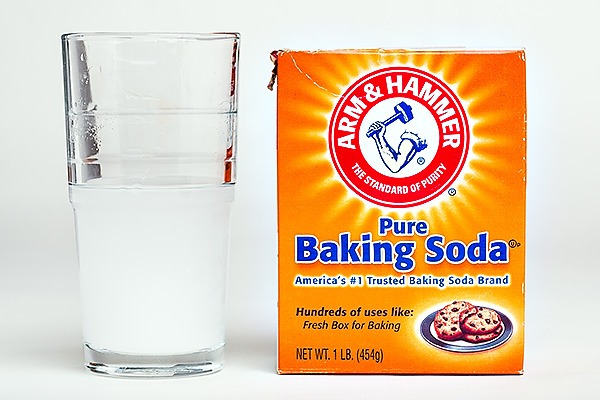
If a physical change occurs...
A new substance has been formed
The substance is the same, but looks different



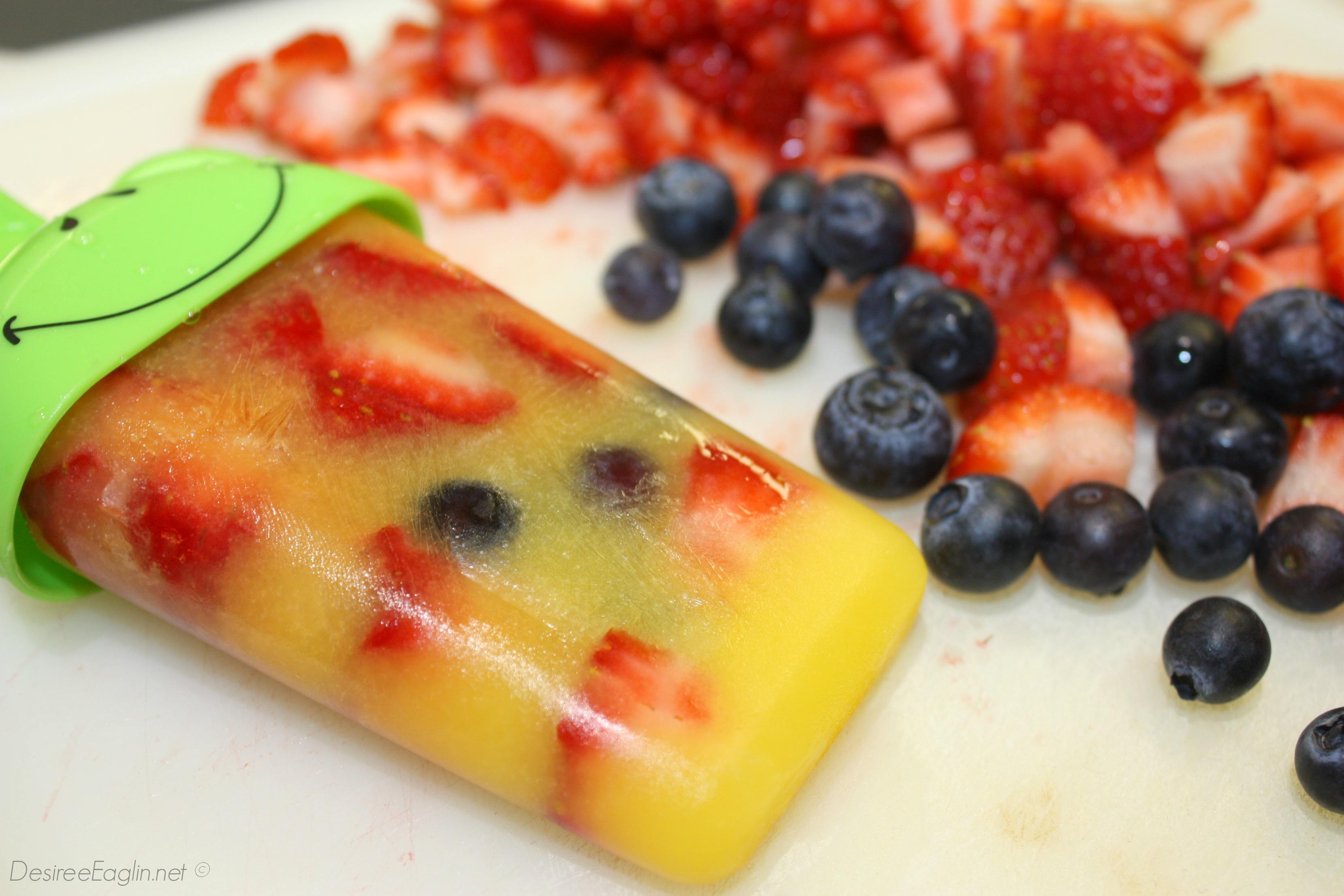
the amount of matter in an object
mass
matter
volume
density

a characteristic that you can observe directly or measure with a tool such as mass, size, shape, color, texture, and volume
chemical property
physical property
chemical change
physical change

when one or more substances combine to make something new
chemical property
chemical change
physcial change
mixture

The butterfly is on a pink flower.
These kind of observation use your senses to observe results.
qualitative
quantitative
These kind of observations are made using instruments such as rulers, balances and thermometers.
qualitative
quantitative
What is melting?
a change from liquid to solid
a change of smell
a change from solid to liquid
a change of amount of solute
What causes objects to melt?
cold
heat
sound
stirring

