
 Worksheets
3rd LEAP Science Review
Total questions: 81
Worksheet time: 50mins


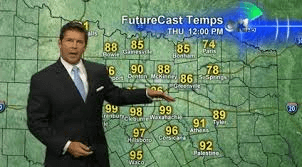
What is weather?
Weather is the clouds.
The average weather in a place for a long period of time.
How hot it is.
The daily condition of the atmosphere.
What is climate?
What happening in our atmosphere at a time and place.
The average temperature over many years.
The average weather in a region over a long period of time.
rain, snow, sleet or hail

Name the four seasons.
Spring
March
Summer
Winter
Spring
Summer
December
January
April
May
Autumn
Winter
Spring
Summer
Autumn
Winter

What is the climate of Cairo ?
Arid
Semi-Arid
Mild
Tropical dry

Look at the graph.
In which months were the temperatures the Highest ?
January
February
March
April
July
August

The graph shows the rainfall in Florida. Which season gets the most rain?
Winter
Spring
Summer
Fall

A class of students research the annual temperatures of four major biomes. The students share the information they gather on the tundra, tropical rain forest, desert, and grasslands biomes in the charts below. Which of the following explains a similar climate to that of the tropical rain forest?
The grasslands have a cooler climate during the summer months than the tundra.
The tropical rain forest and deserts have similar yearly temperatures.
The tropical rain forest and desert have consistent types of temperatures during the day and night.
The tundra biome and the tropical rainforest biome receive direct sunlight.

The map shows climates in Africa. A rain forest is a place with a warm climate that gets lots of rain. Where are the rain forests in Africa?
In the widest part to the north
Almost everywhere on the east side
At the very end of the tip in the south
In the middle on the west side

The table shows how much snow falls in Central Park each year. Which two months have more than 150 millimeters of snow?
January and February
September and October
March and April
November and December
Are climate and weather the same thing?
Yes - they both have to do with precipitation and temperature.
No - climate is weather over a long period of time, and weather is the temperature and precipitation at just one time
No - weather is the temperature and precipitation over a long period of time, and climate is the temperature and precipitation at just one time

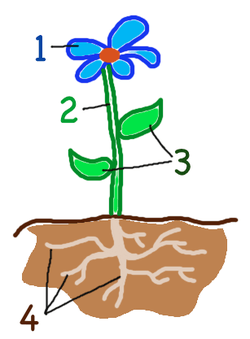
flower
stem
root
leaf
Plants and animals both have life cycles.
True
False

Which life cycle is this?
bird
horse
lizard
frog
Horse, whale, and a dog are examples of which kind of animal?
bird
fish
reptile
mammal

Compare the life cycles of lady bug and beetle. How are they the same.
The lady bug has a larva state and the beetle does not.
The lady bug and beetle both have a pupa stage.
The lady bug adult lays the eggs but the beetle adult does not lay eggs.
The lady bug hatches into a young lady bug and the beetle hatches into a larva.

Which is one way the young woodpecker will change as it grows up?
it will grow more toes
the beak will break off
the tail feathers will become shorter
will grow a red crest on its head

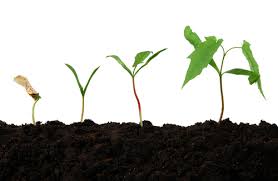
What is the correct order the seed would grow?
seed, young plant, seedling
seed, seedling, young plant
young plant, seedling, seed
seedling, seed, young plant

Which of the following will best complete the life cycle?


What part of the flower absorbs water?
pollen
fruit
stem
roots
Plants and animals both have life cycles.
True
False
What is the first stage in the life cycle of most animals?
Egg
Adult
Larva
The word organism means?
Living things
Eggs
Nymph

Because an elephant lives longer than a mouse, the elephant is said to have a longer?
Life cycle
Life span
An organism that is fully grown is called?
Larva
Adult
Pupa
Describes a group of living things that are no longer living.
fossil
extinct
endangered
dinosaur
The hardened remains of a living thing that died long ago.
fossil
extinct
endangered
minerals

An animal has sharp, pointy teeth, what can we infer about this animal?
The animal lived in the water
The animal lived near the beach.
The animal is a carnivore.
The animal only ate plants.
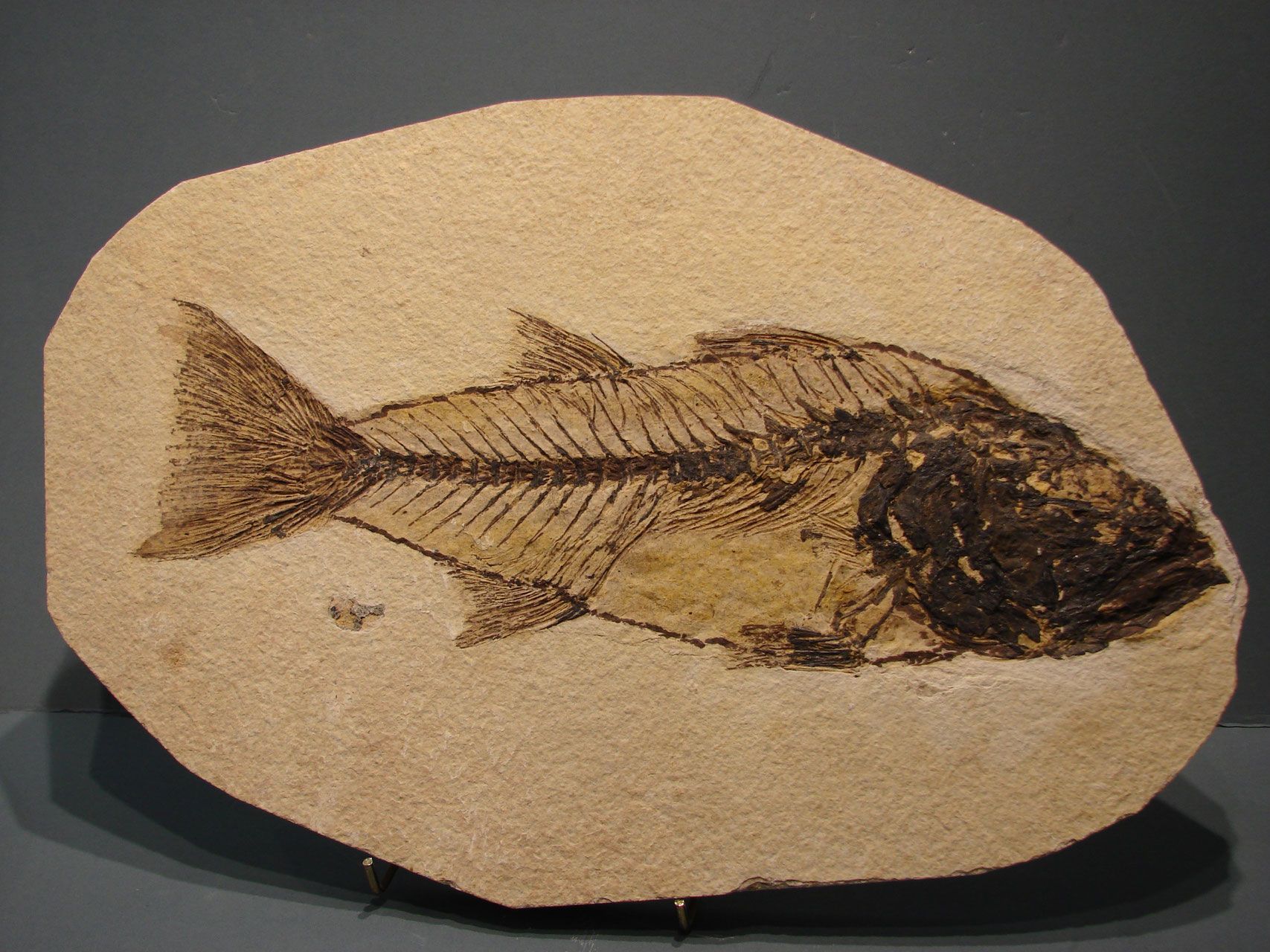
If a scientist found a fish fossil in the desert, what can they infer?
An animal ate the fish.
The water covered the area long ago.
Today's fish looks the same
The fish is endangered.
How are an elephant and a mammoth alike?
They are both endangered.
They are both extinct.
They both have tusks.
They both live in a warm climate.
What needs to happen FIRST for a fossil to form?
A plant or animal must be covered by sediment.
A plant or animal must die and decompose.
Sediments fill a a mold to form a cast.
An earthquake shifts the land up.
Which of these animals is extinct?
Camel
Rhino
Red Panda
Saber-toothed cat

What can we infer about animals with dull teeth?
They ate other animals.
They ate only plants.
They ate nothing.
They only ate fish.
a trait or behavior that helps a living thing stay alive and reproduce
learned behavior
inherited trait
ecosystem
adaptation
to make more of the same kind
predator
reproduce
prey
behavioral adaptation
an animal that hunts and eats other animals
predator
prey
structural adaptation
learned behavior
an animal that is hunted and eaten by other animals
predator
prey
behavioral adaptation
inherited trait
A specific characteristic of an individual organism.
( example: thick fur)
trait
individualism
feature
gene
Everything that surrounds an organism.
adaptations
environment
mutation
adaptive trait
adaptations can be :
camouflage
hunting skills
ability to survive cold weather
all of the above
Differences in traits are called
variations
adaptations
natural selection
population
To _________ is to stay alive.
design
prey
survive
infer
A colony of ants is a (a) that works together to survive.
There are some animals that survive by living alone.
True
False
Some animals, such as wolves and lions, (a) for food in groups.
Look at these facts about penguins:
-Some penguins in the group watch for predators while others care for the young.
-They can huddle together to stay warm.
-Some penguins in the group can hunt for food.
These are all advantages of __.
living in cold climates
having feathers
having a black and white coat
penguins living in groups
Animals have better chance of surviving when living in groups.
no
some
all

Frogs have to blend in with their environment. This lets them hide from predators. What can you tell about these frogs?
The frogs have equal chances at survival.
Neither frog will be able to survive in their environment.
The blue frog has a better chance at survival.
The green frog has a better chance at survival.

Which organism is more likely to survive in this environment?
White organism with no fur
White organism with fur
Brown organism with fur
None of them will survive

Which animals would stay safe from predators
by blending in with their environment?
Check all that apply
Giraffe
Polar bear
Zebra
Owl
What is an organism?
an animal that hunts and eats other animals
a living thing, such as a plant or an animal
The parts and the way those parts work together

Balanced force
when objects touch
to apply
when the forces exerted on opposite sides of an object are equal in strength
when the forces exerted on opposed sides of an object are NOT equal in strength.

contact
when objects touch
the path along which an object moves
pull
push
The Path along witch an object moves
push
direction
pull
gravity
to Exert energy means to ________
apply a force
repel a force
pull
push

This is an example of a _____
pull
gravity
push
lift

This is an example of a _______
push
gravity
lift
pull
A force that pulls objects toward Earth is ________
push
gravity
pull
friction
A push and a pull on an object is an example of a _______
mean thing to do
gravity
force
speed
A force exerted by a magnet that can cause it to attract objects made from certain kinds of metal and attract or repel other magnets is a __________.
magnetic force
strong force
electric force
unbalanced force
When an object is NOT in motion, the object is at __________
speed
rest
gravity
motion

The basketball is an object that is _______.
at rest
showing gravity
an electric force
in motion

The picture represents a forces exerted on opposite sides of an object that are not equal in strength.
seesaw
magnetic force
unbalanced force
balanced force
______________________ is a type of force that keeps objects in motion or slows them down.
force
gravity
energy
friction
The ability to do work is called ___________________.
force
gravity
energy
friction
Which of these is an example of work?
sitting in a chair
kicking a soccer ball
sleeping
reading a paper
Which of these would take the most force to lift?
one book
a cotton ball
a pencil
a box of bricks
An object in motion will stay in motion unless what happens?
a force acts on it
it becomes frozen
it decides to stop
it falls asleep
Gravity is a natural force that _____ all objects towards the center of earth.
pushes
pulls
rotates
spins
The measure of how far an object has traveled?
direction
speed
distance
mass
What will happen when a light-weight object and a heavy object run into each other?
They bounce away equally.
The small object bounces backwards.
The large object bounces backwards.
The small object becomes part of the large one.

