
 Worksheets
Unit 1 Science Revision
Total questions: 22
Worksheet time: 26mins
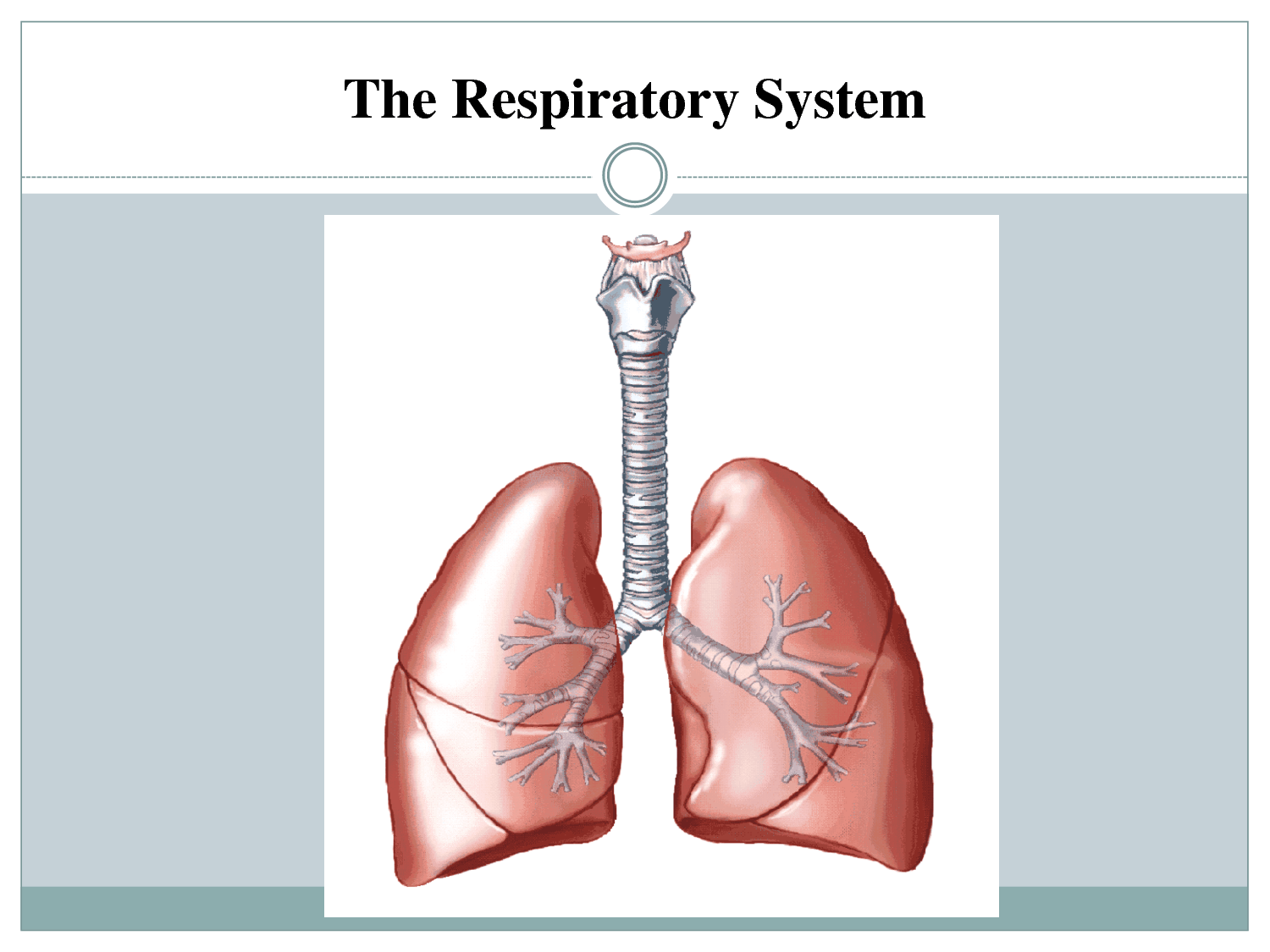
Which are the main organs in the respiratory system?
Heart
Stomach
Lungs
Nose


The job of the heart is to . . .
pump blood around the body.
send blood around the body.
break down food.
give energy to the body.
Deoxygenated blood means that the blood is low in...
Oxygen
Carbon Dioxide
to transport oxygen from the body

Imagine you are a red blood cell...Which is the correct way you are going to follow?
Heart---lungs---heart---rest of the body
Lungs---kydneys---heart---rest of the body
Body---lungs---kidneys---heaft
Heart---lungs---rest of the body
How does physical exercise temporarily affect the pulse?
Increases the pulse rate
Decreases the pulse rate
Has no effect
Breathe harder
When you run around, your body needs a lot more oxygen.
Yes
No

Amy and her friend measured their pulse rates. The table of results show their recordings for the activity. What is the full meaning of 'bpm'?
(a)

What pattern can you see in the result, between the pulse rates, before and after the exercise
Their pulse rate is between 70 and 100 before the exercise
The pulse rate was lower before exercise and higher after exercise.
Their pulse rate after exercise was higher and between 140 and 200.
Their pulse rate was higher than 60.
What appartus/instrument is used to measure pulse rate?
stethoscope
Stopwatch
finger
blood meter
During puberty which of these changes happen to both boys and girls?
(Hint: more than one answer)
voice goes deeper
Pubic hair grows
Skin becomes oily.
Hair grows on face.
What changes do Boys ONLY have during puberty?
grow body hair
shoulders widen
hips widen
What changes happen for GIRLS ONLY?
breasts develop
hips widen
ovulation begins
ALL are true
Puberty occurs so that you can reproduce.
True
False
What are the 3 main causes of infectious diseases?
Viruses
Genetics
Bacteria
Fungi
Plants
Which is NOT a healthy habit you can practice to reduce your risk of getting a disease?
Wash Hands with soap and water
Only drink water that has been boiled
Sneeze in your hands
Wear a face mask
How can infectious diseases be spread from one person to another?
though the air
by body fluids
by furnitures
through food and water
The human body has both internal and external defense against disease. Which of these DO NOT include our body defenses?
oily skin
white blood cells in blood vessels
stomach acid
mucus in the trachea

