Worksheets
HAEC KS4 Biology 2b Organisation
Total questions: 20
Worksheet time: 10mins
The lower chambers of the heart are called the ....
Atrium
Ventricles
Vein
Aorta
What does blood plasma contain? Check all that apply.
fats
fibrinogen
vitamins
oxygen
carbon dioxide

When the coronary _____ are blocked, blood does not flow as well and coronary artery disease begins to develop.
arteries
Symptoms
Blood Pressure
arteriosclerosis
A blockage in a coronary artery can cause a person to suffer a ______________________
Heart Attack
Heart Stopper
Heart Beat

What is this a picture of?
Stent
Valve
Pace maker
Statin
The plant tissue responsible for transportation of substance is
vascular tissue (Xylem & Phloem)
meristematic tissue
epidermal tissue
ground tissue


How does water move from the soil into the root hair cell and reach the xylem vessels?
diffusion
osmosis
active transport
none of the above
Which is true?
99% of water taken by the plant evaporates through transpiration
9% of water taken by the plant evaporates through transpiration
Evaporation through transpiration accounts only for 1% of all the water the plant takes in
Evaporation through transpiration is minuscule
All of the following are forces involved in the process of transpiration EXCEPT ____________.
root pressure
capillary action
active transport
transpiration pull
Was does it mean to say risk factors are correlational and not causal?
someone who has all the risk factors will always get cancer
risk factors do not cause cancer, but people who have the risk factors are more likely to get the cancer
certain lifestyles and lifestyle choices can keep your from developing most types of cancers
genetic risk factors cause cancer, but it not in all people
Which of the following can be the cause of heart disease?
a virus
a fungus
genetics
lifestyle
exposure to environmental factors

The thick walls of the capillaries allow the passage of food, water, and oxygen pass from the blood vessels into the body cells.
True
False
In which direction do arteries carry blood
Into the heart
Away from the heart
In and out of the heart
What is the purpose of the valves located in veins?
To keep the vein open for blood to flow through
To keep blood flowing in one direction through the vein
To allow blood to flow in both directions within the vein
To allow the blood to flow back down to the lower parts of the body
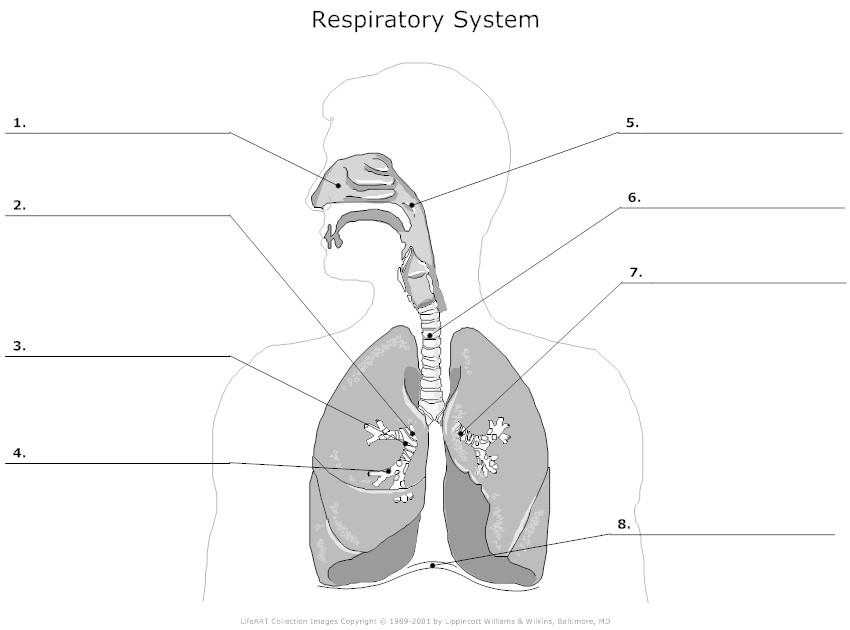
The blood vessels that surround the alveoli are called:
Veins
Arteries
Capillaries

When you breathe, your lungs take in ___ and remove ___.
air/oxygen
oxygen/carbon dioxide
carbon dioxide/waste
waste/air