
Font size
 Worksheets
Pig Breeds, Terminology, and Production
Total questions: 25
Worksheet time: 4mins
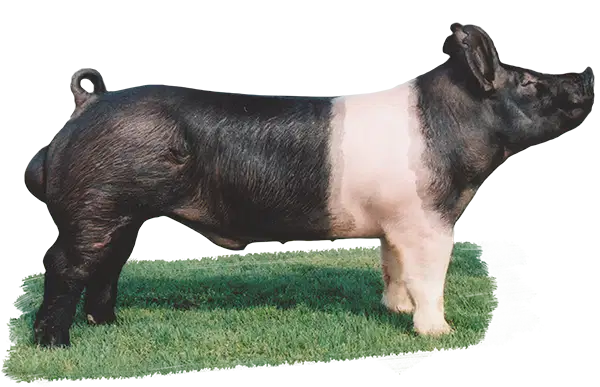
Origin: Southern Scotland and Northern England
Color: Black with a White belt
Possibly oldest early-American breed
Berkshire
Hampshire
Yorkshire
Duroc

Origin: England
Color: Predominantly Black with white on face, legs, and tip of tail.
Classified as lard pigs due to a high concentration of fat.
Berkshire
Hampshire
Yorkshire
Landrace
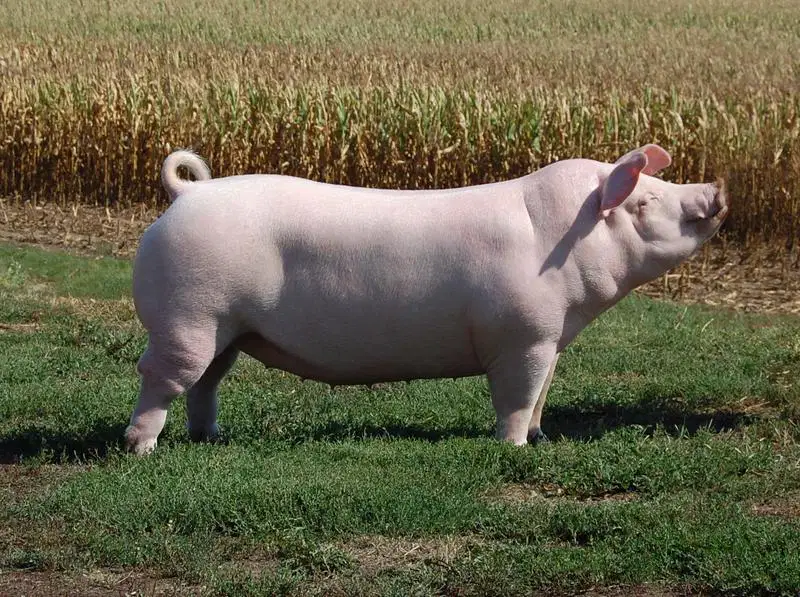
Origin: Pennsylvania
Color: White with droopy medium sized ears
Known for rapid growth and mothering ability.
Berkshire
Landrace
Yorkshire
Chester White

Origin: USA
Color: Light golden to deep mahogany red
Do well in hot and cold climates, very docile
Duroc
Landrace
Berkshire
Yorkshire
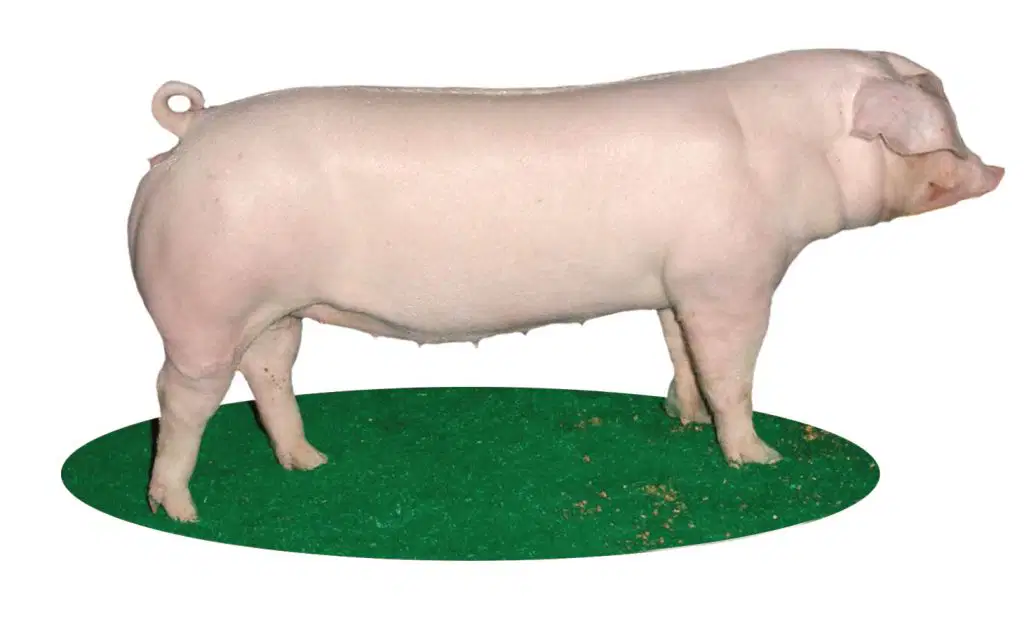
Origin: Denmark
Color: White with lop ears.
Known as "America's Sowherd", Crosses well with other breeds
Yorkshire
Chester White
Landrace
Duroc

Origin: Miami Valley, Ohio
Color: Typically black sometimes with six white patches
Big Bill, the largest hog ever recorded, was 2,552 pounds.
Berkshire
Hampshire
Poland China
Spotted

Color: Black and white spots with no red or brown tints
Part of their ancestry traces back to original Poland China
Berkshire
Poland China
Spotted
Hampshire

Origin: England
Color: White with Erect ears
Most recorded breed of swine in US and Canada
Chester White
Yorkshire
Landrace
Hampshire
What weight break does a pig become a hog?
100 pounds
120 pounds
150 pounds
200 Pounds
What is used to identify pigs?
Ear tags
Ear Notching
Tattoos
Brands
Which is NOT a reason most producers do not keep pigs in a pasture?
They are difficult to move
They are destructive
They are lazy
They are hard to fence in
How many pounds worth of retail pork does a 275 pound pig typically produce?
100
125
150
200
How many pounds of pork are produced in the US each year?
5 million
10 Billion
15 million
23 Billion
What percent of the pig farms in the US are family owned and operated?
50 %
75%
90%
98%
Why do pigs lay in the mud?
They like to be dirty
They are lazy
This is how they cool off because they don't sweat
They get bored easy and like to play
Female pigs are (a) for 3 months, 3 weeks and 3 days.
How many pounds of feed must a pig eat to gain 1 pound
1 pound
2 pounds
2.5 - 3 pounds
4 - 5 pounds
Pork products produced on farms in the US are also shipped to ________.
Mexico
Japan
Both
Neither
Which is NOT a products made from pork?
Bacon
Veal
Ham
Sausage
Which of the following is a by-product from pigs?
Chewing Gum
Crayons
Bristle Brushes
All of the Above
A _________ is a female pig who has given birth.
Sow
Gilt
Barrow
Boar
A castrated male pig is a ______.
Boar
Stallion
Gelding
Barrow
A young female pig that has not given birth is a ______.
Heifer
Sow
Mare
Gilt
Which is NOT a requirement of a confinement crate system?
Strong Walls
Solid Floors
Temperature Controlled
Indoors
A newborn piglet weighs around ____ pounds.
1
3
5
7

