
 Worksheets
grade 8 science revision mid 3rd term mid 2023
Total questions: 171
Worksheet time: 3hrs 30mins
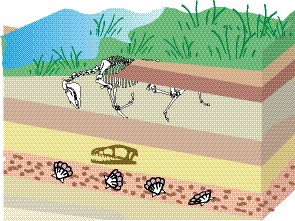
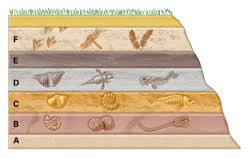


Which layer is OLDER? Layer M or Intrusion P?
Layer M
Intrusion P

Which layer is OLDER? Layer E or Intrusion A?
Layer E
Intrusion A

Which layer is OLDER? Intrusion M or Layer D?
Intrusion M
Layer D
Which of the following provides evidence of how life and environmental changes have changed?
asteroids
tree rings
fossils
melting glaciers
Which of the following is NOT an example of a fossil type?
Mold fossil
Trace fossil
Preserved fossil
Dough fossil
Which of the following represents the era of time that we are currently in?
Paleozoic Era
Mesozoic Era
Precambrian Era
Cenozoic Era
Which of the following is used to determine the age of an artifact or fossil by comparing it to another artifact or fossil?
relative age
absolute age
Which type of fossil only existed for a short period of time and are found abundantly. They are used to help find the relative age of rock layers.
Index fossils
Amber fossils
Mold fossils
Trace fossils
Carbon dating is an example of:
law of super position
relative dating
absolute dating
Fossils are usually found in Sedimentary rocks. Which option describes sedimentary rocks?
form inside or outside of volcanoes
occur when material is subjected to both heat and pressure to become a new rock
made of sand, mud, and rock bits that are cemented together to form various layers
Which of the following can Ice Cores tell us about?
atmospheric and climate conditions of the past
what organisms lived at the time
which types of rock were located near the glaciers
the movement of glaciers over time
Which of the following describes the meaning of "fault?"
where oceanic and continental crust meet
the place where two layers of rock sedimentary rocks intersect
where glaciers are found melting
where there is movement of tectonic plates
Which type of crust is more dense?
oceanic crust
continental crust
Alfred Wegner first hypothesized the idea that the continents were once stuck together in one super continent, but through continental drift, slowly separated over time. How did he justify his idea?
The weather conditions of continents that were side by side were similar
Fossils from the coast of one continent were also found on a nearby continent
Some continents still contain the same animals
Geographic formations on some continents are similar to those of bordering continents
According to the law of super position...
plant fossils will be found above animal fossils
harder fossils will be found below softer ones
younger rocks will be found below older ones
older rocks will be found below younger ones

Which layer contains the oldest organisms?
Layer D
Layer C
Layer A
Layer B
Which era is known as the age of Mammals?
precambrian era
mesozoic era
paleozoic era
cenozoic era
About how old is Earth?
4.6 billion years ago
4.6 million years ago
4,600 years ago
4.6 Eons ago
Which era is known as the age of dinosaurs?
cenozoic era
paleolithic era
mesozoic era
precambrian era
Which type of rock is formed from molten rock?
igneous rock
metamorphic rock
sedimentary rock
When classifying time using the Geologic Time Scale which unit is the largest unit of time?
Period
Eon
Epoch
Era
The Mesozoic Era is found in which Eon?
Phanerozoic
Precambrian
Earth is thought to be formed ______ years ago?
200 thousand
3 million
4.6 billion
who knows
During this period Earth was flowing with lava, the core was unstable, and was the first Era of the Precambrian Eon.
Paleozoic
Hadean
Archean
Cenozoic

What Epoch of the Geological Time scale are we currently in?
Holocene
Paleocene
Hadean
Jurassic

During the Precambrian Eon all of the events happened except.
Fish began to evolve
Single cell organism like bacteria developed
Earth was flowing with lava and their was not oxygen in the atmosphere.
The Proterozoic Era was at the end of Precambrian Eon

During what Period were Dinosaurs present?
Paleogene
Quaternary
Precambrian
Jurassic
During this Era Pangaea was being formed?
Paleozoic
Mesozoic
Cenozoic
Phanerozoic
What two methods are used to divide and classify the geological time scale?
Living organisms
rock strata or layers
DNA
fossils
Put the following units of geological time in order from largest to smallest unit of time.
Epoch, Eon, Era, Period
Epoch, Period, Era, Eon
Eon, Era, Period, Epoch
Period, Eon, Period, Era
A scientist who studies fossil remains in order to study primitive life forms.
Ecologist
Geologist
Zoologist
Palentologist

Which fossil is the youngest
1
2
3
4
Fossils provide evidence of __________.
how life and the environment has remained stable over time
how the climate and weather has remained stable over time
how life and the environmental conditions have changed over time
A Geologist studies ________.
Earth's atmosphere
Earth's environment
Earth's crust
fossils
When did the Precambrian time end?
540 million years ago
65 million years ago
4.6 billion years ago
250 million years ago
ES EL PERIODO MAS LARGO DE LA HISTORIA DE LA TIERRA, ABARCA DESDE SU FORMACIÓN, HACE UNOS 4500 MILLONES DE AÑOS, HASTA 580 MILLONES DE AÑOS.
ERA PRECÁMBRICA
ERA PALEOZOICA
ERA MESOZOICA
ERA CENOZOICA
LLAMADA ERA "PRIMARIA", SE INICIO HACE 580 MILLONES DE AÑOS Y DURO APROXIMADAMENTE DE 300 A 500 MILLONES DE AÑOS.
ERA PALEOZOICA
ERA MESOZOICA
ERA CENOZOICA
N.A
APARECEN LOS MOLUSCOS BIVALVOS, GASTERÓPODOS, CORALES Y ERIZOS DE MAR.
PERIODO CARBONÍFERO
PERIODO SILÚRICO
PERIODO ORDOVÍCICO
PERIODO PÉRMICO
SE INCREMENTAN LOS REPTILES, APARECEN LAS PRIMERAS CONÍFERAS Y LOS GINGKOS.
PERIODO SILÚRICO
PERIODO ORDOVÍCICO
PERIODO PÉRMICO
PERIODO DEVÓNICO
EN LOS MARES APARECE UNA GRAN CANTIDAD DE SERES VIVOS COMO ESPONJAS, GUSANOS, CEFALÓPODOS, MOLUSCOS, BRAQUIÓPODOS Y LÍQUENES.
PERIODO CÁMBRICO
PERIODO ORDOVÍCICO
PERIODO SILÚRICO
PERIODO PÉRMICO
SE CARACTERIZO POR LA APARICIÓN DE LOS ANIMALES MAS GRANDES DE LA TIERRA: LOS DINOSAURIOS.
PERIODO TRIASICO
PERIODO JURÁSICO
PERIODO CRETACICO
N.A
EN LA ERA PALEOZOICA, LA VIDA DE LOS MARES CRECIO Y CAMBIO. LAS PLANTAS EVOLUCIONARON, PERO AUN NO TENIAN HOJAS O EL TEJIDO VASCULAR PARA EXTRAER AGUA Y NUTRIENTES
verdadero
falso
UNA DE SUS PRINCIPALES CARACTERISTICAS ES QUE EN EL PERIODO TRIASICO SE SEPARO LA PANGEA
Mesozoica
Paleozoica
Cenozoica

¿EN QUE ERA APARECE EL SER HUMANO?
Cenozoica.
Cuaternaria.
Mesozoica.
Triásico
ANTERIORMENTE LOS CONTINENTES ESTABAN UNIDOS EN UN SOLO Y ENORME BLOQUE DE TIERRA, LLAMADO:
Pangea
Planeta
Gran Masa
Continentes
WHAT IS THE PRINCIPAL SOURCE OF ENERGY ON EARTH
SUN
MOON
STARS
ALL
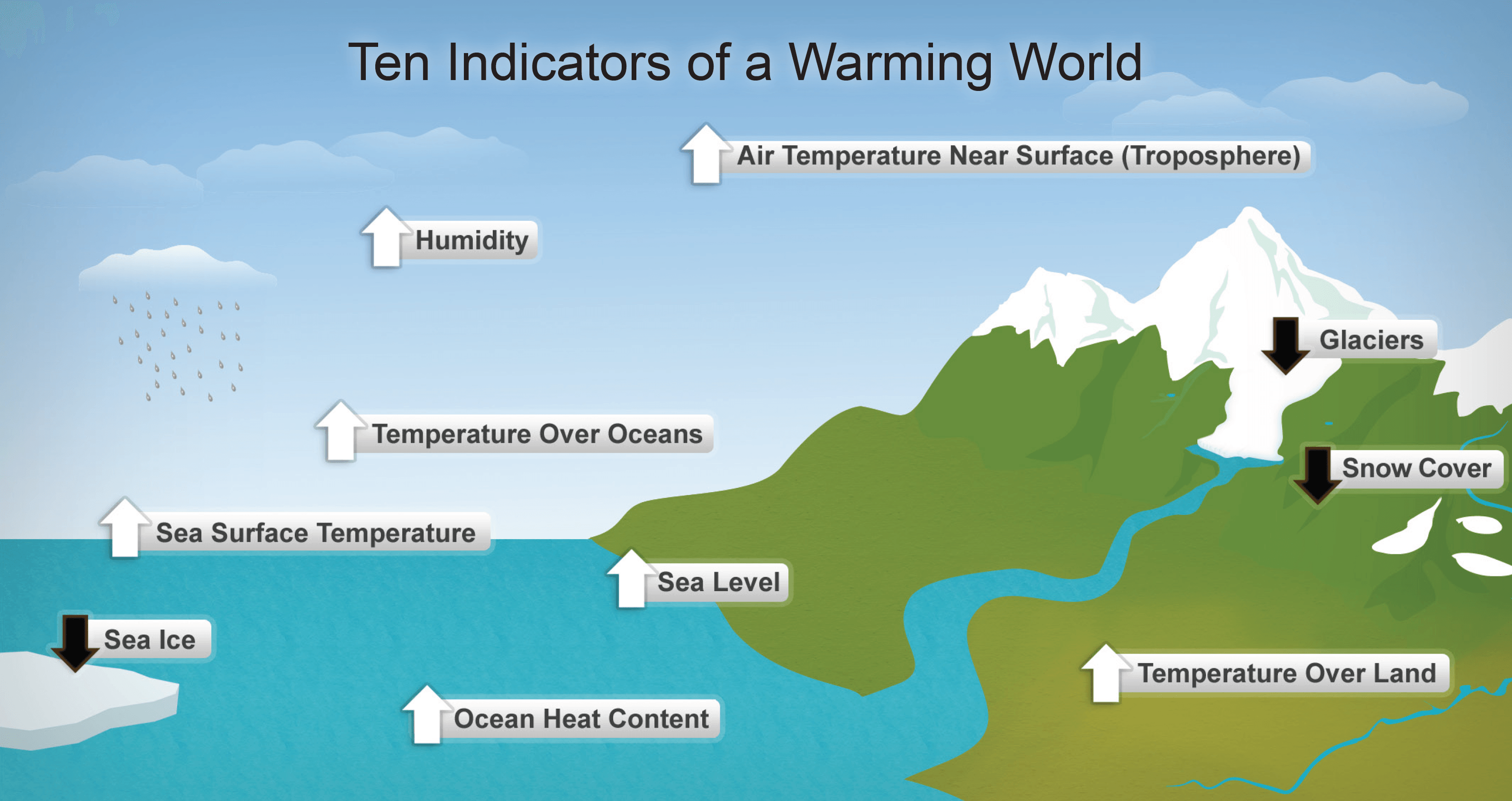

How is the greenhouse effect produced?
When solar energy trespasses the atmosphere.
When some energy is reflected back to earth.
When the green house is burned.
When the sun doesn't emit radiation.
How are greenhouse gasses harming our environment?
They aren't
Less heat is able to escape causing the Earth to cool down
Less heat is able to escape causing the Earth to warm up
More heat is able to escape
The energy form the sun that reaches the Earth is absorbed by _________________________.
land and water
underground water
the lower atmosphere
people
Which location on Earth receives a 90 degree Angle of Insolation on the Equinox?
Tropic of Cancer
Equator
Tropic of Capricorn
South Pole

The diagram below indicates regions of daylight and darkness on Earth on the first day of summer in the Northern Hemisphere. Four latitudes are labeled A, B, C, and D. What location receives the least intense insolation?
A
B
C
D

What is the major contributor of weather in the earth's atmosphere?
Solar energy from the sun
Lunar energy from the moon
The ocean
The clouds.

In which position will the Sun give of the most solar energy?
A
B
C
Energy received by Earth in the form of heat and light from Sun is called:
Sunshine
Insulation
Insolation
Radiation

All of the sun's energy is absorbed when it enters the Earth's atmosphere.
True
False
Energy emitted by Earth in the form of heat and light into the space is called:
Sunshine
Radiation
Insolation
Daylight
Green house effect depends on....
Atmospheres temperature
Amount of greenhouse gases
Radiation from planet
A & B both
How much energy from sun is absorbed by atmosphere.
19%
26%
32%
21%
Select the option with all the green house gases.
carbon dioxide, methane, ozone, and oxygen
carbon dioxide, ozone, and water vapor
carbon dioxide, methane, ozone, and water vapor
carbon dioxide, methane, ozone, nitrogen, water vapor
What is the main cause of carbon dioxide
Factories
Fossil fuel
deforestation
Reduced vegetation
Are all greenhouse gases equally as effective at trapping heat?
True
False
Which of the following gas does not contribute to the global warming?
Methane
Carbon dioxide
Sulpuhr
Acetylene
What is an example of the greenhouse effect?
Inside of a car becoming hot on a warm day.
Baking brownies on a metal pan.
Stepping on a hot pavement and it burning your feet.
steam rising from boiling water.
What are the two most major gases produced by people?
Methane and Nitrous Oxide
Methane and Nitrous Oxide
Carbon Dioxide and Nitrous Oxide
Carbon Dioxide and Methane
Burning of fossil fuels
increased oxygen level
increases greenhouse gases
decreases greenhouse gases
increased ethane level
Which of the Following Greenhouse Gases Is Present in Very High Quantities?
Methane
Ethane
Carbon dioxide
Propane
A house burns down. On the house across the street, all of the vinyl siding is twisted and warped by the heat. The heat was transferred across the street by?
Convection
Radiation
Conduction
Both Convection and Conduction
You are in the top bunk of a bunk bed and you want to turn the air conditioner on while your friend on the bottom bunk is fine is caused by?
Radiation
Conduction
None of these
Convection
A heater is is placed under one corner of a waterbed mattress. Warm water moves throughout the mattress because of?
Radiation
Convection
Conduction
All of These
Hot coffee is stirred with a spoon, the spoon gets hot due to?
Conduction
Convection
Radiation
Conduction and Radiation
In a swimming pool, the water near the surface is slightly warmer. The warm water rises because of?
Radiation
Conduction
Convection
All of the above
A certain type of decorative lamp contains colored liquids. These liquids form globs that break off and rise to the top of the liquid. The globs rise due to?
Convection
Radiation
Conduction
None of These
A huge rock at the state park gets so hot during the day that you can't sit on it from ___________. You lay on the same rock at night so that you can keep warm by _________.
Conduction, Convection
Radiation, Conduction
Convection, Radiation
Convection, Conduction
A certain type of stainless steel cookware has a layer of copper applied to the bottom to help it heat evenly. The copper transfers heat to the pan by?
Convection
Rradiation
Conduction
All of These
The cause of weather systems on Earth is?
Radiation
Convection
Conduction
Radiation and Conduction
Near the ceiling of a room the air is warmer. The warm air rises because of?
Radiation and Convection
Radiation
Conduction
Convection
Warm air over the beach rises while cooler dense air from the ocean rushes in due to?
Conduction
Convection
Radiation and Convection
Radiation
One end of a copper rod is placed is a flame of a Bunsen burner. Small pieces of wax placed along the rod melt at progressively larger distance from the flame. Heat is transferred through the rod by?
Conduction
Radiation and Conduction
Radiation
Convection
A fireman feels a door and it is hot from the fire on the other side due to?
Radiation and Conduction
Convection
Conduction and Convection
Conduction
A chair is placed several feet from a fire in a fireplace. The fireplace has a glass screen. The side of the chair facing the fireplace gets warm because of?
Convection
Radiation
Radiation and Conduction
Conduction
The metal Skewer gets so hot that you drop your marshmallow in the campfire because of?
Radiation and Conduction
Radiation
Convection
Conduction
A college student holds the back of his hand near an iron to see if it is hot. Heat is transferred to his hand by?
Convection
Radiation
Conduction
All of the above
What causes wind?
differences in air pressure
differences in gravity
difference in oxygen
differences in the thermosphere
What causes differences in air pressure?
even heating of the Earth
Even cooling of the earth
uneven heating of the earth
global warming

Air is warmer and less dense at the equator because the equator receives more____________________.
wind
solar radiation
air pressure
condensation
In the Northern Hemisphere, winds traveling north appear to curve east because of the:
trade winds
convection currents
Coriolis effect
polar easterlies

Middle latitudes that border the equatorial region are characterized by
dry, descending air
hot, humid air
heavy rain
warm, low pressure
Which is true about the ocean's release of heat?
Oceans release heat more rapidly than land.
Oceans release heat more slowly than land.
Oceans release heat the same rate as land.
Directions: Choose one of the words in parenthesis and type it below.
Water heats up and cools down at a (slower/faster) rate than land.
(a)
During the day, the air above land.....
rises
sinks
During the day the air above water....
sinks
rises
What is mainly responsible for creating differences in air pressure?
The Sun heating the Earth unevenly
Wind blowing from East to West
Moisture in the air evaporating
How do temperatures above land and water vary during day and night? Choose 2!
The air above land is a lower temperature than the air above water during the day.
The air above land is a higher temperature than the air above water during the day.
The air above land is a lower temperature than the land above water at night.
The air above land is a higher temperature than the land above water at night.
What is created when the sun heats air in the atmosphere through radiation?
Rain
Clouds
Wind
Currents

The arrow above the water is coming down and is blue because
the water is warm so it warms the air and warm air sinks.
the water is cold so it warms the air and cool air sinks.
the water is cold so it cools the air and cool air sinks.
the water is warm so it warms the air and cool air sinks.
The arrow above the land is going up and is red because
the land is warm so it warms the air and warm air rises.
the land is cold so it warms the air and cool air sinks.
the land is cold so it cools the air and cool air sinks.
the land is warm so it warms the air and cool air rises.

A Sea Breeze occurs during the
night.
day.
night and day.
alien encounter.

A land breeze occurs
during the day.
at night.
during the day and night.
at no time.
L pressure areas involve warm, __________ ______________ air moving upward.
less dense
more dense
less cold
more cold
Wind occurs because hot air rises and cool air sinks in a process called...
conduction
radiation
convection
Warm rising air causes___________ pressure, resulting in ___________.
high, rain
high, clear skies
low, rain
low, clear skies
Cool sinking air causes___________ pressure, resulting in ___________.
high, rain
high, clear skies
low, rain
low, clear skies
Winds always blow from areas of _________ pressure to areas of _________ pressure.
high, high
low, low
high, low
low, high
Which statement correctly defines wind?
Wind is the movement of air from areas of low pressure to areas of high pressure
Wind is the movement of air from areas of high pressure to areas of low pressure.
Wind is the movement of air to a colder area in the atmosphere.
Wind is the movement of air pushed around and bouncing off Earth's surface.
Where does the initial source of energy come from that creates winds?
the moon
the sun
the rotation of the Earth
Why does warm air rise?
Warm air is more dense than cooler air.
Warm air is less dense than cooler air.
Warm air has more pressure than cooler air.
Warm air has a higher dew point than cooler air.
Rising air creates what type of air pressure?
high
low
What direction do winds in the Northern Hemisphere blow?
right
left
straight
What direction do winds in the Southern Hemisphere blow?
right
left
straight
Layer of atmosphere that vaporizes meteors?
Troposphere
Mesosphere
Stratosphere
Thermosphere
The second most abundant gas in the atmosphere?
Nitrogen
Neon
Oxygen
Water Vapor
Objects in the NORTHERN Hemisphere deflect to which direction due to the Coriolis Effect?
Left
Up
Down
Right
Objects in the SOUTHERN Hemisphere deflect to which direction due to the Coriolis Effect?
Left
Up
Down
Right
This clouds latin root is "pile" or "heap"
Cumulus
Cirrus
Stratus
Nimbus
The whispy high clouds that has the latin root "curl" or "fringed"
Cirrus
Cumulus
Stratus
Nimbus
This clouds latin root is "layer"
Cumulus
Stratus
Cirrus
Nimbus
The part of the Water Cycle has all three types of water (liquid, gas, solid)
Precipitation
Condensation
Evaporation
Runoff
The driving force of the Water Cycle is?
The troposphere
The Sun
The oxygen
The clouds
Which winds were crucial to sailors because it helped them get their items across the ocean to sell?
Trade Winds
Prevailing winds
Westerlies
Jet Stream
Westerlies blow in which direction?
West to East
North to South
South to North
East to West
Easterlies blow in which direction?
East to West
North to South
South to North
West to East
Narrow bands of strong winds that blow near the top of the troposphere are referred to as what?
Jet Streams
Cirrus Clouds
Easterlies
Sea Breeze
Which factor is not a main factor in determining cloud shape or size?
Pressure
Temperature
Amount of Water Vapor
Wind
Cumulus clouds can be seen with fair weather or in thunderstorms
True
False
Which prefix describes high clouds?
Cirro-
Alto-
Strato-
Cirrus clouds are the clouds closest to Earth's Surface
True
False
The windless, rainy zone near the equator is called the what?
Doldrums
Easterlies
Tropics
Jet Stream

