
 Worksheets
American Government Final -2022-2023
Total questions: 75
Worksheet time: 36mins
The U.S. ___________ is the Supreme Law of the Land.
Articles of the Confederation
Bill of Rights
Articles
Constitution
Which of these means to be completely independent from outside control?
Articles of the Confederation
Bill of Rights
Sovereignty
Federal System
Which one of these must be in place for Democracy to work?
(this question will appear several times)
Command/Control Economy
Wide-spread Education
Polytheism
English Language
Which of these must be in place for Democracy to work?
(questions is used multiple times)
Active Citizen Participation
Christianity
All Citizens Speak English
Full Employment
One source that gives a government power is _________.
Autocracy
Sovereignty
Ability to Use Force/Coerce People
Nation-State
A source that gives government power is _________.
Legitimacy
Democracy
Consensus
Autocracy
What is one purpose of the government?
Provide National Security and Defense
Create a Bill of Rights
Have a Common Language
Have a Common Religion
One purpose of government is ________
Provide English
Provide Public Services
Provide Private Education
Provide Property
One purpose of government is ________
Provide a State Religion
Provide Public Transportation
Provide a Consensus
Maintain Social Order
Which is the a characteristic of a nation?
Population
Sovereignty
Territory
All of the Above
Which form of government divides powers between national and state governments? (each is sovereign)
Nation
Oligarchy
Federal System
Autocracy
How the Great Compromised solved the issue of State Representation by creating
Unicameral Congress - based on population
Unicameral Congress - equal representatives
Bicameral Congress - based on population in one house and equal in the other house
Allowing 3 out of every 5 slaves count in a states population
How did the Constitutional Convention deal with the issue of slaves in population?
The Great Compromise
The 3/5 Compromise
The Virginia Plan
The Land Ordinance Act
Which branch of government makes the laws?
Legislative
Executive
Judicial
Supreme Court
The purpose of the Constitutional Convention in Philadelphia was to
Devise a new system of taxes
Write a new constitution to replace the Articles of Confederation
Draft a Bill of Rights
Revise the Articles of Confederation
The Federalist Papers, written by Hamilton, Jay and Madison, were to
Urge states to oppose the new Constitution
Expose the lack of civil liberties protected by the Constitution
Urge ratification of the new Constitution
Elect a king to run the new government
In the Great Compromise, each state was represented by _________ in the House of Representatives (lower house).
State Population
Equal Representation
State Size
Number of males in the State
The Bill of Rights was added to the U.S. Constitution to
Limit the Power of the Government
Protect peoples rights against abuse by the Federal Government
Provide for equality of all people
Separation of Powers between the Branches of Government
Shay's Rebellion became a concern for many national leaders because it
indicated there would be future conflicts over the spread of slavery
exposed fundamental weaknesses in government under the Articles of Confederation
pointed out the need for federal government regulation of interstate commerce
showed that frontier settlements were vulnerable to raids by Native Americans
The President vetoes a bill and then the Legislative branch overrides the veto by a two-thirds vote in both houses. This situation is an example of
checks and balances
legislative compromise
federalism
direct democracy
Which of the following was adopted to resolve the issue of representation in the House and Senate (Legislative Branch)?
Three-Fifth's
Compromise
New Jersey Plan
Virginia Plan
Great Compromise
Which statement best describes governmental power under the Articles of Confederation?
Power of the states greatly exceeded the power of the central government
A strong chief executive headed a unified central government
Power was shared equally by the central government
A balance of power existed among the three branches of the central government
Which right is not guaranteed in the 1st Amendment?
Freedom of Press
Freedom of Assembly
Freedom of Speech
Right to Bear Arms
What group help writes the Declaration of Independence?
Sons of Liberty
Daughters of Liberty
Committee of Five
Committee of Correspondence

Which of the following belong in the empty box above?
The Missouri Compromise
The Great Compromise
The Federalist Papers
The Articles of Confederalist
The Bill of Rights guarantees
Representation based on population
Separation between the three branches of government
Limits on the power of the President
Individual rights and state's rights


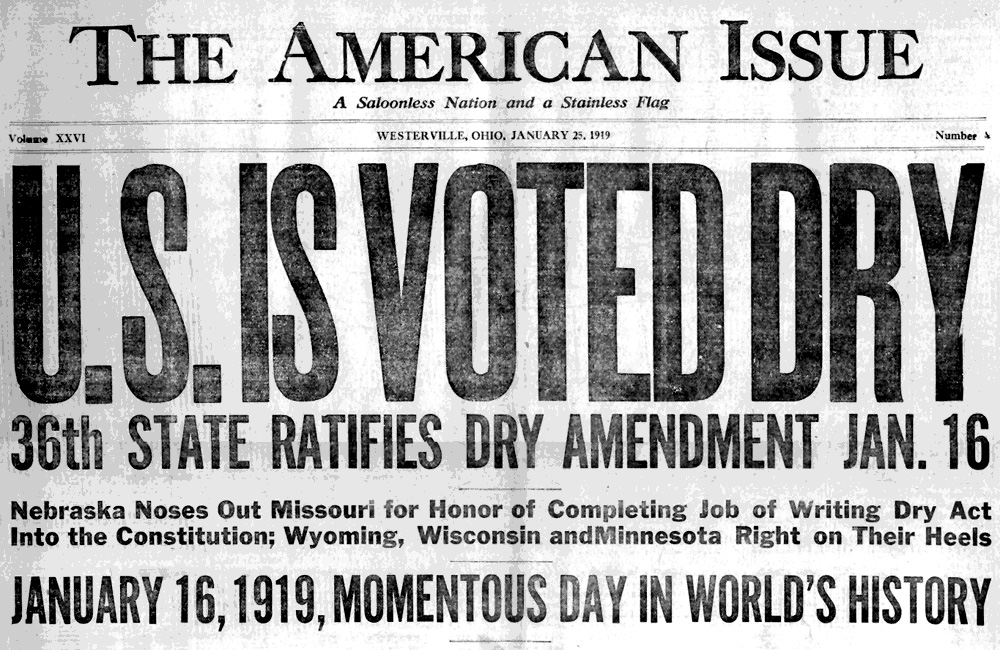
Prohibited the making, selling and distribution of alcohol


Clarifies what happens in case of the death, removal or resignation of the President or Vice-President
(Vice President becomes president, if the president is mentally incapable)

This amendment protects you against unlawful searches or seizures.
1st Amendment
2nd Amendment
4th Amendment
6th Amendment

This amendment gurarentees no cruel or unusual punishment.
2nd Amendment
4th Amendment
6th Amendment
8th Amendment

This amendment gives you Freedom of Speech, Press, Religion, Assembly and Right to Petition the Government
1st Amendment
2nd Amendment
3rd Amendment
4th Amendment

This amendment protects you against double jeoparday and self incrimination.
5th Amendment
9th Amendment
15th Amendment
20th Amendment

This amendment guarantees you a jury trial. (a jury of your peers)
6th Amendment
7th Amendment
14th Amendment
24th Amendment


How many ACTIVE AMENDMENTS do we have today?
24
25
26
27
28
What type of Economic System does the US have?
Traditional
Command or Control
Communistic
Market or Capitalistic
What does the Judicial Branch do?
Decides guilt or innocence of lawbreakers and legality of laws
Makes the laws
Enforces the laws
Tells who has to obey the laws
Which is NOT one of the three branches of government?
Cabinet
Executive
Legistative
Judicial
What does the Executive Branch do?
Decides guilt and innocence of law breakers and Interprets the laws
Makes the laws
Enforces the laws
Tells who has to obey the laws
What is the highest court in the land?
7th Regional Court
88th District Court
Supreme Court
Court of Appeals
How many US Senators are there?
98
100
102
104
What stops one branch of government from becoming stronger than the other branches?
Checks and balances
The US Military
The Declaration of Independence
The Articles of Confederation
Together, the House of Representatives and Senate are called......
Congress
the Supreme Court
the Executive Branch
the Cabinet
The president's advisors are called.....
the US Army
the United Nations
the Cabinet
the Supreme Court
A Senator's term is for ________ years.
2
4
6
8
How many members are there in the US House of Representatives
135
235
335
435
535
A US Representative's term is for ______ years.
2
4
6
8
A President serves term is for ______ years.
2
4
6
8
In what month do the people vote for the president? (In what month do we have the POPULAR ELECTION?)
October
November
December
January
If the president can no longer serve, who is next in line for the office.
Vice President
Speaker of the House
Secretary of State
Secretary of War
If the President and Vice President, are both unable to serve as president, who takes office as the president.
Secretary of War
Secretary of State
Speaker of the House
Secretary of the Treasury
Who signs bills into laws?
Senate
House of Representatives
Congress
President
Speaker of the House
Who veto's laws?
House of Representatives
Senate
Congress
Vice President
President
Powers that are just given to the federal government are called
Reserved Powers
Concurrent Powers
Delegated Powers
Separated Powers
Powers given just to the states are called
Reserved Powers
Concurrent Powers
Delegated Powers
Separated Powers
Of the powers listed below, which one is NOT a RESERVED POWER.
Provide schools and education
Provide police/protection and safety/fire departments
Driver's licenses
Approve zoning and land use
Print Money
Of the list below, which is NOT a Presidential Cabinet Position
Agriculture
Labor
Education
Defense
Immigration
What is the US National Anthem called?
America the Great
God Bless America
America the Beautiful
the Star - Spangled Banner
Why is there 13 stripes on the US flag?
That's all Betsy Ross had room for
Each stripe represents the 13 original colonies/states.
There's not 13 stripes - there's 14 because there has to be an even number of white and red.
Each stripe represents the 13 orginial founding fathers.
Why are there 50 stars on the US flag?
Because there is one star for each US state
Because 50 is a even number
Because 50 is half of 100
Because George Washington told Congress to stop at the number 50
What day do we celebrate our independence from Great Britain/England?
June 4th
July 4th
August 4th
September 1st
What is the capital of the United States?
New York City, New York
Washington, DC
Atlanta, Georgia
Dallas, Texas
What year was the Constitution written?
1776
1787
1791
1801
What was written to get people to support the Constitution?
Articles of Confederation
Bill of Rights Papers
AntiFederalist Papers
Federalist Papers
This group supported the new Constitution
Federalist
Antifederalist
Whigs
Confederates
This group was against the new Constitution.
Federalist
Antifederalist
Whigs
Know-Nothings
This was the first form of government for the new United States after the American Revolution.
Declaration of Independence
Constitution
Articles of Confederation
Bill of RIghts

