
 Worksheets
Review for Respiratory System Test
Total questions: 75
Worksheet time: 50mins

A patient expires normally then using forces ventilation, he blows as much air as possible into a spirometer. This measures the
inspiration reserve
expiratory reserve
residual volume
tidal volume
vital capacity
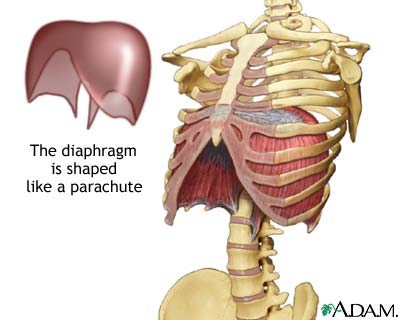
The muscle(s) that help with breathing is/are
lungs
intercostal muscles
diaphragm
stomach
_____________________ is the gas that moves from the lungs into the capillaries.
carbon dioxide
nitrogen
oxygen
none of the above
________________ is the gas that moves from the blood into the lungs to be exhaled is
carbon dioxide
nitrogen
oxygen
none of the above
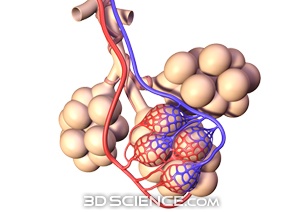
The type of blood vessel found on the surface of the alveoli
artery
vein
capillary
The process that allows gas exchange to happen in the lungs is called
active transport
diffusion
osmosis
transpiration
What makes gas exchange work in the lungs is
the alveoli are only one cell thick
the capillaries are only one cell thick
the alveoli are covered with capillaries
gasses move easily through the alveoli and capillaries
Volume of air that can be forcibly breathed in after a normal breath
Expiratory Reserve Volume
Inspiratory Reserve Volume
Chronic Obstructive Pulmonary Disease is caused by
damaged alveoli limiting gaseous exchange
Damaged diaphragm limiting lung volume
The voice box is also called the
Larynx
Pharynx
Palate
Thyroid gland
Hemoglobin is...
Protein in blood that carries nutrients
Oxygen in blood that carries protein
Protein in blood that carries oxygen
Nutrients in blood that carries protien
What cellular process will move oxygen into body cells?
Transportation
Active transport
Diffusion
Respiratory
What is the FIRST step of the breathing process?
Lungs expand
Diaphragm contracts
Diaphragm relaxes
Air flows into alveoli
The breakdown of glucose with the help of oxygen to release energy is called
cellular perspiration
photosynthesis
cellular respiration
neutralization
Besides energy, these two substances are by-products of respiration
carbon dioxide and oxygen
carbon dioxide and glucose
carbon dioxide and water
carbon and water
The large number of alveoli provide __________________ for gaseous exchange
low pressure
high pressure
a large volume
a large surface area
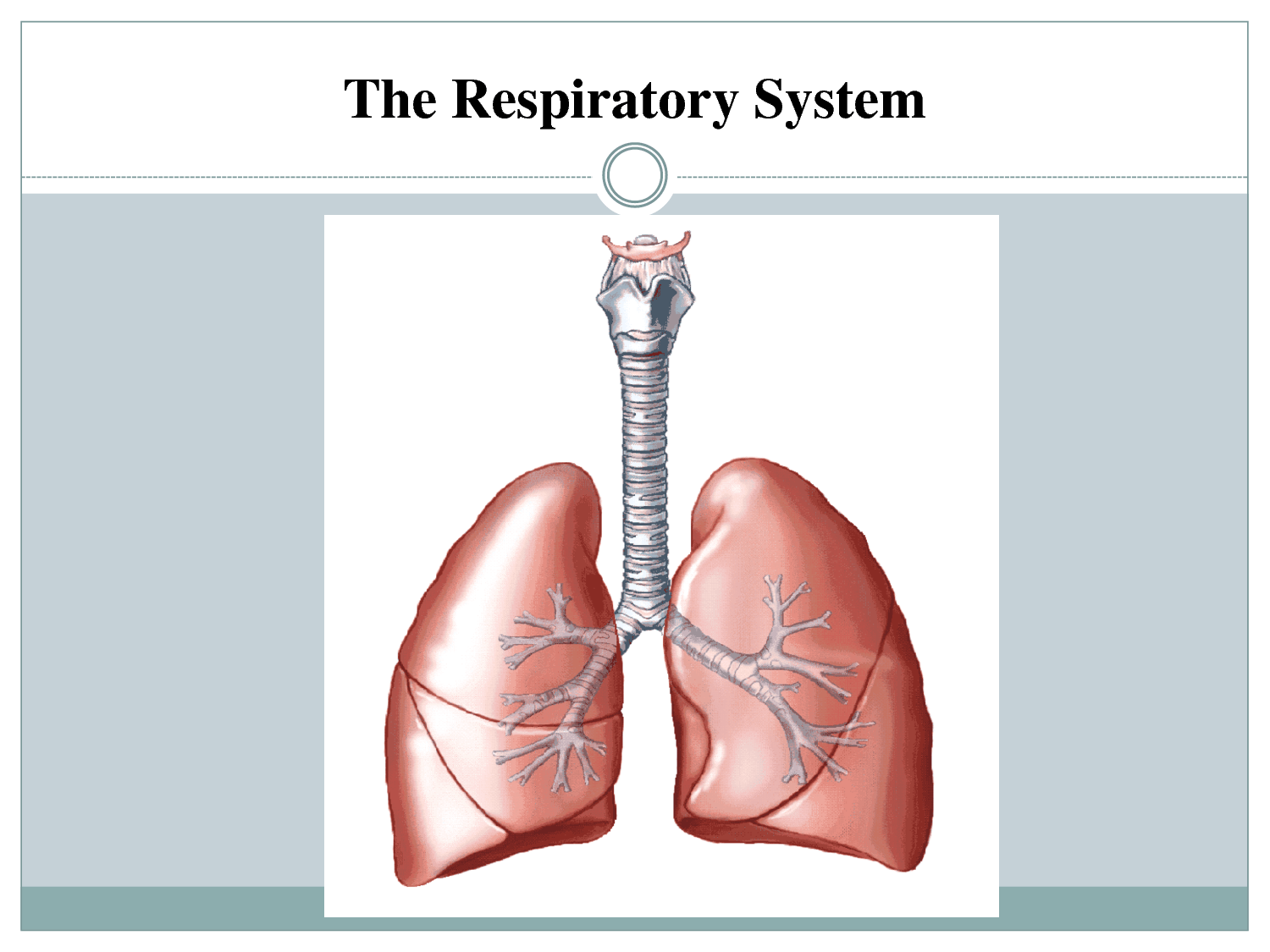
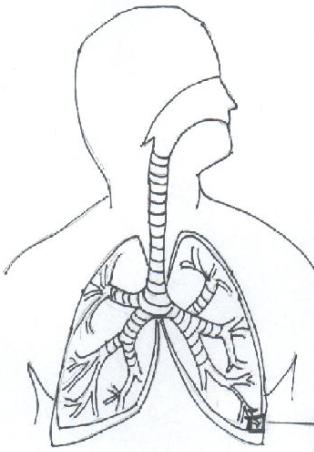
Which of the following is NOT an airway in the respiratory system?
the bronchioles
the trachea
the esophagus
the nose
As you breathe out, your diaphragm:
contracts and flattens (pulls downward)
relaxes and returns to a dome shape
contracts and forms a dome shape
relaxes and flattens (pulls downward)
The waste product of respiration is_______________
oxygen
carbon dioxide
hydrogen
What is the purpose of the pleura?
To facilitate gas exchange
To keep the lungs moist
Reduce friction on lungs
Maintain surface tension
What is the purpose of the cilia?
prevent foreign matter from making it to the lungs.
increase the ability for the lungs to inflate.
carry oxygen through the blood.
Induce diffusion of oxygen into the tissues of the body.
Boyle's Law states that
When temperature is changing, Volume and Pressure are inversely related.
When temperature is changing, Volume and Pressure are directly related.
When temperature is constant, Volume and Pressure are inversely related.
When temperature is constant, Volume and Pressure are directly related.
Air flows into the lungs because of decreased pressure during ____________.
Internal Respiration
External Respiration
Expiration
Inspiration
Air flows out of the lungs because of increased pressure during ____________.
Internal Respiration
External Respiration
Expiration
Inspiration
Gas moves from high pressure to low pressure during which of these phases?
Inspiration
Expiration
Internal Respiration
External Respiration
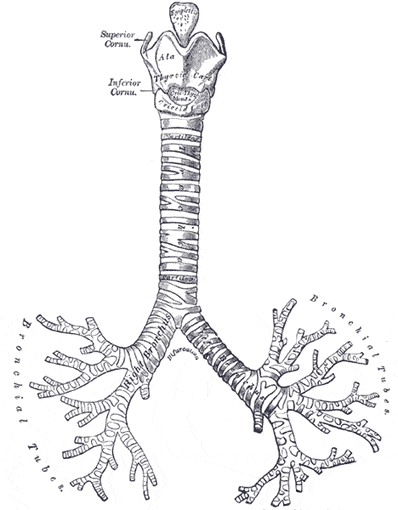
What is the name of the smaller passageways that branch off of the bronchi?
Branchlets
Trachiets
Alveoles
Bronchioles
Which of these is not considered part of the lungs?
Alveoli
Bronchioles
Bronchi
What are the four steps of respiration in order?
Pulmonary Ventilation, External Gas Exchange, Transport of Respiratory Gases, Internal Respiration.
Breathing, External Gas Exchange, Transport of Respiratory Gases, Internal Respiration.
Inhaling, Exhaling, Internal Respiration, Transport of Respiratory Gases
Pulmonary Ventilation, Internal Respiration, Transport of Respiratory Gases, External Respiration.
Inspiration and Expiration are the two steps of ______________________.
Pulmonary Ventilation
External Gas Exchange
Respiration
None of the above
During Inspiration, your body attempts to ______________ intrapulmonary volume and _____________ Intrapulmonary pressure.
Increase, Decrease
Decrease, Increase
During Expiration, your body attempts to ______________ intrapulmonary volume and _____________ Intrapulmonary pressure.
Increase, Decrease
Decrease, Increase
The pressure in your lungs is called _________________.
Intrapulmonary pressure
Intra-alveolar pressure
Transpulmonary pressure
Interpleural pressure
Coughing is initiated by irritants in the ___________________.
Nose
Pharynx
Larynx
Trachea
Bronchi
Sneezing is initiated by irritants in the ______________.
Nose
Trachea
Larynx
Pharynx
Bronchi
To determine how much pressure is needed to inhale and exhale, you need to describe it in terms of ____________.
Atmospheric Pressure
Elevation
Calories
Volume
What is the difference between Quiet Exhalation and Forced Exhalation?
Forced Exhalation uses your abdominal muscles
Quiet exhalation uses your abdominal muscles
Forced exhalation does not use your abdominal muscles
Forced exhalation uses your diaphragm and intercostal muscles
Inspiratory Capacity includes which of the following?
Inspiratory Volume
Tidal Volume
Expiratory Volume
Reserve Volume
Functional Reserve Capacity includes which of the following?
Inspiratory Volume
Tidal Volume
Expiratory Volume
Reserve Volume
Vital Capacity includes which of the following?
Inspiratory Volume
Tidal Volume
Expiratory Volume
Reserve Volume
Total Lung Capacity includes which of the following?
Inspiratory Volume
Tidal Volume
Expiratory Volume
Reserve Volume
Yawning is used to do what?
Cool the brain
Increase Oxygen
Increase Carbon Dioxide
Warm up the brain
Brain damage takes place after _____ minutes, brain death after _____ minutes without oxygen.
2, 6
3, 40
6, 30
30, 90
What is the correct order of the parts of the pharynx from top to bottom?
Nasopharynx, Oropharynx, Laryngopharynx
Oropharynx, Laryngopharynx, Nasopharynx
Oropharynx, Nasopharynx, Laryngopharynx
Laryngopharynx, Nasophrynx, Oropharynx

What is the correct labeling of this graph?
- Inspiratory Volume
- Tidal Volume
- Expiratory Volume
- Residual Volume
- Expiratory Volume
- Tidal Volume
- Inspiratory Volume
- Residual Volume
- Tidal Volume
- Inspiratory Volume
- Expiratory Volume
- Residual Volume
- Inspiratory Volume
- Reserve Volume
- Expiratory Volume
- Tidal Volume

What is the correct labeling of this graph
- Inspiratory Capacity
- Expiratory Capacity
- Vital Capacity
- Total Lung Capacity
- Inspiratory Capacity
- Functional Reserve Capacity
- Vital Capacity
- Total Lung Capacity
- Expiratory Capacity
- Functional Reserve Capacity
- Vital Capacity
- Total Lung Capacity
- Inspiritory Capacity
- Functional Residual Capacity
- Functional Lung Volume
- Vital Capacity
Cellular Respiration Uses ______ and creates______.
O2, CO2
CO2, O2
Blood, O2
Blood, CO2
What is Hyperventilation?
Another name for asthma
When you breathe too much
When you don't breathe enough
Forceful inhalation of air
What is Hypoventilation?
Another name for asthma
When you breathe too much
When you don't breathe enough
Forceful exhalation of air
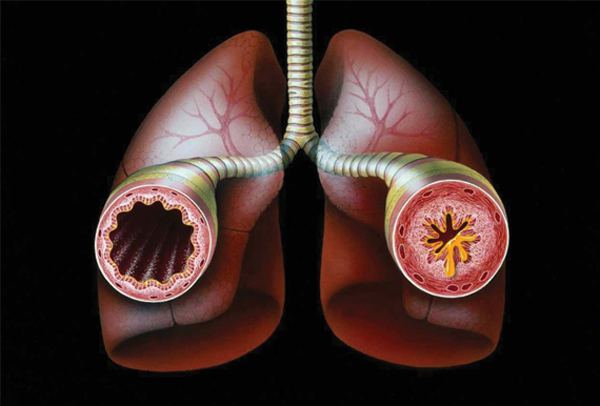
Disease characterized by chronic obstruction of lung airflow that interferes with normal breathing and is not fully reversible.
COPD
Cystic Fibrosis
Influenza
Asthma
A disease caused by bacteria called Mycobacterium.
Tuberculosis
Coryza
Cystic Fibrosis
Pneumonia

A stuffy nose also called "the common cold" caused by rhinoviruses.
Coryza
Tuberculosis
Emphysema
COPD
Unexpected death of an infant during sleep
SIDS
COPD
Coryza
Emphysema
A genetic disorder that affects mostly the lungs, but also the pancreas, liver, kidneys, and intestine.
Cystic Fibrosis
Emphysema
Asthma
COPD
A disease caused by damage to the Alveoli causing shortness of breath.
Emphysema
Tuberculosis
Cystic Fibrosis
Pneumonia
A highly contagious respiratory illness caused by viruses that causes high fever, chills, and pain in the muscles
Influenza
Pneumonia
Cystic Fibrosis
Coryza
An infection that inflames the air sacs in one or both lungs. The air sacs may fill with fluid or pus (purulent material), causing cough, difficulty breathing, and pain in the lungs.
Pneumonia
COPD
Emphysema
Asthma

