Worksheets
AP0201 Introduction to AP
Total questions: 80
Worksheet time: 44mins
The study of structures of the human body is known as (a) .

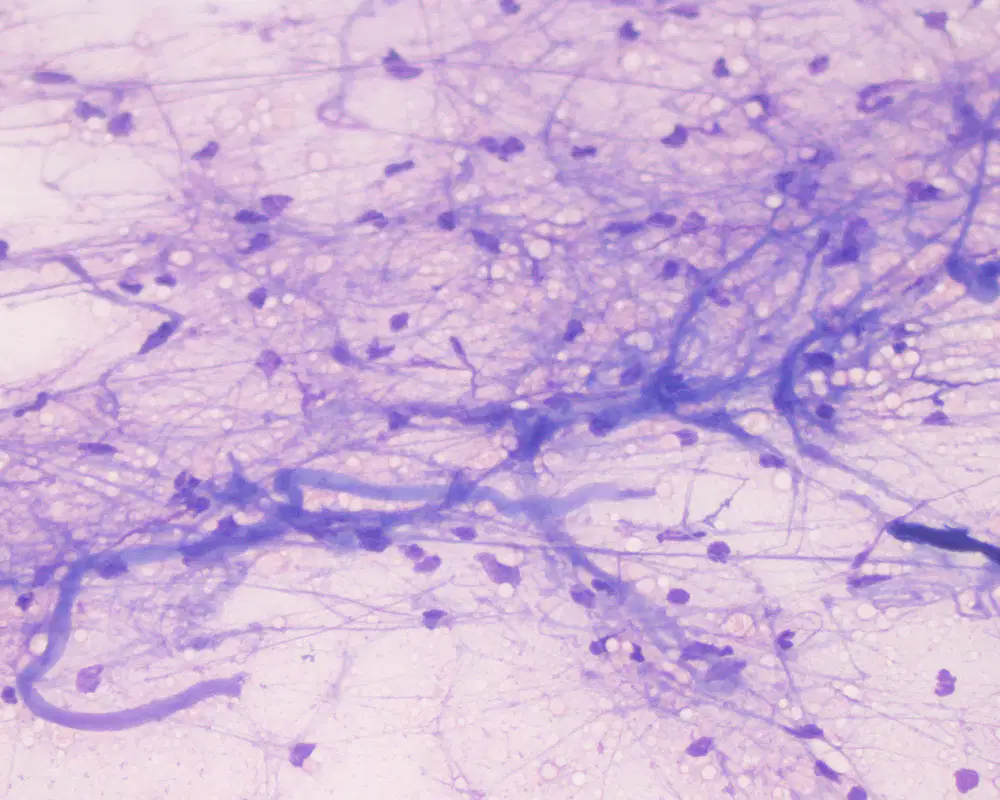
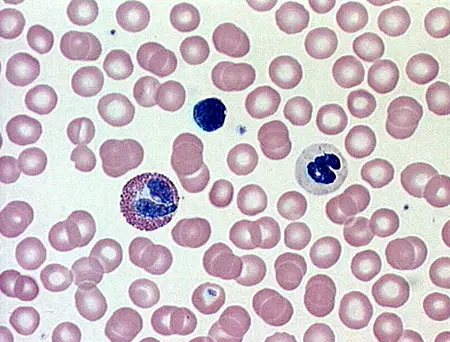
What kind of anatomy does the picture represent?
(a)
What term is the study of structures too small to be seen with the eye?
(a)

What kind of anatomy does the picture represent?
(a)

What kind of anatomy does the picture represent?
(a)

What kind of anatomy does the picture represent?
(a)

What kind of anatomy does the picture represent?
(a)

What kind of anatomy does the picture represent?
(a)
The study of the normal function of the human body and its parts.
(a)
The function is always determined by the (a)
A state of regulated physiological balance is known as (a) .
The body's natural tendency to maintain a relatively stable environment is known as (a) .
What term is literally defined as "SAME STATE"?
(a)
What term describes a collection of organs that work together to accomplish more complex tasks?
(a)
What term describes a control mechanism in which the response acts in the opposite direction of the stimulus?
(a)
What term describes a control mechanism in which the response acts in the same direction of the stimulus?
(a)
Anatomy =
"structure"
"function"
Physiology =
"structure"
"function"
Physiology =
"structure"
"function"
______________ relies entirely on the structure.
"structure"
"function"
Function relies entirely on the _____________.
"structure"
"function"
The body's response moves the variable back toward homeostasis.
Positive Feedback Loop
Negative Feedback Loop
The body's response opposes the disruption to homeostasis.
Positive Feedback Loop
Negative Feedback Loop
An avalanche effect, the body's response adds to the disruption to homeostasis.
Positive Feedback Loop
Negative Feedback Loop
The body's response moves the variable away from homeostasis.
Positive Feedback Loop
Negative Feedback Loop

Positive Feedback Loop
Negative Feedback Loop

Positive Feedback Loop
Negative Feedback Loop

Positive Feedback Loop
Negative Feedback Loop

Positive Feedback Loop
Negative Feedback Loop

Positive Feedback Loop
Negative Feedback Loop

Positive Feedback Loop
Negative Feedback Loop

Positive Feedback Loop
Negative Feedback Loop
Which of the following operate as a negative feedback loop?
body temperature
blood calcium
blood clotting
blood pH
childbirth
Which of the following operate as a negative feedback loop?
fever above 40ºC (104ºF)
blood glucose
blood clotting
blood pressure
childbirth
Which of the following operate as a positive feedback loop?
fever above 40ºC (104ºF)
blood glucose
blood clotting
blood pressure
childbirth
Which of the following operate as a positive feedback loop?
fever above 40ºC (104ºF)
blood calcium
blood clotting
blood pH
childbirth
Particles of an element are called (a) .
Particles of a compound are called (a) .
Carbon, hydrogen, nitrogen, and oxygen would fall under which level in the Levels of Organization?
(a)
Water, carbohydrates, lipids, proteins, and nucleic acids would fall under which level in the Levels of Organization?
(a)

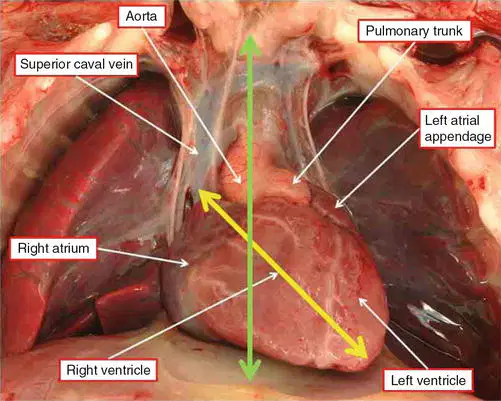
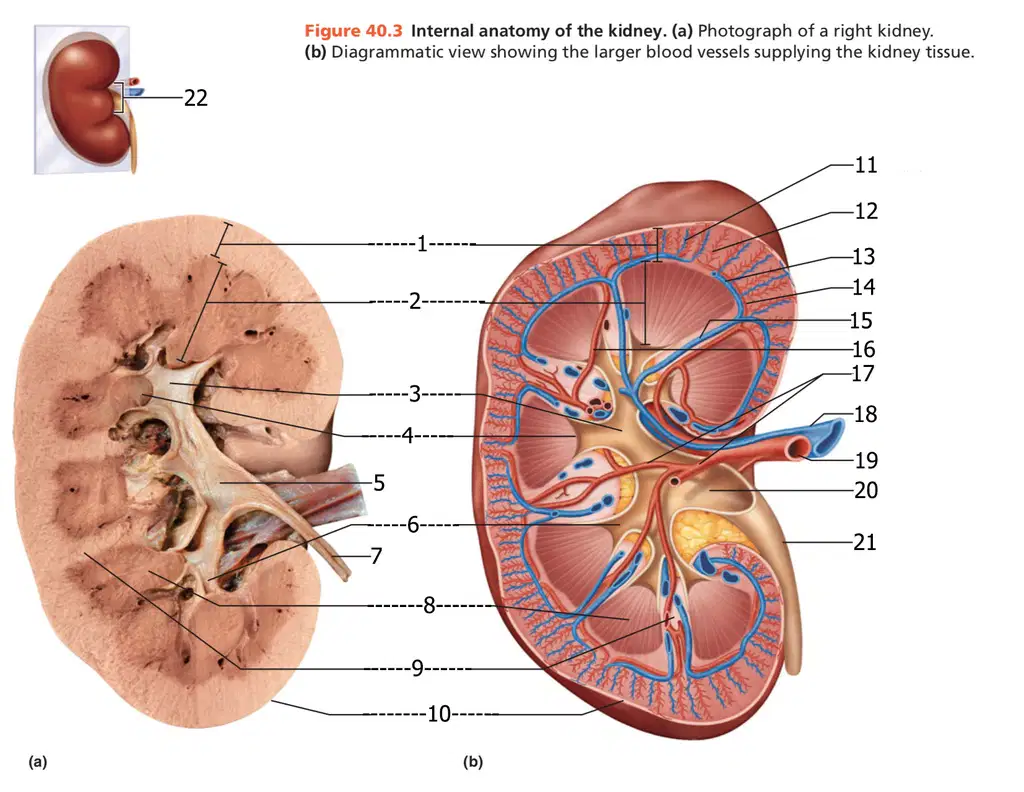
Which level in the Levels of Organization?
(a)

Which level in the Levels of Organization?
(a)

Which level in the Levels of Organization?
(a)

Which level in the Levels of Organization?
(a)

Which level in the Levels of Organization?
(a)

Which level in the Levels of Organization?
(a)

Which level in the Levels of Organization?
(a)

Which level in the Levels of Organization?
(a)

Which level in the Levels of Organization?
(a)

Which level in the Levels of Organization?
(a)

Which level in the Levels of Organization?
(a)

Which level in the Levels of Organization?
(a)

Which level in the Levels of Organization?
(a)

Which level in the Levels of Organization?
(a)

Which level in the Levels of Organization?
(a)

Which level in the Levels of Organization?
(a)
Maintaining homeostasis occurs at which levels of organization?
(a)
Disease can occur if there is a disruption at which level?
(a)
Maintaining homeostasis occurs at which levels of organization?
all levels
cells
tissues
organs
organ systems
Disease can occur if there is a disruption at which level?
any level
cells
tissues
organs
organ systems
Maintaining homeostasis occurs at which levels of organization? (mark all that apply)
parking level 1
cells
tissues
organs
organ systems
Which statement is TRUE about the Integration of Systems
Every organ system relies on the healthy functioning of other systems.
Organ systems operate independently of each other
Which statement is FALSE about the Integration of Systems
Every organ system relies on the healthy functioning of other systems.
Organ systems operate independently of each other
Which statement is FALSE about the Integration of Systems
Disfunction in one organ system can lead to a breakdown in other systems as well
Other organ systems have no effect on a specific organ system.
Which statement is TRUE about the Integration of Systems
Disfunction in one organ system can lead to a breakdown in other systems as well
Other organ systems have no effect on a specific organ system.
A group of related cells that work together to perform a specific function.
(a)
A group of tissues that work together perform a function.
(a)
A group of organs that work together to perform a more complex function.
(a)
A group of related cells that work together to perform a specific function.
tissue
organ
organ system
molecule
organism
A group of tissues that work together to perform a function.
tissue
organ
organ system
molecule
organism
A group of organs that work together to perform a more complex function.
tissue
organ
organ system
molecule
organism
Particles of a compound.
tissue
organ
organ system
molecule
atom
Particles of an element.
tissue
organ
organ system
molecule
atom
Most parameters that are maintained by homeostasis are controlled by a (a) loop.
Match the following pictures with the level of organization

tissue

organ

organ system

cell

molecule
Reorder the following in order of increasing level of organization (from left to right)
molecule
cell
tissue
organ
organ system
Reorder the following in order of decreasing level of organization (from left to right)
molecule
cell
tissue
organ
organ system
(a) is the (b) while (c) is the function .
Categorize the following as Gross or Microscopic Anatomy
visible using the naked eye
too small to be seen with just your eye
an organ
a cell

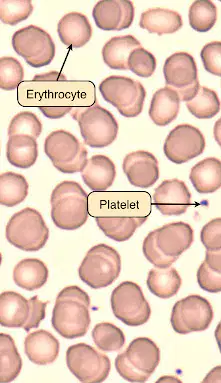
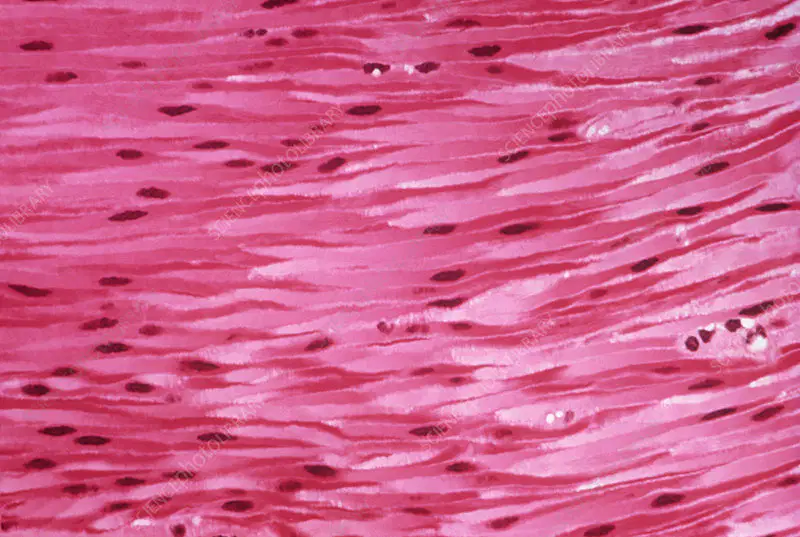

Sort these into the levels of organization
particle of an element
potassium


particle of a compound
glucose

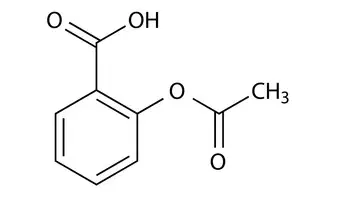
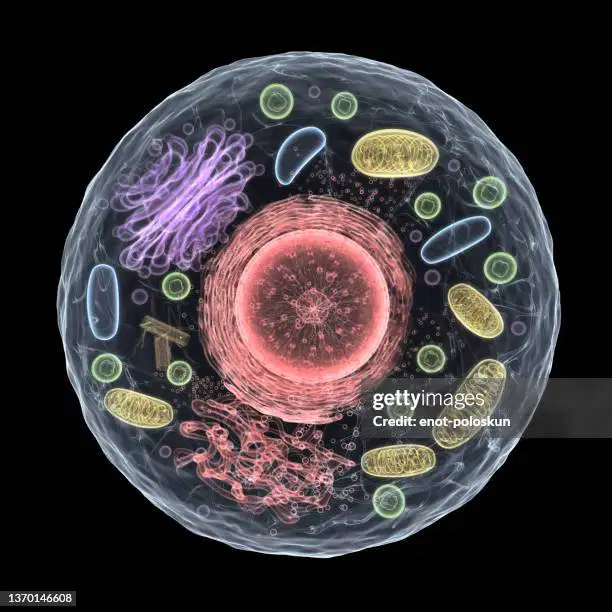
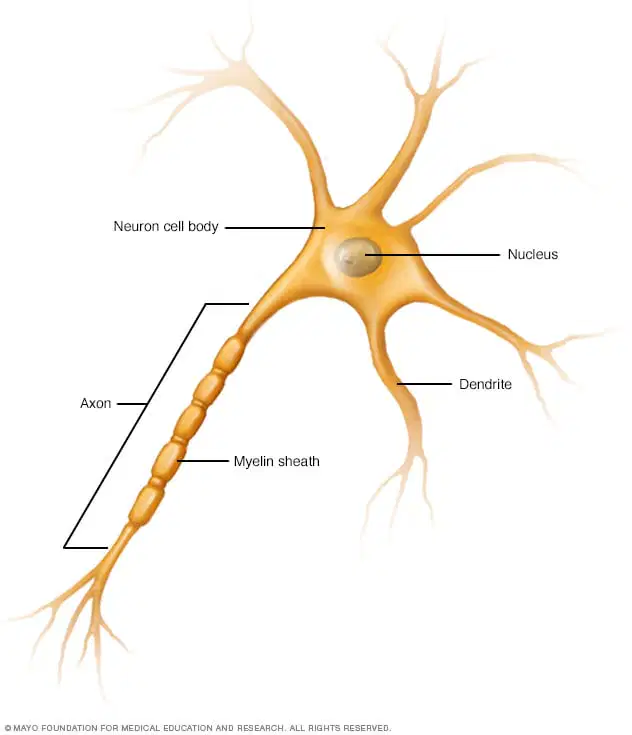
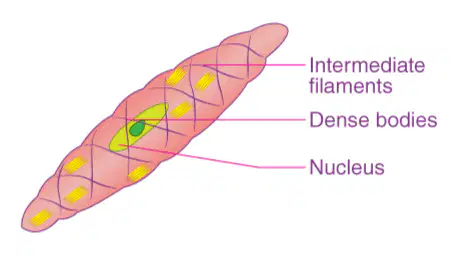
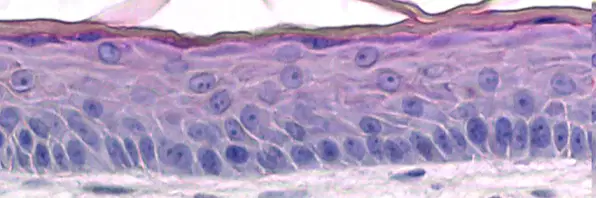
group of specialized cells
a collection of molecules