wayground logo

Free Printable Worksheets

Font size

S
M
L
XL
Worksheets

Nutrition Final

Total questions: 75

Worksheet time: 58mins

Name
Class
Date
1.
The body uses this to carry nutrients and waste. It also helps joints move smoothly.
a)
Fat
b)
Water
c)
Minerals
d)
Vitamin 
2.
The process of converting the energy in food into energy the body can use.
a)
Metabolism
b)
Diet
c)
Digestion
d)
Calories
3.
What type of nutrient are sugars?
a)
complex carbohydrates
b)
fiber
c)
simple carbohydrates
4.
What type of nutrient are starches?
a)
complex carbohydrates
b)
fiber
c)
simple carbohydrates
5.
Energy from food is called
a)
Carbohydrates
b)
Protein
c)
Calories
6.
This nutrient helps the digestive system.
a)
complex carbohydrates
b)
fiber
c)
simple carbohydrates
7.
Incomplete proteins come from
a)
animal sources
b)
plant sources
8.

This type of fat is usually solid at room temperature.

a)

trans

b)

unsaturated

c)

saturated

9.
The process of breaking down food into a form the body can use.
a)
Diet
b)
Metabolism
c)
Calories
d)
Digestion
10.
Energy storage nutrients that help the body store some vitamins e.g. oils, butter, margarine
a)
Fats
b)
Carbohydrates
c)
Minerals
d)
Vitamins
11.
Vitamin D can be obtained from _______________. 
a)
Carrots
b)
Wholegrain food
c)
Cereal
d)
Sunlight
12.
Examples of water soluble vitamins are ___________.
a)
Vitamin A & C
b)
Vitamin B & D
c)
Vitamin B & C
d)
VItamin E and K
13.
________ is needed to form and maintain healthy skin and for growth and development of our body.
a)
Vitamin D
b)
Vitamin A
c)
Vitamin K
d)
Vitamin E
14.
Lack of Vitamin D can lead to __________, the softening and weakening of bones, leading to bowing of legs.
a)
Osteoporosis
b)
Pellagra
c)
Spinal Bifida
d)
Rickets
15.
Found in whole-grain food, nuts and egg yolk, ___________ acts as an antioxidant.
a)
Vitamin A
b)
Vitamin D
c)
Vitamin E
d)
Vitamin K
16.
_______ and calcium are needed for normal blood clotting. 
a)
Vitamin A
b)
Vitamin D
c)
Vitamin E
d)
Vitamin K
17.
___________ is needed to heal cuts and wounds and to absorb iron from dark green vegetables. 
a)
Vitamin A
b)
Vitamin B-group
c)
Vitamin C
d)
Vitamin D
18.
__________ can be prevented by consuming citrus food, guava and kiwi. 
a)
Osteomalacia
b)
Pernicious anaemia
c)
Scurvy
d)
Dermatitis
19.
_____________ cannot be stored in the body  and gets excreted through urine when not used immediately. 
a)
Water-soluble vitamins
b)
Trace minerals
c)
Fat-soluble vitamins
d)
Major Minerals
20.
The body’s main source of energy
a)
Carbohydrates
b)
Fats
c)
Protien
d)
Riboflavin B-2
21.
Lubricates the joints and body cells and helps regulate body temperatures.
a)
Water
b)
Vitamin A
c)
Phosphorus
d)
Niacin
22.
Aids in growth and repair of tissues and regulates fluid balances in the cells.
a)
Fat
b)
Iron
c)
Protein
d)
Folate
23.
Carries fat soluble vitamins, insulates, and protects vital organs.
a)
Water
b)
Calcium
c)
Fat
d)
Folate
24.
Vegetables contain no cholesterol, fat or sodium.
a)
False 
b)
True
25.
This mineral is found in bones and helps maintain healthy teeth and bones. A lack of this can cause osteoporosis. 
a)
Iron
b)
Iodine
c)
Calcium
d)
Copper
26.
This mineral is found in hemoglobin. It helps the body release energy from macronutrients. Can be found in red meat, clams, and oysters.  
a)
iodine
b)
iron
c)
magnesium
d)
zinc 
27.
What does water soluble mean? 
a)
the ability to dissolve in water
b)
the ability to dissolve in fats
28.
What are Vitamins?
a)
Substances that protect the body cells and the immune system from damage.
b)
Complex substances in food that support many chemical reactions that happen in your body constantly.
c)
Teams with enzymes to keep cellular activity going.
d)
Burns oxygen to produce energy.
29.
Na or Sodium is another name for.....
a)
Salt
b)
Salsa
c)
Sugar
d)
Saline 
30.
Which choice is NOT one of the essential nutrients?
a)
Protein
b)
Cholesterol
c)
Water
d)
Minerals
31.
This essential nutrient helps repair skin and build muscle.
a)
Carbohydrates
b)
Protein
c)
Water
d)
Fat
32.
Ashley is getting ready for her soccer game, which nutrient will give her body the main fuel for her game? 
a)
Fat
b)
Water
c)
Multi-vitamin
d)
Carbohydrates
33.
This essential nutrient helps regulate body temperature, provide insulation, cushion vital organs and serve as a reserve supply of energy. 
a)
Minerals
b)
Carbohydrates
c)
Fats
d)
Vitamins
34.
Calcium, along with phosphorus and magnesium, help bones grow and is particularly important during adolescence.  All of these underlined above are types of which essential nutrient?
a)
Vitamins
b)
Minerals
c)
Fats
d)
Proteins
35.
What is nutrition?
a)
a measurement for the amount of energy in food
b)
the need for food
c)
the want for food
d)
the process by which the body takes in and uses food
36.
What are the 6 essential nutrients
a)
Carbohydrates, Fats, Protein
b)
Carbohydrates, Meats, Fats, Protein, Vitamins, Minerals
c)
Carbohydrates, Protein, Fats, Veggies, Minerals, Water
d)
Carbohydrates, Fats, Protein, Vitamins, Minerals, Water
37.
Which of the following is NOT a nutrient?
a)
water
b)
fat
c)
fiber
d)
protein
38.
Which one of the following is a protein source? 
a)
Banana
b)
Beans 
c)
Bagels
d)
Breakfast Bar 
39.
A good way to get a variety of vitamins
a)
Eat a lot of colorful foods
b)
Eat a lot of brown foods
c)
Eat a lot of soggy foods
d)
Eat a lot of green foods
40.
To gain weight you need to?
a)
Eat more calories than you use
b)
Eat less calories than you use
c)
Eat the same amount of calories you use
d)
Doesn't matter, as long as the calories are unhealthy
41.
Eating too many calories and not exercising can result in
a)
Risk of heart disease and high blood pressure
b)
Risk of certain types of friendship disorders
c)
All of these
d)
Risk of type 1 diabetes
42.
This nutrient's main function is to control the chemical reactions in our body.
a)
Minerals
b)
Vitamins
c)
Water
d)
Fats
43.
This nutrient contributes to strong bones and teeth. 
a)
Water
b)
Carbohydrates
c)
Minerals
d)
Protein
44.
This nutrient aids in digestion and helps move foods and other nutrients through your body.
a)
Fats
b)
Water
c)
Vitamins
d)
Minerals
45.
This nutrient helps you fight off infections.
a)
Vitamins
b)
Minerals
c)
Water
d)
Protein
46.
Which nutrient helps your body grow and cells repair?
a)
Fats
b)
Carbohydrates
c)
Vitamins
d)
Protein
47.
Which nutrient contains these two subgroups?
1- Complex
2- Simple
a)
Proteins
b)
Carbohydrates
c)
Vitamins
d)
Minerals
48.
Which Carbohydrate sub group provides short bursts of energy (think CANDY).
a)
Simple
b)
Complex
49.
Which sub group of vitamins are stored in your bodies fat?
a)
Fat Soluble
b)
Water Soluble
50.
How many essential nutrients are there?
a)
2
b)
4
c)
6
d)
8
51.
Nutrients are...
a)
Chemical substances needed for good health & body development
b)
Man made chemicals put in food for good body development
52.
Water is an essential nutrient?
a)
True
b)
False
53.
Proteins are made up of?
a)
Energy
b)
Lactic Acid
c)
Meat
d)
Amino Acids
54.

What mineral helps make red blood cells?

a)

calcium

b)

iron

c)

magnesium

d)

phosphorus

55.

Aids in chewing, swallowing, and tasting of food

a)

Saliva

b)

Tongue

c)

Esophagus

d)

Stomach

56.

Muscular organ that churns and mashes food into chyme

a)

Saliva

b)

Tonuge

c)

Esophagus

d)

Stomach

57.

Most of digestion occurs here; it is where nutrients are absorbed into the blood stream

a)

small intestine

b)

stomach

c)

esophagus

d)

liver

58.
What is #3 pointing to?
a)
gall bladder
b)
mouth and salivary glands
c)
liver
d)
anus
59.

Why was Mrs. Hardy so adamant about you learning how to live a healthy life?

a)

She hates us.

b)

We are not the same. I am a martian.

c)

She watched her family suffer through disease, and loves us enough to not want us to endure the same.

d)

She's coo coo.

60.
Which of the following is a dietary guideline?
a)
Eat plenty of fruits, vegetables and whole grains.
b)
Eat a diet high in cholesterol, fate and satured fat.
c)
Drink water in moderation.
d)
Eat a diet high in sugar.
61.

What you learned this semester?

4 lines
62.

Saturated fats are __________ at room temperature.

a)

liquid

b)

solid

63.
The characteristic that all lipids have in common is----
a)
made of lots of double bonds
b)
acidic when mixed with water
c)
no high energy content
d)
do not dissolve in water
64.
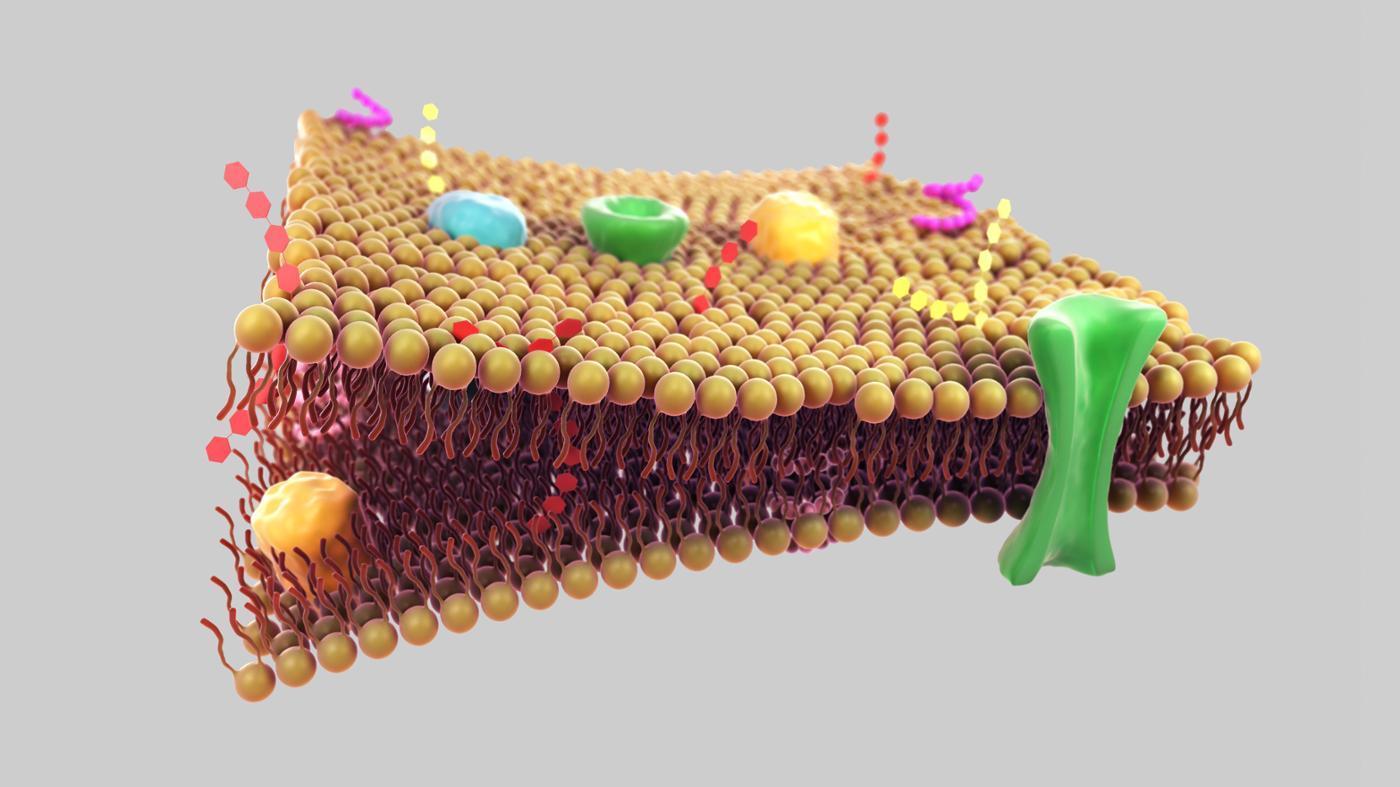
The phospholipid bilayer comprises what part of the cell?
a)
cytoplasm
b)
cell membrane
c)
cytoskeleton
d)
nuclear membrane
65.

Part of a phospholipid molecule can mix with water, but the other part cannot. This means the molecule is

a)

hydrophobic

b)

hydrophilic

c)

amphipathic

d)

ambidextrous

66.

Trans Fatty Acids are formed due to the partial reduction of polyunsaturated oils by hydrogenation.

a)

True

b)

False

67.

Which of the following facts is not TRUE about lipids?

a)

more double bonds, increase in melting point

b)

sparingly soluble in water but insoluble in organic solvents

c)

act as thermal insulators

d)

solubility decreases with increasing carbon chain length

68.

Which of these are examples of Lipids?

a)

simple sugars

b)

complex carbohydrates

c)

fats, oils, & waxes

d)

hair, skin, & nails

69.

Lipids are made of...

a)

CHO

b)

CHON

c)

CHONP

d)

CHONS

70.

Which of the following is a main function of a lipid?

a)

source of quick energy

b)

stores energy, insulates us, and makes up the cell membrane

c)

transport substances in and out of the cell

d)

stores genetic information

71.

What is the monomer of carbohydrates

a)

disaccharides

b)

monosaccharides

c)

amino acids

d)

fatty acids

72.

Which of the following is NOT a monosaccharide?

a)

starch

b)

fructose

c)

glucose

d)

galactose

73.

Which polysaccharide is used by plants to store glucose?

a)

glycogen

b)

cellulose

c)

starch

d)

chitin

74.

Lactose is composed of

a)

glucose + fructose

b)

glucose + glucose

c)

glucose + sucrose

d)

glucose + galactose

75.

Which monosaccharide is the sweetest?

a)

glucose

b)

fructose

c)

galactose

d)

sucrose