
 Worksheets
Present, Past or Future?
Total questions: 60
Worksheet time: 45mins
The sentence:
WHAT TIME DO YOU GET UP EVERYDAY?
is in the_______.
present
past
future
The sentence:
I HAVE BREAKFAST AT 6:OO AM.
is in the ______
present
past
future
The sentence:
DANIEL WILL TRAVEL THE WORLD IN THE FUTURE.
is in the_________
present
past
future
The sentence:
SAMARA WILL HAVE A REALLY NICE AND HANDSOME BOYFRIEND.
is in the_______
present
past
future
The sentence:
MARY CLAIRE SOMETIMES LIKES TIKTOK VIDEOS OF CUTE GUYS.
is in the_____
present
past
future
The sentence:
GIRLS ALWAYS LOVE JULIO.
is in the_______
present
past
future
The sentence
ANA KISSED A MYSTERIOUS BOY.
is in the________
present
past
future
The sentence:
JULIE DOESN'T REMEMBER THE NAME OF THE BOY
is in the_______
present
past
future
The sentence:
NICOLE IS GOING TO CELEBRATE A LOT IN THE NEXT YEARS.
is in the ________
present
past
future
The sentence:
GABRIEL WENT TO SCHOOL THIS MORNING
is in the _________
present
past
future
The sentence:
kAUÃ IS GOING TO BE VERY RICH AND SUCCESSFUL
is in the _________
present
past
future
The sentence:
KEVYN WILL HAVE A SUCCESSFUL BUSINESS ONE DAY
is in the _________
present
past
future
The sentence:
MALU IS GOING TO BE A NUN
is in the _________
present
past
future
The sentence:
WHAT WILL SAMUEL BUY WHEN HE WINS THE LOTTERY?
is in the _________
present
past
future
The sentence:
WILL MAVI GO TO RODEO THIS YEAR?
is in the _________
present
past
future
The sentence:
DANIEL DIDN'T EAT EGGS THIS MORNING
is in the _________
present
past
future
We usually use the word "always" in PRESENT sentences.
ALWAYS means:
às vezes
nunca
raramente
sempre
We use the word "usually" in PRESENT sentences.
USUALLY means:
às vezes
nunca
normalmente
sempre
We usually use the word "sometimes" in PRESENT sentences.
SOMETIMES means:
às vezes
nunca
normalmente
sempre
We usually use the word "often" in PRESENT sentences.
OFTEN means:
às vezes
nunca
frequentemente
sempre
We usually use the word "never" in PRESENT sentences.
NEVER means:
às vezes
nunca
frequentemente
sempre
We usually use the expression "LAST WEEK" in PAST sentences.
LAST WEEK means:
esta semana
semana passada
sexta passada
mês passado
We usually use the expression "YESTERDAY" in PAST sentences.
YESTERDAY means:
esta semana
semana passada
ontem
hoje
We usually use the expression "LAST NIGHT" in PAST sentences.
LAST NIGHT means:
esta semana
semana passada
ontem
noite passada
We usually use the expression "TONIGHT" in FUTURE sentences.
TONIGHT means:
hoje
esta noite
ontem
noite passada
We usually use the expression "TOMORROW" in FUTURE sentences.
TOMORROW means:
hoje
esta noite
amanhã
next week
We usually use the expression "NEXT WEEK" in FUTURE sentences.
NEXT WEEK means:
esta semana
na próxima semana
semana passada
depois de amanhã
We usually use the expression "NEXT WEEKEND" in FUTURE sentences.
NEXT WEEKEND means:
no próximo final de semana
na próxima semana
semana passada
depois de amanhã
Eu vou fechar a porta =
I close the door.
I closed the door.
I will close the door.
Eu abri a janela ontem =
I open the window today.
I opened the window yesterday.
I will open the window tomorrow.
Eu acordo às 6 todo dia.
I get up at 6 everyday.
I got up at 6 yesterday.
I will get up at 6 tomorrow.
Eu normalmente não como na escola =
I don't usually eat at school.
I didn't eat at school yesterday.
I won't eat at school tomorrow.
Ele foi pra escola de carro ontem =
He goes to school by car everyday.
He went to school by car yesterday.
He will go to school by car tomorrow.
Ela não assistiu stories do Instagram noite passada =
She doesn't watch instagram stories everyday.
She didn't watch instagram stories last night.
She won't watch instagram stories tonight.
Ele não beijou a Julie semana passada =
He doesn't kiss Julie every week.
He didn't kiss Julie last week.
He won't kiss Julie next week.
Você lavou o carro ontem? =
Do you wash the car everyday?
Did you wash the car yesterday?
Will you wash the car tomorrow?
MARK THE CORRECT IRREGULAR PAST:
GO
came
went
did
gave
MARK THE CORRECT IRREGULAR PAST:
WRITE
spoke
thought
wrote
told
MARK THE CORRECT IRREGULAR PAST:
SPEAK
spoke
said
saw
sold
MARK THE CORRECT IRREGULAR PAST:
SELL
went
bought
sold
drove
Ele não irá pra escola amanhã =
He doesn't go to school everyday.
He didn't go to school yesterday.
He won't go to school tomorrow.
Ela não conversará no whatsapp amanhã =
She doesn't talk on whatsapp everyday.
She didn't talk on whatsapp yesterday.
She won't talk on whatsapp tomorrow.
Eu falarei com você amanhã =
I will talk to you tomorrow.
I talked to you yesterday.
I talk to you everyday.
Nós comeremos uma pizza hoje à noite =
We eat pizza every night.
We ate pizza last night.
We will eat pizza tonight.
Ela escreveu o nome dele na prova ontem =
She writes his name on the test everyday.
She wrote his name on the test yesterday.
She will write his name on the test tomorrow.
Ele vai estudar amanhã de manhã =
He studies every morning.
He studied yesterday morning.
He will study tomorrow morning.
Você vai assistir um filme hoje à noite? =
Do you watch a movie every night?
Did you watch a movie last night?
Will you watch a movie tonight?
O que você vai fazer essa noite? =
What do you do at night?
What did you do last night?
What will you do tonight?
"Nós iremos, nós iremos, sacudir você" =
We go, we go, rock you
We rocked, we rocked, rocked you
We will, we will, rock you
We use verb to be (am, is, are) + GOING TO + verb
for future plans.
Put the words in order to form the future:
SAMARA IRÁ ENCONTRAR UM BOM NAMORADO =
find / Samara / going to / is / a good boyfriend
(a)
We use verb to be (am, is, are) + GOING TO + verb
for future plans.
Put the words in order to form the future:
JULIO IRÁ BEIJAR UMA MENINA LEGAL LOGO =
kiss / a nice girl / soon / Julio / is / going to
(a)
We use verb to be (am, is, are) + GOING TO + verb
for future plans.
Put the words in order to form the future:
MARY CLAIRE SERÁ MUITO FELIZ =
be / Mary Claire / going to / very happy/ is
(a)
We use verb to be (am, is, are) + GOING TO + verb
for future plans.
Put the words in order to form the future:
EU SEREI MILIONÁRIO ONE DAY =
am / be / one day / going to / a millionaire / I /
(a)
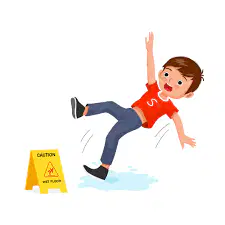
What will happen?
He falls
He fell
He will fall

What will he do?
He will cry.
He will smile.
He cried.
He smiled.
What are you going to do next weekend?
What will you eat tonight?
Where will you go next Friday?
What are you going to do tomorrow morning?
What did you eat last night?

