
 Worksheets
Reconstruction - Final Test
Total questions: 52
Worksheet time: 3hrs 48mins
The Confederate surrender arrangement occurred in (a)
Freedmen´s Bureau
Agency established by Congress to help former slaves in the South
Reconstruction
Period of rebuilding the nation after the Civil War
Fourteenth Amendment
African American Citizenship
Fifteenth Amendment
Banned states from denying African Americans right to vote
Sharecropping
Landowners gave a few acres of land to farm workers in exchange for a portion of their crops
Slavery is outlawed in the US by this amendment:
13th Amendment
15th Amendment
19th Amendment
12th Amendment
Who was the Union general in the West that gained the only victories for the Union?
William Tecumseh Sherman
"Stonewall" Jackson
Ullysses S. Grant
James Longstreet
Lincoln's Lenient Reconstruction Plan.
30% OFF
10% Plan
The Dab
20% Plan
___________________ wanted African Americans to have full citizenship.
Carpet Baggers
Jefferson Davis
Andrew Johnson
Radical Republicans
What is popular sovereignty
The right for African Americans to enlist in the army
Abolished slavery in the United States
The right to vote for or against slavery
The right for African Americans to become citizens
What do you call a person who was opposed to slavery and worked toward ending it?
Secessionist
Lincolnist
Abolitionist
Whig

The 13th Amendment...
Extended the right to vote to all men
Defined Citizenship and Due Process
Freed all those formerly rebellious from punishment
Freed those formerly enslaved and banned all involuntary servitude

This gave all men, regardless of race, the right to vote.
13th Amendment
14th Amendment
15th Amendment
21st Amendment

Presidential Reconstruction following the American Civil War can BEST be described as
a plan to fix the damage to the White House caused by the Civil War.
a desire to rebuild the southern states quickly to help control the economy.
a desire to rebuild the country quickly and without ill feelings following the war.
a desire to punish those southerners responsible for causing and/or prolonging the war.

The purpose of the Freedman's Bureau was to
provide 40 acres and a mule for each slave.
gain the vote for millions of former slaves.
provide work, education, and relief for former slaves.
get radical Republicans in positions of power in the South.

Who would have most likely NOT supported the Freedmen's Bureau?
An abolitionist
a carpetbagger
a former slave owner
a northern business owner
President Andrew Johnson had a power struggle with Congress. He was the first president to be officially accused of high crimes and misdemeanors. What is this term called?
Impeachment
Impairment
Imprisoned
Impersonated
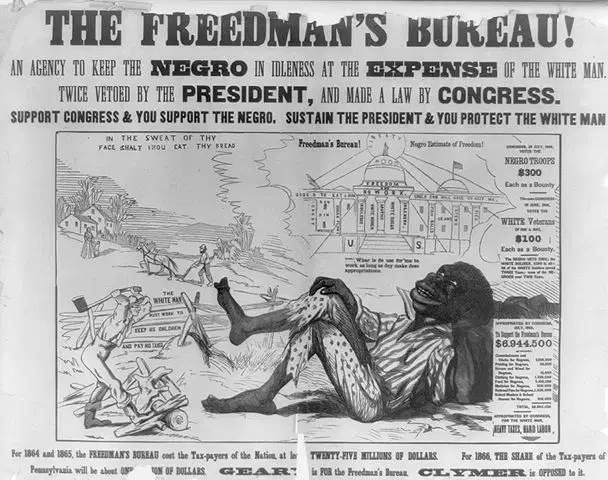
Which of these services did the Freedman's Bureau provide for African-Americans?
Built schools and churches
Found jobs for them
Helped protect their rights
Gave them a home and 100 acres of land.
Moved them to Oklahoma onto Negro Reservations.
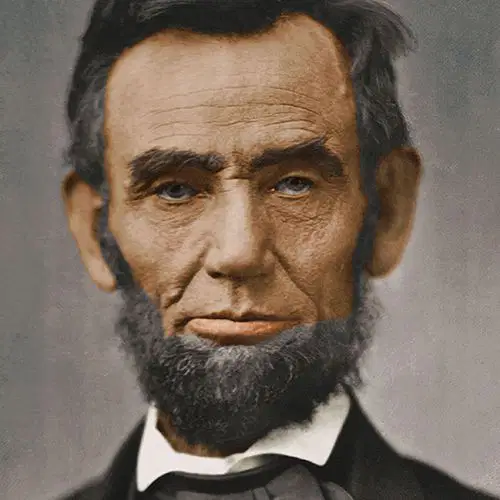
What was president Lincoln's plans for the South after the Civil War?
He wanted white men to have all the power in the south
He wanted to punish the south.
He wanted to help freedman by creating the Freedman's Bureau.
He wanted to heal, forgive, and rebuild the south.

Which option below made the Civil War about keeping or ending slavery?
Fugitive Slave Act
Emancipation Proclamation
Declaration of Independence
Election of Abraham Lincoln

In the Civil War...which side did Robert E. Lee fight for as a general?
North
South
Both
Neither
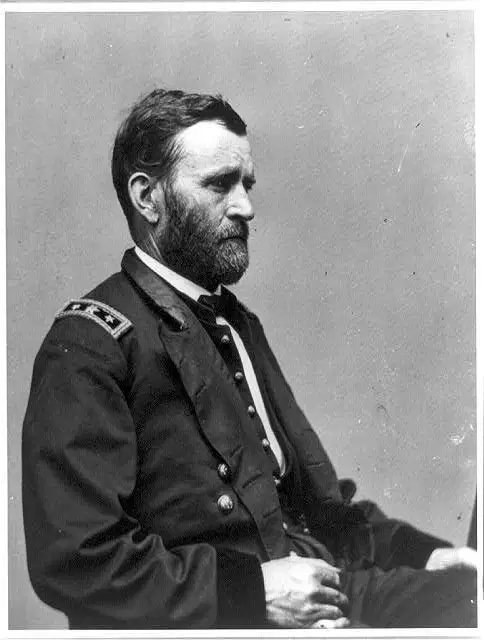
In the Civil War...which side did Ulysses S. Grant fight for as a general?
North
South
Both
Neither
Which word is synonymous (means the same as) the following?
a general pardon or absolution
(a)
At the end of Reconstruction, newly freed African Americans saw
little improvement in their economic and social status
major improvement in their economic and social status
little improvement in their economic but major improvement in their economic status
major improvement in their economic but little improvement in their social status

The United States Senate was how many votes short of impeaching President Johnson?
1 vote
3 votes
5 votes
10 votes

What were the two main reasons that Grant was elected?
Blacks voted for him.
Former confederates could not vote.
He spent the most money.
Nobody knew the democratic nominee.
What were free slaves called? (a)

Who became president after Abraham Lincoln was assasinated? (a)
This act established direct military rule over former Confederate states until new governments could be formed.
The Emancipation Proclamation
The Thirteenth Amendment
Civil War Act
Reconstruction Act

Rights were taken away from plantation owners
African American rights increased
Women received equal rights
Expanded rights for First Americans
Which of the following presidents was impeached during Reconstruction? (a)
What former Union General was elected President? (a)
What name was givin to Northerners who moved south for political jobs and to profit off Reconstruction? (a)
What was another name for a southerner who sided with the Radical republicans that wanted to punish the south for the war? (a)
What economic system was created in the south to replace slavery and keep Freedmen poor and under white control? (a)
Freedmen´s Bureau
Agency established by Congress to help former slaves in the South
Reconstruction
Period of rebuilding the nation after the Civil War
Fourteenth Amendment
African American Citizenship
Fifteenth Amendment
Banned states from denying African Americans right to vote
Sharecropping
Landowners gave a few acres of land to farm workers in exchange for a portion of their crops
Radicals
Republicans who wanted to destroy the political power of former slaveholders
Scalawag
White Southerners who joined the Republican Party
Carpetbagger
Northerners who moved to the South after the war
Ku Klux Klan
White southerners who used violence to keep blacks from voting
Members of the Republican party who believed the Confederacy should be punished for their actions and believed African Americans were entitled to the same political rights and opportunities as whites. (a)
Which of these pictures represents a secret organization of white men formed after the Civil War that used violence and terror against African Americans?



A terrorist group that prevented blacks from voting.
Ku Klux Klan
Freedmen Bureau
Jim Crow Laws
Civil Rights Act of 1866
The Supreme Court ruling that legalize segregation in the United States.
Plessy v. Ferguson
Brown v. Board of Education
Dred Scott v. Sanford
Plessy v. Sanford
A law that legally segregated blacks and whites in public places.
Poll tax
Literacy test
Sharecropping
Jim Crow Laws
The 13th, 14th and 15th Amendments changed the meaning of citizenship in the
United States. However, some groups still were not included in those new rights.
Which two groups were the last to receive their full citizenship benefits? (Check two.)
American Indians
Women of all races
White American males
African American males
Asian Males

Reconstruction came to an end when...
Lincoln became president.
the Black Codes were adopted.
Congress proposed the 13th Amendment.
a compromise took place over the 1876 election.
How did the southern states prevent African Americans from voting starting in
the 1890’s?
Every southern state adopted the 15th Amendment.
Southern states implemented Reconstruction policies.
Southern states banned black codes and Jim Crow Laws.
Changed their state constitutions that added requirements such as poll taxes for
African Americans.
A article that allowed individuals who did not pass the literacy test to vote, if their fathers or grandfathers had voted before Reconstruction began.
Poll Tax
Black Codes
Grandfather Clause
Jim Crow Laws
A tax of a fixed amount per persons that had to be paid before the person could vote.
Poll Tax
Literacy Test
Jim Crow Laws
Grandfather Clause
Segregation in the South was mainly based on...
hair color.
religion.
race (color of the skin).
economic status.
Jim Crow laws were mainly directed at this group.
Latinos
African-Americans
Native Americans
Asians
better opportunities for women
African Americans gaining full civil and political rights
discrimination laws focused on Native Americans
unequal opportunities for African Americans in housing, jobs, and education
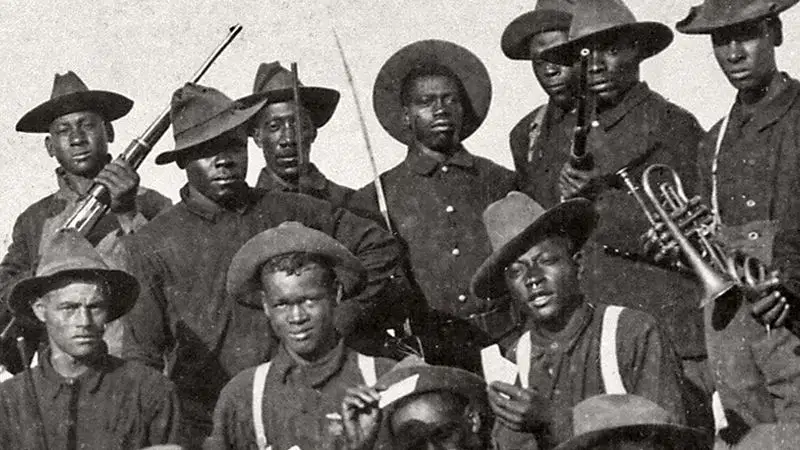
Which of the following are reasons many black men joined the army after the Civil War? (Check all that apply.)
There was an opportunity to learn to read and write.
It was hard to find work.
They were given land after they served.
The army provided food, shelter, and opportunity.
They would be allowed to vote.
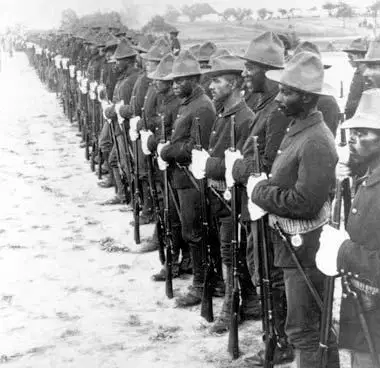
Black soldiers were given the name Buffalo Soldiers by...
former slave owners.
the Confederacy.
the Union Army.
the Native Americans.

Was life for black people harder before, or after, the Civil War and Reconstruction? Explain your answer and give examples.

