
 Worksheets
Botany PG Entrance latest
Total questions: 170
Worksheet time: 2hrs 58mins
What is the Ploidy of endosperm in Angiosperms
2n
3n
1n
None of the above
These are undifferentiated or rapidly dividing tissues.
Meristematic tissues
Permanent tissues
Both
This is the meristem that increases the diameter of the stem.
Apical
intercalary
lateral
This is a primary meristem in vascular plants that gives rise to epidermis
Procambium
Ground meristem
Protoderm
intercalary
It is a thick layer of non living cork cells and a protective tissue that replaces the epidermis when the secondary growth displaces.
Epidermis
Periderm
Vascular tissue
Ground tissue
These are tissues which are thickened with lignin and are dead at maturity
Collenchyma
Parenchyma
Chlorenchyma
Sclerenchyma
These vascular tissue is composed of sieve tubes and companion cells
Xylem
Phloem
xylem vessel
tracheids
These are perforated walls with an end walls to allow cytoplasmic connections between vertically-stacked cells and no nucleus.
sieve elements
companion cells
tracheids
vessel elements
This tissue functions to transport food, water, and minerals
dermal tissue
ground tissue
vascular tissue
It functions to provide flexibility support.
Collenchyma
Parenchyma
Sclerenchyma
Aerenchyma
Parenchyma, Collenchyma, Sclerenchyma are classified under:
Dermal tissues
Ground tissue
Vascular tissue

Identify the image
chlorophyll
stomata
lamina
petiole
Which of the following raw material is available in the air for photosynthesis?
oxygen
carbon dioxide
nitrogen
hydrogen
In the absence of which of the following will photosynthesis not occur in leaves?
vacuole
stomata
chlorophyll
cytoplasm
Which bacteria is there in the roots of the plants to convert atmospheric nitrogen to its solid form?
Coronovirus
Nipha Virus
Treponama
Rhizobium
Plants are _________________ which means they make their own food.
heterotrophs
chemotrophs
autotrophs
liveotrophs
Plants are both _____________ & _______________.
multicellular & eukaryotic
unicellular & eukaryotic
multicellular & prokaryotic
unicellular & prokaryotic
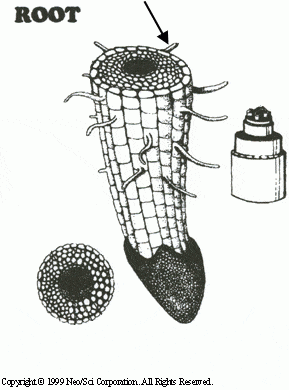

All living things are made from cells.
True
False

Parts of a cell are called-
organisms
organelles
organics
organizations

Which equipment is best used to observe the structure of a cell?
magnifying glass
binoculars
telescope
microscope

This organelle directs all cell activities, it is 'the brain'. DNA is located there.
Vacuole
Nucleus
Cell Wall
Cytoplasm

This molecule carries genetic instructions in all living things.
DNA
KNA
CO2
H20

This surrounds the cell. It controls what enters and leaves cell. It holds the cell together.
vacuole
cell wall
cell membrane
nucleus

This is the jelly-like substance inside of cells that holds the organelles.
chloroplast
photosynthesis
cell membrane
cytoplasm

This organelle stores food and waste.
cell membrane
mitochondria
vacuole
nucleus

This is the 'powerhouse of the cell', it gives cells energy.
nucleus
mitochondria
vacuole
cell membrane

This organelle is only in plants. It gives plants shape and support.
nucleus
cell wall
mitochondria
DNA

This is the process plants use to change light energy from the sun into chemical energy (food).
photosynthesis
oxidation
hydrolysis
decomposition

This organelle is only in plant cells. It makes food through photosynthesis.
mitochondria
cytoplasm
chloroplasts
nucleus

Animal cells do NOT have _____ or ______.
mitochondria
cell walls
nucleus
chloroplasts
cytoplasm

Theofrastus is regarded as
Father of Embryology
Father of Botany
Father of Ecology
None of these
Father of Genetics is called for
G J. Mendel
Watson
J.H. Morgan
Crick

Aristotle is regarded as
Father of Zoology
Father of Botany
Father of Biology
Father of Medicine
Study of plants in the forest and forest products is called:
Forestry
Agroforestry
Horticulture
Silviculture

Study of soil is called:
Ecology
Pedology
Nematology
Pathology

The term Agronomy is used for:
Study of economic importance of virus
Study of economic importance of fungi
Study of science of crop production
None of these
Sapce biology is:
The study of animals and plants
The study of soil microorganisms
The study of living organisms and their surrounding environment in the outer space
All of these

The study of soil, involving its structure, type and dynamics is called:
Biology of soil
Soil science
Soil erosion
Soil structure
The branch of science which is concerned with the study of disease is called:
Entomology
Pathology
Eugenics
Dermatology
The term phylogeny refers to:
Study of animal physiology
Study of plant physiology
The evolutionary history of an organism
None of these
Water in plant is transported by
Xylem
Epidermis
Phloem
Cambium
Presence of ................distingushes plant cell from Animal cell
Nucleus
Cell wall, Chloroplast, Vacuoles
Cell Membrane
None of These
Clove (लवंग ) the commonly used spice is obtained from
fruit
flower bud
Stem
Root
Ginger is a stem and not a root because
It lacks chlorophyll
It stores food material
It has nodes and Internodes
It grows horizontally in the soil
Carrot is orange in colour because
It grows in soil
It contians carotene
It is not exposed to sunlight
The entire plant is orange in vcolour

During photosyntheis green plants absorb
Nitrogen
Oxygen
Carbon monoxide
Carbon dioxide
The food conducting tissue of plant is
Phloem
Xylem
Collenchyma
Parenchyma

The floral part that produces pollengrain is called
Sepal
Petal
Anther
Overy

Flower less plants are called
Cryptogams
Thalophytes
Bryophytes
Phanerogams
A molecule in plants comparable to haemoglobin in animals
Cellulose
Chlorophyll
Cytochrome
Carotene
Which one of the following is a Gaseous plant Hormone?
Auxin
Ethylene
Cytokinin
ABA
Which one of the following is a Precursor of Auxin?
Tryptophan
Kaurene
Zeatin
Methionine
Which one of the following is a precursor of plant growth hormone Ethylene?
Tryptophan
IAA
Pyrophosphate
Methionine
Which one of the following is a "Fruit Ripening Hormone"?
Auxin
ABA
Ethylene
Polyamines
Which plant hormone help in Stomata Closing?
Auxin
Ethylene
Cytokinin
ABA
Which one of the following plant hormone produce extraordinary elongation of stem?
Gibberellins
Auxin
Cytokinin
Zeatin
Which plant growth hormone promotes cell division?
Auxin
Cytokinin
ABA
Ethylene
A large number of chemical substances are known to inhibit the biosynthesis and activity of Gibberellins in plants are known as (a)
A cytokinin like substance isolated from milky endosperm of Zea mays is known as
Auxin
Nucellus
Zeatin
ABA
Which one of the following is an Anti-auxin?
TIBA
Phosphon-D
B-995
AMO-1618
a, an
without, deficiency
coming to
self
tip
adventit
case, capsule
star
self
coming to
agro
tree
field
flower
star
angio
case, capsule
tip
yearly
self
annu
flower
yearly
tree
star
antho
self
flower
tip
tree
apex
self
without, deficiency
case, capsule
tip
arbor
without, deficiency
coming to
tree
self
aster
case, capsule
self
star
tip
auto
tree
self
yearly
field
auto
without, deficiency
coming to
self
tip
aster
case, capsule
star
self
coming to
arbor
tree
field
flower
star
apex
case, capsule
tip
yearly
self
antho
flower
yearly
tree
star
annu
field
flower
yearly
tree
angio
self
without, deficiency
case, capsule
tip
agro
without, deficiency
coming to
field
self
adventit
case, capsule
coming to
star
tip
a, an
without, deficiency
star
field
tip
Which of the following are reactants of photosynthesis?
CO2 and H2O
O2
H2O and Glucose
None of the above
Which part of a plant anchors the plant to the ground and soaks up water and minerals?
stem
leaves
roots
petals
Xylem carries-
water up from the roots
water down from the leaves
Glucose from the roots
Glucose down the stem
Phloem carries-
Glucose all around the plant
Glucose to the roots only
Water all around the plant
Water up from the roots
Where is the main site of photosynthesis on a plant?
Stem
Leaves
Petals
Pollen
Plants take in radiant energy and turn it into what form of energy?
Chemical
Thermal
Potential
Kinetic
In which organelle does photosynthesis occur?
Cell Wall
Chlorophyll
Chloroplast
Cytoplasm
What are the end products of photosynthesis?
Carbon Dioxide and Water
Glucose and Carbon Dioxide
Oxygen and Glucose
Water and Glucose
When light intensity goes up, the rate of photosynthesis goes _______.
up
down
at the same rate. It does not change.
Foods synthesized in the process of Photosynthesis by plants is stored as
Starch
Protein
Vitamins
Fats
Where in a plant cell does photosynthesis take place
Palisade cells
Chlorophyll
Chloroplasts
Vacuole
What is the purpose of photosynthesis?
To release energy
To create glucose
To grow
To get oxygen for respiration
Which of these is the correct equation for photosynthesis?
6O2 + C6H12O6 --> 6CO2 + 6H2O
6O2 + 6CO2 --> C6H12O6 + 6H2O
6CO2 + 12H2O --> C6H12O6 + 6H2O + 6O2
6CO2 + 6H2O --> O2 + C6H12O6
Which of these are limiting factors for photosynthesis? Choose 3 answers.
Light intensity
CO2 concentration
Temperature
Light
CO2 levels
What protects Stomata and helps it in opening and closing?
Guard Cells
Leaf
Stem
Carbon Dioxide

Identify what is shown in the picture
chlorophyll
stomata
carbon dioxide
veins


Main products of the Calvin Cycle
Oxygen, NADP+, ADP
Glucose, CO2, ADP
ADP, NADP+, Glucose
ATP, NADPH, Oxygen
The Calvin Cycle occurs in the
Thylakoid
Grana
Inner membrane of chloroplast
Stroma


What supplies the electrons during photosynthesis?
oxygen
water
glucose
rubisco
Choose the statement that best describes light reaction.
It converts CO2 to sugar molecule
It converts light energy to chemical energy of ATP and NADPH
It takes place in the stroma
Main products of the Calvin Cycle
Oxygen, NADP+, ADP
Glucose, CO2, ADP
ADP, NADP+, Glucose
ATP, NADPH, Oxygen
The Calvin Cycle occurs in the
Thylakoid
Grana
Inner membrane of chloroplast
Stroma
Plants can close their stomata when the temperature is hot
To prevent water loss
To prevent loss of oxygen
To prevent loss of carbon dioxide
To bring in more carbon dioxide
A plant using the C4 pathway will
fix CO2 into a four carbon sugar instead of a three carbon sugar
close the stomata during the day
produce a four carbon sugar instead of glucose
not need ATP from the light reactions
Which of the following is a way to increase the rate of photosynthesis?
Increase oxygen levels
Decrease CO2 levels
Increase light intensity
Decrease water level
Which is not a C4 plant?
Cactus
Corn
Sugar cane
Crab grass
Which of the following is a CAM plant?
Corn
Sugar cane
Crabgrass
Pineapple
Which of the following is true of the Calvin Cycle?
carbon dioxide and energy (ATP and NADPH) are used to make organic compounds
energy is absorbed from sunlight and converted to chemical energy stored in ATP and NADPH
Occurs in the thylakoid
Occurs in the cytoplasm
Rate of photosynthesis ________ as light intensity _________
increases, increases
decreases, increases
increases, decreases


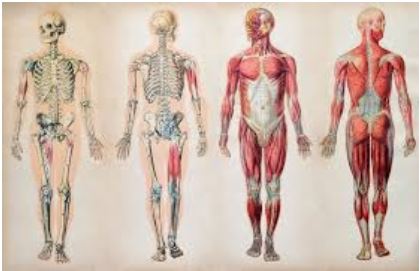
What is the study of the structure of living things
Anatomy
Embryology
Zoology
Physiology

What is the study of chemical reactions in organisms?
Zoology
Cytology
Biochemistry
Entemology
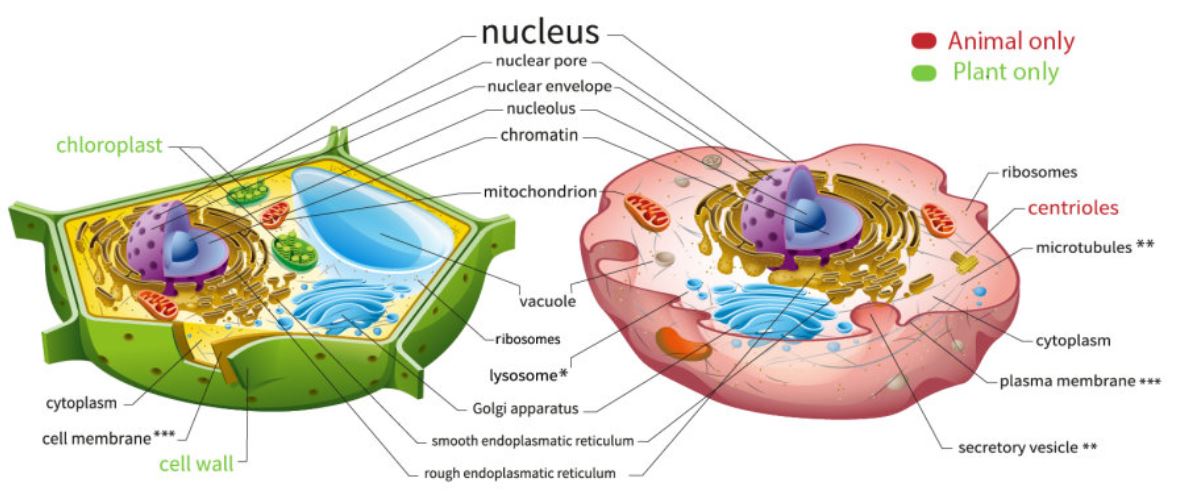
What is the study of the structure and function of cells?
Cytology
Genetics
Ecology
Taxonomy
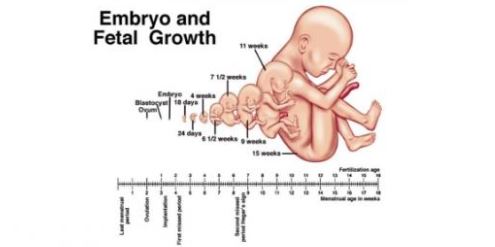
What is the study of embryo development?
Ecology
Icthiology
Microbiology
Embryology
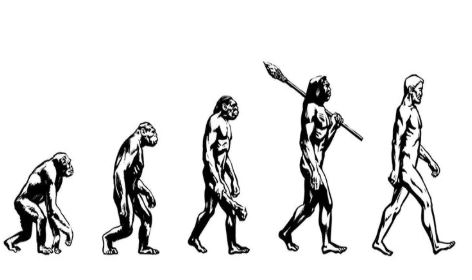
What do we call the study of changes of organisms over time?
Histology
Evolution
Microbiology
Taxonomy
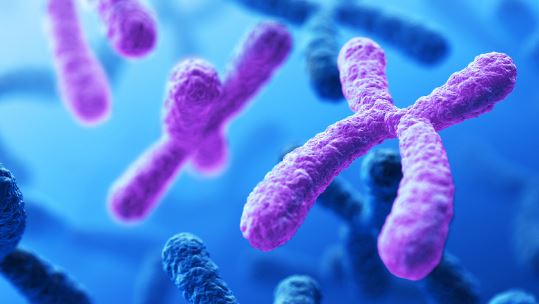
What is the study of heredity?
Microbiology
Genetics
Evolution
Anatomy
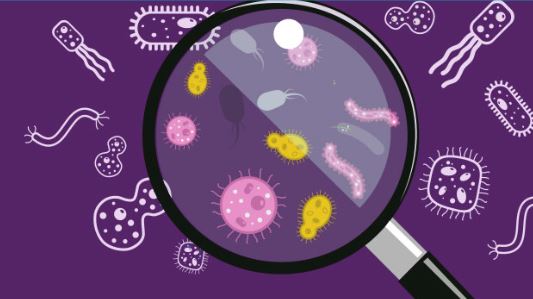
What is the study of small living things
Genetics
Marine Biology
Botany
Microbiology
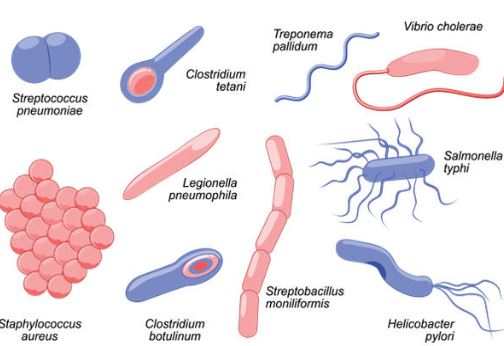
What is the study of bacteria?
Embryology
Physiology
Bacteriology
Zoology
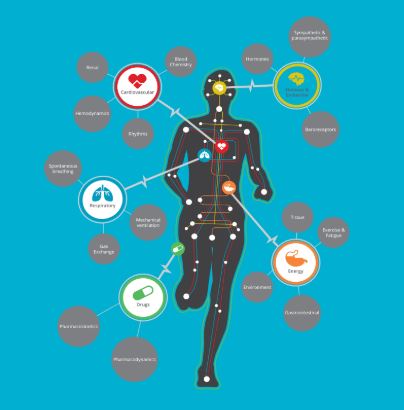
What is the study of the functions of living thing?
Physiology
Pathology
Cytology
Evolution
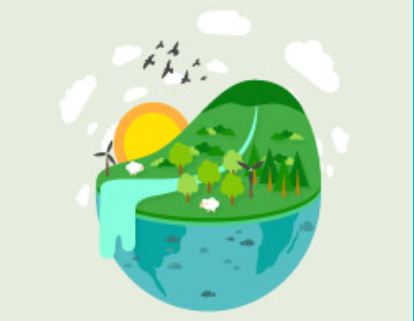
What is the study of the relationship between organisms and their environment?
Genetics
Ecology
Bacteriology
Biochemistry
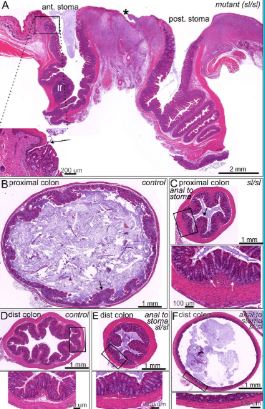
What is the study of animal and plant tissue?
Histology
Marine Biology
Taxonomy
Boatany
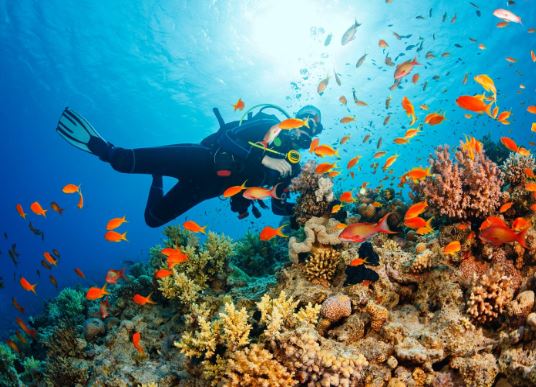
What is the study of ocean environments?
Genetics
Zoology
Marine Biology
Physiology
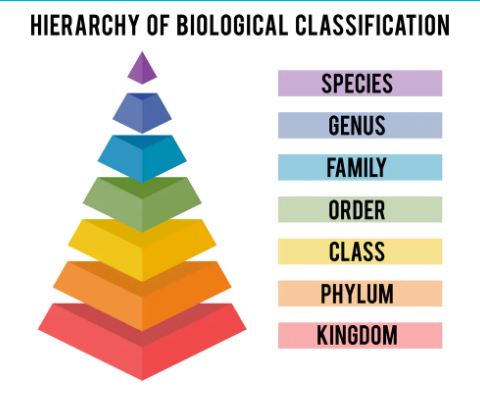
What is the study of classifying living things?
Pathology
Bacteriology
Taxonomy
Microbiology
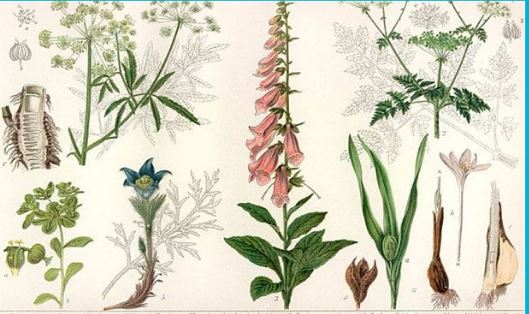
What is the study of plants?
Botany
Zoology
Ornithology
Oncology

What is the study of animals?
Herpetology
Ecology
Zoology
Genetics
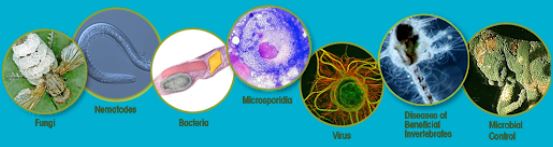
What is the study of the spread and origin of diseases?
Ethnology
Pathology
Zoology
Anatomy

What is the study of insects?
Oncology
Physiology
Virology
Entomology

What is the study of human races and origins?
Ethnology
Herpetology
Marine Biology
Anatomy

What is the study of reptiles?
Ornithology
Herpetology
Taxonomy
Mycology
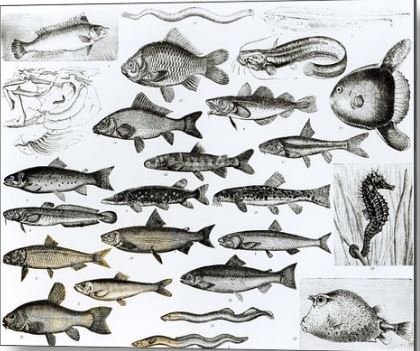
What is the study of fish?
Ichthyology
Zoology
Botany
Pathology
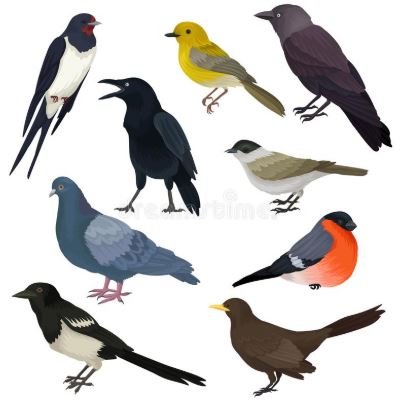
What is the study of birds?
Virology
Hematology
Ornithology
Oncology

What is the study of animals without backbones?
Taxonomy
Anatomy
Physiology
Invertebrate Zoology

What is the study of cancer?
Oncology
Ethnology
Virology
Ecology
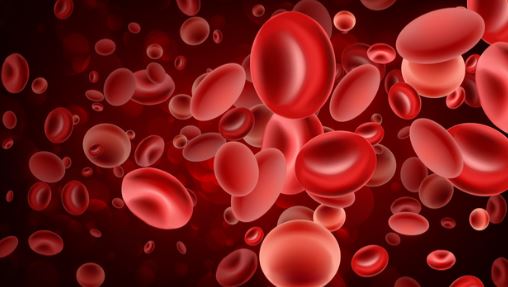
What is the study of blood and structures found in blood?
Taxonomy
Hematology
Histology
Ichthyology
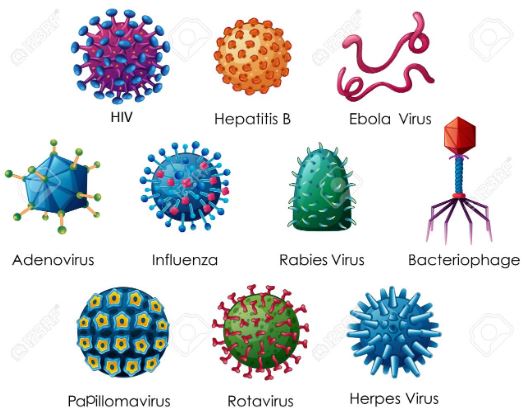
What is the study of viruses and diseases caused by viruses?
Mycology
Herpetology
Virology
Taxonomy
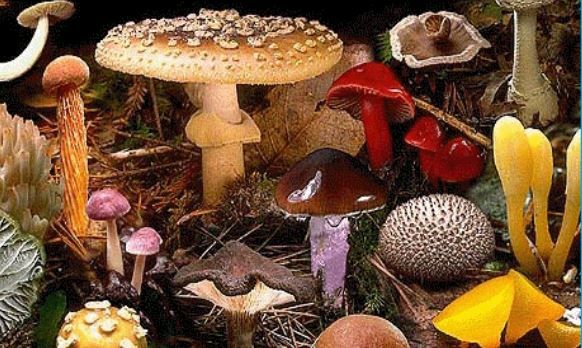
What is the study of fungi?
Ornithology
Physiology
Marine Biology
Mycology

