
 Worksheets
Renaissance & Reformation Test Review
Total questions: 42
Worksheet time: 22mins
Why did Protestants leave the Church and start a new branch of Christianity?
Luther's 95 Theses
They got tired of going to church everyday
Michelangelo's paintings
Shakespears'e plays
King Henry VIII asked the pope to annul his marriage. He didn't so he created the ___________________ Church.
Protestant
Anglican
Catholic
Christian
Leonardo Da Vinci was considered a Renaissance Man. What are some of his famous works?
Moira Lisa
Last Supper
Mona Lisa
Last Dinner
Martin Luther challenged the Catholic Church by posting ____ arguments about selling indulgence.
100
95
90
10
During the Protestant Reformation, people left the Catholic Church because of ______________. They began new Christian faiths.
corruption
secrecy
death
love
_____________ was excommunicated because of protesting the Catholic Church?
Catherin De' Medici
Henry VIII
Martin Luther
John Calvin
Shakespeare wrote famous plays like ...
Wicked
Hamlet
Hamilton
Romeo and Juliet
Which civilizations influenced the Renaissance?
Rome
China
India
Greece
Martin Luther was very against selling ___________
the church
money
indulgences
books
What does the term indulgence mean?
someone pays a fee to be forgiven of your sins
rebirth
to go against the church's teachings
rich person who supported artists
Lutheranism was created by _____________
John Calvin
Martin Luther
Henry VIII
Pope Leo X
Gutenberg invented the _____________.
The helicopter
The Last Supper
Sistine Chapel
Printing press
Renaissance means __________
rebirth
protest
indulgence
secrecy
The Reformation created this new branch of Christianity.
Muslim
Hebrew
Protestantism
Catholic
The Renaissance began in this country.
India
Italy
Indonesia
China

a reform movement against the Roman Catholic Church that began in 1517; it resulted in the creation of Protestant churches
Reformation
Indulgence
Purgatory
Protestant


What was the Catholic Church's response to Martin Luther's 95 Theses?
Excommunication
The Peace of Westphalia
The Counsel of Trent
They ignored it

What was the significance of the printing press?
the production of written work was slower, therefore written works were not available to everyone.
there is no significance
the production of written work was faster, however not everyone was able to read.
the production of written work was faster, therefore written works were available to everyone.
Which best describes the Renaissance?
unquestioned reliance on the teachings of Aristotle
Christian unity through region
An advance of Muslim culture
Great intellectual and artistic creativity
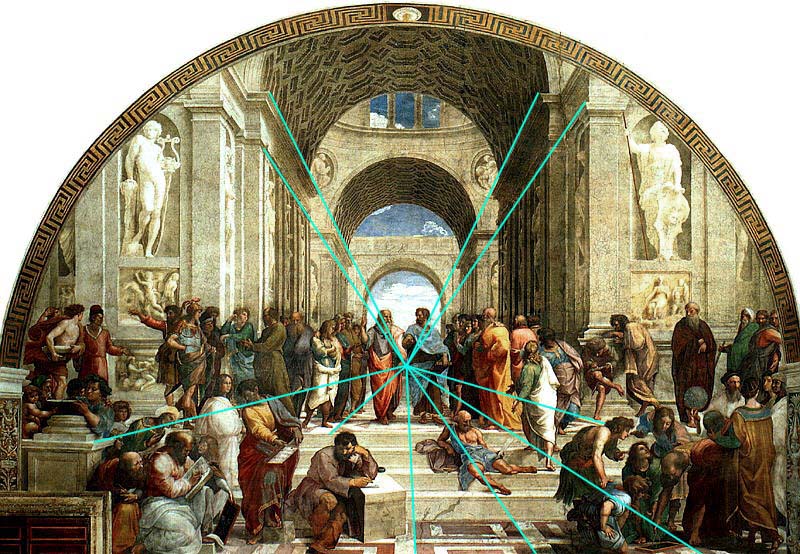
How is Renaissance Art different from art of the Middle Ages?
the background in Renaissance art was boring
Renaissance art focused more on religion
Renaissance art was flat and less detailed
Renaissance art looked more realistic because of it's 3d perspective
Why was the printing press such an important invention?
It created more jobs.
It allowed the government to establish laws.
It allowed for books, especially the Bible, to be available to more people.
It allowed the rich people to have more books.
Why was Genoa and Venice important to trade between Asia and the rest of Europe?
They contain great works of architecture and art.
Genoa and Venice contain banks that pay for trade.
They were in rural areas producing grain to export.
Genoa and Venice were port cities located along trade routes.
How did education change during the renaissance period?
Students started learning about religion.
More children had access to private education.
Students started learning about humanities.
More children were required to attend public education.
How did education change during the renaissance period?
Students started learning about religion.
More children had access to private education.
Students started learning about humanities.
More children were required to attend public education.
What resulted from the growth of trade in Europe during the Renaissance?
Europe’s growth in the trade caused the Counter Reformation to occur.
Trade in Europe caused the political leaders wanted to escape the power of the church.
Europe’s growth in the trade caused jobs to be lost and people were hungry and homeless.
Trade in Europe brought more jobs were available which made cities and towns grow larger.
4. Who was a Renaissance painter, sculptor, architect, inventor and mathematician? He painted the most famous painting in the whole world: "The Mona Lisa".
Painter, Johannes Gutenberg, painted The Mona Lisa.
Painter, Leonardo da Vinci, painted The Mona Lisa.
The famous Renaissance painter is Michelangelo painted The Mona Lisa.
The famous Renaissance painter that painted The Mona Lisa was Marco Polo.
9. To stop the reformation, the Catholic Church tried to put religious pressure on believers and government leaders and later declared war. Nothing worked so the church began a movement to try to reform itself. What was this movement called?
The movement was called Spanish Inquisition.
Reformation was stopped by Feudalism.
The movement was called Counter Reformation.
Reformation was stopped by Protestant Reformation.
Those who sided with Luther and protested against the church
Protestants
Catholic Reformation
Jesuits
Huguenots
The effort to reform the Catholic Church from within the church
Protestants
Catholic Reformation
Jesuits
Huguenots
Granting religious freedom in most of France
Edict of Nantes
Thirty Years' War
Agreement
Congregation
A long series of wars that involved many of the countries in Europe
Edict of Nantes
Thirty Years' War
Agreement
Congregation
The sharing of power between local governments and a strong central government
Edict of Nantes
Thirty Years' War
Federalism
Congregation
The thirty years war is a conflict between...
Rigby and Mordecai
Catholics and Protestants
Lutherans and Calvinists
Muslims and Christians
The Thirty Years War began in 1618 in
Bohemia
Prussia
Denmark
Sweden

Which of the following was a result of the Thirty Years' War?
European rulers could decide the religion of their region
The Edict of Nantes granted religious freedom in France
Germany became part of the Holy Roman Empire
Peasants in Germany revolted against the government

The Huguenots were
British Protestants
German Protestants
Swiss Protestants
French Protestants

All of the following were results of the Reformation except
people became more curious about science & the natural world
Protestants and Catholics resolved their religious conflicts
the idea of self-government began to take hold
Northern European countries became largely Protestant

