
Font size
 Worksheets
Andre's Request
Total questions: 18
Worksheet time: 15mins
3 types of metal that are magnetic (from the flashcards)
Iron
Nickel
Cobalt
Magnesium
Neodymium
Magnetic Force, Magnetic Pole, Magnetic Field
(a)
What is a hertz?
(a)
What happens when light waves interact with matter?
Nothing happens
Light would slow down
It would be refracted
It would scatter
Matter starts to get warm
3 ways matter can interact with light
It can transmit light
It can absorb light
It can reflect light
It can block light
It can create more light
3 ways to describe a wave
Amplitude
Force
Wavelength
Frequency
Pattern
The beautiful displays of light that can be seen at northern or southern latitudes.
(a)
3 types of magnets
Strong Magnets
Electro Magnets
Permanent Magnets
Weak Magnets
Temporary Magnets
Formula for wavelength
λ = fu
wavelength = frequencywavespeed
χ = Asin(ω[t − K]) + b
f = T1
The domains in an object represent whether the object is magnetic.
Why are domains important to magnets?
Magnetic Force
What is a magnetic field?
What is hertz?
2 things that affect the speed of a wave
Frequency and Wavelength
Amplitude and Frequency
Wavespeed or medium in which it travels
Matter constantly moving
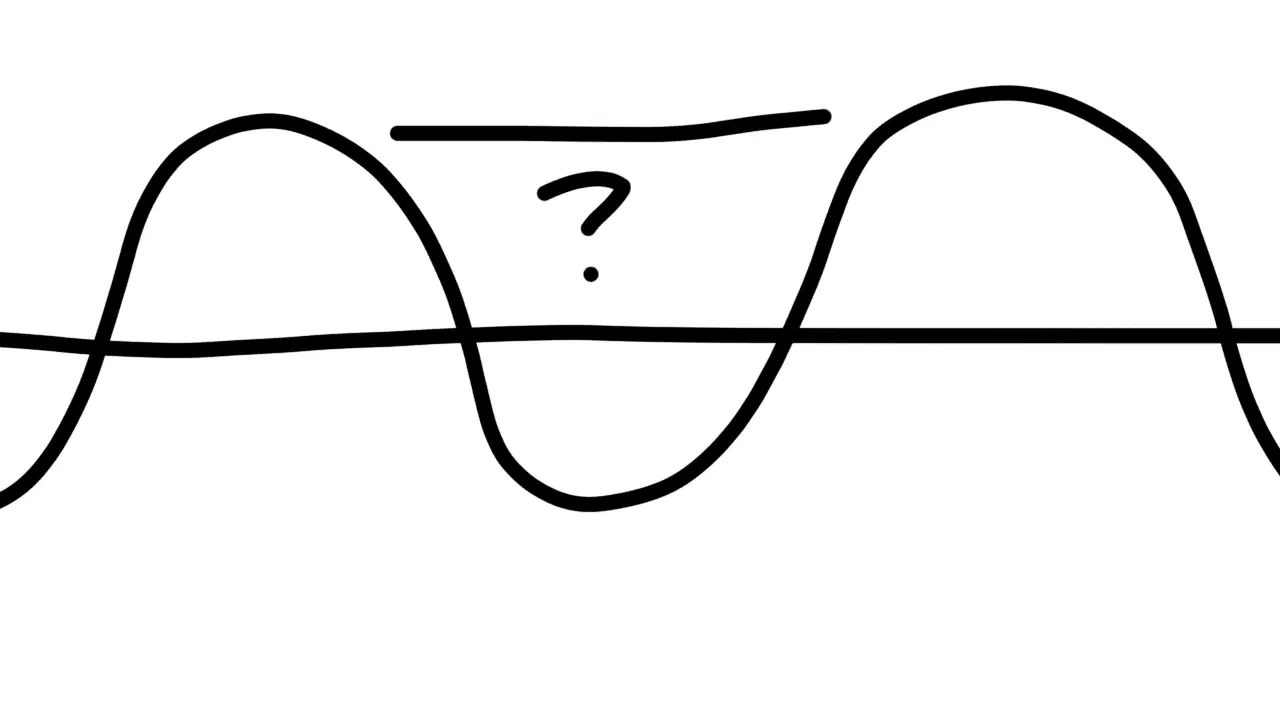
What is the image showing?
(a)
Medium and temperature
(a)
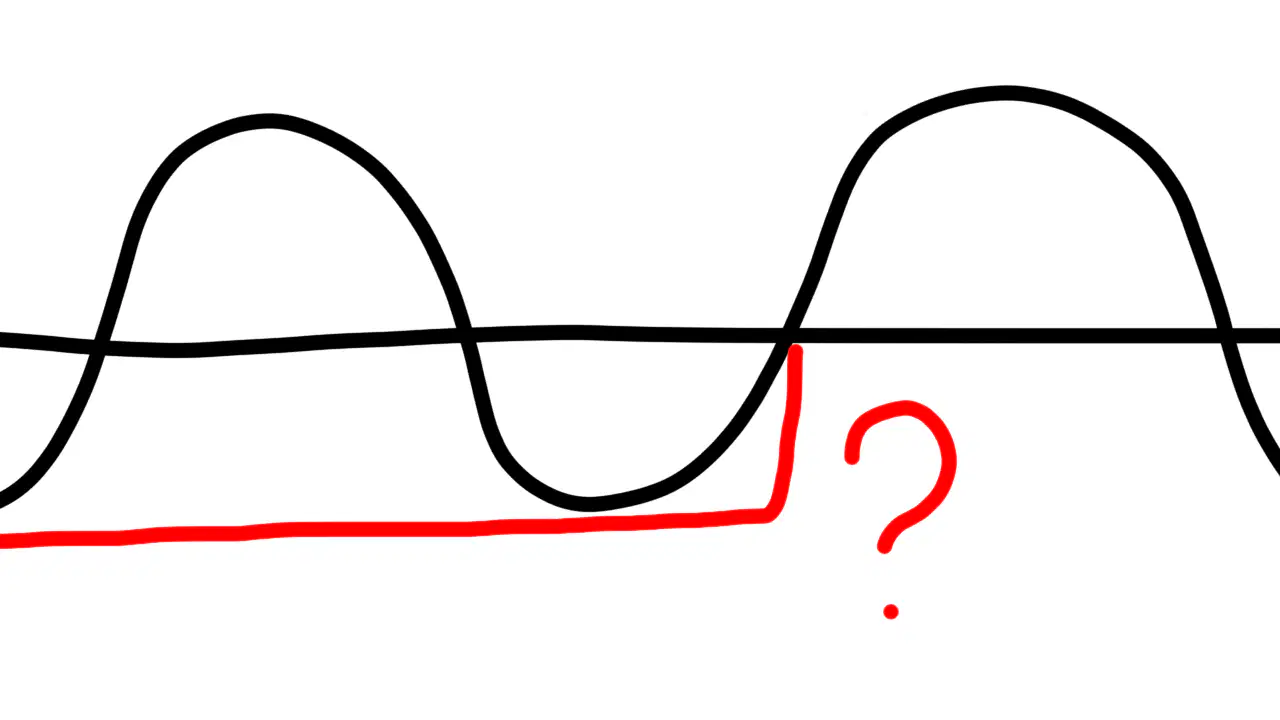
What is the image showing?
(a)
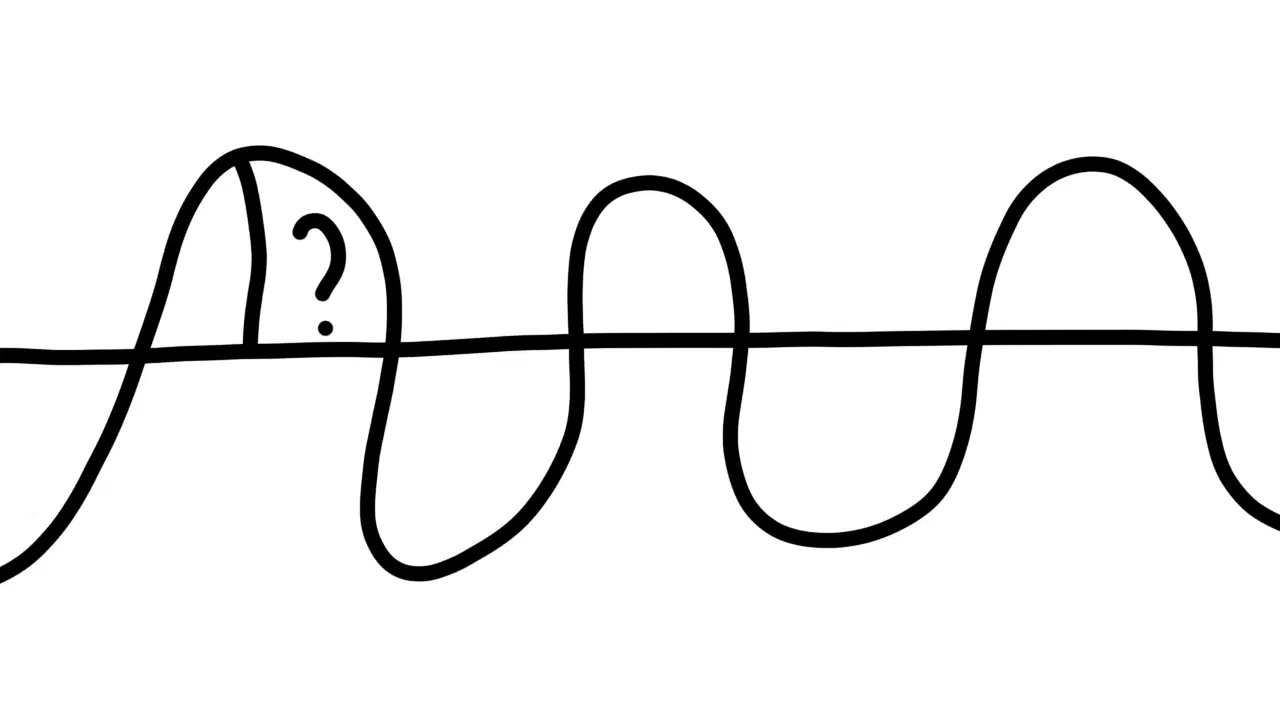
What does the image show?
(a)
- Amplitude or Frequency
- Energy loss due to spreading
- The medium or energy loss to a medium
(a)
The combination of two or more waves that end to a single wave
Interference
Lightwaves
Frequency
Amplitude
Wavelength
Where can resonance occur?
Bridges
Instruments
Thoughts
Light
Waves

