
 Worksheets
Y8 EOY Prep excluding Oceans
Total questions: 93
Worksheet time: 47mins

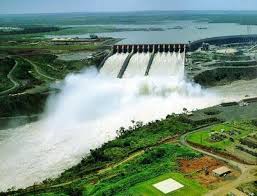
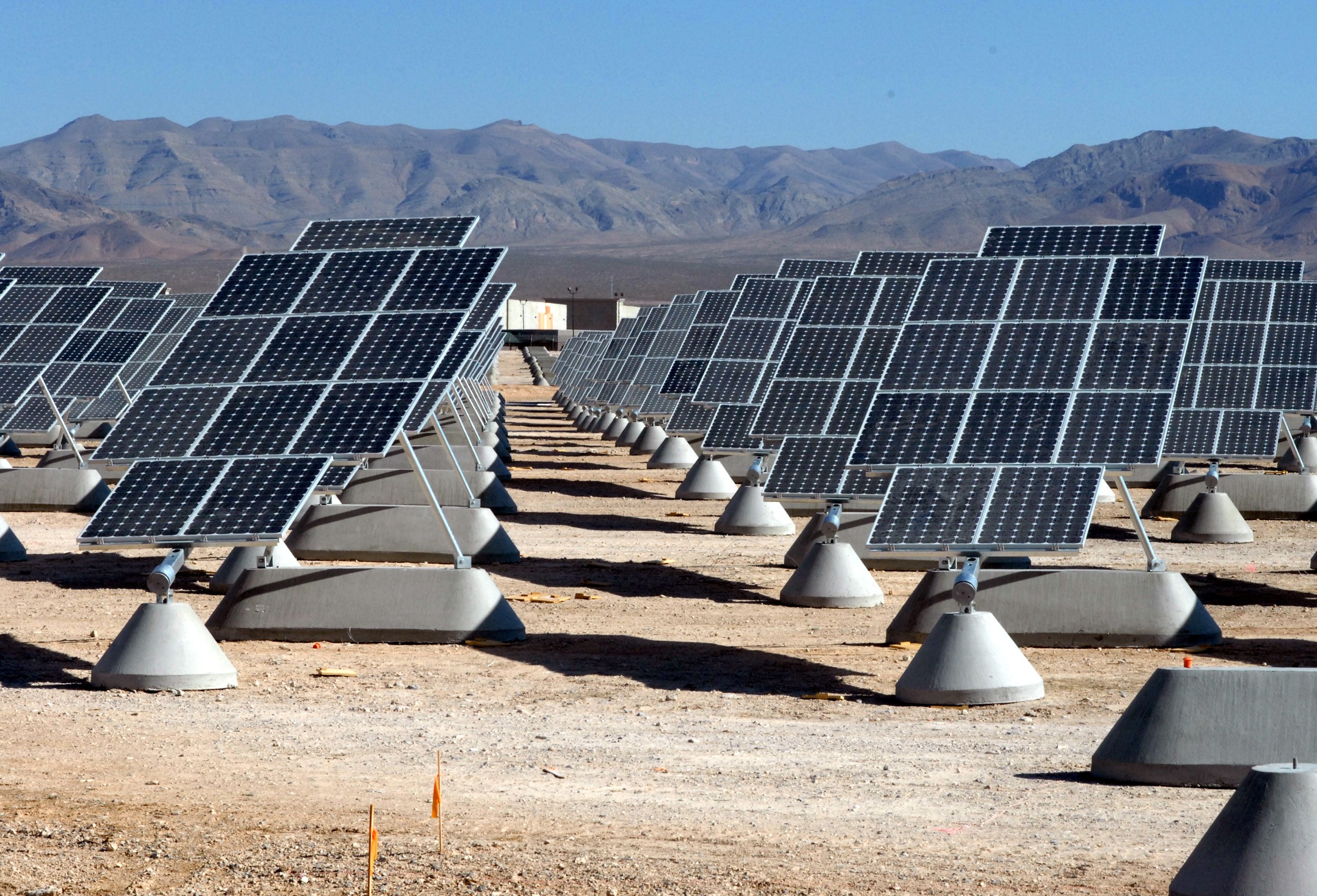
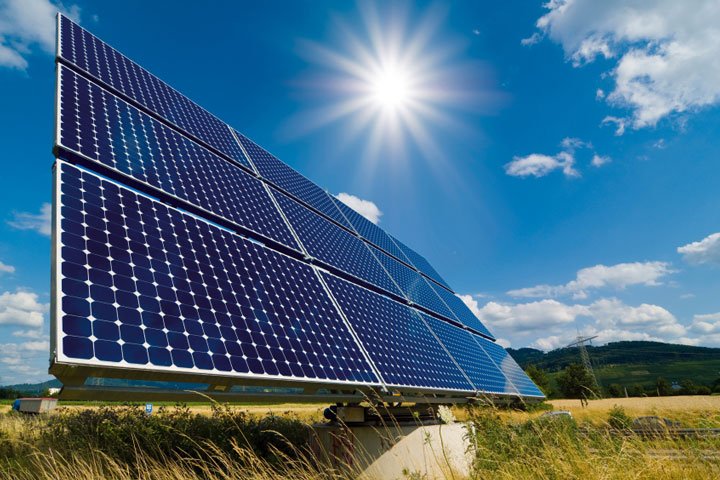
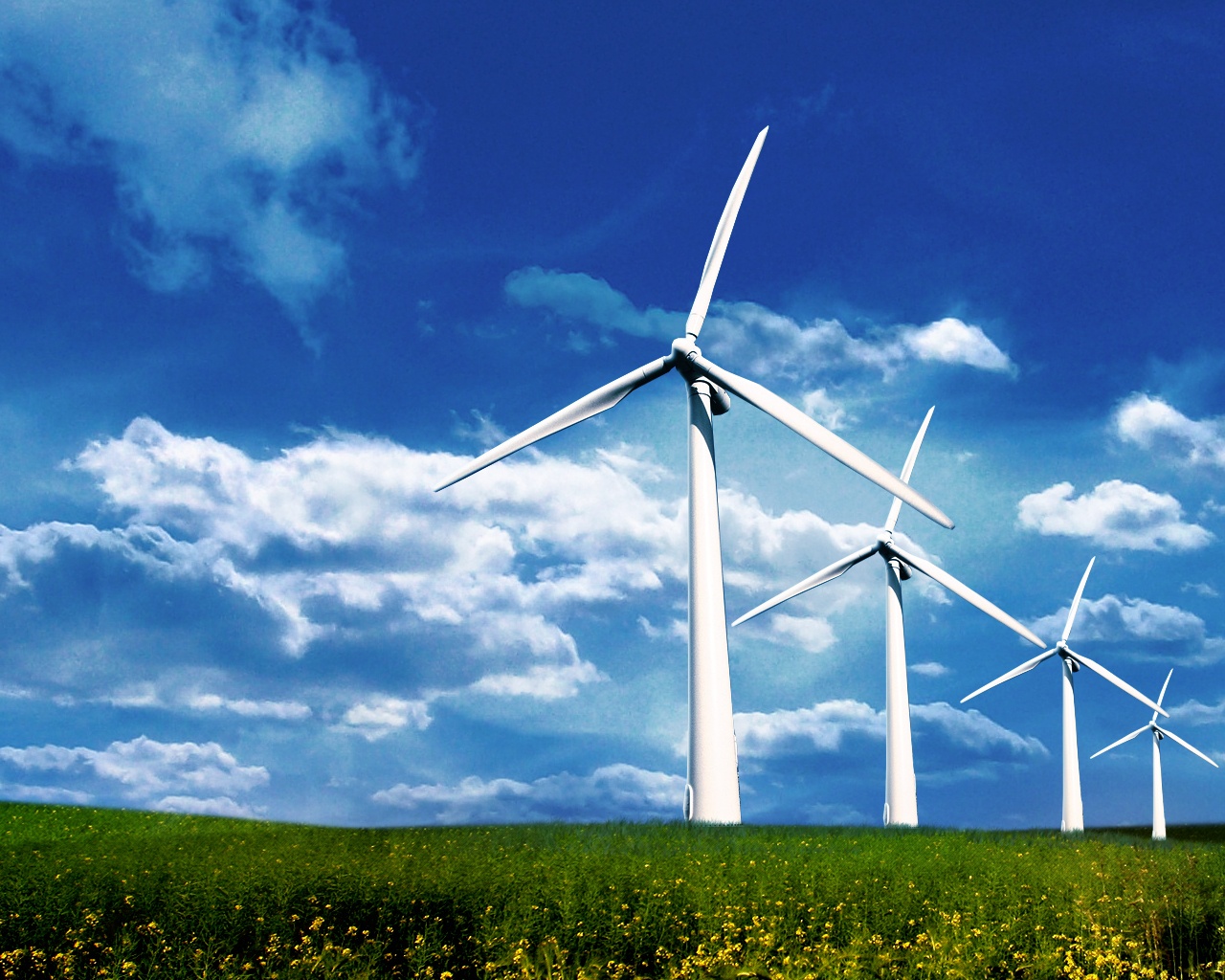
geothermal
solar
wind
What was coal formed from?
dead animal organisms
soil
dead plants
diamonds
Fossil fuels took 300 _______ years to form.
hundred
thousand
million
billion
What do fossil fuels create when they burn?
carbon dioxide
oxygen
helium
nitrogen
As fossil fuels become more scarce, they also become more _______.
expensive
fragile
heavy
explosive
Renewable energy resources produce less_____________ than fossil fuels.
pollution
energy
wind
light
The solid form of fossil fuels is _______.
petroleum
crude oil
natural gas
coal

The fossil fuel represented in this picture is _____.
coal
petroleum
crude oil
natural gas
What was the number of the reactor that melted down?
1
2
3
4
What year did the Chernobyl Disaster occur in?
1991
2019
1986
44 BCE
The Chernobyl plant provided power for the city of
London
Pripyat
Moscow
Washington DC
How many workers were killed by blasts of radioactive fire?
One million
134
One hundred billion dollars
6
What did the meltdown at Chernobyl release into the air?
Radioactive dust
Bees!
The Hounds
The Kracken
Where was the Chernobyl power plant located?
In the United States
In the Soviet Union (Ukraine)
In England
In France

A high energy environment causes __________ to occur?
Erosion
Deposition
Gravity
Sand Dunes

This coastline was created due to...
Erosion
Deposition
Using your phone in class
Both
When backwash is stronger than swash, what occurs?
Erosion
Depositon
Sand Dunes
Urban Development

Erosion happens faster when water interacts with...
Hard Rocks eg. Igneous and Metamorphic Rock
Soft Rocks eg. Sedimentary Rocks
At the same rate on both hard and soft rocks
What is hydraulic action?
The weight and impact of water against the coastline which cause cracks/caves to form.
The way a coastal feature transitions into a new feature
The time it takes for erosion to occur
The way a wave moves up the beach and interacts with the coastline.

These rocks are likely to be a result of ..
solution
hydraulic action
attrition
abrasion
constructive waves have ______ swash and _____ backwash.
strong, strong
strong, weak
weak, strong
weak, weak
Destructive waves have _______ wave frequency and _____ wave height compared to constructive waves
higher, higher
higher, lower
lower, higher
lower, lower


Identify the landform shown in the photo.
Bay bar
Sea cave
Spit
Tombolo

Identify the landform shown in the photo.
Geo
Sea cave
Spit
Tombolo

Identify the landform shown in the photo.
Geo
Beach
Spit
Tombolo
Which of the following geographical term means the wind which predominantly blows at a particular over a period?
Wind speed
Fetch
Monsoon
Prevailing wind
Which of the following is NOT a type of coastal erosional processes?
Solution
Saltation
Hydraulic action
Attrition
How do you call the exposed coasts where the rocks are sticking out into the sea?
Bays
Coasts
Headlands
Stacks
The strength of the wind is dependent on ... (click all suitable options.)
wave direction
fetch
wind speed
wind duration
A ________ is a place where the land meets the ocean and sea.
bay
coast
lagoon

Identify this coastal landform.
stack
arch
stump
bay

Identify this coastal landform.
beach
lagoon
bay
shore

Identify this coastal landform.
arch
stump
stack
cave

Identify this coastal landform.
headland
spit
tombolo
shore

Identify this coastal landform.
sea
lagoon
bay
shore
Which of the following is not a depositional landform?
spit
bay
beach
arch
Which of the following features is NOT formed by wave erosion?
cave
cliff
spit
stack
Why might a bay form?
On a discordant coastline the softer rock will be rapidly eroded away, leaving the harder rock to form headlands
On a concordant coastline weaknesses allow the water to work its way in and eventually erode a large area
A collapsed volcanic crater is flooded leaving a sheltered area
Former river valleys are flooded and form ports that gradually turn into bays

How do groynes work to protect the coastline?
They trap sediment by slowing down longshore drift, thereby building up a wide beach
They absorb wave energy so that the cliffs behind are protected
They act as a hard rock barrier at foot of cliff to provide a buffer again the sea
They allow rapid longshore drift along the coastline
Groynes are an effective technique because they slow down the process of what occurring?
Transportation
Longshore drift
Nearshore drift
Deposition

Which two coastal management structures can you see
Sea wall and gabions
Groyne and rock armour
Gabions and groynes
Sea wall and rock armour

A recurved sea wall is effective because it...
Is not particularly expensive
Stops erosion of the coastline
Deflects wave energy back out to sea
Why are hard engineering approaches less commonly used now? (Choose 2)
They are cheaper and don't last for long
They are expensive and involve high maintenance costs
They can cause accelerated erosion rates further down the coastline and look unnatural
Most coastal areas do not have valuable land and property to protect
Which of these is NOT a soft engineering strategy?
Beach nourishment
Beach reprofiling
Sand dune regeneration
Gabions
Beach nourishment is .... (choose 2)
when and or shingle is moved from the front to back of the beach by bulldozers
When marram grass is planted to stabilise the beach
A more sustainable form of protecting the coastline
when and sand or shingle is dredged offshore and dumped onto beaches

Bahrain
Qatar
Oman
Cyprus

Saudi Arabia
Iraq
Iran
Turkey

Saudi Arabia
Iraq
Egypt
Turkey

Saudi Arabia
Iraq
Iran
Turkey

Saudi Arabia
Iraq
Iran
Turkey

State of Palestine
Lebanon
Israel
Jordan

Kuwait
United Arab Emirates
Syria
Yemen

Kuwait
United Arab Emirates
Syria
Yemen

Kuwait
United Arab Emirates
Syria
Yemen

Egypt
Iraq
Turkey
Saudi Arabia

What is the weather in the desert?
cold, rainy
dry, hot

What is this plant?
Tree
Flower
Cactus

What animal is this?
Horse
Camel
Llama
True or False? Desert temperatures can be extreme.
True
False
In the daytime, temperatures can reach _____ degrees C. At night, the air cools to around _______ degrees C.
25, 1
100, -10
40, 10
38,-3
__________ organisms can live in such an extreme environment.
Few
Many
No
Which of the following would classify as a desert?
warm temperatures with few animals
warm temperatures with many animals
less than 25 centimetres of rain per year
more than 25 centimetres of rain per year
True or False? All deserts are very hot.
True
False
Why do desert plants have spines or thorns?
To stop animals eating them
To help them grow
To get more water
To stop people picking them
Why do some desert plants have leaves that point down?
Because they are dying
Because they don't get enough water
Because they send water down to the roots
Because they stop animals from eating them
Why do some desert plants have waxy and rubbery leaves?
To increase water loss
To reduce water loss
To stop animals eating them
To collect rainfall
What does adaptation mean?
Changes between plants
Changes to help plants and animals to survive
Changes between animals
Animals and plants growing
Why do some desert animals use camouflage?
To help them stay hidden
To help them be seen easily
To help them to stay cool
To help them get water


What is the definition of sustainable?
Actions that meet the needs of today, regardless of future generations
Actions that meet the needs of today, without reducing the ability of future generations to meet their needs.
Actions that meet the needs of future generations but do not meet today's needs
Actions that do not meet the needs of people
Which of these are types of sustainability? (3)
Social
Political
Economic
Environmental
Transport
Which of these is a social sustainability example?
Rivers are kept clear and clean of waste and pollution
There are enough schools and doctors
There are lots of well-paid jobs in energy development
Which of these is an economic sustainability example?
Rivers are kept clear and clean of waste and pollution
There are enough schools and doctors
There are lots of well-paid jobs in energy development
Which of these is an environmental sustainability example?
Rivers are kept clear and clean of waste and pollution
There are enough schools and doctors
There are lots of well-paid jobs in energy development
Examples of renewable energy sources include:
Bioethanol, natural gas, petroleum
Geothermal, wind, solar
Hydroelectricity, coal, nuclear

