
 Worksheets
PEDELEC1 - MIDTERM EXAMINATION
Total questions: 50
Worksheet time: 29mins
1. This refers to the brightness and dullness of color.
a. Saturation
b. Value
c. Texture
d. Color scheme
2. This statement refers to the way the surface or objects looks as it may feel.
a. Line
b. Shape and mass
c. Color
d. Texture
3. This type of texture refers to the real qualities of the physical surface of an artwork.
a. Implied texture
b. Space
c. Actual texture
d. Value
5. This color scheme involves the use of four colors.
a. Triadic
b. Tetradic
c. Color scheme
d. Color wheel
8. This element of art refers to an area with boundaries identified or drawn using lines.
a. Value
b. Color
c. Shape
d. Texture
9. This color scheme involves using colors that are located beside each other in the color wheel.
a. Monochromatic
b. Analogous
c. Complementary
d. Split-complementary
10. This refers to a prolongation of a point.
a. Color
b. Line
c. Space
d. Value
11. This refers to the basic or pure color and is represented in the color wheel.
a. Hue
b. Line
c. Space
d. Value
12. This color scheme involves using colors that are located beside each other in the color wheel.
a. Monochromatic
b. Analogous
c. Complementary
d. Value
13. This element of art refers to an area with boundaries identified or drawn using lines.
a. Value
b. Color
c. Shape
d. Texture
14. This type of texture refers to the real qualities of the physical surface of an artwork.
a. Implied Texture
b. Space
c. Actual Texture
d. Value
15. This color scheme involves the use of four colors.
a. Triadic
b. Tetradic
c. Color Scheme
d. Color Wheel
These are objects that are three-dimensional having length, width, and height. It can be viewed from many sided.
a. Space
b. Form
c. Value
d. Line

Its an element of art that move the viewer's eye around and within the image.
a. Pattern
b. Movement
c. Shape
d. Line
It is the distribution of the visual weight of the elements of art
a. Balance
b. Proportion
c. Repetition
d. Harmony
It refers to the use of visual elements to draw attention to a certain area
in an artwork.
a. Harmony
b. Emphasis
c. Balance
d. Proportion
17. The first style is realism in which the subject is done the way it looks.
a. Realism
b. Distortion
c. Abstraction
d. non-objectivism
18. The artist uses his or her imagination and alters the subject according to his or her desire.
a. Realism
b. Distortion
c. Abstraction
d. non-objectivism
19. The artist breaks a part a subject and rearranges it in a different manner.
a. Realism
b. Distortion
c. Abstraction
d. non-objectivism
20. In here, there is no subject at all-just an interplay of pure elements, like line, shape or color, and so on.
a. Realism
b. Distortion
c. Abstraction
d. Non-objectivism
21. It shows the relationship between colors.
a. Color Wheel
b. Color Scheme
c. Color Mix
d. Color Spray
22. Light values that are made by mixing white to any colors.
a. Shade
b. Types
c. Tint
d. Kind
23. Maroon is a __________ of red, and navy is a _________ of blue.
a. Shade
b. Types
c. Tint
d. Kind
24. It is the distribution of the visual weight of the elements of art
a. Balance
b. Proportion
c. Repetition
d. Harmony
25. It happens when element of an artwork come together in a unified way.
a. Balance
b. Proportion
c. Repetition
d. Harmony
26. LOOM WEAVING
LUZON
VISAYAS
MINDANAO
27. INABEL
LUZON
VISAYAS
MINDANAO
28. BINATBATAN
LUZON
VISAYAS
MINDANAO
29. CAMISA CHINO
LUZON
VISAYAS
MINDANAO
30. BOLINAO MATS
LUZON
VISAYAS
MINDANAO
31. TINALIK
LUZON
VISAYAS
MINDANAO
32. RAFFIAD AND BURI
LUZON
VISAYAS
MINDANAO
33. THE LAST FRONTIER
LUZON
VISAYAS
MINDANAO
34. MANUNGGUL JAR
LUZON
VISAYAS
MINDANAO
35. IKAT
LUZON
VISAYAS
MINDANAO
36. T’NALAK
LUZON
VISAYAS
MINDANAO
37. SARIMANOK
LUZON
VISAYAS
MINDANAO
38. MALONG
LUZON
VISAYAS
MINDANAO
39. JAPAN: (a) :: KOREA: CONFUCIANISM
40. JEOGORI: UPPER ROBE :: CHIMA: (a)
41. JAPAN: (a) :: CHINA: HAN CLOTHING
42. THAILAND: THAI SILK :: (a) : BATIK
43. SINGAPORE: (a) :: CHINA: CHINESE DRAGON
44. MALAYSIA ART: WAU KITE :: CAMBODIA ART: _____ _______
(a)
45. PEKING OPERA : CHINA :: (a) : JAPAN
46. PEKING OPERA: CHINA :: KABUKI : JAPAN :: ______ _____: INDONESIA
(a)

NAME THE FLAG'S COUNTRY
(a)

NAME THE FLAG'S COUNTRY
(a)

NAME THE FLAG'S COUNTRY
(a)
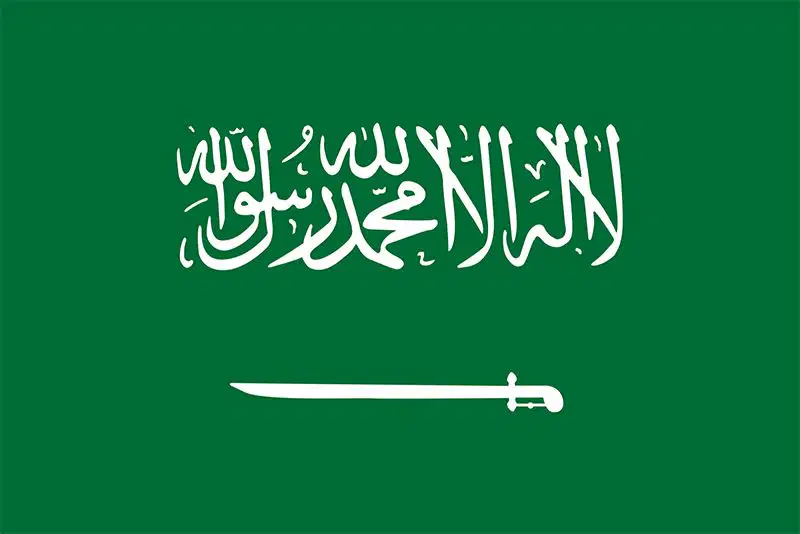
NAME THE FLAG'S COUNTRY
(a)

