
NEW
Font size
 Worksheets
Final Exam Review 1of2, Earth Science 22-23
Total questions: 50
Worksheet time: 26mins
How do scientists know the Earth has layers?
Drilling into the mantle
They saw them
Seismic waves data
ocean waves
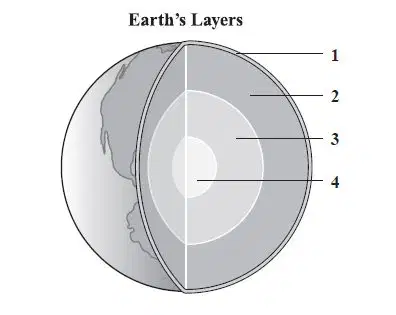
Name the thinnest layer of Earth.
crust
core
mantle
lithosphere

This layer of Earth has Convection Currents, which help move the tectonic plates.
Crust
Mantle
Inner Core
Outer Core
What are the two types of Earth's crust?
It all the same
Continental and
Oceanic
Liquid and
Solid
Inner and
Outer

Most geologists think that the movement of Earth’s plates is caused by _______
convection
currents
continental drift.
subduction.
plate tectonics

Convergent
Divergent
Subductive Zone
Transform

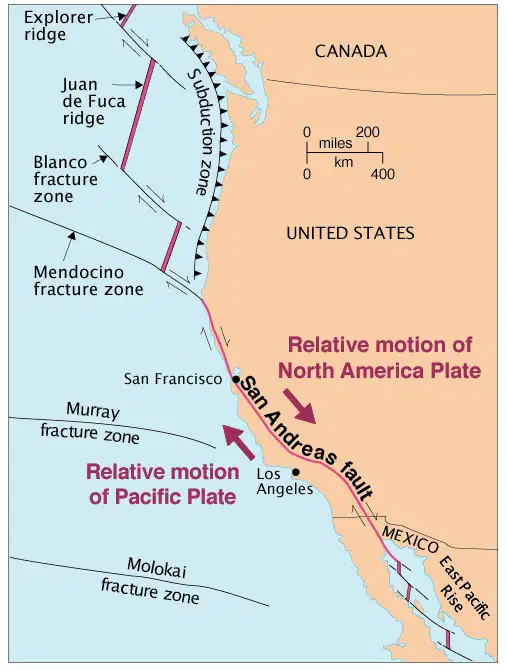
The San Andrea's Fault in California has a lot of earthquake activity, because it is which type of boundary?
Convergent
Divergent
Subductive Zone
Transform

At a convergent plate boundary between continental and oceanic crust, why does the oceanic crust subducts, and NOT the continental crust?
Oceanic crust is thinner and more dense
Oceanic crust is thicker and less dense
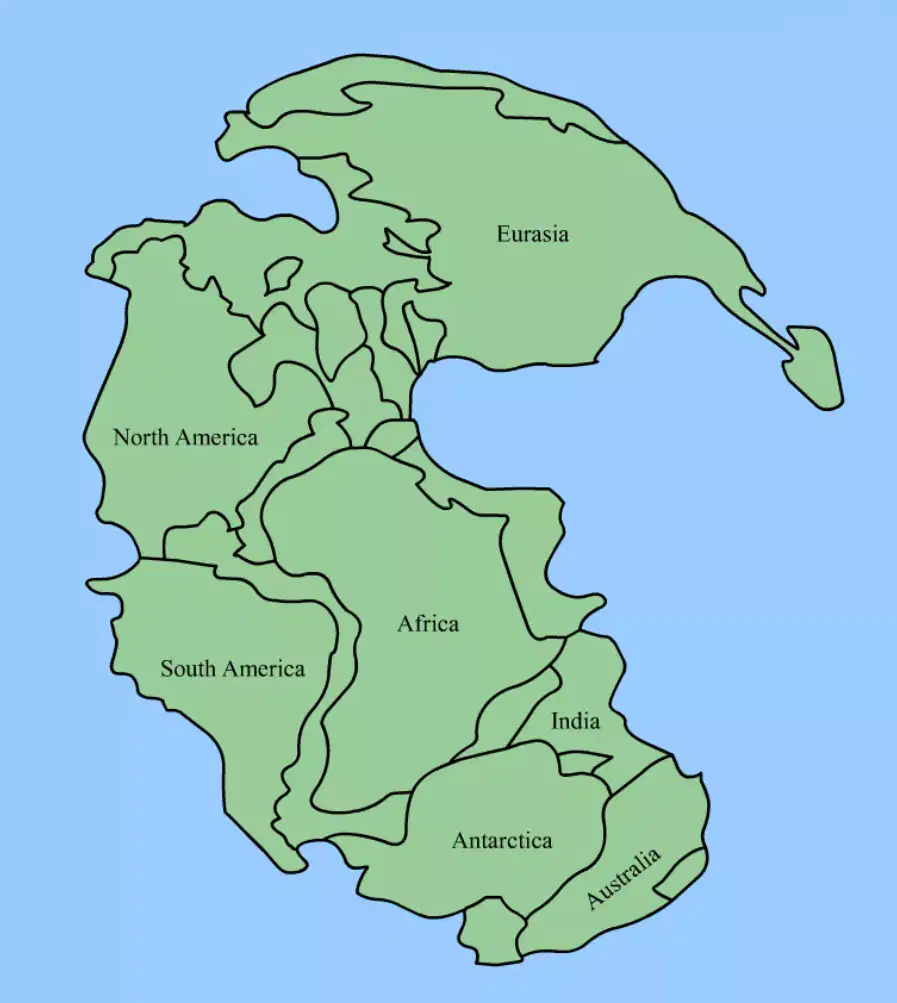
Pangaea.
Wegener.
Panthalassa.
Euraisa.

True or False? Very few volcanoes occur under the ocean, most volcanoes occur on land.
True
False
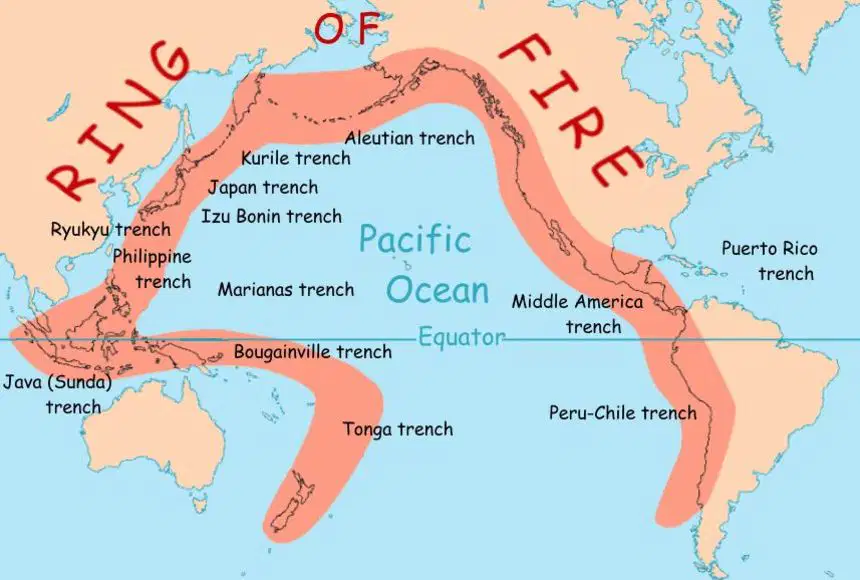
The Pacific coastline is known as the "Ring of Fire" and has a lot of earthquakes and volcanic eruptions. What type of Continental Margin does it have?
Active Margin
Passive Margin
Transform Margin
True or False - The Sun is the only star in our solar system.
True
False
True or false - The Sun is the largest star.
True
False
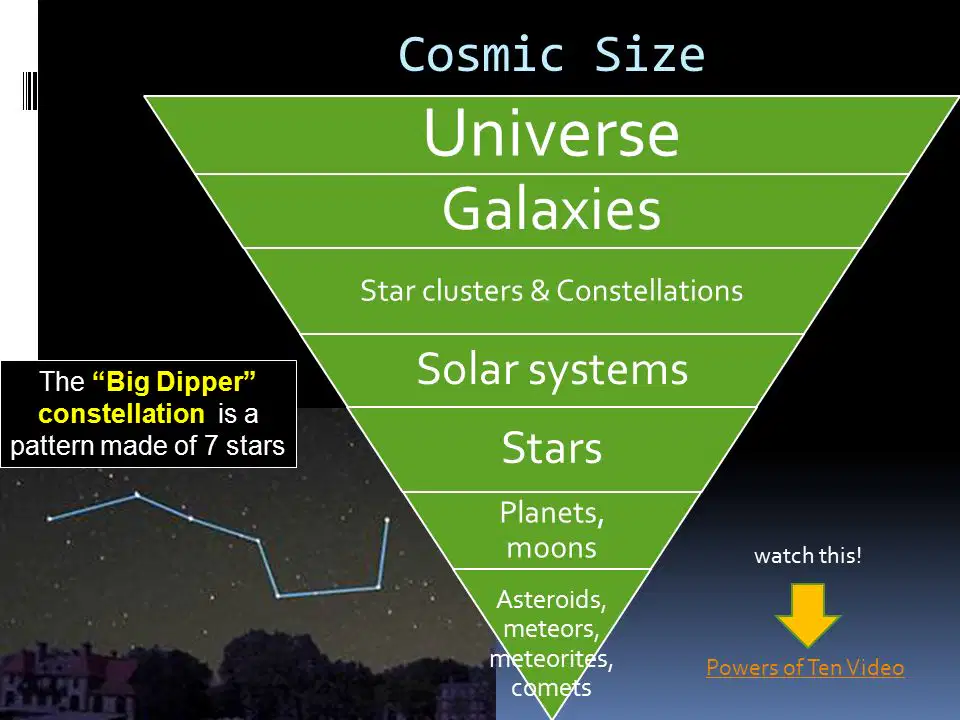
Which is the correct order from smallest to largest?
star, planet, galaxy, solar system, universe
planet, star, solar system, galaxy, universe
solar system, planet, star, galaxy, universe
universe, galaxy, solar system, star, planet

What is the event called that scientist believe the universe was created during?
Big Bang
Red-Shift
Light Year
Sheldon Theory
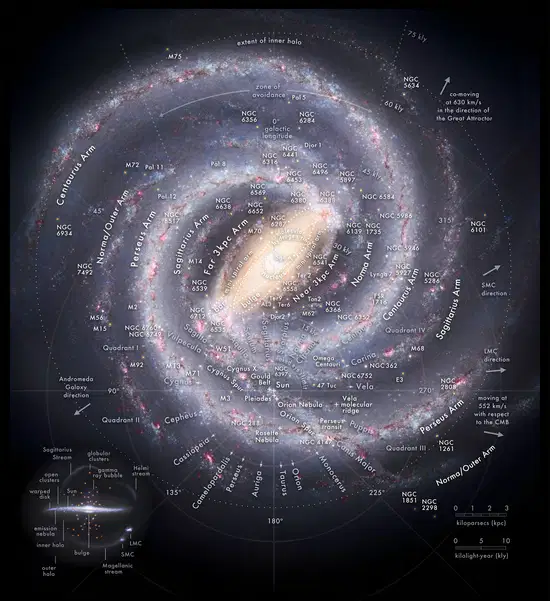
Our galaxy is called the Milky Way galaxy
Our galaxy is called the Andromeda galaxy
Our galaxy is called the Grand spiral galaxy.
Our galaxy is called the Whirlpool galaxy.
Why do distant galaxies look less evolved?
They have not developed yet
Our satellites are not good enough
It takes time for the light to reach us
Where did the elements come from?
Earth
Stars
Moon
Mars
A force which tries to pull two objects towards each other is
gravity
inertia
mass
speed
What is a mysterious force that keeps pushing our galaxy apart?
The Sun
The Moon
Gravity
Dark Matter
What is the fastest thing in the Universe?
Light
Sound
Gravity
Dark Matter
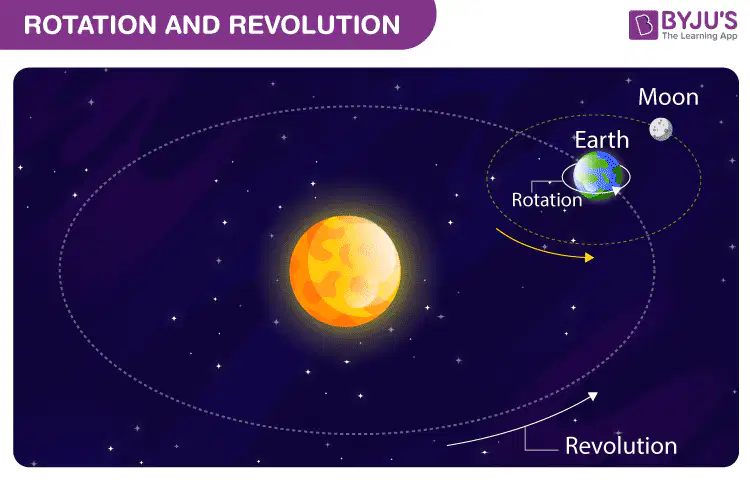
How long does it take for Earth to rotate once on its axis?
1 day
1 week
1 month
1 year
How long does it take for Earth to complete 1 Revolution?
1 day
1 week
1 month
1 year
According to the Redshift theory, which way are object moving if they appear Blue in the sky?
Towards Us
Away from Us
Not Moving
Sideways
What do scientists and astronomers measure with Light Years?
Time in Space
Distance in Space
Luminosity of Space
Temperature of Space

What type of star has a LOW temperature and a HIGH luminosity?
Blue Guiants
Red Supergiants
White Dwarfs
Main Sequence

What factor affects the luminosity of a star?
Human eye-sight
Telescope quality
Size of the Star
Surface Temperature of the Star
What factor affects the color of a star?
Human eye-sight
Telescope quality
Size of the Star
Surface Temperature of the Star

What is the color of the Highest surface temperature?
Blue
White
Yellow
Red
What does the Heliocentric system look like?


What type of star is our sun?
Average Mass Star
Low Mass Star
High Mass Star
It is not a star
Why does the moon's gravitational pull have more of an effect on tides than the sun's gravitational pull?
What evidence tells you if the Moon is waxing or waning?
The moon's location in the night sky
The day of the week
The side of the moon that is lit
The size of the lit face of the moon

A lunar eclipse can occur only during the _________________.
Full moon
New moon
Waxing moon

A solar eclipse can occur only during the _________________.
Full moon
New moon
Quarter moon

For a solar eclipse to occur, what has to happen?
The sun must be directly between Earth and the moon.
The moon must be directly between Earth and the Sun.
Earth must be directly between the Sun and the moon.


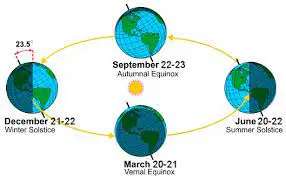
The reason that Earth has 4 seasons has NOTHING to do with...
Earth's distance from Sun
Earth's axis is tilted
Earth's revolution
Earth's circular shape


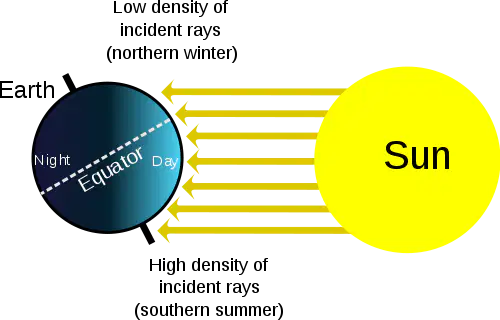
In this diagram, which part of Earth experiences 24 hours of NIGHT TIME?
Northern Hemisphere
Southern Hemisphere
North Pole
South Pole
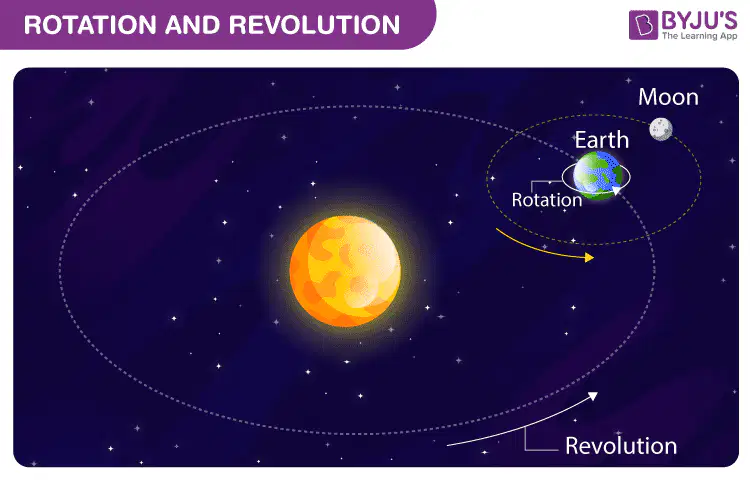
revolution
orbit
rotation
Tilt
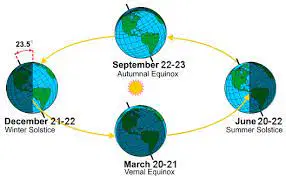
During a summer solstice the America, the southern hemisphere experiences
a vernal equinox
the autmunal equinox
a summer solstice
a winter solstice
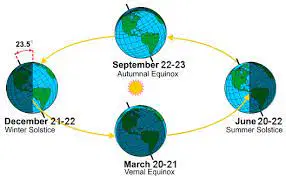
The days of the year that are of equal length for both day and night are called _____.
Equinoxes
Solstices
The longest and shortest days of the year are called ___.
Equinoxes
Solstices
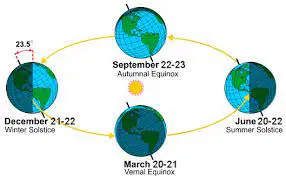
At which location on Earth is it the same season all year long?
North Pole
South Pole
Equator
Everywhere
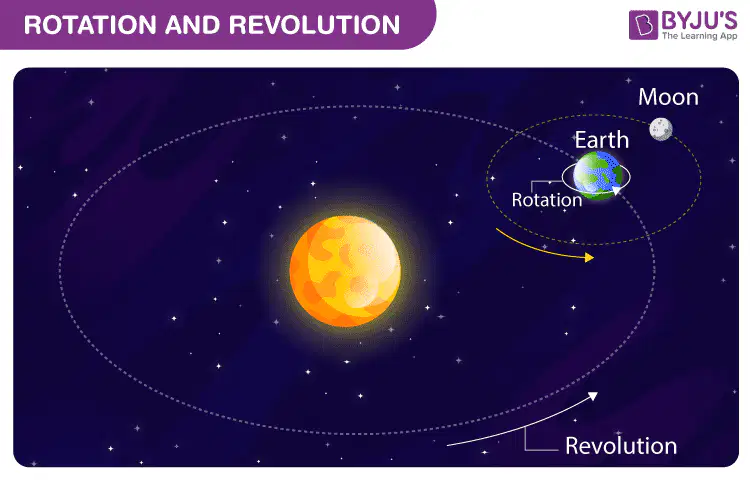
How long does it take for the MOON to revolve around the EARTH?
1 day
1 week
1 month
1 year
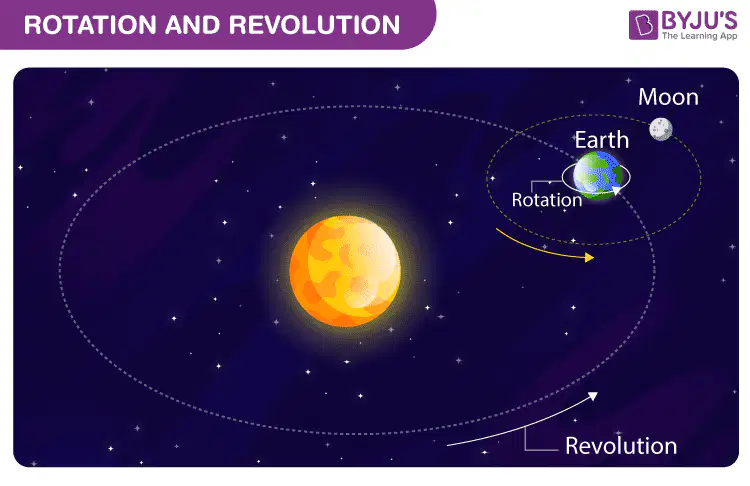
How many revolutions does the MOON make around the EARTH in 1 year?
1
12
30
365

