
 Worksheets
Science EOC Exam Review
Total questions: 102
Worksheet time: 51mins
Anything that has mass and takes up space is:
Benito
Matter
Mass
Physical Properties

What the definition of mass?
The amount of matter in an object
How much an object weighs
Doja Cat singing about mass
Using a balance
Which tool measures the mass of an object?
thermometer
double pan balance
magnet
graduated cylinder

The properties of several items are listed below. Which object has the least amount of mass?
Marble
Washer
Penny
Thumbtack
What types of metal are attracted to a magnet?
Paramore, Billie Eilish, Encanto
Cobalt, iron, steel
aluminum, steel, iron
sponge, rock, rubber
Which of these tools measures volume?
thermometer
balance
graduated cylinder
magnet
The amount of space something takes up is:
mass
temperature
magnetism
volume
How an object feels
Texture
Color
Shape
Volume


Mixture
Solution

Mixture
Solution

Mixture
Solution
Nicole wants to dissolve a substance in water. Which substance will dissolve the easiest?
Rocks
sugar
pepper
sand
Which is an example of mechanical energy?
hearing your mom's voice on your cell phone
watching a ball roll down a hill
listening to a car horn get louder as it gets closer
seeing a firecracker make sparks in the sky
The sun provides ____________ and ____________ energy that can be harnessed and used for solar power.
chemical, sound
mechanical, light
sound, light
light, thermal
What types of energy are most represented in a lit lightbulb that is plugged into an outlet?
chemical, light, thermal
mechanical, sound, light
light, thermal, electrical
electrical, chemical, sound
What happens if you hold an ice cube in your hand?
cold from the ice cube transfers to your hand
heat from your hand transfers to the ice cube
cold from your hand transfers to the ice cube
heat from the ice cube is transferred to your hand
Another word for "thermal energy" is ________________
Solar energy
Light energy
Heat energy
Electrical energy

What form of energy is this?
Electrical
Mechanical
Chemical
Thermal
which of the following is not an example of mechanical energy?


We get __________________ energy from the radio.
light
sound
chemical
mechanical
What is electricity?
flow of electricity through a circuit
energy transferred from the flow of electrons
a pathway that prevents the electric current from flowing freely
a pathway that allows the current to flow freely
What is an electrical current?
flow of electricity through a circuit
energy transferred from the flow of electrons
a pathway that prevents the electric current from flowing freely
a pathway that allows the current to flow freely
What is an open circuit?
flow of electricity through a circuit
energy transferred from the flow of electrons
a pathway that prevents the electric current from flowing freely
a pathway that allows the current to flow freely
What is a closed circuit?
flow of electricity through a circuit
energy transferred from the flow of electrons
a pathway that prevents the electric current from flowing freely
a pathway that allows the current to flow freely
When electricity travels through a circuit, the flow of electricity is called a current. What do circuits need to create an electrical current?
a source of electricity
a light bulb
two insulated metal wires
an iron nail

Look at the two circuits below. Why is the first light bulb is lit up?
It is an open circuit
It is a closed circuit

The circuit shown below is a closed circuit. What is the power source for the circuit?
Battery
Light bulb
Switch
Wires
___________________ are materials that ALLOW heat and electricity to move easily through them.
Conductors
Insulators
______________ are materials that RESIST the flow of heat or thermal energy.
Conductors
Insulators
Which object is a conductor of heat?
An aluminum nail
A rubber band
A tree
A balloon
Conductors allow heat to pass through easily. Insulators prevent the flow of heat. Which of the following items is a poor conductor and a good insulator?
Silver
Wood
Stone
Copper

These are examples of
Insulators
Conductors
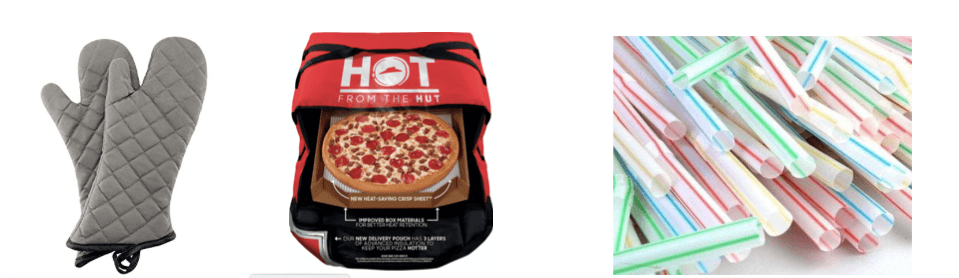
These are examples of
Conductors
Insulators

The picture shows a(n) ________________ circuit.


The picture shows a(n) ________________ circuit.

The picture shows a(n) ________________ circuit.

The picture shows a(n) ________________ circuit.

The picture shows a(n) ________________ circuit.
How does the freezing and thawing of water cause weathering of rocks?
The thawing of water keeps the rocks wet
The freezing water expands and causes cracks to widen
Freezing and thawing keeps the rocks in place
Freezing of water makes the rocks roll down slopes
Sediments can be carried (moved) away by wind, water, and ice or gravity. What is this process called?
Weathering
erosion
deposition
waves
What do ice, water, and wind have in common?
all contain acid
we can eat them
all are a form of water
all slowly change Earth's surface
small pieces of rock
gravel
sediment
dirt
the breakdown or rock into smaller particles from the effects of wind, water, and ice.
erosion
weathering
deposition
Weathering is the process of -
Moving sediment from one place to another
Dropping or leaving sediment in a location
Breaking down rocks into sediment
Choose the best picture to demonstrate wind weathering.


A canyon is formed by
water
ice
wind
gravity
Weathering, erosion, and deposition are slow changes that happen over
a few minutes
a few weeks
many, many years
a few months
What gas does a tree release?
carbon dioxide
air
oxygen
hydrogen
What does a plant take in from the air?
oxygen
carbon dioxide
hydrogen
air
To make food the plant uses a process called
food maker
magic
photography
photosynthesis
Plants transform energy to make their own food. Where does the energy they need come from?
water
soil
sun
air
Which is a process that occurs during photosynthesis?
Plants take in oxygen and release sugar
Plants take in sugar and release minerals
Plants take in minerals and release carbon dioxide
Plants take in carbon dioxide and release oxygen


Animals are called
consumers
producers
descomposers
Animals that eat other animals are called...
Carnivores
Herbivores
omnivores
What is a food chain?
The flow of energy from one thing to another
The way animals eat each other
The way the sun makes everything
How the plants grow

*Remember Humans are on the top of all food chains because we do not get hunted.

The hardened remains of an animal or plant that died long ago.
fossil
extinct
types

Which layer is the oldest layer?
rock layer W
rock layer X
rock layer Y
rock layer Z
Where is the oldest layer of rock or soil?
the top layer
the middle layer
they are all the same age
the bottom layer
Which animal part is the BEST part to become a fossil?
muscle
fur
skin
bone

What is this fossil?
plant
animal
footprint
bone
Which type of rock are most fossils found?
sedimentary rock
metamorphic rock
igneous rock
fossils
What needs to happen FIRST for a fossil to form?
A plant or animal must be covered by sediment.
A plant or animal must die and decompose.
Sediments fill a a mold to form a cast.
An earthquake shifts the land up.

This type of fossil is tree sap hardened and replaced by minerals.
Petrified wood
Imprint
Amber
Mold
An arrangement of parts.
Structure
Function
Characteristic
What something does
Structure
Function
Trait
Characteristic
Environment -
An arrangement of parts.
Features that help us identify something.
The space, the conditions, and all the living and nonliving things around an organism.
Which of these birds has a beak adapted to scooping fish from the water?


How does a grasshopper’s green color help it to survive on the prairie? The green color helps the grasshopper -
locate its sources of food.
avoid being seen in its habitat
gain energy when in sunlight.
manufacture its own food.
What is an inherited trait?
A trait handed down to you by your family.
A trait you developed because of the environment.
A trait handed to you from your friends.
A trait you developed as an adult.
What do we call a behavior that is learned from observations?
inherited behaviors
learned behaviors
imprinting
acquired traits
What is NOT an example of an inherited trait?
Eye color
Hair color
Favorite color
Tongue rolling
Curly hair is a _______.
Inherited trait.
Behavioral trait.
Learned trait.
Instinct.

How often does the full moon occur?
About once every 7 days
About once every 30 days
About once every 120 days
About 365 days

In the Water Cycle, What happens during condensation?
flowing rivers
salt in the ocean
movement of water
formation of the clouds

Why do shadows change in appearance during the day?
The change in how air moves
The place we stand when we look at the shadows
The apparent movement of the sun through the sky
When the sun heats up the earth

What season is it in the Northern Hemishpere when the tilt of the earth's axis is pointing towards the sun?
autumn
winter
spring
summer
What season is it in the Northern Hemishpere when the tilt of the earth's axis is pointing away from the sun?
winter
summer
spring
autumn
In the water cycle, rain, snow, or sleet falling to the ground is a form of ____?
collection
evaporation
precipitation
condensation
In the condensation stage of the water cycle, tiny drops of water combine together to form ______.
clouds
precipitation
evaporation
rain
The _______ is the movement of water into the air as water vapor and back to Earth's surface as precipitation.
water vapor
heat
water cycle

There are three stages of the water cycle in the picture. What's happening in letter A?
condensation
collection
precipitation
evaporation
Answer honestly
How do you feel about the EOC Final Exam?
I'M READY, I'M READY!
(Spongebob Voice)
I'm a little nervous, but I'm ready!
I'm not ready, can you please review with me some more.

