
 Worksheets
EOC Part 2
Total questions: 75
Worksheet time: 1hrs 18mins
What is mechanical energy?
the energy of movement.
a form of energy our eyes can detect.
energy produced by vibrations
energy related to the temperature of an object or a substance
An example of mechanical energy in everyday life is (a) .
Mechanical energy is the energy of (a)
What is NOT a source of heat?
rubbing something together quickly
the sun
electricity
sweating

The following instruments can produce what type of energy?
Mechanical
Light
Sound
Heat
Sound is caused by?
friction
vibrations
instruments
A rapid change is a change that happens...
slowly.
hot.
cold.
quickly.
Which of the following is a slow change to Earth's surface?
Volcanic Eruptions
Weathering
Landslides
Earthquake


Volcanoes, landslides, and earthquakes are examples of __________ changes to Earth's surface.
rapid
slow
gradual
slight

Which one of these is the shaking of the Earth's surface?
Volcano
Earthquake
Landslide
Tsunami
What am I?
I am rapid movement of soil down a slope.
I am caused by heavy rainfall, earthquakes, and volcanoes.
Landslides
Volcanic Eruptions
Earthquakes
Which disaster changes the surface of the Earth by forming new land?
Landslides
Volcanoes
Earthquakes
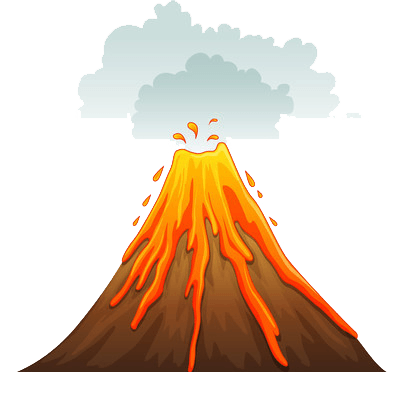
Volcanoes create new land on the Earth’s surface when –
lava flows then cools and hardens to form rock.
an eruption destroys the side of a mountain.
magma forms giant underground chambers.
saltwater touches lava and changes into steam.
What is weathering?
When rocks are broken into sediment, sand, pebbles or silt.
Rain
Snow
A volcano erupting.
What is a difference between slow and rapid changes?
What is a tsunami?
when land falls from a hill or cliff
a large ocean wave
magma coming from underground
a form or precipitation
What are most tsunamis caused by?
Hurricanes
Tornadoes
Earthquakes
Landslides
A large earthquake can cause a tsunami.
TRUE
FALSE
Tsunamis cause changes to the surface of the earth. Are they slow or fast changes?
Slow
Fast

What is soil made of? SELECT ALL THAT APPLY.
Decomposed Animals
Decomposed Plants
Weathered Rocks
None of the above
Which of the following can break down rock over time?
Wind, Rocks, Ice
Wind, Water, Ice
Migration of animals
Volcanic eruptions
Weathering, Erosion, and Deposition are slow changes that take many many years to occur.
True
False
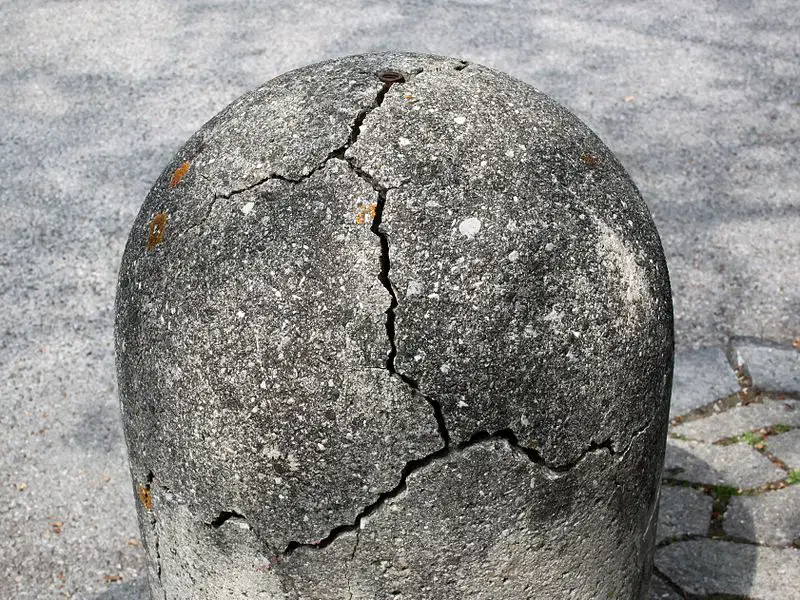
What is Weathering?
Wind carrying sediment away.
The break down of rock into smaller pieces over long periods of time.
The formation of large rocks.
Water flowing down the stream.

Which of the following processes will most likely contribute to the development of soil?
Volcanic eruptions that make new land
Building up of snow in very cold areas
Migration of animals to warmer climates
Breaking down of rock by wind, water, and ice
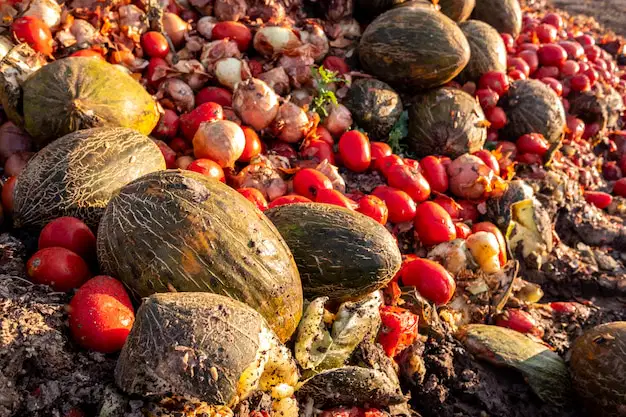
Soil is an important part of an ecosystem. Plants use the nutrients in soil to grow, and animals eat the plants that use the soil. Sometimes soil becomes stripped of its nutrients because plants use all the nutrients to grow. What is ONE way nutrients are replaced in soil? Write in complete sentences.
Can you guess which of the Inner Planets is the closest to the sun?
Mercury
Venus
Earth
Mars
Can you guess which of the Inner Planets is the 2nd closest to the sun?
Mercury
Venus
Earth
Mars
What about the 3rd planet from the sun?
Earth
Mercury
Venus
Mars
Lastly: Can you guess the 4th planet from the sun?
Mercury
Mars
Earth
Venus
Which planet is closest to the sun?
Venus
Earth
Mercury
Mars
What is the 3rd planet from the sun?
Mercury
Mars
Venus
Earth
What is the 2nd planet from the sun?
Venus
Mars
Earth
Mercury
Which of the Inner Planets is the hottest?
Mercury
Venus
Earth
Mars
Which of the Inner Planets do we live on?
Mercury
Mars
Earth
Venus
Sequence the planets based on how close they are to the sun.
Mercury
Venus
Earth
Mars
What are the characteristics of the inner planets?
smooth and flat surface
rocky and solid surface
It takes Earth (a) days to orbit the sun.

The four planets that are closest to the Sun are called inner planets. This one is NOT an inner planet: (a)
The four planets that are the farthest from the Sun are called outer planets. Which of the following are three of the outer planets?
Jupiter
Neptune
Mercury
Saturn

This planet is the largest in the Solar System. It is the 5th planet from the Sun. It is made mostly of gases. This planet is (a) .
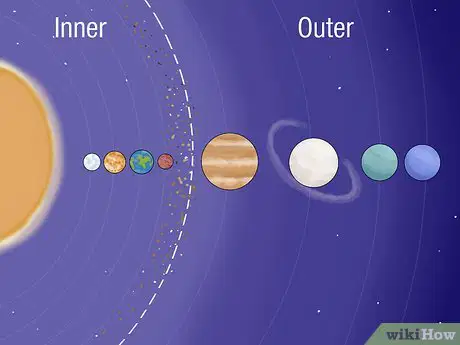
Order the outer planets...
Jupiter
Saturn
Uranus
Neptune
Order the inner planets...
Mercury
Venus
Earth
Mars
Which is an example of a producer?


The shrew provides energy for the _______?
cricket
grasshopper
frog
snake

An organism, like fungi, that breaks down dead plant or animal matter and releases their nutrients back into the soil is called:
Producers
Consumers
Decomposers
Organisms

Which of these organisms would receive energy from the snake?
Plant
Rabbit
Mouse
Hawk

Which type of consumer eats plants only?
Herbivores
Omnivores
Carnivores
Scavengers

Which type of consumer eats meat only?
Producers
Herbivores
Carnivores
Omnivores

Which type of consumer eats meat and plants?
Herbivores
Carnivores
Omnivores
Plants

Which of the following is most likely NOT to happen if the population of the small fish is over fished and wiped out?
The large fish population will increase.
The plant population may increase.
The large fish population will leave the area and go else where to find food.
The large fish population may decrease.
The presence of thick layers of fat and fur is an adaptation in ....
starred agama lizard
polar bear
fennec fox
forest bear
One type of fox has thick brown fur during part of the year. During another part of the year, the fox has white fur. The change in fur color helps the fox hide in a habitat that has _
many shallow ponds
lots of snow in the winter
forests with tall trees
plenty of tall grass
The coloring and markings of an animal that help it to blend in with its surroundings is _______________________.
camouflage
mimicry
prey
behavior
What is a way an eagle has adapted to help it get food?
Small beak for seeds
Webbed feet to swim
Sharp talons to grab prey
Oil on its feathers to help it shed water.
Which of the following adaptations would be common to animals living in cold climates?
Thick fur
Large Wings
Bright Coloration
Storing water in their body
A chameleon turns green to blend in with the green leaves of a tree it is walking on. This is an example of ________________.
Hibernation
Migration
Prey
Camouflage

