
 Worksheets
Are You Ready 5th Grade
Total questions: 75
Worksheet time: 58mins
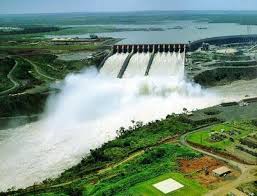
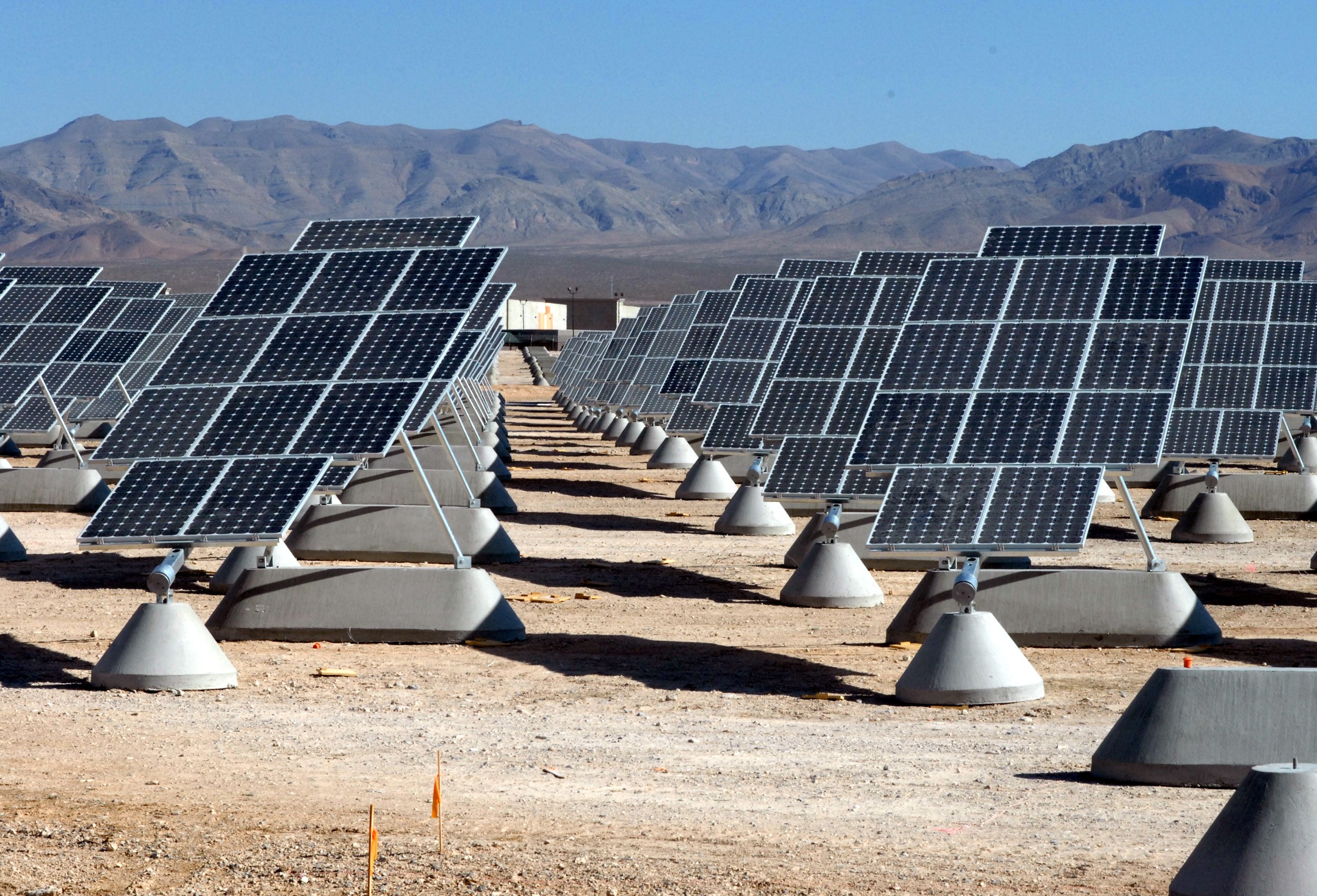
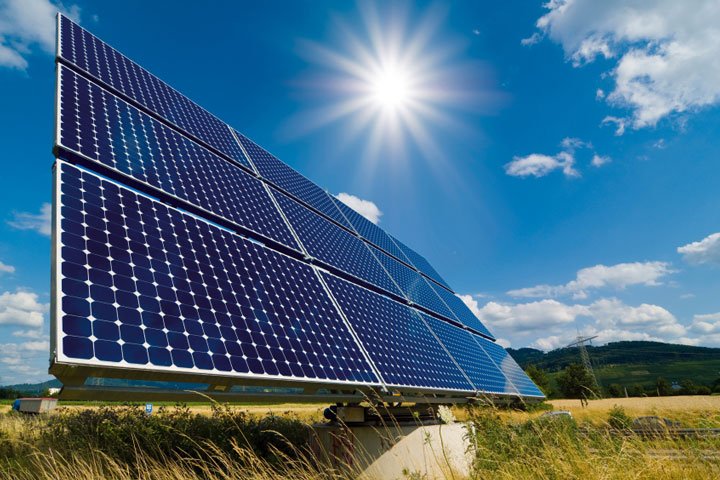
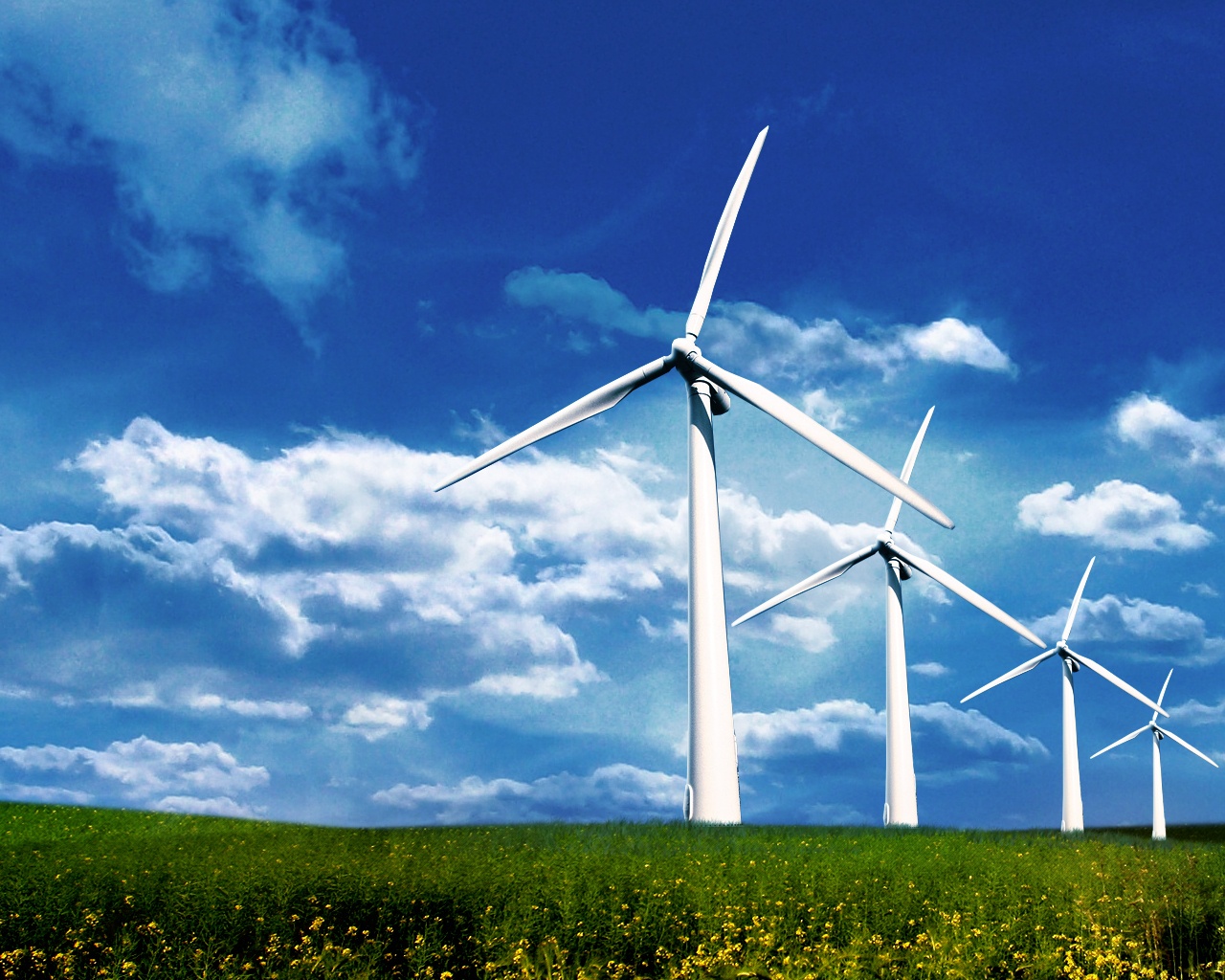
Renewable energy resources produce less_____________ than fossil fuels.
pollution
energy
wind
light
Natural Gas is a __________ energy resource.
Renewable
Non Renewable
Do renewable energy sources run out?
Yes
No
Solar Power is a __________ energy resource.
Renewable
Non Renewable
__________ is an energy resource that will run out in the next several hundred years.
Renewable Energy Resource
Fossil Fuels
Non Renewable Energy Resource
Forever Fuels
__________ is an energy resource that WILL NOT run out in the next several hundred years.
Renewable Energy Resource
Fossil Fuel
Nonrenewable Energy Resource
Forever Fuel
Why are fossil fuels like coal, oil, and natural gas called nonrenewable resources?
They can never be replaced.
They can be recycled.
They cannot be easily replaced.
They can be made in factories.
Which example describes the use of a nonrenewable energy resource?
Gasoline is used to fuel a car.
Water is released through a dam.
Sunlight is used to heat a home.
Wind turbines spin to generate electricity.

What are fossil fuels?
Solar, Wind, Hydro
Coal, Solar, Natural Gas
Coal, Oil, Natural Gas

How much matter an object contains for it´s size
Mass
Density
Matter
Volumen
Mass is the amount of _______ an object takes up.
gas
atom
matter
The amount of space accupied by a substance is called?
Density
MAtter
Volume
Space

This is an example of what type of matter?
solid
liquid
gas

This is an example of what type of matter?
solid
liquid
gas
Whether something is attracted to a magnet
solubility
conductivity
mass
magnetism
What does density tell you about an object?
how big it is
if it will sink or float
how heavy it is
what color it is

A physical property of matter that students are most likely investigating.
Mass
Volume
Density
Length

Is vegetable oil-
more dense than water
less dense than water

The ___ is the thing being dissolved.
solute
solvent
mixture
solution
If I dissolve salt in water, what is the solute?
water
salty water
none of the above
salt

Melting means:
The mixture of a liquid with a solid such as salt.
When solid changes into liquid.
Complete this sentece: "Matter is anything that ...
the amount of matter in an object".
you can smell".
takes up space and has mass".
changes into liquid".
This definition "big or small, tall or tiny, long or short" talks about...
size
color
hardnes
flavour
Water freezing is an example of a.....
Liquid changing to a solid
Solid changing to a gas
Liquid changing to a gas
Oxygen and Helium are examples of _________.
solids
liquids
gases

The diagram below shows a block of wood. The block is a __________.
solid
liquid
gas

The diagram below shows a glass containing some ice. The ice in the glass represents what state of matter?
solid
liquid
gas
What causes the moon to appear to change shape?
moon craters
moon marias
moon phases
moon eclipses
An orbit is...
a planet spinning on an axis
the distance between a planet and the sun
the speed a planet moves around the sun
the path an object takes around another object in space
What causes day and night on earth?
earth rotating on its axis
earth revolving around the sun
earth's tilt
the moon orbiting earth
A planet can have 1 or more moons. What is another word to describe what a moon is to a planet?
an asteroid
a comet
a star
a satellite

Which is true about the diagram above?
In the Northern Hemisphere it is fall, and in the Southern Hemisphere it is spring.
In the Northern Hemisphere it is winter, and in the Southern Hemisphere it is spring.
In the Northern Hemisphere it is spring, and in the Southern Hemisphere it is summer.
In the Northern Hemisphere it is summer, and in the Southern Hemisphere it is winter.

About how long will it take for Earth to move from point Y to point Z?
6 months
1 year
12 hours
24 hours

By how many degrees is the Earth tilted on its axis?
90
2.5
23.5
28
What is at the center of our solar system?
asteroid belt
Earth
sun
moon
A change in an object's position, direction or location
Position
Force
Motion
Inertia
What is force?
a push or a pull
motion
acceleration
interaction
The force that attracts objects to the center of the Earth
Friction
Air resistance
Motion
Gravity

Which force is shown in the picture? (look at he brakes being used on the roller blades)
push
pull
gravity
friction

Which force is shown in the picture?
push
pull
gravity
friction

Which force is shown in this picture?
push
pull
gravity
friction
The ability to do work is called ___________________.
force
gravity
energy
friction
_____________________ is a force that tries to pull two objects together.
force
energy
gravity
friction
A push or pull of an object is called __________________.
force
gravity
energy
friction
What are the basic needs of an organism?
Food, Air, Clothing, Water
Air, Food, Water, Shelter
Food, Air, Clothing, Animals
Food, Plants, Air, Shelter
Which of the following is NOT a basic need of plants?
Sunlight
Shelter
Water
Soil
Which of the following is considered a non living part of a habitat?
Cactus
Snake
Water
Rabbit
Why aren't penguins found living in desserts and cacti found living in the arctic tundra?
To survive, organisms must live in ecosystems where their basic needs can be met.
It is impossible for organisms to travel from one ecosystem to another ecosystem on the Earth.
People decide where organisms live on the Earth.
These animals were trapped in certain areas during migration.
All of the following can cause changes to an organism's environment. Which change is NOT a natural cause?
Lightning Strike
Tornado
Cutting Down Trees
Flood
Which of the following human activities is NOT harmful for the organisms living in an environment?
Clearing the forest to build houses.
Planting trees where old trees were cut down.
Releasing chemicals into the air.
Building highways through a forest.
All food chains must start with ________ .
the Sun
a producer
a consumer
a decomposer
Which of the following links in a food chain makes its own food?
Consumers
Producers
Decomposers
Rabbits
Animals that help break down the dead organisms that fall to the ground are called _________.
Producers
Consumers
Decomposers
Scavengers

What would most likely happen to the grasshopper population if the frogs were removed from this food chain?
There will be an increase in the grasshopper population.
There will be a decrease in the grasshopper population.
The grasshopper population will stay the same.
The grasshoppers will begin eating the snakes.

Which of the following are the consumers in the diagram above?
The Sun, grass, and grasshopper.
The grass, grasshopper, and frog.
The grasshopper, frog, and snake.
The frog, snake, and the Sun.
Photosynthesis is the process producers use to make food. Which of these things are necessary for this process?
CO2
water
sunlight
all of the above
Choose the statement that is correct:
Producers and consumers are both dependent on other organisms for food.
Producers can produce their own food but consumers are dependent on other organisms for food.
Producers are dependent on other organisms for food but consumers can make their own food.
Both producers and consumers can produce their own food.

Using only the information in the food web diagram above, the snake is considered a/an
omnivore
herbivore
carnivore
producer

If the rabbits disappeared from the prairie what will happen to the grass?
The grass would die because there would be no more rabbits to eat the grass.
The foxes would start eating grass because there are no more rabbits for them to eat.
The mountain lions would start eating grass because there are no more rabbits.
The amount of grass will increase because there are no more rabbits to eat the grass.

If the rabbits disappeared from the prairie what would happen to the foxes?
The number of foxes would increase because they would start eating grass and become herbivores.
The number of foxes would decrease because they would starve because there are no more rabbits.
The number of foxes would stay the same because they would become herbivores and eat grass.
The number of foxes would not be affected in any way if the rabbits disappeared from the prairie.
Which behaviors are inherited traits?
Wolf pack teaching pups to hunt
Tying your shoes
height
Attached earlobes
Baby crying
Which behaviors are learned behaviors?
Tying your shoes
Attached earlobes
Wolf pack teaching pups to hunt.
Baby walking
Height
Which of the following is an example of a learned behavior?
Breathing
Swallowing
Cooking
Eye color

