
 Worksheets
Punnett Square Practice
Total questions: 40
Worksheet time: 2hrs 0mins
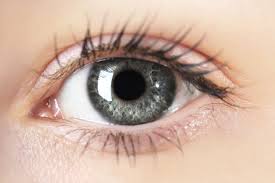
What you see, or the physical appearance.
Genotype
Phenotype
Homozygous
Heterozygous
Aa, DD, Ba, and yy are all examples of ---
genotypes
phenotypes
Which of the following is a phenotype?
Aa
red hair
heterozygous
DNA
Which of the following genotypes is heterozygous?
Bb
BB
bb
B
Which of the following is homozygous dominant?
Yy
Y
yy
YY

What allele combination should go in the missing box?
Make a Punnett square to determine this
AA
Aa
aa
none of these

T - tall and t = short
In the Punnett square below, what belongs in the missing square
Create a Punnett square to find the answer
tt
Tt
Bb
TT

In a certain species of plant, the color purple (P) is dominant to the color white (p).
According to the Punnett Square, what is the probability of an offspring being purple?
25%
0%
100%
50%

B = brown fur b = white fur
In the punnett square, what is the probability for white fur?
0%
25%
50%
75%
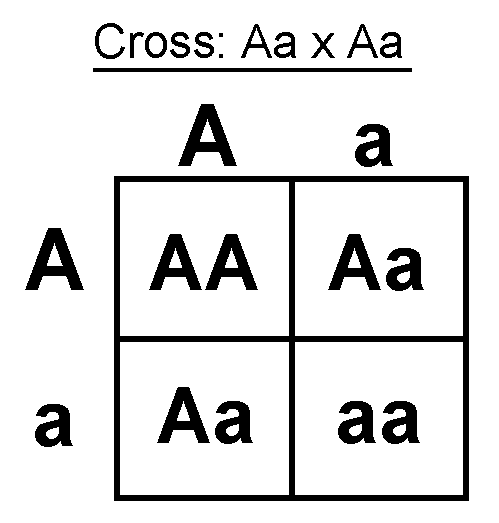
What are the probabilities of the phenotype(s) of the offspring? (A-Brown hair; a-blond hair)
50 % Brown Hair and 50% Blond Hair
25 % Brown Hair and 75% Blond Hair
75 % Brown Hair and 25% Blond Hair
0% Brown Hair and 100% Blond Hair
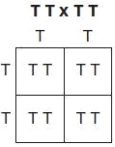
What is ratio of the offspring from the cross shown will be homozygous recessive for the trait of tallness? T = tall t = short
0 in 4
1 in 4
2 in 4
4 in 4

In the punnett square shown, what must the genotype of the missing parent be?
BB
Bb
bb
Tt
In a heterozygous genotype, the ___________ allele takes over in the phenotype.
recessive
dominant
lower case letter
both
The passing of traits from parents to offspring is called
cloning
heredity
deoxyribonucleic acid, or DNA
precipitation

In the Punnett square shown, what must the genotype of the missing parent be?
Create a Punnett square to determine this
BB
Bb
bb
Tt

B = brown fur b = white fur
In the Punnett square, what is the probability for white fur?
0%
25%
50%
75%

What are the possible genotypes for this cross?
Create Punnett square to determine this
TT = 25% Tt= 50% tt=25%
all tall
TT= 75% tt = 25%
Tt = 100%

What is the dominant trait?
yellow pea seeds
green pea seeds
there is no dominant seed
Jolly green giant

What genotype would go in box 3?
Create a Punnett square to determine this
BB
Bb
bb

What genotype would go in box 1?
BB
Bb
bb

What genotype would go in box 2?
BB
Bb
bb

What is the probability of heterozygous offspring?
0%
100%
50%
25%

If T=tall and t=short
What is the ratio for short phenotype in this cross?
Create a Punnett square to determine this
0:4
1:3
2:4
3:4
Two brown eyed parents (Bb) have a baby. What is the chance the baby is blue eyed?
Cross them using a Punnett square to get your answers
0 %
25%
50%
75%
What genotype would go in box 1?
Create a Punnett square to determine this
BB
Bb
bb

In a certain species of plant, the color purple (P) is dominant to the color white (p).
According to the Punnett Square, what is the probability of an offspring being purple?
25%
0%
100%
50%
Which of these Punnett squares represents a cross between a homozygous dominant parent and a heterozygous parent?


A dog with straight fur (Bb) is crossed with a dog with curly fur (bb). What is the probability the offspring will have straight fur?
Create a Punnett square to get the answer
0%
25%
50%
75%
100%
In tomatoes, red fruit (R) is dominant over yellow fruit (r). A plant that is homozygous for red fruit is crossed with a plant that has yellow fruit.
Cross a homozygous dominant plant with a homozygous recessive plant
What is the ratio of red to yellow
4:0
0:4
2:2
1:2:1

What is the phenotype of the heterozygous parent in the punnett square?
green
yellow
hybrid
purebred
B = brown eyes
b = blue eyes
What is true about these two brothers that have brown eyes?
One has genotype BB the other Bb.
they have same phenotype and genotype
they have different genotypes and phenotypes
they have same phenotype but different genotypes
they have same genotype but different phenotypes
What are the possible genotypes for this cross?
(Click the picture to see it without the text)
TT = 25% Tt= 50% tt=25%
all tall
TT= 75% tt = 25%
Tt = 100%
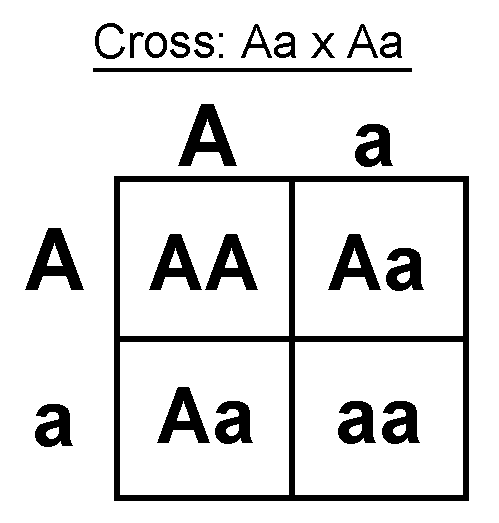
What is the genotypic ratio of the offspring?
3:1
1:3
1:2:1
2:2
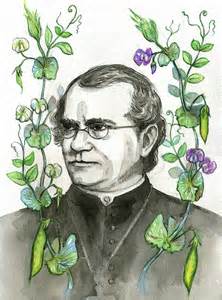
Who is considered the "father of genetics"?
HINT we called everything we have learned "Mendelian genetics"
Reginald Punnett
Gregor Mendel
James Watson
Charles Darwin
What are the phenotype percentages of the offspring?
(A-Brown fur color; a-white fur color)
50 % Brown fur and 50% White fur
25 % Brown fur and 75% White fur
75 % Brown fur and 25% White fur
0% Brown fur and 100% White fur
One guinea pig is heterozygous for short hair (Ss) and one is homozygous recessive for long hair (ss). Create a Punnett square and determine what PERCENT is homozygous?
0%
25%
50%
100%
75%
One guinea pig is heterozygous for short hair (Ss) and one is homozygous recessive for long hair (ss). Create a Punnett square and determine what PERCENT would have LONG hair?
0%
25%
50%
100%
75%
In humans, being a tongue roller (R) is dominant over non-roller (r). A man who is a non-roller
marries a woman who is heterozygous for tongue rolling.
Cross 2 heterozygous individuals who can roll their tongue
What is the ratio of genotypes?
1:2:1
2:2
0:4
1:3
In humans, being a tongue roller (R) is dominant over non-roller (r).
Cross 2 heterozygous individuals who can roll their tongue
What percent of kids would be tongue rollers?
0%
25%
50%
75%
100%


