
 Worksheets
Semester 2 Review
Total questions: 46
Worksheet time: 36mins
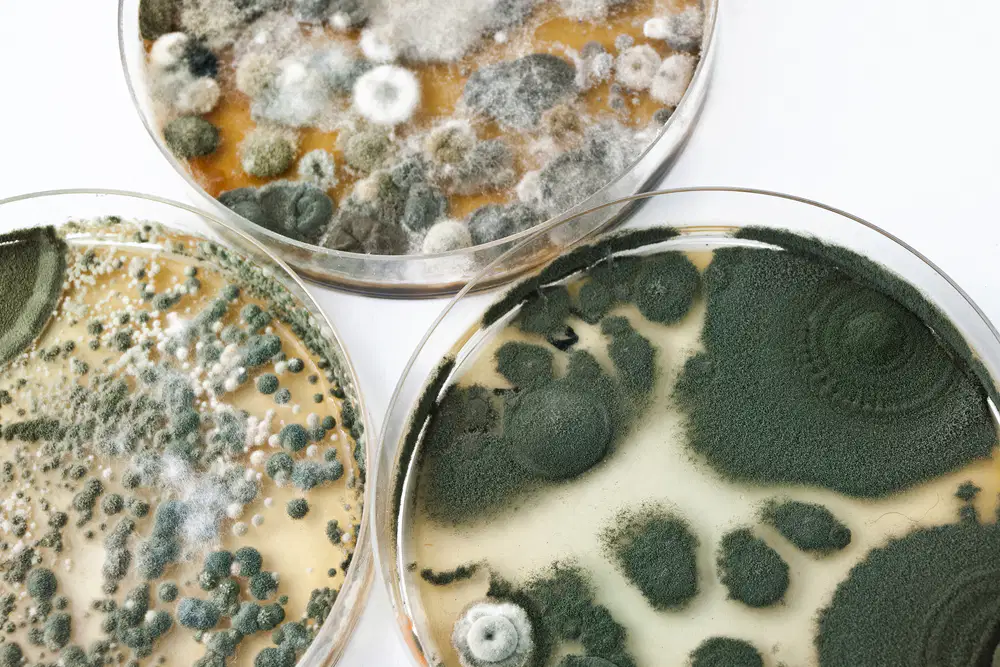
This is often used in experiments to grow bacteria and molds.
test tube
petri dish
beaker
flask
The first set of (a) produced in a genetic cross is called the F1 Generation.
Which of the following is a heterozygous genotype?
AA
Aa
aa
Select the genotypes.
Red
BB
Bb
White
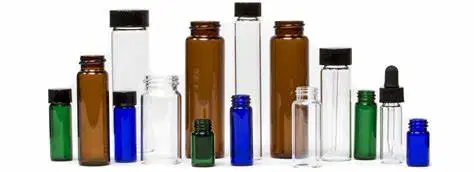
The image below shows ___________ that can be used to store or transport substances or samples.
test tubes
beakers
vials
thermometers

Scientists use different types of equipment to measure and collect data. This is known as
instrumentation
drilling
observing
writing

Organisms that belong in an environment and are considered to be natural members of the ecosystem are called ____________ species.
native
exotic
invasive
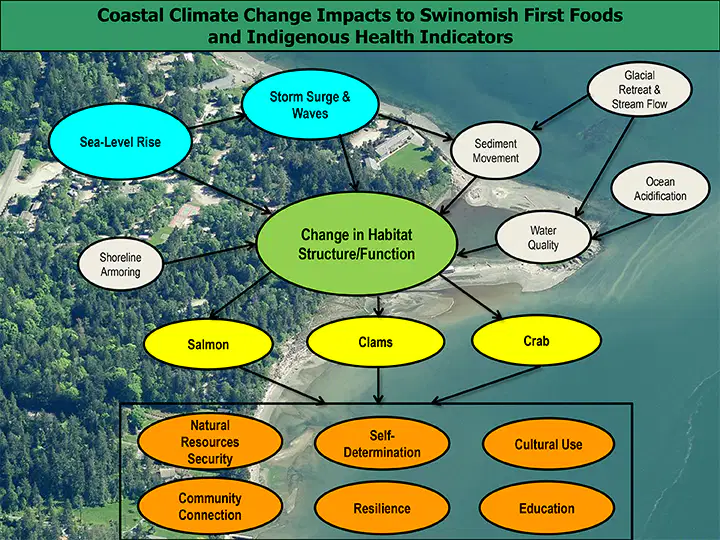
Conceptual models help to understand how systems work and the relationships between the components of the system.
true
false
When you are trying to get something or achieve a goal, you are in (a) of it.
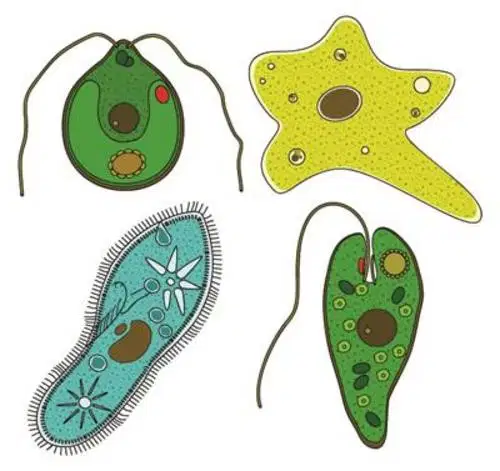
The image shows four different species of unicellular, eukaryotic organisms, known as _______________.
plants
protists
bacteria
animals

When a system is organized into levels or ranks, it is called a ______________.
hierarchy
kingdom
cell
organism
The (a) allele remains hidden unless the offspring (b) a copy from each parent.
Identify the plants.
mulberry tree
sea urchin
mangrove tree
daphnia
watercress
Select all of the terms that mean something is being shown in an image, diagram, data table, or a graph.
indicates (indicated)
depicts
(depicted)
illustrates
(illustrated)
concludes
(concluded)
contrasts
(contrasted)
Who proposed the theory of biological evolution by natural selection?
Lamarck
Darwin
Galileo
Aristotle
How can we collect empirical evidence?
Through our own personal beliefs and bias
Through experimentation, investigations, and observations.
Predictions from only mathematical models.
Predictions from only 3-D physical models.
Is science accepted as fact right away?
No, knowledge must be discussed and debated with other scientists before it is confirmed and accepted.
Yes, if a scientists discovers something it does not need to be replicated or repeated.
If something new is discovered in science, what will most likely happen?
The scientific knowledge may change as long as there is empirical evidence to support it.
Science will be called inaccurate and untrustworrthy.
The scientists that discovered the new information will be fired from their research positions.
None of the above.
The reactants/inputs of cellular respiration include oxygen and _______.
Carbon dioxide (CO2)
Oxygen (O)
Glucose (C6H12O6)
Sunlight
Water (H2O)

Energy cannot be created or destroyed. It can only be changed from one form to another. This is known as the law of conservation of ___________:
mass
energy
temperature
Matter can not be created nor destroyed: it can only be
Destroyed a little bit
Invisible
Transformed, changed
None of the above

What events release carbon dioxide in the air?
Check all that apply.
respiration of humans and animals
decomposition of organisms
burning of fossil fuels
deforestation

What do you call organisms that undergo photosynthesis?
producers/
autotrophs
consumers/
heterotrophs
A biogeochemical cycle involves matter that transforms as it moves between the living and nonliving parts of Earth.
true
false
In which type of symbiotic relationship do both species benefit (+,+) ?
Commensalism
Parasitism
Mutualism
Predation
In which type of symbiotic relationship does one species benefit while the other species is not affected (+, 0)?
Commensalism
Parasitism
Mutualism
Predation
In which type of symbiotic relationship does one species benefit while the other species is harmed (+,-)?
Commensalism
Parasitism
Mutualism
Predation

How does competition between organisms maintain ecosystem stability and biodiversity?
The winners of the competition increase in population size and dominate the ecosystem
Both organism populations become stronger and larger as a result of the competition
The population sizes are kept in check due to limited resources
All of the above are true

What type of symbiosis is being described below?
Helminths cause damage to their host by disrupting the absorption of nutrients in the body, causing weakness, malnutrition and an increased risk for disease and infection.
Commensalism
Parasitism
Mutualism

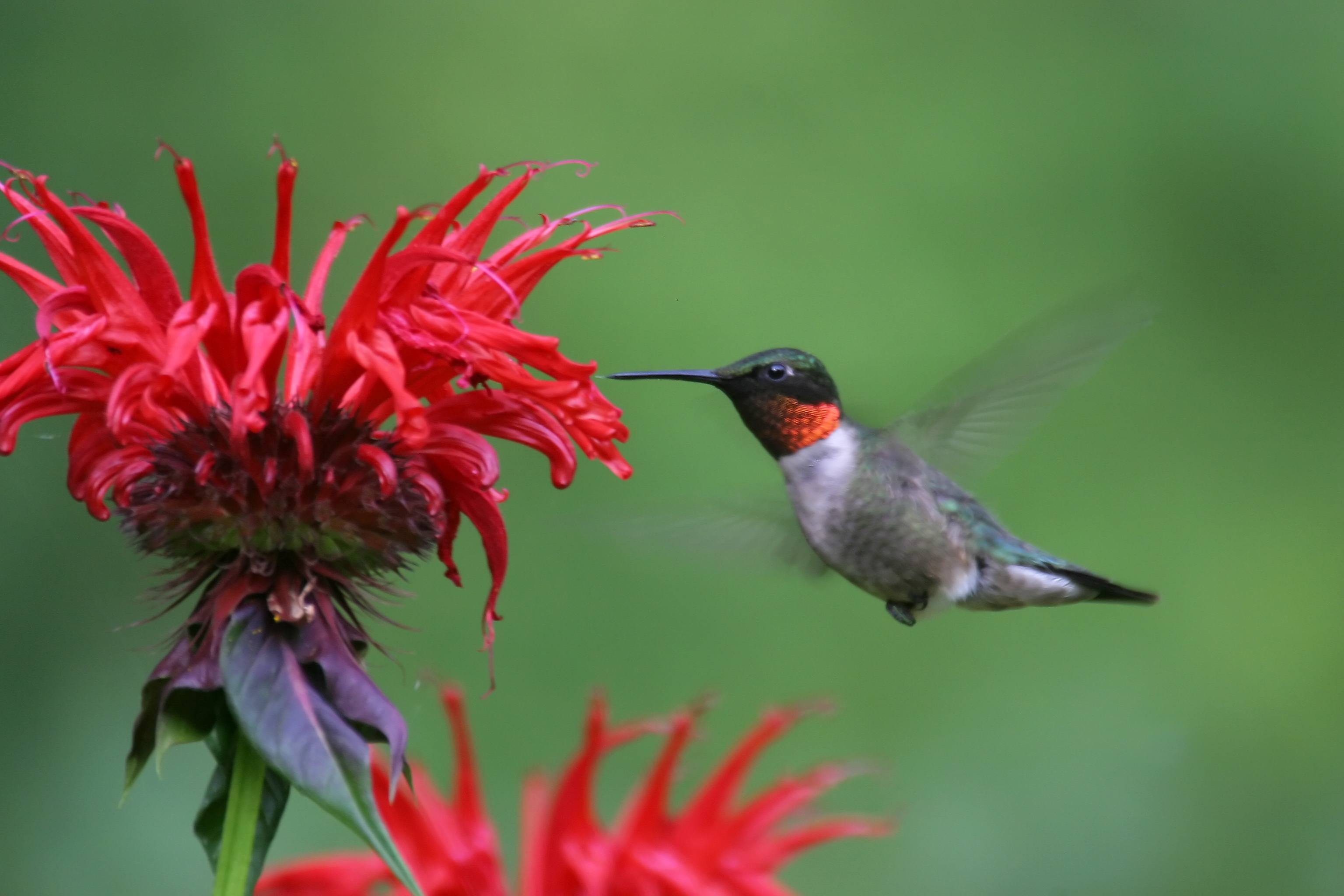
What type of symbiosis is being described below?
Hummingbirds feed on nectar from flowers. The flowers are pollinated by hummingbirds as they move from flower to flower.

Honeyguide birds find a bee hive, then chatter loudly to attract the Honey badger. They fly toward the hive making sure the badger is following. Upon arrival at the bee hive, the badger tears open the hive and feasts on the honey. Then the Honeyguide bird feeds on the remaining wax and larvae.
commensalism
mutualism
parasitism
predation
What type of symbiotic relationship is between this warthog and this band of mongoose?
Parasitism
Mutualism
Commensalism
The language you speak, how you wear your hair and what music you like to listen to are all examples of
DNA
heredity
acquired traits
inherited traits
Why is a person’s height something that is both inherited and acquired?
A person’s height is determined completely by DNA.
Height is neither in a person’s DNA nor affected by the environment.
Height is determined completely by what environment a person lives in.
A person’s potential height is inherited, but they might not get enough nutrition to reach it.
Which of the following statements is true?
You get new acquired traits all your life, but once you acquire them they never change.
You are born with inherited traits, but they change over your lifetime as you learn new things.
Both your inherited and acquired traits are unchangeable from the moment you’re born.
Your inherited traits don’t change, but your acquired traits can change over your lifetime.

A goldfish that swims up to the top of the bowl when a hand appears
Inherited Trait
Acquired Trait

Having naturally dark hair
acquired trait
inherited trait

Sarah has a hitchhiker's thumb.
inherited
aquired
Differences in traits are called:
natural selection
genetic variations
artificial selection
adaptations
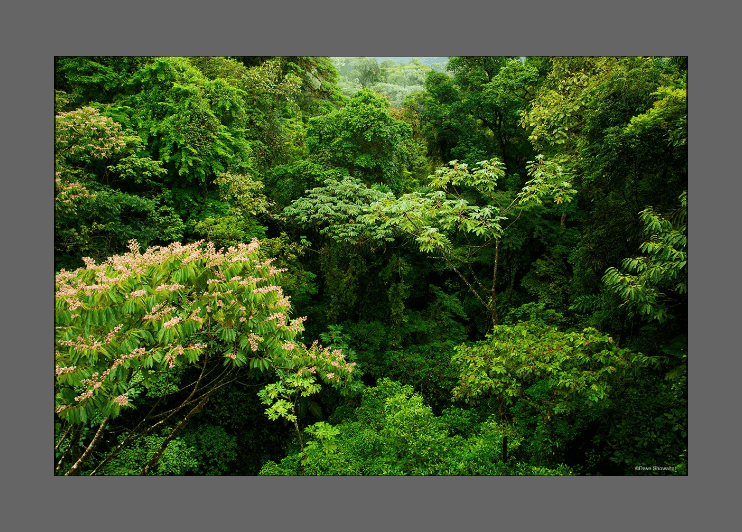
A yellow morph and green morph of an insect lives in the rainforest canopy. You would expect:
the green population to increase and the yellow to decrease
both populations should stay the same
both populations will increase
the green population to decrease and the yellow to increase
How do you "win" at natural selection?
survive
go extinct
survive & reproduce
What word describes a trait that helps an organism survive in its environment?
natural selection
mutation
camouflage
adaptation


