wayground logo

Free Printable Worksheets

NEW

Font size

S
M
L
XL
Worksheets

6th Grade Science Review for Final

Total questions: 72

Worksheet time: 2hrs 58mins

Name
Class
Date
1.

7,000 g = ____ kg

a)

70

b)

700

c)

7

d)

0.07

2.

648 g = ____ mg

a)

6,480

b)

64,800

c)

648,000

d)

64.8

3.

240 cm = ___________ m

a)

2400

b)

24

c)

2.4

d)

0.24

4.

3 km = ___________ mm

a)

30

b)

300

c)

3,000

d)

3,000,000

5.

68 cm = ___________ mm

a)

0.68

b)

6.8

c)

68

d)

680

6.

32.9 km = ___________ cm

a)

32,900

b)

329,000

c)

3,290,000

d)

32,900,000

7.
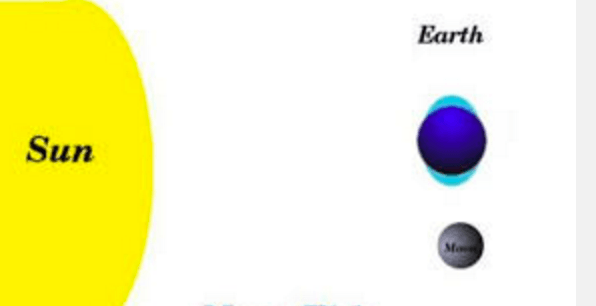
What moon phase would be seen from Earth when the moon is at position 1? 
a)
new moon
b)
first quarter
c)
third quarter 
d)
full moon
8.
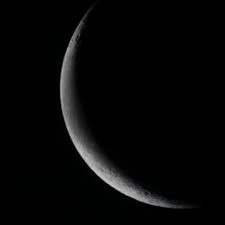
What moon phase is this? 
a)
waxing crescent
b)
waxing gibbous
c)
waning crescent
d)
waning gibbous
9.
What moon phase is this? 
a)
waxing crescent
b)
waxing gibbous
c)
waning crescent
d)
waning gibbous
10.
What phase of the moon would be visible when the moon is at position 3? 
a)
new moon
b)
first quarter
c)
full moon
d)
third quarter
11.
What does "waxing" mean?
a)
growing
b)
shrinking
c)
lighted
d)
dark
12.
Which moon phase is shown in this diagram?
a)
new moon
b)
1st quarter
c)
full moon
d)
last quarter/3rd quarter
13.
Name the moon phase that would come AFTER this moon.
a)
waning crescent
b)
waxing crescent
c)
waning gibbous
d)
waxing gibbous
14.
What moon phase came right BEFORE this one?
a)
First Quarter
b)
Last Quarter
c)
New Moon
d)
Full Moon
15.
Name the moon phase that would come AFTER this moon.
a)
waning crescent
b)
waxing crescent
c)
waning gibbous
d)
waxing gibbous
16.
Name the moon phase
a)
waning crescent
b)
waxing crescent
c)
waning gibbous
d)
waxing gibbous
17.
Name the moon phase
a)
waning crescent
b)
waxing crescent
c)
waning gibbous
d)
waxing gibbous
18.
A flat sloping surface that connects lower and higher elevations. It makes raising objects easier.  
a)
wedge
b)
screw
c)
lever
d)
inclined plane 
19.
An inclined plane wrapped around a rod forms this simple machine 
a)
lever
b)
pulley
c)
screw
d)
wedge 
20.
A simple machine that consists a rigid bar that pivot about a fixed point
a)
lever
b)
pulley
c)
wheel and axle
d)
fulcrum 
21.
An axe is an example of a
a)
pulley
b)
inclined plane
c)
screw
d)
wedge 
22.
A seesaw is an example of a  
a)
wedge
b)
lever 
c)
inclined plane 
d)
pulley 
23.
A device that has two or more simple machines working together 
a)
fulcrum 
b)
pulley
c)
compound (complex) machine 
d)
motor 
24.
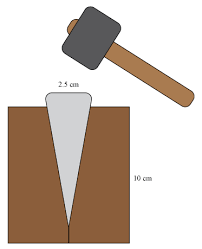
This device
a)
wedge
b)
lever
c)
incline plane
d)
wheel and axle
25.
The fixed point on the lever is called 
a)
load
b)
resistance
c)
bar
d)
fulcrum
26.
The device used to raise a flag up a flag pole is an example of a 
a)
wheel and axle 
b)
lever
c)
inclined plane 
d)
pulley 
27.
What is the fourth planet from the sun?
a)
Mercury
b)
Mars
c)
Earth
d)
Venus
28.
What is the third planet from the sun?
a)
Earth
b)
Venus
c)
Mars
d)
Neptune
29.
What is the eighth planet from the sun?
a)
Venus
b)
Saturn
c)
Neptune
d)
Uranus
30.
What is the sixth planet from the sun?
a)
Saturn
b)
Uranus
c)
Neptune
d)
Jupiter
31.
What is the second planet from the sun?
a)
Mars
b)
Venus
c)
Mercury
d)
Earth
32.
What is the second planet from the sun?
a)
Mars
b)
Venus
c)
Mercury
d)
Earth
33.
What is the seventh planet from the sun?
a)
Saturn
b)
Jupiter
c)
Uranus
d)
Neptune
34.
What is the fifth planet from the sun?
a)
Saturn
b)
Neptune
c)
Mercury
d)
Jupiter
35.
Is this the correct order of the planets from the sun: Mercury, Venus, Earth, Mars, Jupiter, Uranus, Saturn, Neptune?
a)
Yes
b)
No
36.
Is this the correct order of the planets from smallest to largest: Mercury, Mars, Venus, Earth, Neptune, Uranus, Saturn, Jupiter?
a)

Yes

b)

No

37.
The order of the planets is:
a)
Mars,Venus,Earth,
Mercury,Saturn
Jupiter, Uranus, Neptune
b)
Earth,Venus,Mars
Jupiter, Neptune,
Mercury,Saturn,
Uranus
c)
Mercury,Venus,Earth
Mars,Jupiter,
Saturn,Uranus
Neptune
38.

What is the first planet in the solar sistem?

a)

Mercury

b)

Mars

c)

Earth

d)

Venus

39.

Which of the following solar system objects has a tail?

a)

meteor

b)

meteorite

c)

comet

d)

asteroid

40.

Which of the small solar system objects does not orbit the sun?

a)

comet

b)

dwarf planet

c)

asteroid

d)

meteor

41.

Which of the following answers describes a comet?

a)

Has a coma and a tail made of ice and rock.

b)

Made of small rocks and dust

c)

Made of helium and hydrogen

d)

Made of space dust

42.

Which one of the following describes a meteoroid?

a)

A space rock that hits the Earth's surface.

b)

A small solar system object that is made up of small pieces of asteroids or comets.

c)

A space rock that enters the Earth's atmosphere

d)

A loose collection of rock and ice

43.

A small solar system object that enters the Earth's atmosphere and creates streaks of light is called a _________

a)

comet

b)

meteor

c)

meteorite

d)

Meteoroid

44.

When we see streaks of light falling in the sky, we call them falling stars but these objects are actually ________________

a)

meteors

b)

comets

c)

meteorites

d)

asterites

45.

A meteor when it burns in the atmosphere is also known as a ____.

a)

rock

b)

shooting star

c)

ball of ice

46.

A meteor that does not burn up in Earth's atmosphere and reaches Earth's surface

a)

Meteorite

b)

Meteoroid

c)

Meteor

47.

What's the difference between meteoroid, meteor, and meteorite?

a)

Meteoroids are sand size, meteors are streaks of light in the sky, and a meteorite is the meteors that has landed

b)

Meteoroids are huge, Meteors are the pieces that land, and Meteorites are shooting stars

c)

There are no differences

d)

Meteoroids are small, Meteors are another name for comets, and Meteorites are shooting stars

48.

A chunk of rock that enters Earth's atmosphere and produces a streak of light in the sky.

a)

Meteoroid

b)

Meteor

c)

Meteorite

d)

Comet

49.

What is #1 called?

a)

amplitude

b)

wavelength

c)

crest

d)

trough

50.

What is #2 called?

a)

amplitude

b)

wavelength

c)

crest

d)

trough

51.

What is #3 called?

a)

amplitude

b)

wavelength

c)

crest

d)

trough

52.

What is #4 called?

a)

amplitude

b)

wavelength

c)

crest

d)

trough

53.
An organism that needs to eat other organisms to obtain energy is known as a:
a)
Autotroph
b)
Producer
c)
Consumer
d)
Mutualist
54.
An organism that uses sunlight to create its own food is known as a:
a)
Producer
b)
Heterotroph
c)
Consumer
d)
Decomposer
55.
The largest group of organisms found in a food web would be:
a)
Primary Consumers
b)
Producers
c)
Decomposers
d)
Tertiary Consumers
56.
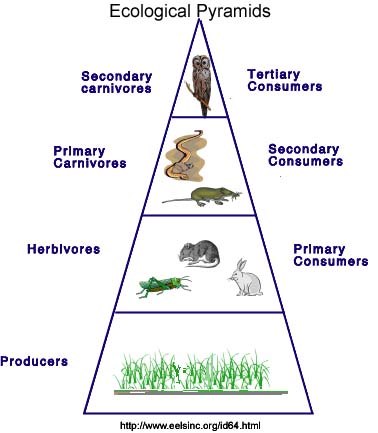
The rabbit in this food web would be considered a:
a)
Decomposer
b)
Producer
c)
Secondary Consumer
d)
Primary Consumer
57.
The fox in this food web would be considered a:
a)
Tertiary Consumer
b)
Producer
c)
Secondary Consumer
d)
Primary Consumer
58.
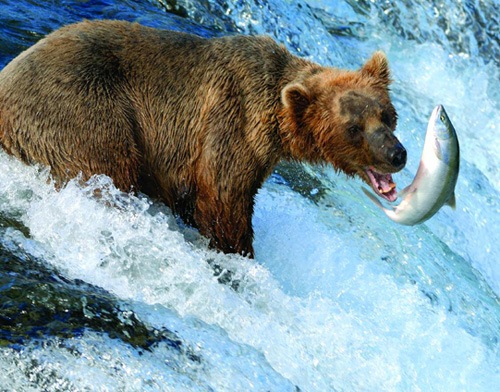
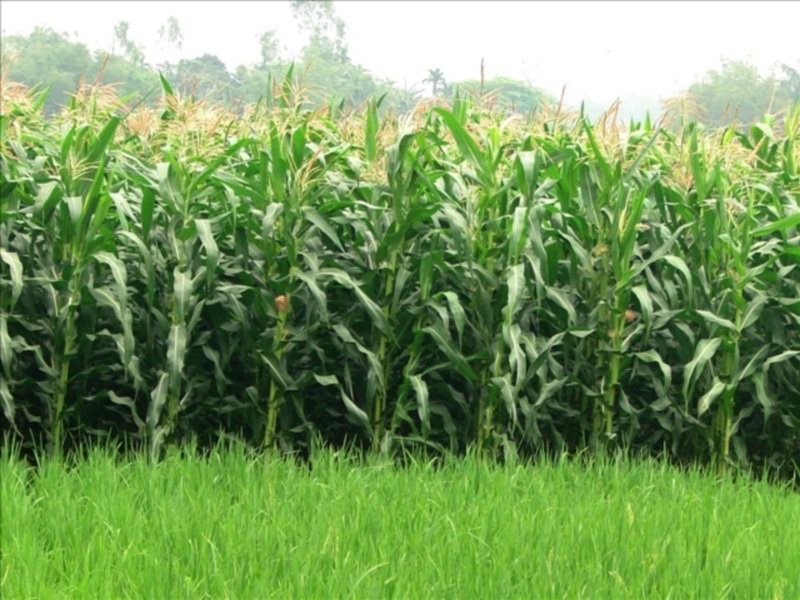
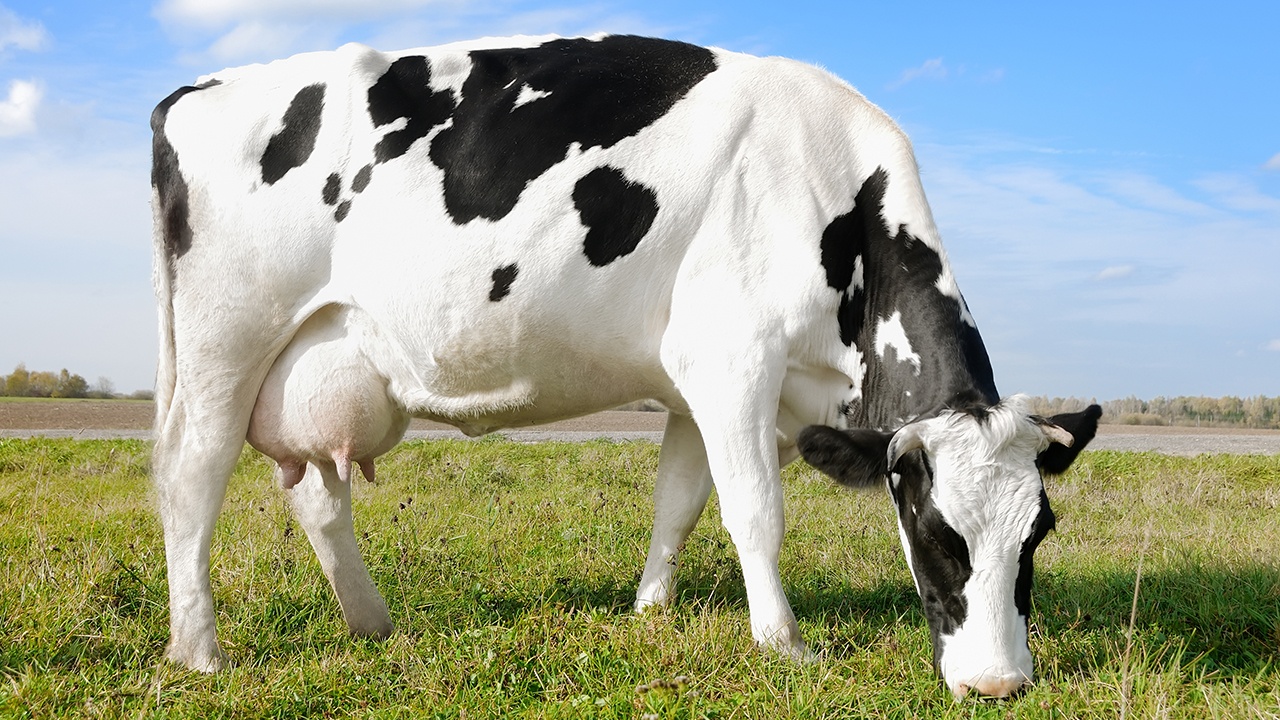
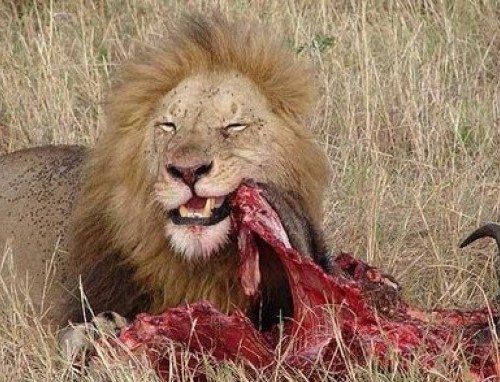
The image provided is an example of a:
a)
Producer
b)
Heterotroph
c)
Consumer
d)
Decomposer
59.
The image provided is an example of a(n):
a)
Autotroph
b)
Carnivore
c)
Herbivore
d)
Decomposer
60.
The image provided is an example of a(n):
a)
Carnivore
b)
Herbivore
c)
Producer
d)
Autotroph
61.

Organisms such as bacteria and fungi that break down the remains of dead plants and animals without need for internal digestion

a)

decomposers

b)

consumers

c)

producers

d)

autotrophs

62.

an organism that transforms the energy from the Sun and uses carbon dioxide and water to make food

a)

producer

b)

heterotroph

c)

decomposer

d)

consumer

63.

an organism that must consume other organisms for nutrients

a)

consumer

b)

autotroph

c)

producer

d)

decomposer

64.

An organism that cannot make its own food.

a)

heterotroph

b)

autotroph

c)

producer

d)

trophic level

65.

An organism that makes its own food

a)

autotroph

b)

heterotroph

c)

decomposer

d)

consumer

66.
Which term describes the motion of the planets around the sun?
a)
rotation
b)
revolution
c)
completion
d)
galaxy
67.
The process of Earth spinning on its axis is referred to as
a)
revolution
b)
ionization
c)
rotation
d)
ellipse
68.
Earth is tilted on its
a)
axis
b)
side
c)
oval
d)
pole
69.
The amount of time it takes Earth to revolve around the sun is a 
a)
day
b)
24 hrs
c)
month
d)
year
70.
The sun revolves around the Earth
a)
true
b)
false
71.
The rotation of Earth is responsible for day and night
a)
true
b)
false
72.
In this simple diagram, the motion of both the Earth and Moon can be described as -
a)
Rotation
b)
Revolution