
 Worksheets
Air Pressure and Temperature Concepts
Total questions: 72
Worksheet time: 51mins
Temperature is
The total amount of heat in an object or substance
The total amount of kinetic energy in an object or substance
How hot something is
The average amount of kinetic energy of all of the atoms in an object or substance
If I use a humidifier to increase the humidity of the air, the air pressure will
increase
decrease
stay the same
impossible to know
If I use a dehumidifier to remove water vapor from the air, the air pressure will
increase
decrease
stay the same
impossible to know
If I use a heater to increase the temperature of the air, the air pressure will
increase
decrease
stay the same
impossible to know
If I use an air conditioner to cool down the air, the air pressure will
increase
decrease
stay the same
impossible to know
Air pressure is
what keeps us from floating into space
the force of air pressing on other objects
the weight of the air above us creating a force downward
Why don't we get crushed by air pressure?
It isn't very strong
The air pressure inside us is even stronger
The air pressure inside us is exactly the same
Our bones are strong enough to hold us up
Air means
oxygen
nitrogen
water vapor
carbon dioxide
all of the other options mixed together
The air with the highest air pressure is
cool, dry air
warm, dry air
cool, moist air
warm, moist air
The air with the lowest air pressure is
cool, dry air
warm, dry air
cool, moist air
warm, moist air
The layers of gases surrounding Earth are called the _________.
atmosphere
lithosphere
hydrosphere
biosphere
A mixture of gases that make up the Earth's atmosphere is called ________.
air
water
soil
rock
The force exerted by air molecules as they press against a surface due to gravity is called _________.
air pressure (atmospheric pressure)
friction
buoyant force
magnetic force
The height above sea level, which affects air pressure, is called _________.
altitude
latitude
longitude
temperature
The average kinetic energy of all of the atoms in an object or substance is called _________.
temperature
pressure
volume
density
An instrument used to measure air pressure is called a _________.
barometer
thermometer
hygrometer
anemometer
Another term for atmospheric pressure is _________.
barometric pressure
hydrostatic pressure
osmotic pressure
vapor pressure
A unit of measurement for air pressure is called _________.
atmosphere (atm)
pascal (Pa)
barometer
kilogram (kg)
Molecules move faster and spread out, creating lower pressure in ________ air.
warm
cold
dry
humid
Molecules move slower and stay closer together, creating higher pressure in ________ air.
cool
warm
humid
dry
The amount of water vapor in the air is called _________.
humidity
temperature
pressure
wind
Water in gas form that has less mass than oxygen or nitrogen, reducing air pressure, is called _________.
water vapor
steam
dew
mist
Air with little water vapor that has higher mass and density is called ________ air.
dry
moist
humid
warm
Air with high humidity that has lower mass and density than dry air is called ________ air.
moist
dry
cold
heavy
An area with high atmospheric pressure, associated with clear, dry weather, is called a ________ system.
high-pressure
low-pressure
storm
cyclone
An area with low atmospheric pressure, associated with clouds, rain, and storms, is called a ________ system.
low-pressure
high-pressure
thermal
static
What causes air pressure?
The weight of air molecules
The temperature of the sun
The movement of tectonic plates
The rotation of the Earth
What happens to air pressure as altitude increases?
It increases
It decreases
It stays the same
It fluctuates randomly
How are temperature and air pressure related?
They are not related
Warm air expands and lowers pressure, cool air contracts and increases pressure
Warm air contracts and increases pressure, cool air expands and lowers pressure
Both increase together
How does humidity affect air pressure?
It increases air pressure
It decreases air pressure
It has no effect
It makes air heavier
High-pressure systems bring ________, while low-pressure systems bring _________.
clear skies, clouds and storms
rain, snow
strong winds, no wind
foggy conditions, clear conditions
What do barometers measure?
Temperature
Air pressure
Humidity
Wind speed
Which gas is most abundant in Earth's atmosphere?
Oxygen
Nitrogen
Argon
Carbon dioxide

What is the second most abundant gas in the atmosphere?
Nitrogen
Oxygen
Carbon Dioxide
Argon
Which layer of the atmosphere do we live in?
Troposphere
Mesosphere
Thermosphere
Stratosphere

Which atmosphere layer contains the Aurora Borealis?
Troposphere
Mesosphere
Thermosphere
Stratosphere
Which atmosphere layer protects living things from the Sun's UV radiation?
Troposphere
Mesosphere
Thermosphere
Stratosphere
In which atmosphere layer does weather occur?
Exosphere
Troposphere
Mesosphere
Stratosphere
Generally, as altitude increases, what happens to air pressure?
It increases.
It decreases.
It stays the same.
It changes within each atmosphere layer.
Which atmosphere layer contains the Ozone Layer?
Stratosphere
Troposphere
Mesosphere
Exosphere
Why is it difficult to breathe at higher altitudes?
There is less oxygen as altitude increases because air pressure decreases.
There is a larger amount of carbon dioxide as altitude increases.
The view is breathtaking.
It is difficult to breathe cold air.
The hottest layer of the atmosphere:
Troposphere
Stratosphere
Mesosphere
Thermosphere
What are the two most common gases in the atmosphere?
Nitrogen and oxygen
Oxygen and carbon dioxide
Carbon Dioxide and methane
Nitrogen and carbon dioxide
The stratosphere gets warmer because
Heat rises up from the troposphere
The ozone absorbs UV radiation and increases in temperature
The atmosphere always gets warmer as we increase altitude
The jet stream keeps warm air in the stratosphere away from the troposphere
Heat means
The transfer of thermal energy
How hot something feels
Total kinetic energy
Average kinetic energy
Heat always moves...
from high energy to low energy
up
from low energy to high energy
Temperature is
the average kinetic energy of all of the atoms in an object or substance
the total kinetic energy of all of the atoms in an object or substance
The amount of heat in an object
measured using a barometer

Which beaker has the most thermal energy?
A
B
C
All are equal
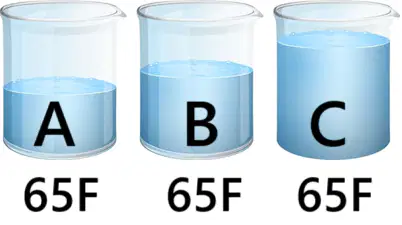
Which beaker has the highest temperature?
A
B
C
All are the same
Electromagnetic waves CAN travel through empty space.
True
False

What type of heat transfer?
Radiation
Conduction
Both
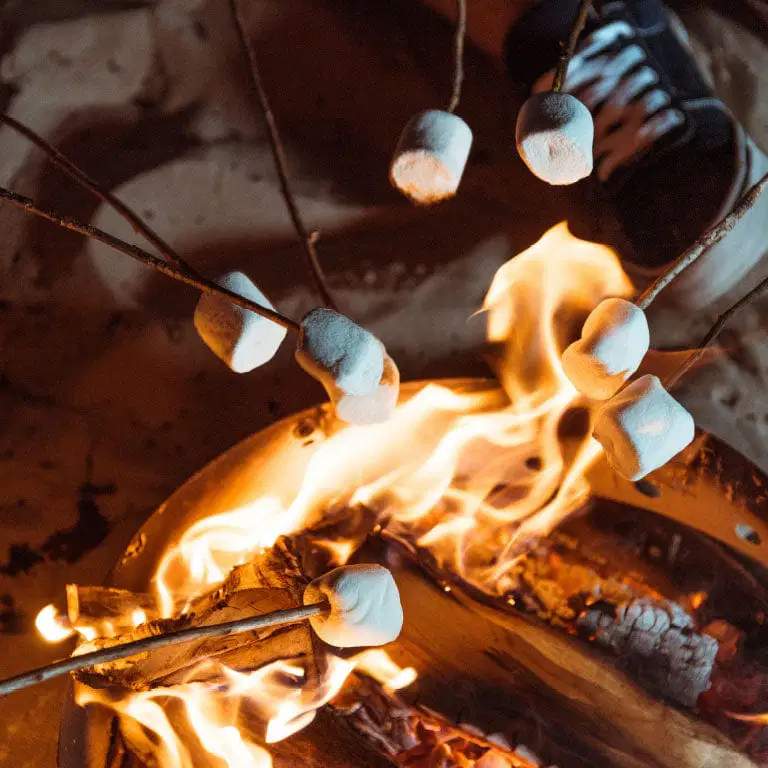
What type of heat transfer?
Radiation
Conduction
Both
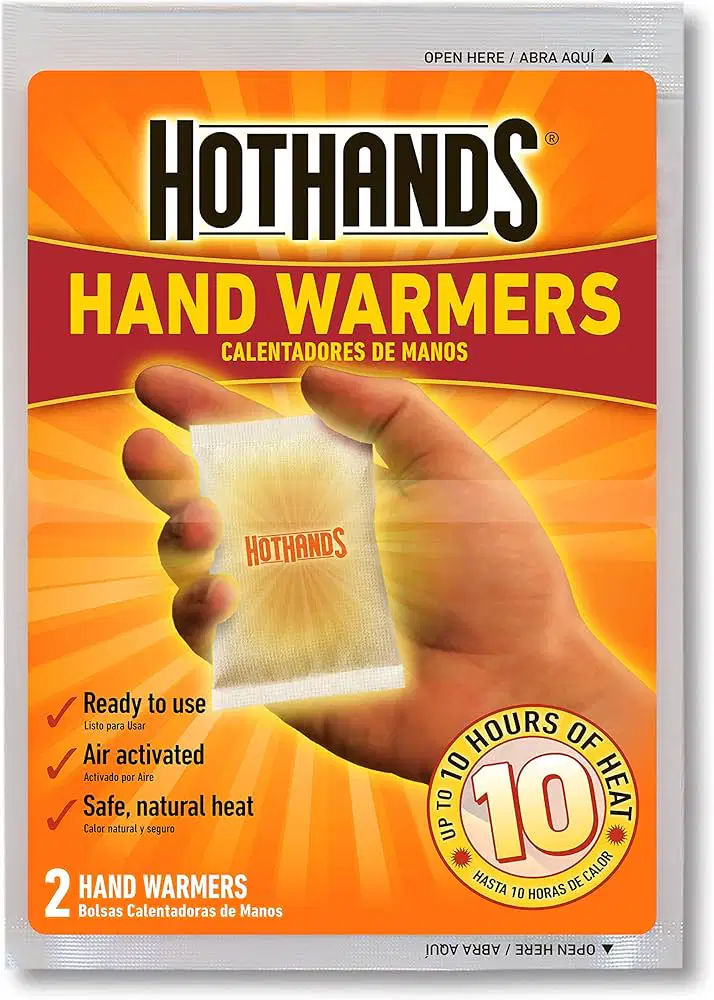
What type of heat transfer?
Radiation
Conduction
Both

What type of heat transfer?
Radiation
Conduction
Both
The total kinetic energy of all of the molecules in an object or substance.
Heat
Temperature
Thermal Energy
Thermosphere

Light (or other radiation) bouncing off an object or substance
What happens when light (or other radiation) is absorbed by an object or substance?
The energy is transferred to the object, causing the temperature to rise.
The energy disappears.
Light (or other radiation) bending when traveling through a substance.

