
 Worksheets
Classification and Taxonomy
Total questions: 68
Worksheet time: 29mins

The kiang has the scientific name Equus kiang. Equus refers to this animal's __________ .
family
genus
species
order

What is the name of this Swedish physician, botanist, and naturalist who is considered the Father of Taxonomy?
Antoni van Leeuwenhoek
Matthias Schleiden
Charles Darwin
Carl Linnaeus

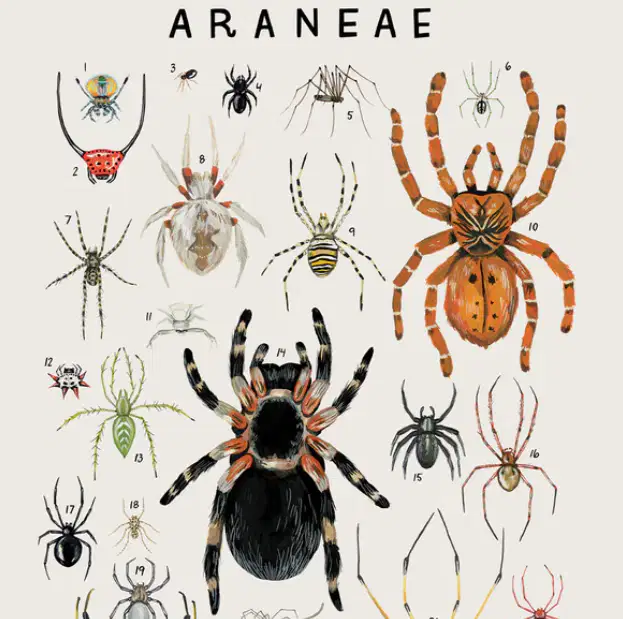
Tarantulas and wolf spiders are both members of the order Araneae. However, these spiders are in different families. How many taxonomic levels do they have in common?
6
4
5
3
What taxonomic level is made up of a group of closely related species?
family
order
phylum
genus

What is the scientific name of the white oak?
Quercus alba
Quercus engelmannii
Quercus velutina
Quercus macrocarpa

Each step of a dichotomous key provides how many choices?
2
3
8
4

What is the name for the pictured diagram?
Punnett Square
dichotomous key
phylogenetic tree
field guide

Which domain contains plants, animals, fungi, and protists?
Bacteria
Archaea
Eukarya
Mustelidae

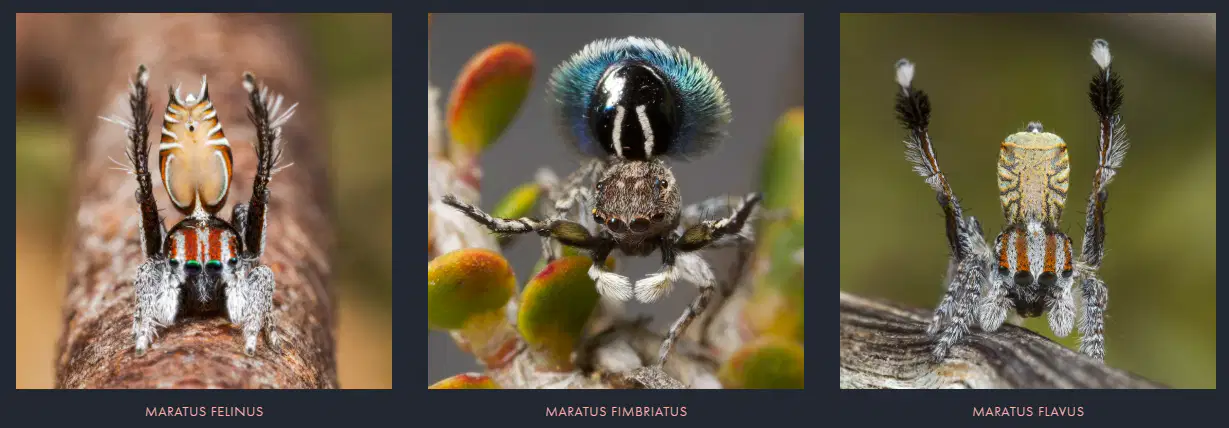
Which of the following is the correctly written scientific name of the fringed peacock spider?
maratus fimbriatus
Maratus fimbriatus
Maratus fimbriatus
Maratus Fimbriatus

What is the name for a book with many pictures, that is used to identify similar looking organisms?
phylogenetic tree
taxonomic key
field guide
biological almanac
Which taxonomic level is just below kingdom and is made up of related classes?
phylum
family
order
genus

What is the name for an organism's evolutionary history?
heredity
phylogeny
phenotype
ecology

What is the name for the second word of an organism's scientific name?
common name
genus
species epithet
subspecies
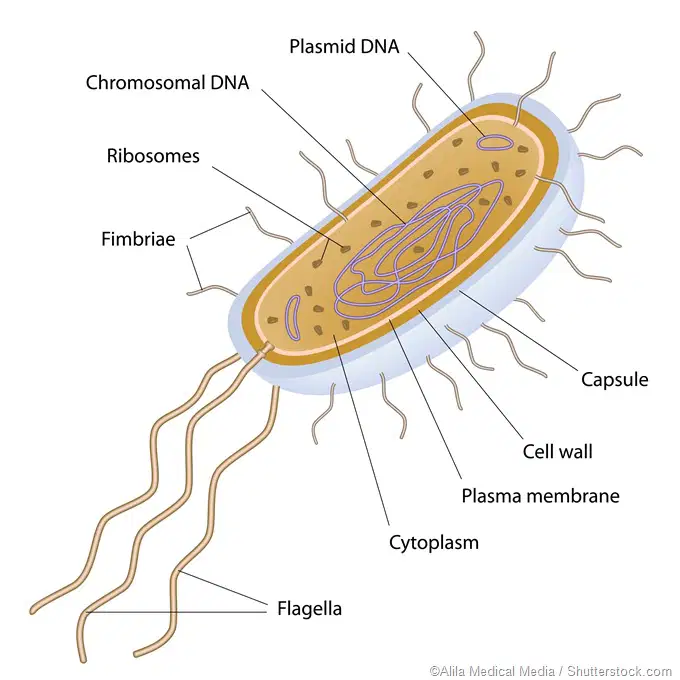
Which of the following are prokaryotic domains (multiple answers possible)?
Eukarya
Bacteria
Animalia
Archaea

Which of the following is the correctly written scientific name of the American alligator?
alligator Mississippiensis
Alligator mississippiensis
alligator mississippiensis
Alligator mississippiensis
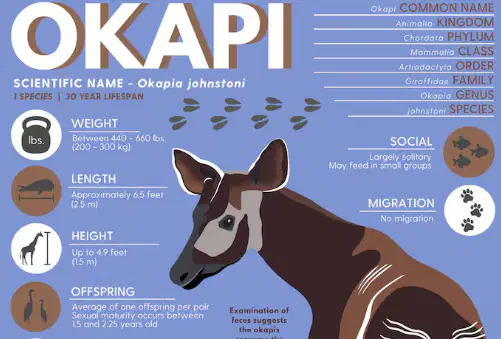
A scientific name can give information about _______ (multiple answers possible).
an organism's genus
where the organism lives
who discovered the organism
a trait or characteristic of the organism

Which of the following is the correct scientific name for the American robin?
Turdus Migratorius
migratorius
Turdus migratorius
turdus migratorius

Robins are in the same phylum as alligators, but they are in different classes. How many taxonomic levels do alligators and robins have in common?
4
3
5
6

The process of putting organisms into groups based on their similarities is called _________ .
succession
heredity
identification
classification

The scientific study of how organisms are classified is called _____________ .
genetics
taxonomy
botany
zoology
Which taxonomic level falls between class and family?
subspecies
phylum
genus
order

______________ is considered the "Father of Taxonomy" because he created a classification system that gave every organism a two-part scientific name.
Antonie van Leeuwenhoek
Charles Darwin
Carl Linnaeus
Gregor Mendel

Which of the following is the scientific name of the house cat?
Felis domesticus
Quercus arizonica
Panthera tigris
Marmota monax

The pictured chart is a __________ .
phylogenetic tree
field guide
dichotomous key
Punnett Square

To which genus do the peacock spiders belong?
Panthera
Quercus
Archaea
Maratus

Which of the following are true of members of Domain Archaea? (multiple answers possible)
prokaryotes
multicellular
have chloroplasts
some live in extreme environments

What is the scientific name for the pictured organism? (Hint: look carefully at the pattern on his abdomen)
Maratus neptunus
Maratus elephans
Maratus purcellae
Maratus banyowla

Which of the following is the correct scientific name for the green lynx spider?
peucetia viridans
Peucetia viridans
Peucetia viridans
peucetia viridans
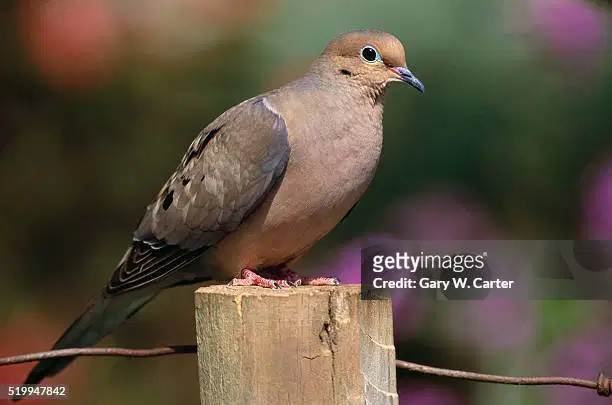
Mourning doves are in the dove and pigeon family Columbidae. Therefore, doves and pigeons are all in the same ________ . (multiple answers possible)
domain
genus
order
species
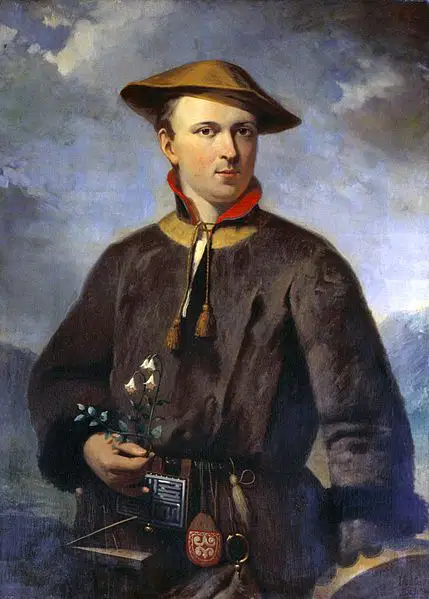
Carl Linnaeus's great love was studying, identifying, and describing plants. What branch of biology focuses on the plant kingdom?
Zoology
Phycology
Botany
Mycology
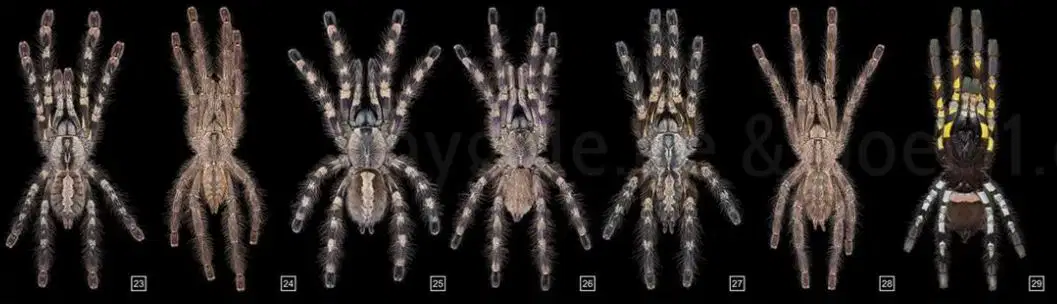
The pictured tarantulas are all in the genus Poecilotheria, therefore ___________ .
they are varieties of one species
they are closely related
they belong to different orders
they are prokaryotes
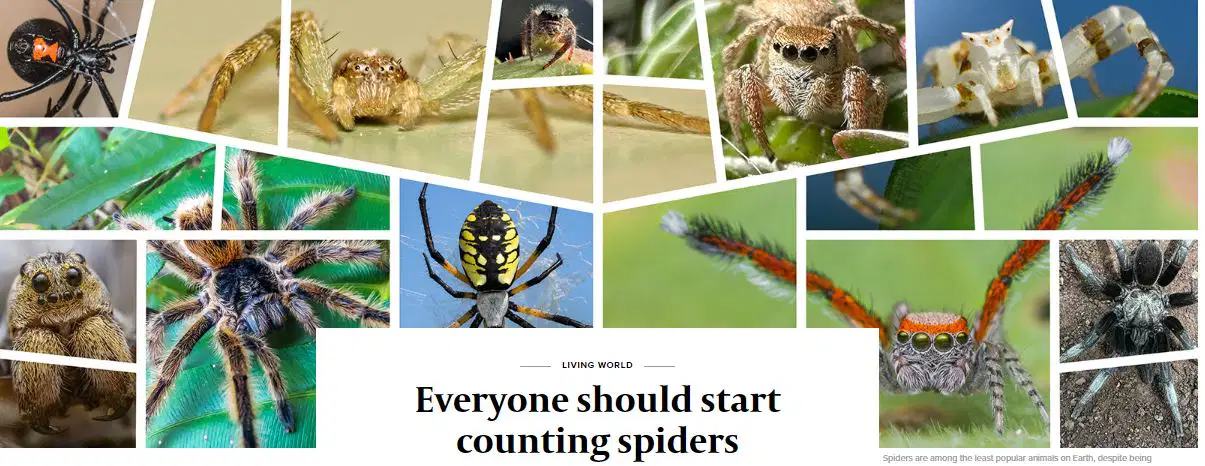
All of the following are true, EXCEPT ______________ .
all spiders are in the same kingdom
there are > 50, 000 species of spiders
spiders are vertebrates
there are many different genera of spiders

A genus may contain many related ___________ .
species
families
kingdoms
subphyla

Phylogenetic trees show ___________ . (multiple answers possible)
how to identify an organism
which organisms are closely related
the common ancestors of different organisms
the DNA sequences of organisms

Which of the following is/are true of Quercus alba? (multiple answers possible)
It shares seven taxa with Quercus rubra.
It has very dark gray bark.
"alba" is the family name
It is a member of the large Quercus genus.
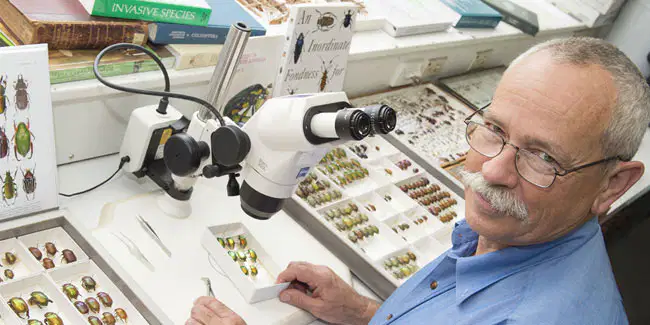
A ______________ is a biologist that studies organisms, identifies organisms, and places organisms into groups.
microbiologist
entomologist
taxonomist
mycologist
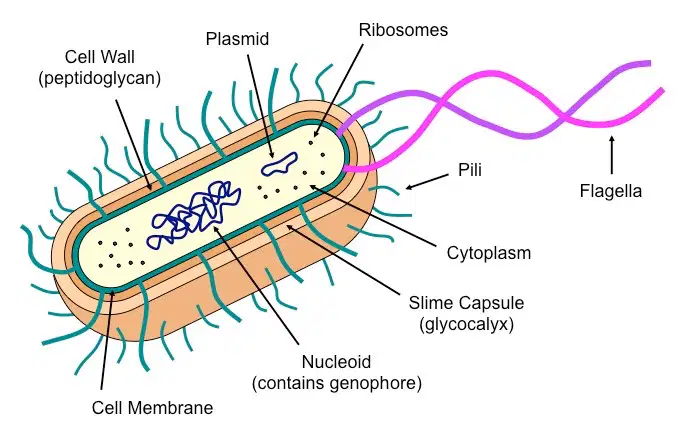
Which kingdom includes prokaryotic organisms? (multiple answers possible)
Fungi
Archaea
Protists
Bacteria
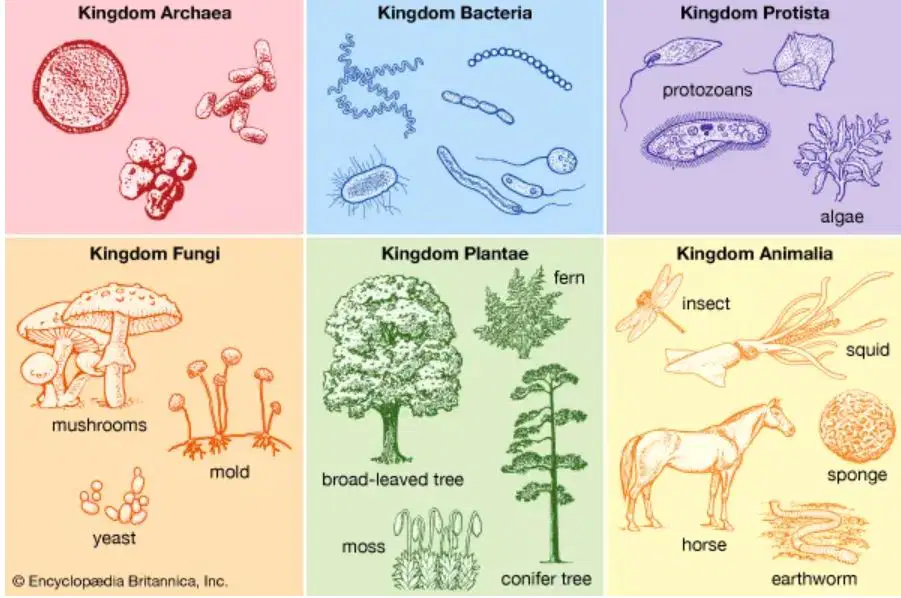
Which kingdom contains multicellular, autotrophic, eukaryotes that have cells with cell walls?
Animalia
Protista
Archaea
Plantae
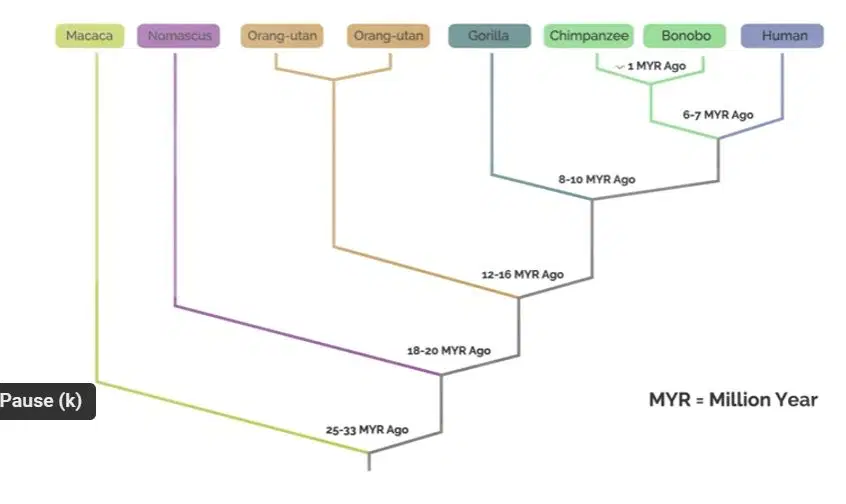
The pictured __________________ shows the evolutionary relationships amongst the great apes.
Punnett Square
phylogenetic tree
taxonomic key
dichotomous key
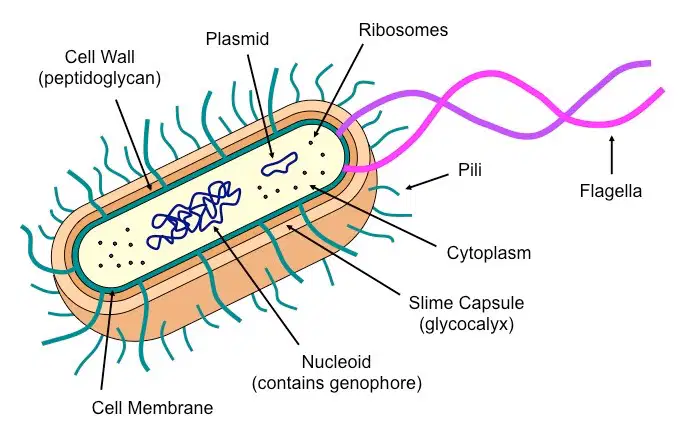
Which of the following kingdoms contain prokaryotes? (multiple answers possible)
Plantae
Animalia
Archaea
Bacteria
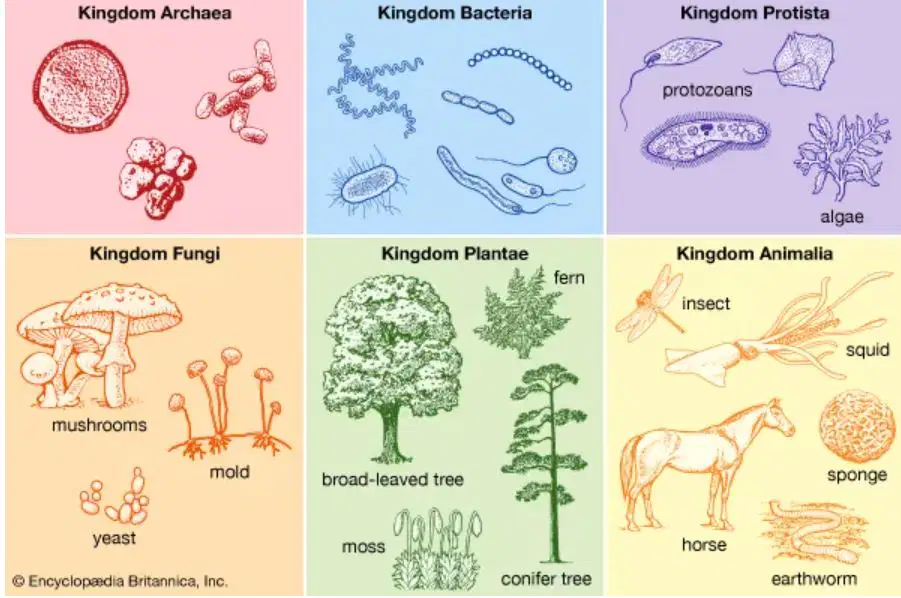
Which kingdom contains mushrooms, yeasts, and molds?
Fungi
Plantae
Bacteria
Animalia

According to the phylogenetic tree, which two great ape species are most closely related?
orangutans and gorillas
humans and macaques
chimpanzees and gorillas
bonobos and chimpanzees

So far, scientists have identified about __________ kinds of organisms on Earth.
10 million
250,000
2.15 million
3 billion

The scientific study of how living things are classified is called _____________ .
genetics
biology
taxonomy
physiology
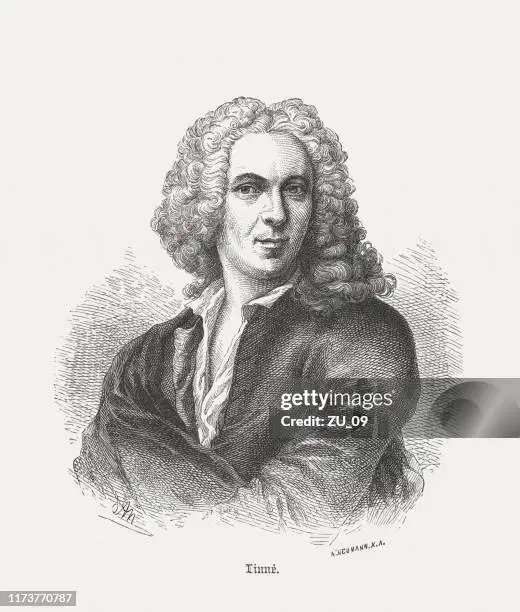
In the 1750s, the Swedish naturalist ________________ devised a system of naming organisms that is still used today.
Antoni van Leeuwenhoek
Gregor Mendel
Robert Hooke
Carl Linnaeus

The word _________ means "two names."
homologous
binomial
diploid
taxonomy

Common names for Marmota monax include ___________ . (multiple answers possible)
woodchuck
whistlepig
muskrat
groundhog
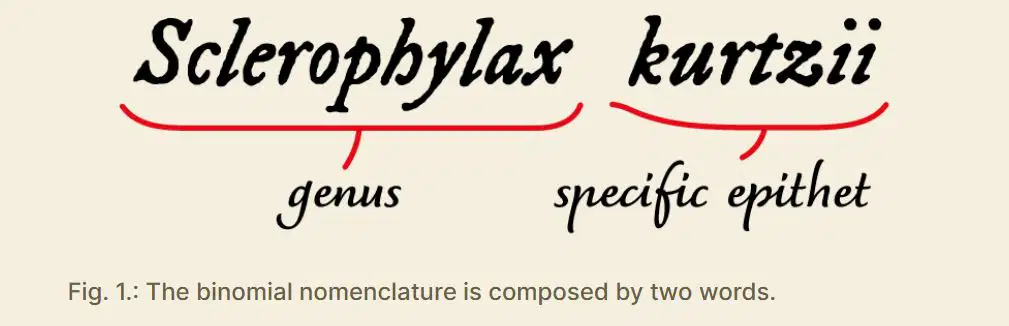
The second word of a scientific name is the _____________ .
subspecies
genus
species
species epithet
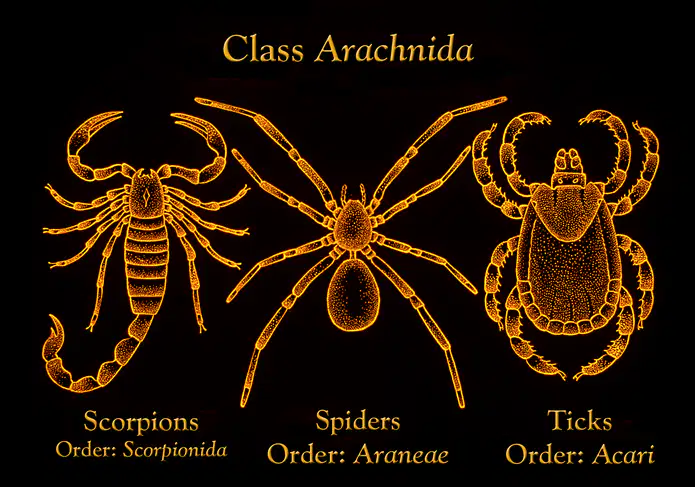
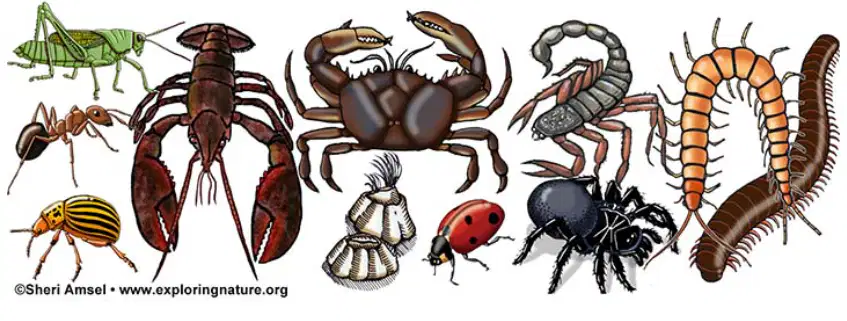
According to the image, tarantulas and scorpions all share the same ___________ .
order
family
class
species
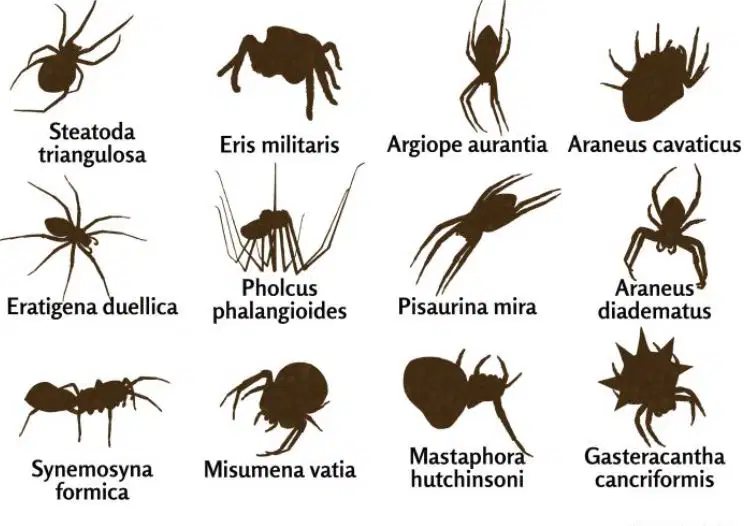
All of the following are correct when writing a scientific name EXCEPT __________ .
underline the genus name only
genus name is capitalized
name is spelled correctly
species epithet is lowercase
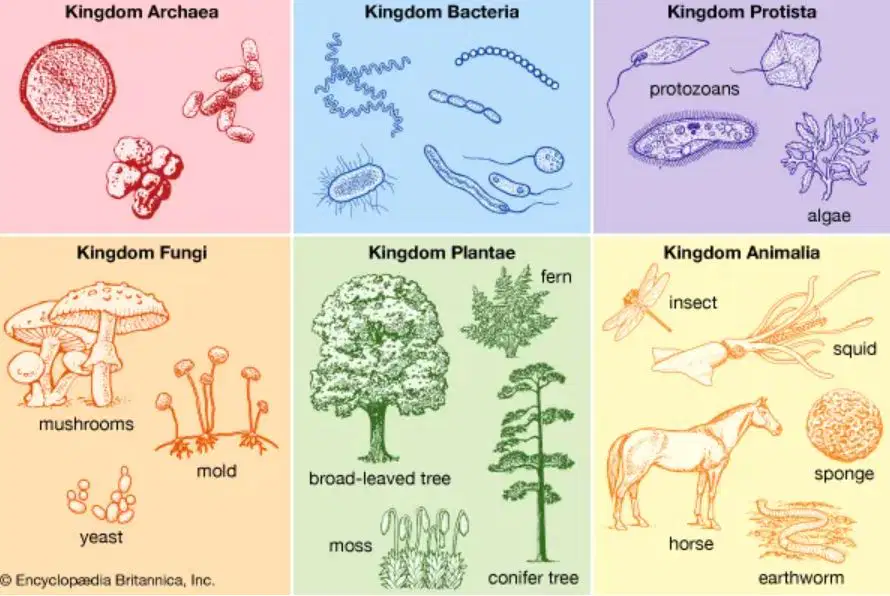
To which kingdom do clams, chameleons, and capybaras belong?
Bacteria
Protista
Animalia
Plantae

All birds belong to Class Aves. Therefore, they are all in the same ____________ . (multiple answers possible)
family
genus
domain
phylum
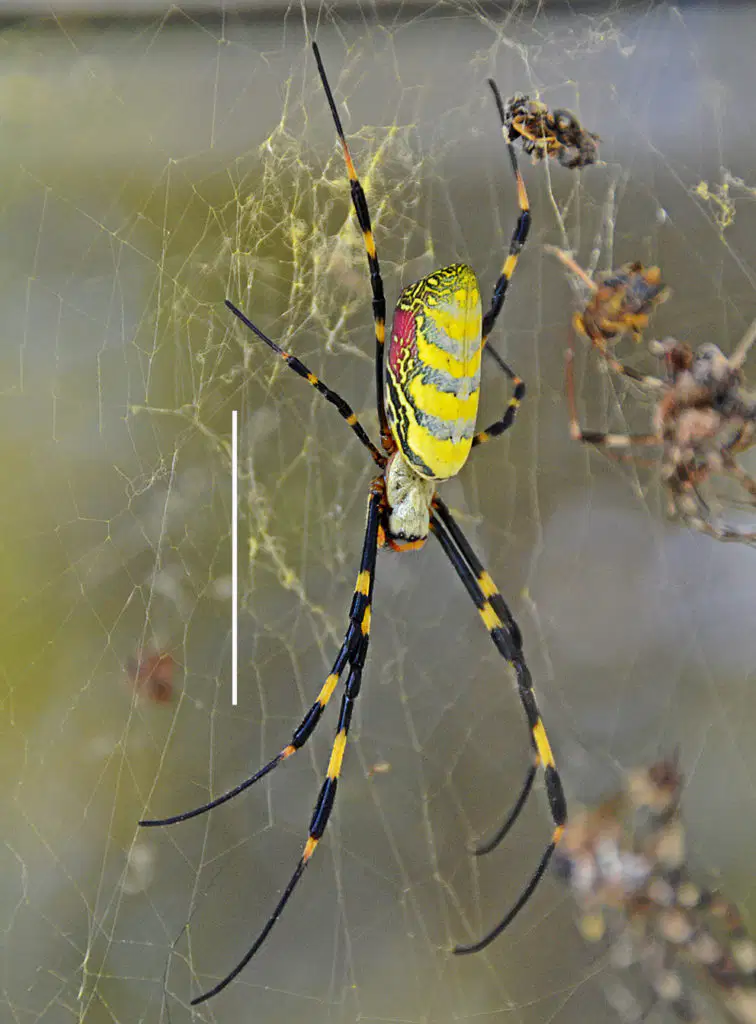
The correct scientific name for the Joro spider is ___________ .
Trichonephila Clavata
trichonephila clavata
Trichonephila clavata
Trichonephila clavata
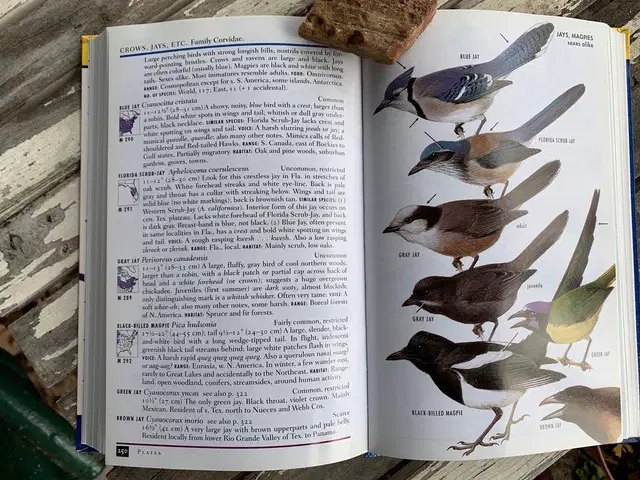
What is the name for a book with illustrations that highlights the differences between similar-looking organisms?
bibliograph
field guide
taxonomic key
phylogenetic tree

A dichotomous key is a useful tool for _____________ organisms.
recording
identifying
observing
locating
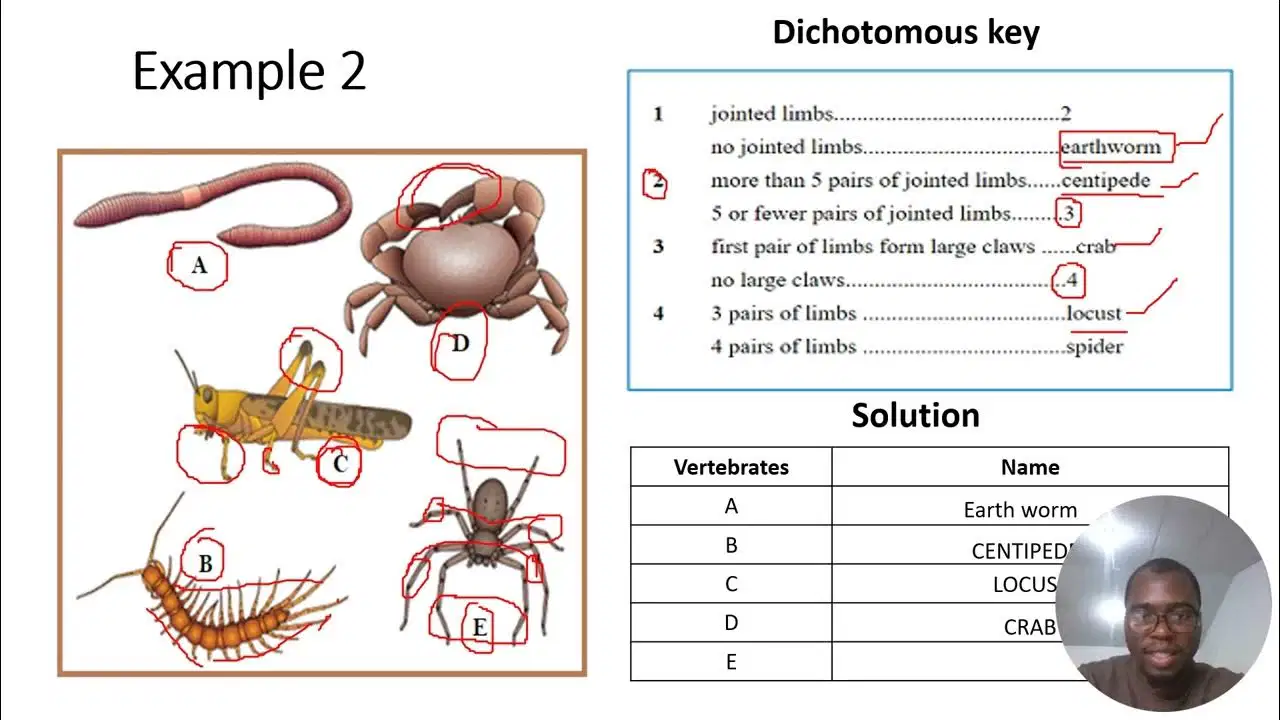
Each step of a dichotomous key offers __________ choices.
many
three
two
twelve

The scientific name for humans is _________ .
Pan paniscus
Homo sapiens
Pan troglodytes
Hylobates moloch
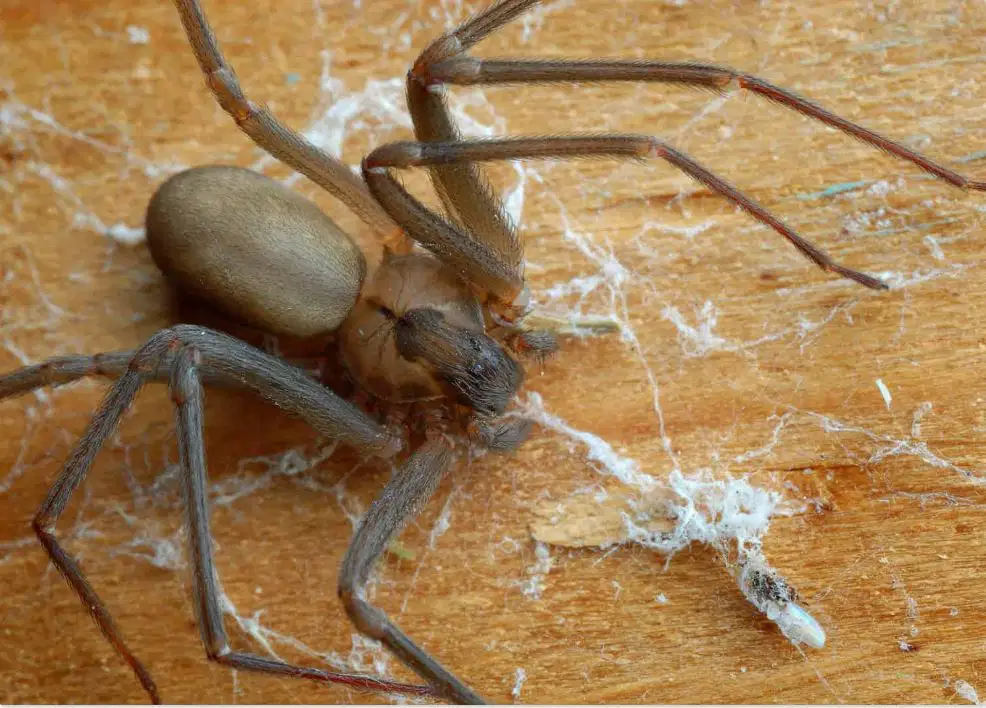
The brown recluse spider has the binomial name Loxosceles reclusa. To which genus does it belong?
reclusa
Arachnida
Loxosceles
Arthropoda
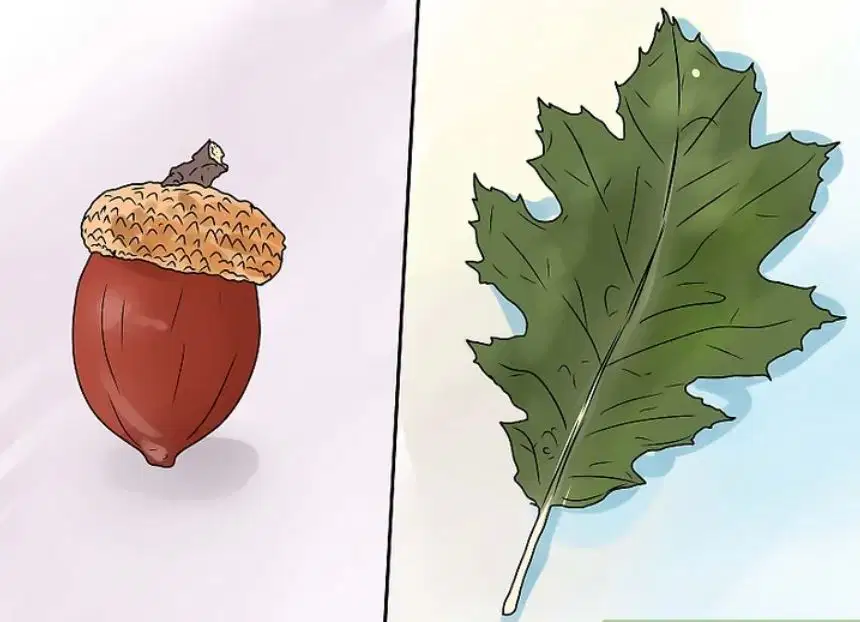
Which of the following is true of Quercus rubra? (multiple answers possible)
It is an oak tree
It is a pine tree
It produces acorns
It is the White Oak
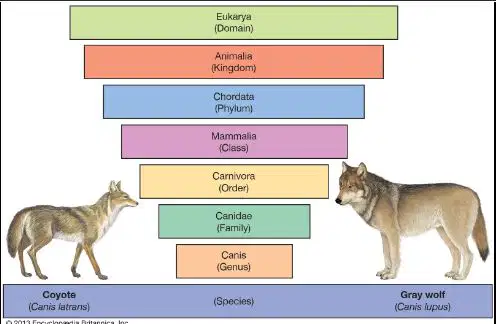
What is the taxonomic level that ranks below kingdom and above class?
domain
family
phylum
order
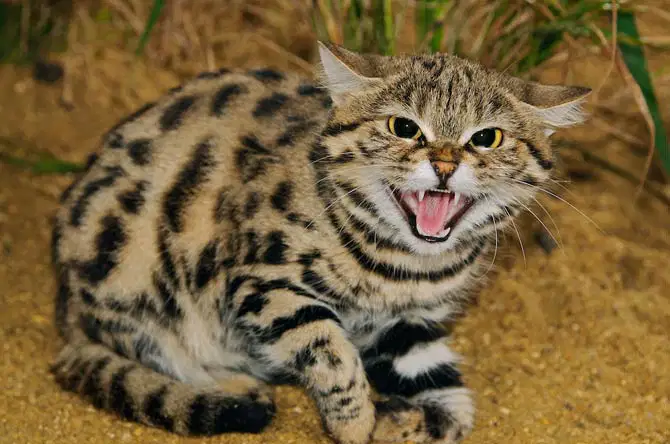
The black-footed cat (Felis nigripes) belongs to the cat family __________ .
Carnivora
Felis
Felidae
Animalia
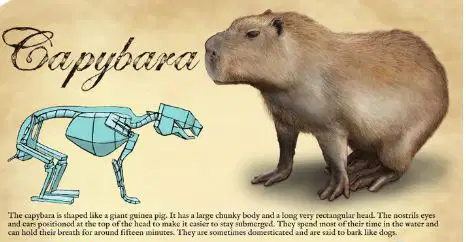
Capybaras belong to the kingdom ____________ and the phylum ____________.
Eukarya - Rodentia
Fungi - Ascomycetes
Animalia - Chordata
Protista - Mammalia
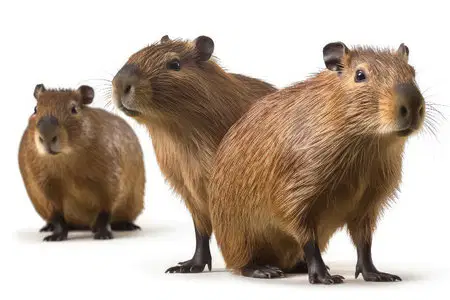
Capybaras belong to the order ____________ , that includes gnawing mammals with chisel-like incisors.
Cetacea
Rodentia
Insectivora
Carnivora

The species epithet for Maratus nemo is ___________ .
nemo
spiders
orange and white
Maratus

Maratus griseus is named for ___________ .
where it was discovered
the biologist who discovered it
its diet
its gray color

Maratus nimbus and all of the peacock spiders belong to the genus ____________ .
Arachnida
Maratus
Araneae
nimbus
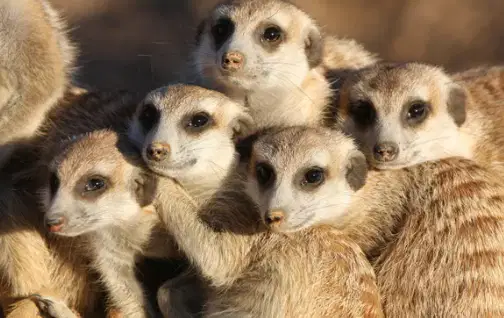
A _________ is a group of similar organisms that can mate with each other and produce _________ offspring.
family - healthy
species - similar
genus - related
species - fertile
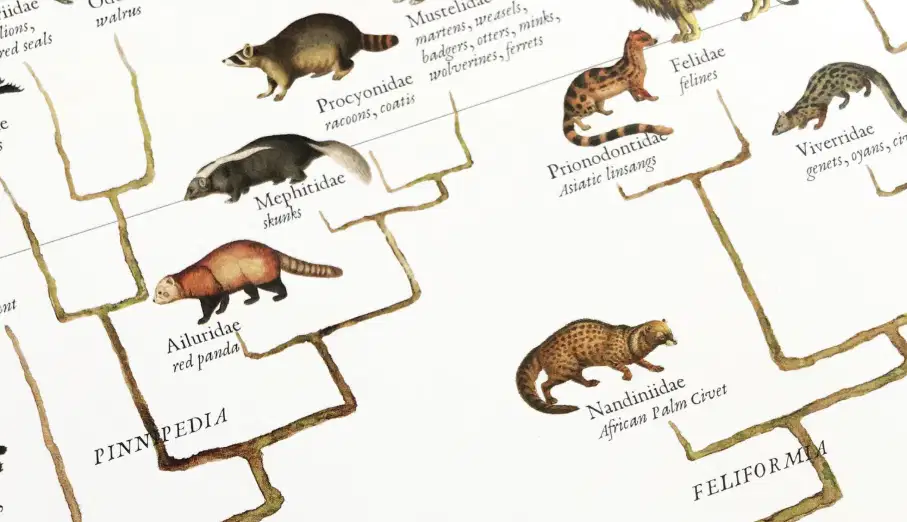
Look carefully at the pictured phylogenetic tree. Which mammal is least related to the others?
red panda
African palm civet
skunk
raccoon

