
 Worksheets
Unit 5 - Body Systems 1
Total questions: 70
Worksheet time: 1hrs 11mins
Name
Class
Date
1.
The heart has ___ chambers.
a)
1
b)
2
c)
3
d)
4
2.
The aorta is the largest artery in the body. The blood leaving the aorta is full of?
a)
Oxygen
b)
Carbon Dioxide
c)
White blood Cells
d)
Potassium
3.
Thin-walled vessels that allow for the exchange of O2 , CO2, nutrients and wastes between blood cells or air sacs in the lungs
a)
Arteries
b)
Veins
c)
Capillaries
4.

What does Deoxygenated mean?
a)
Oxygen-rich
b)
Blood flow
c)
Oxygen-poor
d)
Water Flow
5.

A flap of tissue that prevents blood from flowing backward
a)
Aorta
b)
Atrium
c)
Septum
d)
Valve
6.
Compared to arteries, veins
a)
have a pleated endothelium.
b)
have thinner walls.
c)
have more smooth muscle in their tunica media.
d)
hold their shape better when cut.
7.
Carry blood away from heart; mostly oxygen-rich
a)
Arteries
b)
Veins
c)
Capillaries
8.
Which type of blood vessel has the thickest layer of smooth muscle in its walls?
a)
Arteries
b)
Veins
c)
Capillaries
d)
Ventricles
9.
Which is the correct definition of the Circulatory system?
a)
The system fights disease so the body stays healthy.
b)
The system that circulates blood and oxygen through the body, consisting of the heart,blood vessels,and blood.
c)
Breaks down food into smaller pieces and absorbs those nutrients into the body.
d)
Provides shape and structure for the body.
10.
What function does the heart do?
a)
Protects organs and produces red blood cells.
b)
Generates heat.
c)
Breaks down food into nutrients.
d)
The heart is a pump, which moves the blood. The arteries and veins are the pipes where the blood flows.
11.
What is the main function of the artery?
a)
It controls your brain and your thought process.
b)
They carry oxygen- poor blood BACK to the heart.
c)
Arteries carry oxygen- rich blood AWAY from the heart.
d)
It receives information (senses) and sends messages to the body about how to react to things.
12.
Which is NOT a function of the circulatory system?
a)
deliver O2 and nutrients to cells
b)
remove CO2 and wastes from cells
c)
break down carbohydrates into glucose
d)
transport other materials through body
13.
Structure(s) that keep the blood flowing in one direction.
a)
Valve(s)
b)
Septum(s)
c)
Neuron(s)
d)
Bronchiole(s)
14.
arteries, veins, and capillaries are three types of __________
a)
heart valves
b)
blood vessels
c)
cells
d)
veins
15.

What do Red-Blood cells do?
a)
Carry oxygen from the lungs to the body cells and transport carbon dioxide from the cells back to the lungs
b)
keeps blood flowing in one direction to the heart and prevent blood from flowing backwards
c)
Collects blood from the capillaries and drain it into the veins
d)
Bring nutriients to the cells and carries away waste materials.
16.

What does blood do?
a)
Carries Water to cells
b)
Carries Oxygen to cells
c)
Carries Food to cells
d)
All of the above
17.

What does blood transport?
a)
Oxygen
b)
All of the answers provided are transported in blood
c)
wastes
d)
nutrients
18.

What are the components of blood?
a)
Plasma, Red blood, cells, white blood cells, and platelets.
b)
Oxygen and nutrients.
c)
Minerals
d)
Water
19.
Through which vessel does gas exchange happen?
a)
artery
b)
vein
c)
capillaries
d)
liver
20.

What is something both the arteries and veins do?
a)
Transport Blood
b)
have thicker walls
c)
Bring blood away from the heart
d)
Study for Science tests
21.
These blood vessels allow for the diffusion of substance across their membranes.
a)
veins
b)
platelets
c)
ventricles
d)
capillaries
22.
Solid part of the blood that contains hemoglobin and helps carry out oxygen.
a)
atria
b)
white blood cells
c)
red blood cells
d)
platelets
23.
The little air sacs in the lungs that are covered by blood capillaries.
a)
veins
b)
aveoli
c)
platelets
d)
plasma
24.
The circulatory system is made up of..
a)
heart, blood, capillaries
b)
heart, blood, plasma
c)
heart, blood, blood vessels
d)
Heart, blood, lungs
25.
Platelets
a)
help fight disease
b)
take up oxygen and deliver to cells
c)
help form blood clots
d)
help carries nutrients
26.
The liquid portion of the blood is referred to as:
a)
Plasma
b)
Erythrocytes
c)
Water
d)
Leukocytes
27.
Sally has a blood vessel that is blocked in her brain due to atherosclerosis. She is having difficulty speaking and left sided weakness. She is experiencing a
a)
myocardial infarction
b)
stroke
c)
hypoglycemic attack
d)
hypotensive attack
28.
Which of the following factors would most directly affect blood flow through the circulatory system?
a)
blood pressure
b)
blood sugar
c)
respiratory rate
d)
outside temperature
29.
Inhale!!!!
Your lungs are ___________ air
Your lungs are ___________ air
a)
taking in
b)
letting out
30.
EXHALE!!!
My lungs are __________________ air.
My lungs are __________________ air.
a)
taking in
b)
letting out
31.
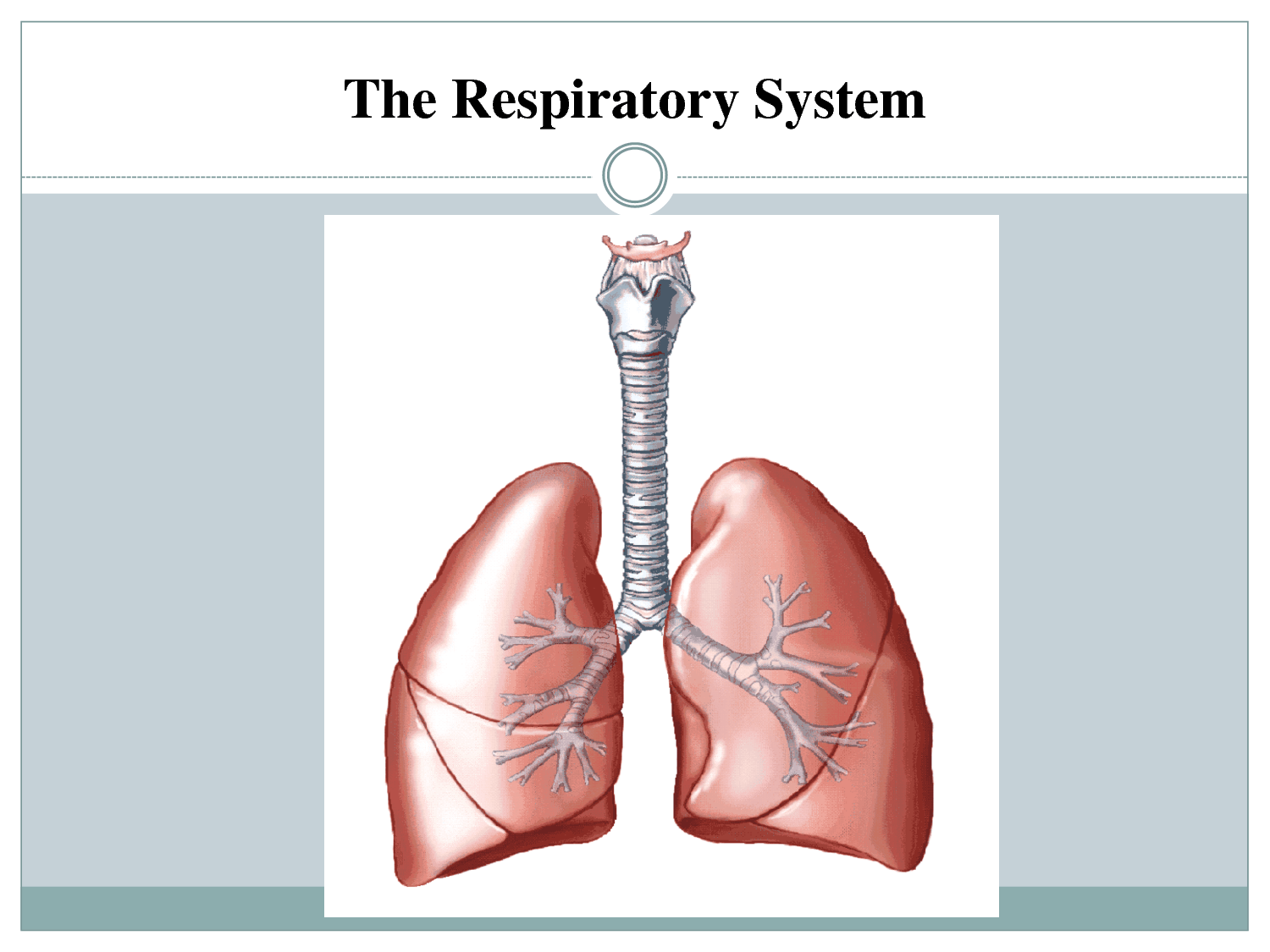
What is the main function of the respiratory system?
a)
to provide oxygen and remove carbon dioxide from the body
b)
to bring oxygen to the body
c)
to break down food and absorb nutrients
d)
to remove oxygen from the body and deliver carbon dioxide
32.
What are the main organs of gas exchange in the respiratory system?
a)
diapragm
b)
lungs
c)
trachea
d)
bronchi
33.
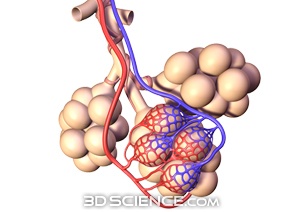
When you breathe, your lungs take in ___ and remove ___.
a)
air/oxygen
b)
oxygen/carbon dioxide
c)
carbon dioxide/waste
d)
waste/air
34.
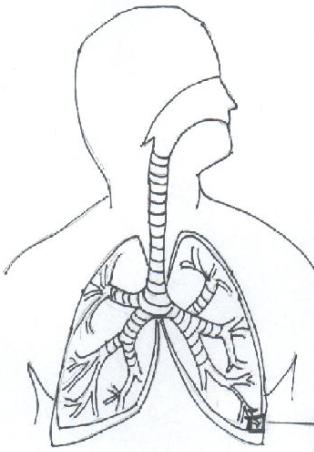
What is the function of the bronchi?
a)
Transport air from nose to lungs
b)
Transport air from trachea to lungs
c)
Transport air from lungs to alveoli
d)
Transport air from alveoli to blood
35.
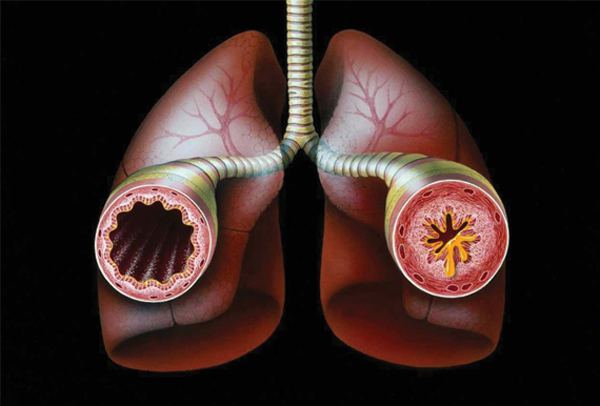
A disorder of the lungs called ____ causes the bronchi to become restricted (get smaller) so air can't get to the lungs.
a)
asthma
b)
cold
c)
influenza
d)
bronchitis
36.
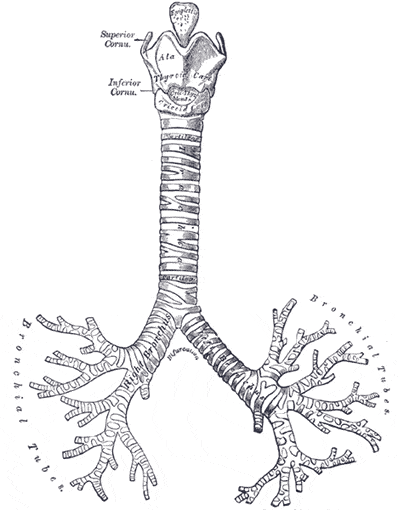
The two main branches from the trachea (one to each lung)
a)
bronchi
b)
alveoli
c)
capillaries
d)
bronchioles
37.
How is carbon dioxide released from the body?
a)
When we exhale
b)
When we urinate
c)
When we sweat
d)
When we inhale
38.
What does the cilia do in the respiratory syestem ?
a)
The cilia carries food and air through the respiratory system.
b)
The cilia is known to be part of a cell.
c)
Cilia filters particles that enter the nose.
d)
Cilia contains the vocal chords.
39.
The process by which the body breaks down food so that it can be used for energy.
a)
composition
b)
digestion
c)
deposition
d)
absorption
40.
A fluid in the mouth that helps digest food.
a)
pepsin
b)
pepsi
c)
saliva
d)
salty
41.

a)
esophagus
b)
liver
c)
stomach
d)
pancreas
42.

a)
stomach
b)
pancreas
c)
large intestine
d)
small intestine
43.

The chewing and grinding of food into smaller pieces is an example of...
a)
Mechanical Digestion
b)
Chemical Digestion
44.
Gastric juices in the stomach digest food into a thick liquid. This is...
a)
Mechanical digestion
b)
Chemical digestion
45.
Where does digestion begin?
a)
Our teeth
b)
Our stomach
c)
The esophogus
d)
Small intestines
46.
What is the definition for digestion?
a)
Breaking down food into smaller nutrients
b)
Getting rid of waste products
c)
Getting food into our bodies
d)
Getting nutrients into our bloodstream, so that our cells can use them
47.
The muscular tube that moves food from the mouth to the stomach?
a)
esophagus
b)
small intestine
c)
stomach
d)
mouth
48.
The organ where food doesn't pass through but it does break down fats and detoxify poisons?
a)
liver
b)
small intestine
c)
stomach
d)
large intestine
49.
Enzymes and acids are examples of
a)
mechanical digestion
b)
chemical digestion
50.
Chewing, grinding, and churning are examples of...
a)
mechanical digestion
b)
chemical digestion
51.
What do the villi do?
a)
Digests food in the mouth.
b)
Digests food in the stomach
c)
Protects the stomach from digesting iteself
d)
Absorbs nutrients from food so the body has energy.
52.

Nutrients from digested food are absorbed in which digestive organ?
a)
Small Intestine
b)
Stomach
c)
Large Intestine
d)
Gallbladder
53.
Which body system gets ride of solid waste?
a)
Excretory (Urinary)
b)
Digestive
c)
Circulatory
d)
Respiratory
54.

As waste moves through the digestive system, the ______ absorbs water before storing waste in the rectum.
a)
Small intestine
b)
Stomach
c)
Esophagus
d)
Large intestine
55.
Which is NOT a function of the Digestive System?
a)
To rid the body of solid waste
b)
Absorb nutrients for energy & growth
c)
Break down nutrients from food
d)
Pump blood around the body
56.

Muscle contraction that keep food moving alone in one direction through the digestive system.
a)
epiglottis
b)
nephrons
c)
peristalsis
d)
enzymes
57.

Tiny finger-shaped structure that cover the inner surface of the small intestine.
a)
nephrons
b)
enzymes
c)
epiglottis
d)
villi
58.
What is the main function of the excretory system?
a)
to collect and remove wastes from the body
b)
to strengthen skeletal muscles
c)
to protect the nervous system
d)
to bring oxygen to body cells
59.
Which organ of the excretory system stores urine until the body is ready to eliminate it?
a)
ureters
b)
urethra
c)
urinary bladder
d)
urea
60.
Tiny filtering structures where urine is produced in the kidneys are called
a)
ureters.
b)
alveoli.
c)
nephrons.
d)
bronchi.
61.
Under normal conditions, which of the following substances is found in urine?
a)
blood cells
b)
protein
c)
glucose
d)
urea
62.
Which excretory organ eliminates water and some chemical wastes in perspiration?
a)
lungs
b)
skin
c)
liver
d)
kidneys
63.
What term do scientists use to describe the chemical process in which oxygen and glucose react to release energy inside body cells?
a)
respiration
b)
exhaling
c)
breathing
d)
inhaling
64.
What function do the kidneys perform?
a)
eliminate carbon dioxide
b)
supply oxygen to body cells
c)
remove urea and excess water
d)
play a role in gas exchange
65.
The process of removal of the body’s wastes is called
a)
gas exchange.
b)
respiration.
c)
excretion.
d)
filtration.
66.
The excretory system rids the body of ______ waste.
a)
solid
b)
liquid
67.
What is the main function of the excretory system?
a)
to collect and remove wastes from the body
b)
to strengthen skeletal muscles
c)
to protect the nervous system
d)
to bring oxygen to body cells
68.
Which sequence represents the correct pathway for the removal of urine from the human body?
a)
kidney → ureter → urinary bladder → urethra
b)
kidney → urethra → urinary bladder → ureter
c)
ureter → kidney → urinary bladder → urethra
d)
urethra → kidney → urinary bladder → ureter
69.
In humans, which substances are normally filtered out of the blood by the nephrons and then excreted?
a)
water, carbon dioxide, and glucose
b)
urea, water, and mineral salts
c)
water, glycogen, and urea
d)
glucose, water, and red blood cells
70.
Homeostasis
a)
allows for a wildly fluctuating internal environment
b)
is impossible in vertebrates
c)
is the maintenance of a relatively stable internal environment and often incorporates a form of feedback regulation
d)
is the maintenance of a relatively stable external environment and often incorporates a form of feedback regulation
100 %

