
 Worksheets
Populations and Ecosystems
Total questions: 70
Worksheet time: 2hrs 52mins
An example of a population is (a)
A group of different species that live together and interact in an environment are called a/an (a) .

The average number of people per square mile (a)

In a forest ecosystem, which of the following is the best example of a limiting factor for a rabbit population?
Squirrel Population
Sunlight
Grass available
Fungi growth
foxes


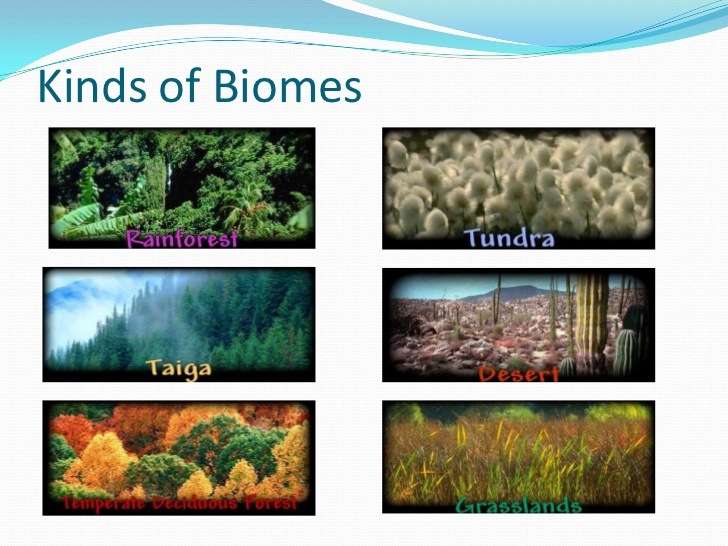
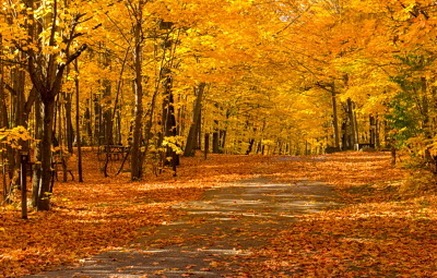
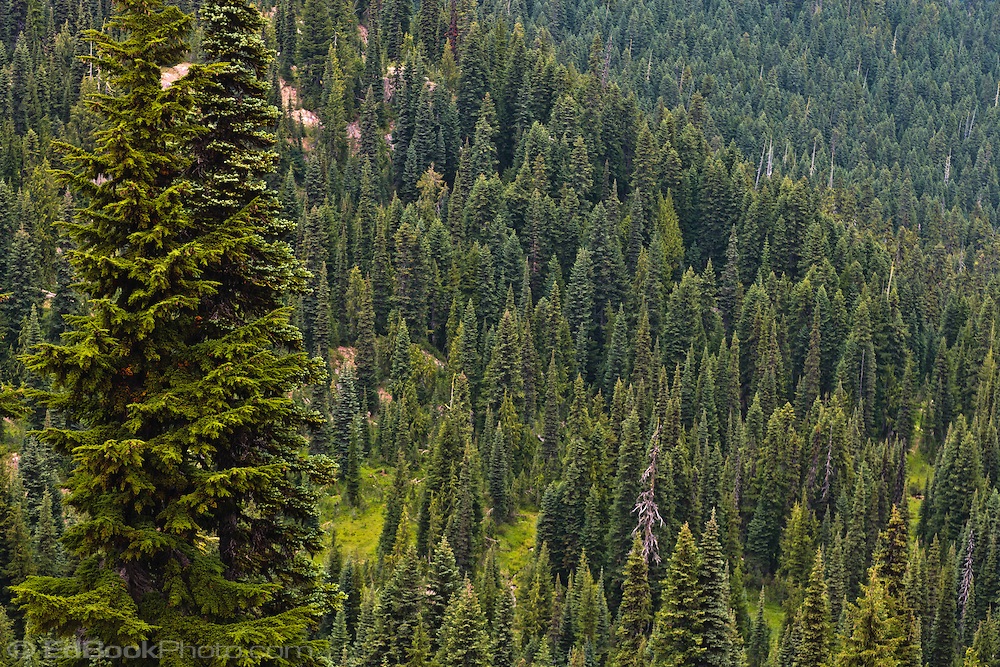
Which biome has evergreen trees (which don't lose their leaves)?
Taiga
Temperate Forest
Tundra
Grasslands
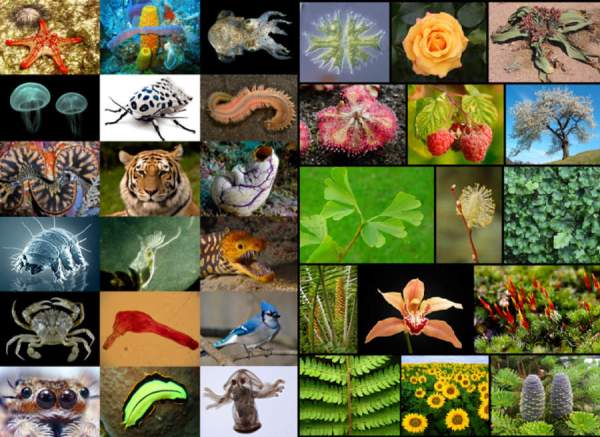

Is wind a biotic or abiotic factor?
biotic
abiotic

Is soil a biotic or abiotic factor?
biotic
abiotic

Is pH a biotic or abiotic factor?
biotic
abiotic

Is disease a biotic or abiotic factor?
biotic
abiotic

Is sunlight a biotic or abiotic factor?
biotic
abiotic
Abiotic factors are ___________.
non-living parts of an ecosystem
living parts of an ecosystem
things that once were alive, but now are dead
not important parts of ecosystems.
Biotic factors are ___________.
non-living parts of an ecosystem
living parts of an ecosystem
things that once were alive, but now are dead
not important parts of ecosystems.
An ecosystem is made up of __________.
living things only
non-living things only
both living and non-living things
T/F: Abiotic factors are an unimportant part of ecosystems.
true
false
What does the word root 'bio-' mean?
living
dead
science
study
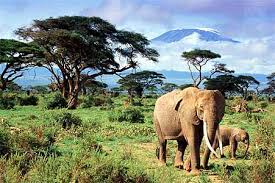

An individual living things,such as animals or a plants,is called an
Animal
plant
Organism
Nutrition
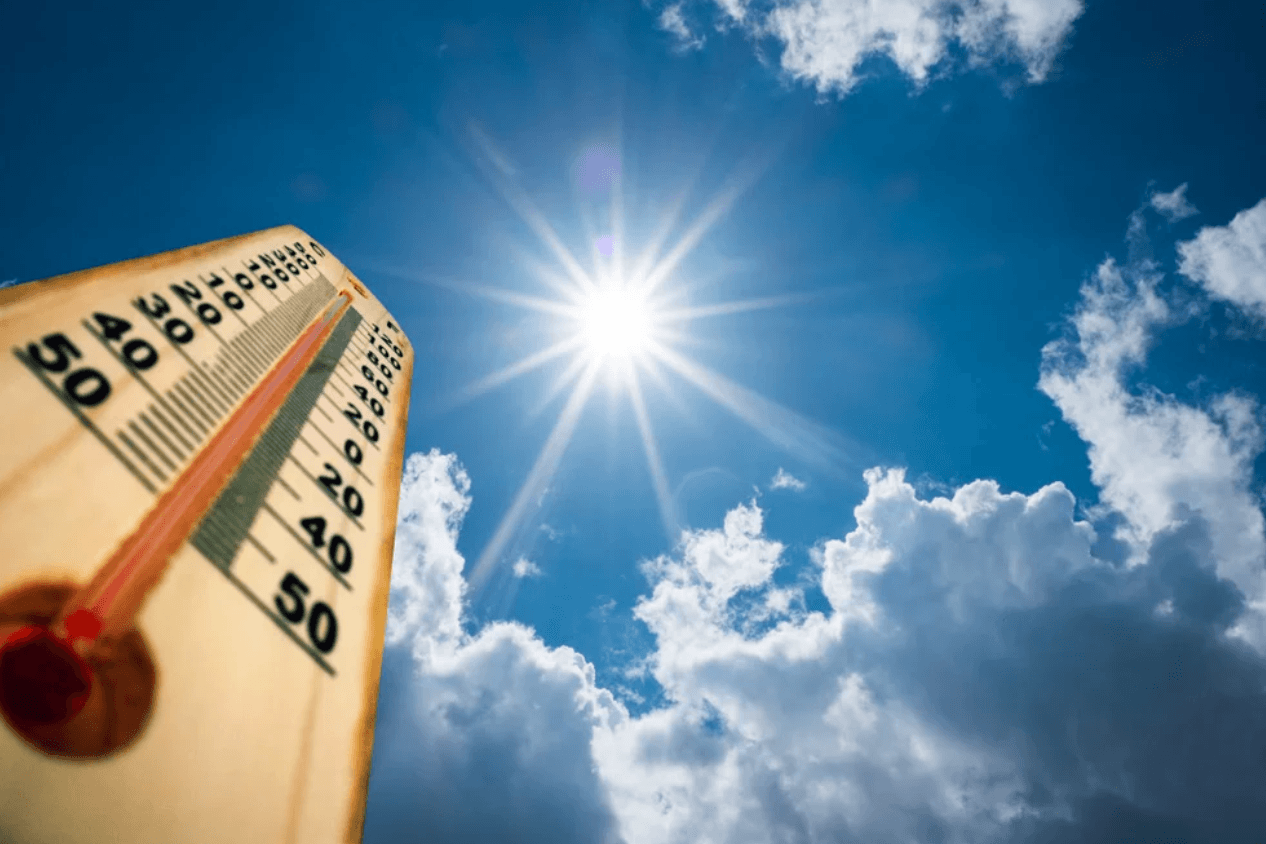
Temperature
Biotic (living)
Abiotic (non-Living)
All the living things in an ecosystem are called ______________________ factors.
Ecosystem
Environment
Biotic
Abiotic
Which of the following is NOT a biotic factor?
Coyote
air
elephant
Fungi are
Biotic factors
Abiotic factors

Which statement BEST explains the flow of energy as it moves through the different levels?
Energy decreases as it is lost as heat to the environment.
Energy increases as it is gained from the environment.
Energy is unavailable because it is used up by the organisms at Level 1.
Energy is transferred as it is produced by organisms in the next level.
What impact do resources, such as sunlight and water, have on a forest ecosystem?
They limit the carrying capacity of the ecosystem.
They increase habitat areas for new organisms entering the ecosystem.
They decrease the number of diseases resulting from overpopulation.
They alter the rate of photosynthesis, resulting in more oxygen being produced.
A relationship that describes a close interaction between two different species is known as what?
Biodiversity
Population
Symbiosis
Emigration
Which best describes mutualism?
Ticks live and feed on dogs and other animals’ blood to survive.
Mushrooms send out long, underground structures which allow them to grow in other areas.
Ants attack animals that try to feed on the acacia tree, and the ants feed on the nectar of the tree.

The cycling of materials such as carbon, water, and other nutrients are mainly dependent upon soil-dwelling organisms. Use this image to answer questions. Which pair of organisms shown are decomposers?
Fungi and Bacteria
Bacteria and Grass
Fungi and Mice
Mice and Grass
Which is most likely to be a primary consumer?
herbivore
carnivore
omnivore
multivore

Many different organisms live in Amanda’s garden. The diagram shows a simple food web of some of the organisms in her garden. Predation helps maintain the stability of an ecosystem. Which statement BEST describes how this garden ecosystem can benefit from the presence of snakes?
The snakes provide an energy source for the moles.
The snakes consume the mice best adapted to their environment.
The snakes eat moles, which allows the population of mice to increase.
The snakes keep the mice from overpopulating, which could deplete plant resources.
Mutualism, commensalism, and parasitism are examples of
competition
symbiotic relationships
prey adaptations
predation
An organism's particular role or job is its
ecosystem
limiting factor
niche
adaptation
Behaviors that allow species to live successfully in their environment are called
biotic factors
habitats
adaptations
limiting factors
If an organism is living inside another and causing it harm, it is an example
mutualism
commensalism
parasitism
If two organisms benefit from a relationship, it is called
mutualism
commensalism
parasitism
If two organisms have a relationship in which only one benefits, it is an example of
mutualism
commensalism
parasitism
The struggle between organisms to survive in a habitat with limited resources is called
competition
predation
symbiosis
parasitism

Put this food chain in the correct order
Grass
Rabbit
Snake
Hawk
Match the trophic level with the producer/consumer
Trophic Level 1
Energy producer
Trophic Level 2
Primary Consumer
Trophic Level 3
Secondary Consumer
Trophic Level 4
Tertiary Consumer
Trophic Level 5
Apex Predator
How much energy is passed along every trophic level increase?
50%
25%
100%
10%
A field mouse gains 100Kcal of energy from eating berries; how many of these Kcal will transfer to a fox if it eats the mouse?
Which of the following is defined as a consumer that must get its food from a different source than itself?
Producer
Heterotroph
Autotroph
Homotroph

Match the following:
Producer/Autotroph
Plant
Secondary Consumer
Bird
Tertiary Consumer
Snake
Apex Predator
Owl
Herbivore
Grasshopper

If there is 2000 kcal (units) of energy at the producer level in this particular ecosystem, how many kcal of energy will be available for hawk?
2000 kcal
200 kcal
20 kcal
2 kcal
0.2 kcal


