wayground logo

Free Printable Worksheets

NEW

Font size

S
M
L
XL
Worksheets

7th Grade 1st Semester Review

Total questions: 74

Worksheet time: 2hrs 30mins

Name
Class
Date
1.
A __________ includes all living and non-living things in an environment. 
a)
population
b)
niche
c)
abitotic
d)
ecosystem
2.
If the population of prey increases, the population of predators will ________because of the availability of food.
a)
decrease
b)
stay the same
c)
increase
3.
Examples of how humans negatively affect local ecosystems are
a)
Building dams, deforestation (cutting down trees), adding point sources to nearby streams to allow for run-off, building roads and structures, and salting roads.
b)
Creating laws to prohibit fishing from local streams.
c)
Planting trees and other plants to attract native species.
d)
Removing non-native species from the environment.
4.
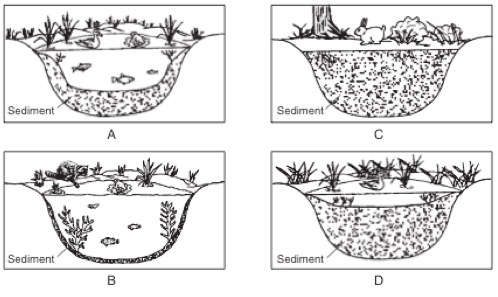
What is the order of succession shown in this figure?
a)
A, B, C, D
b)
B, A, D, C
c)
C, D, A, B
d)
D, A, B, C
5.
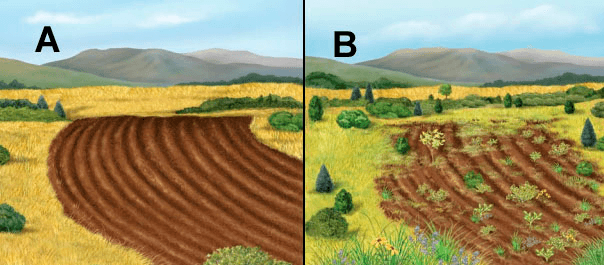
What type of succession is shown going from figure A to figure B?
a)
primary succession
b)
ecological succession
c)
secondary succession
d)
intermediate
6.
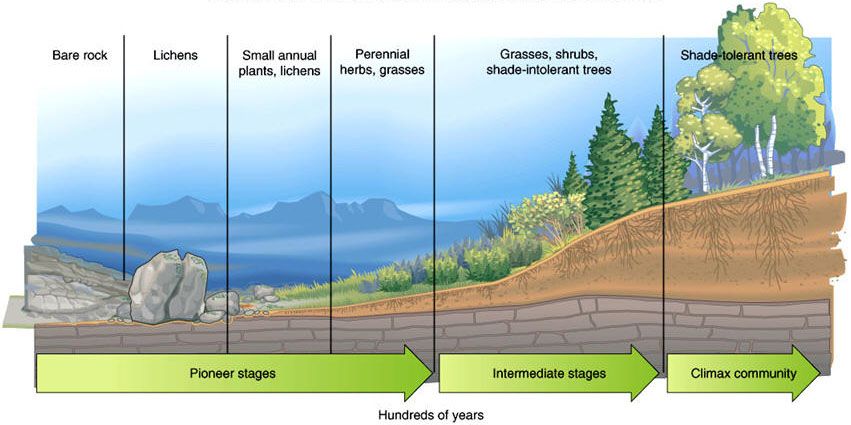
What is the goal of the pioneer species in Primary Succession?
a)
To kill the dead materials after a disaster
b)
To rebuild soil
c)
To feed Johnny
d)
To put fresh oxygen into the air
7.
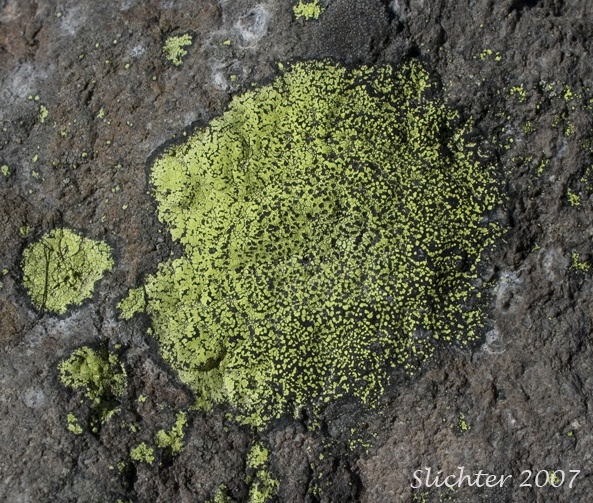
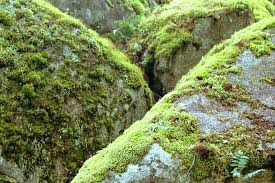
The picture shows what type of succession?
a)
primary
b)
secondary
c)
tertiary
d)
quadanary
8.
What is the name given to lichen or algae after a primary succession?
a)
pioneer species
b)
volunteer species
c)
founder species
d)
conqueror species
9.
What are examples of pioneer species in a primary succession?
a)
Bushes and Shrubs
b)
Oak trees
c)
Mossess and Lichens 
d)
A rose Bush
10.
After a volcanic eruption, lava covers the land. What is the order that plants grow to repopulate the area?
a)
Lichens → Shrubs → Grasses → Trees
b)
Lichens → tree → shrubs→Grasses
c)
Grasses → Lichens → Shrubs → Trees
d)
Lichens → Grasses → Shrubs → Trees
11.
What is the correct order from oldest (happened first) to youngest (happened last) in this pond succession?
a)
A, B, C, D
b)
D, C, B, A
c)
B, A, D, C
d)
C, D, A, B
12.
Reaches a climax community quicker because soil is already present
a)
primary succession 
b)
secondary succession
c)
both types of succession
13.
Final illustration (#8) shows
a)
pioneer species
b)
climax community
c)
only biotic factors
d)
only abiotic factors
14.

the chemical breakdown of rocks by a natural process

a)

chemical weathering

b)

physical weathering

c)

erosion

d)

glacier

15.

A chemical breakdown of rocks from a natural process and that does not change the chemical composition of the rock material.

a)

chemical weathering

b)

dune

c)

glacier

d)

physical weathering

16.

A mass of material deposited in a fan shape at the mouth of a river or stream.

a)

dune

b)

delta

c)

coastline

d)

weather

17.

Differences between members of the same species are called

a)

predators.

b)

selections.

c)

traits.

d)

variations.

18.

A trait that helps an organism survive and reproduce is called a(n)

a)

mutation.

b)

selection.

c)

adaptation.

d)

variation.

19.

Which term refers to the process by which individuals that are better adapted to their environment are more likely to survive and reproduce?

a)

natural selection

b)

overproduction

c)

competition

d)

variation

20.

Darwin concluded that organisms on the Galapagos Islands

a)

had changed over time.

b)

had remained the same.

c)

were the result of selective breeding.

d)

had no variations.

21.

Which term refers to a species creating more offspring than can possibly survive?

a)

natural selection

b)

overproduction

c)

evolution

d)

variation

22.

Organisms belonging to the same ________________ can usually mate and produce fertile offspring.

a)

class

b)

order

c)

phylum

d)

species.

23.

In the process of natural selection, the organisms that are best suited to their environments are most likely to survive and _______________.

a)

eat

b)

reproduce

c)

evolve

d)

watch TV

24.

What is the major cause for air pollution?

a)

factories and cars

b)

Methane from feedlots

c)

deforestation

d)

oil spills

25.
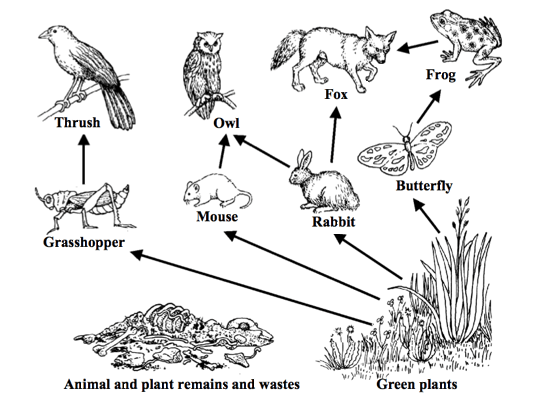
Which of the following organisms is a herbivore.
a)
butterfly
b)
snake
c)
fox
d)
ladybird
26.
The owl receives energy from which organisms?
a)
grasshopper and mouse
b)
mouse and rabbit
c)
rabbit and butterfly
d)
butterfly and frog
27.
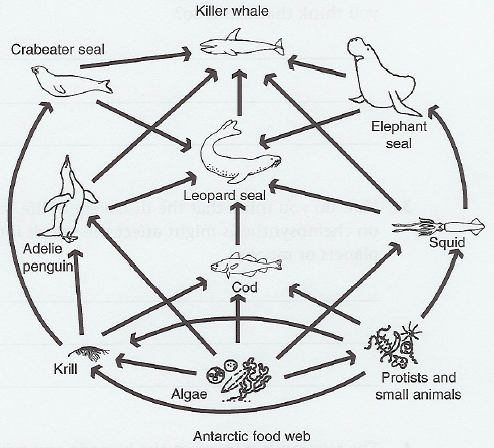
How many predators does the squid have?
a)
1
b)
2
c)
3
d)
4
28.
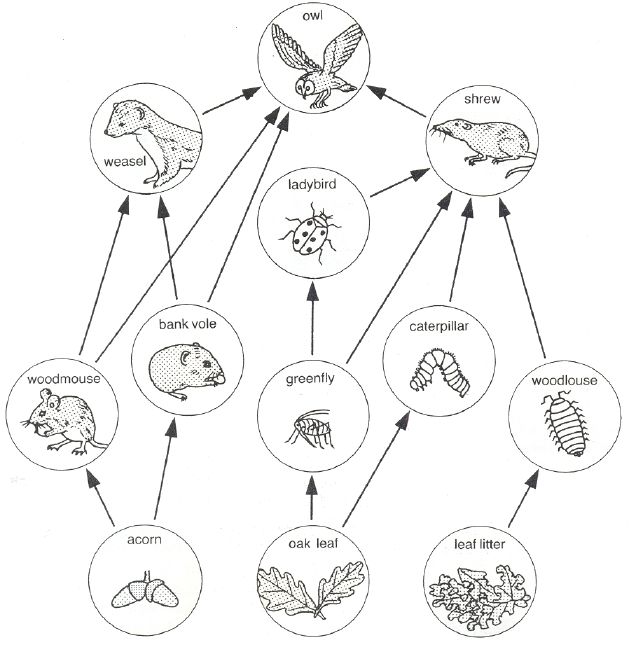
What type of consumer is the shrew?
a)
herbivore
b)
omnivore
c)
carnivore
29.
What type of consumer is the wolf?
a)
herbivore
b)
omnivore
c)
carnivore
d)
decomposer
30.
If you lived near water, what two catastrophes have the chance of occurring?
a)
Tornados and Rain
b)
Hurricanes and Floods
c)
Hurricanes and Tsunamis
d)
None of the above
31.
What is all the water that runs off the surface of the land and washes into rivers, streams, and other waterways called?
a)
Runoff
b)
Storm Drain
c)
Surface Water
d)
Tributary
32.

The use of pesticides and fertilizers must be carefully monitored

because of the effect they can have on the environment.

Which of the following is a possible negative effect of the use

of these chemicals on the environment?

a)

Runoff carries these chemicals into lakes and streams.

b)

These chemicals cannot be purchased in large bulk.

c)

These chemicals are expensive to produce.

d)

Storage space for these chemicals is limited.

33.
Why is gravity a factor in watersheds? 
a)
it causes the water to flow away from a watershed
b)
it causes the water to flow down towards a watershed
34.
A paper company wants to build a paper mill in the watershed where a village exists. In order to minimize pollution, where would be the best place to build it?
a)
at the highest point in the watershed
b)
downstream from the village
c)
closest to freshwater
d)
near a main street in the village
35.
What is it called when plants give off water vapor as a waste product?
a)
condensation
b)
evaporation
c)
sublimation
d)
transpiration
36.
Which is the opposite of condensation?
a)
runoff
b)
evaporation
c)
precipitation
d)
transpiration
37.
Which chemical that is the one of the most common on Earth changes rocks frequently?
a)
Water
b)
Vinegar
c)
Acid
d)
Alcohol
38.
Carbon dioxide (CO2) combines with water as raindrops fall through the atmosphere. This makes a weak acid, called carbonic acid. Carbonic acid is a very common in nature, where it works to dissolve rock. Pollutants, such as sulfur and nitrogen from fossil fuel burning, create sulfuric and nitric acid. Sulfuric and nitric acids are the two main components of acid rain, which speeds up chemical weathering.
This statue was probably destroyed by _____.
a)
Wind
b)
Humans
c)
Acid Rain
d)
Animals
39.
Oxidation is a chemical reaction that takes place when oxygen reacts with another element. Oxygen is very strongly chemically reactive. The most familiar type of oxidation is when iron reacts with oxygen to create rust.
Which chemical creates rust?
a)
Oxygen
b)
Carbon Dioxide
c)
Nitrogen
d)
Neon
40.
The statue of liberty is made of copper. It was originally brown but has since turned green. This is probably due to _______.
a)
Oxygen
b)
Acid Rain
c)
Carbon Dioxide
d)
Humans
41.

Oxidation is when

a)

acid rain breaks down rocks

b)

water breaks down rocks

c)

oxygen in the air reacting with iron in rocks = rocks turns a red color
42.
Survival of the Fittest and Evolution were proposed by what scientist?
a)
Charles Darwin
b)
Albert Einstein
c)
Steven Hawking
d)
Isaac Newton
43.
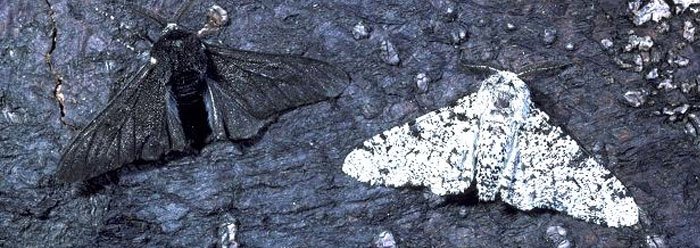
The trees these moths used to live on were white, but have been covered in soot from coal factories. Which moth will be more successful in this environment?
a)
Dark moth
b)
Light moth
c)
Both will be equally successful
d)
Neither will be successful
44.
All rabbits living in a particular area would be an example of a(n)
a)
population
b)
species
c)
fossil
d)
individual organism
45.

_________________ are the most diverse ecosystems in the world.

a)

Tropical Rain Forests

b)

Deserts

c)

Oceans

d)

Ponds

46.
What is the difference between biotic and abiotic?
a)
Biotic are non-living things
b)
Abiotic are living organisms
c)
Biotic is life,
Abiotic is non-living
d)
Biotic is non-living, Abiotic is living
47.
What does biodiversity mean?
a)
Only one species in an area.
b)
The different amount of species in an area
c)
All abiotic life
d)
Nitrogen fixation
48.
Coloring or another physical characteristic that help an organism blend in with its environment
a)
mimicry
b)
camouflage
c)
hibernation
d)
migration
49.
The seasonal movement of an organism from one place to another
a)
camouflage
b)
migration
c)
hibernation
d)
function
50.
When an organism slows its life functions for a period of time to better its chances for survival during harsh conditions
a)
camouflage
b)
migration
c)
mimicry
d)
hibernation
51.
The place or environment where an organism naturally lives
a)
function
b)
habitat
c)
community
d)
ecosystem
52.
A ___________________ is the area of land that collects runoff and channels it into a main river.
a)
rill
b)
gully
c)
stream channel
d)
watershed
53.
An underground area that holds water is called __________.
a)
Permeable
b)
Aquifer
c)
Groundwater
d)
Aeration
54.
A hole dug into an aquifer to reach groundwater is called _______________.
a)
a water table
b)
accumulation
c)
an aeration zone
d)
a well
55.
Able to allow water to pass through
a)
Accumulation
b)
Runoff
c)
Porosity
d)
Permeability
56.
Low permeability means ____________.
a)
Water can flow through easily.
b)
Water can't flow through easily.
57.
The top of the groundwater’s zone of saturation - E
a)
Zone of Aeration
b)
Aquifer
c)
Surface water
d)
Water table
58.
For a well to provide water, it must reach ___.
a)
above the water table 
b)
below the water table
c)
above an aquifer
d)
into a reservoir
59.
A dichotomous key for trees is provided. Hikers found a tree that has large brown cones and single sharp needles. What species of tree have the hikers found?
a)
Juniper
b)
Pine
c)
Spruce
d)
Fir
60.
A table of arachnid and insect characteristics is shown. Which characteristic could be used to distinguish between
arachnids and insects?
a)
Jointed legs
b)
Body segments
c)
Presence of eyes
d)
Presence of antennae
61.
What step do we always start with when using dichotomous keys?
a)
1
b)
2
c)
3
d)
4
62.
When using a dichotomous key to identify organisms, what do we look at?
a)
physical features
b)
weather patterns
c)
environment
d)
diet
63.
A student discovers an arachnid with a segmented abdomen, long legs, and a tail with no stinger. The student uses the dichotomous key below to identify it. Which arachnid has the student found?
a)
Whip Scorpion
b)
Wind Scorpion
c)
Daddy long legs
d)
Scorpion
64.

Pro means no___________

a)

no nucleus, no membrane bound organelles

b)

cells

65.

Sexual reproduction

a)

2 parents

b)

1 parent

66.

Autotrophic

a)

eat others for food

b)

make their own food

67.

Heterotrophic

a)

Eat others for food

b)

Make their own fodd

68.

Protists

a)

algae

b)

animals

69.

Fungi

a)

trees

b)

mushrooms

70.
How many Kingdoms are organisms classified into?
a)
4
b)
6
c)
8
d)
10
71.
How many Domains are there?
a)
1
b)
5
c)
4
d)
3
72.
Archaea bacteria is
a)
known to live in extreme environments such as deep thermal vents
b)
doesn't exist
c)
known to live in regular (every day) environments
73.
Which cell contains a nucleus?
a)
prokaryotic cell
b)
Eukaryotic cell
74.
Genetic differences between organisms of the same species
a)
Variation
b)
Adaptation
c)
Behavior
d)
Environment