wayground logo

Free Printable Worksheets

Font size

S
M
L
XL
Worksheets

Unit 7 Test

Total questions: 71

Worksheet time: 5hrs 34mins

Name
Class
Date
1.

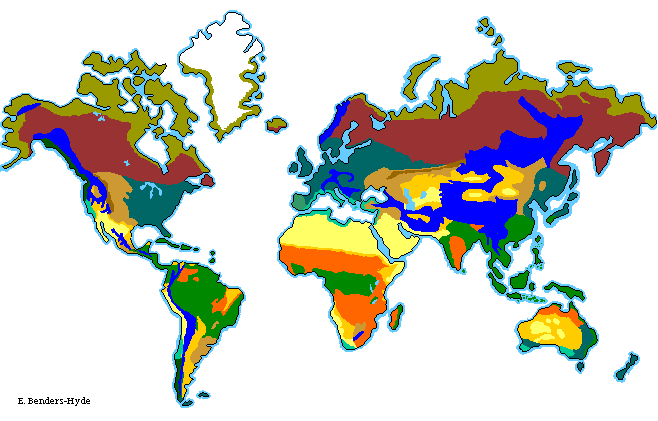
Biomes are mainly determined by _____ and ____.

a)

temperature

b)

weather

c)

precipitation

d)

soil

e)

rocks

2.

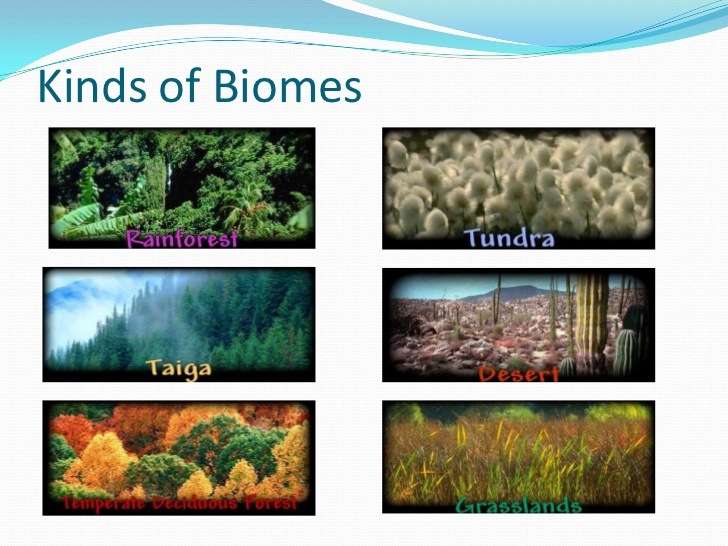
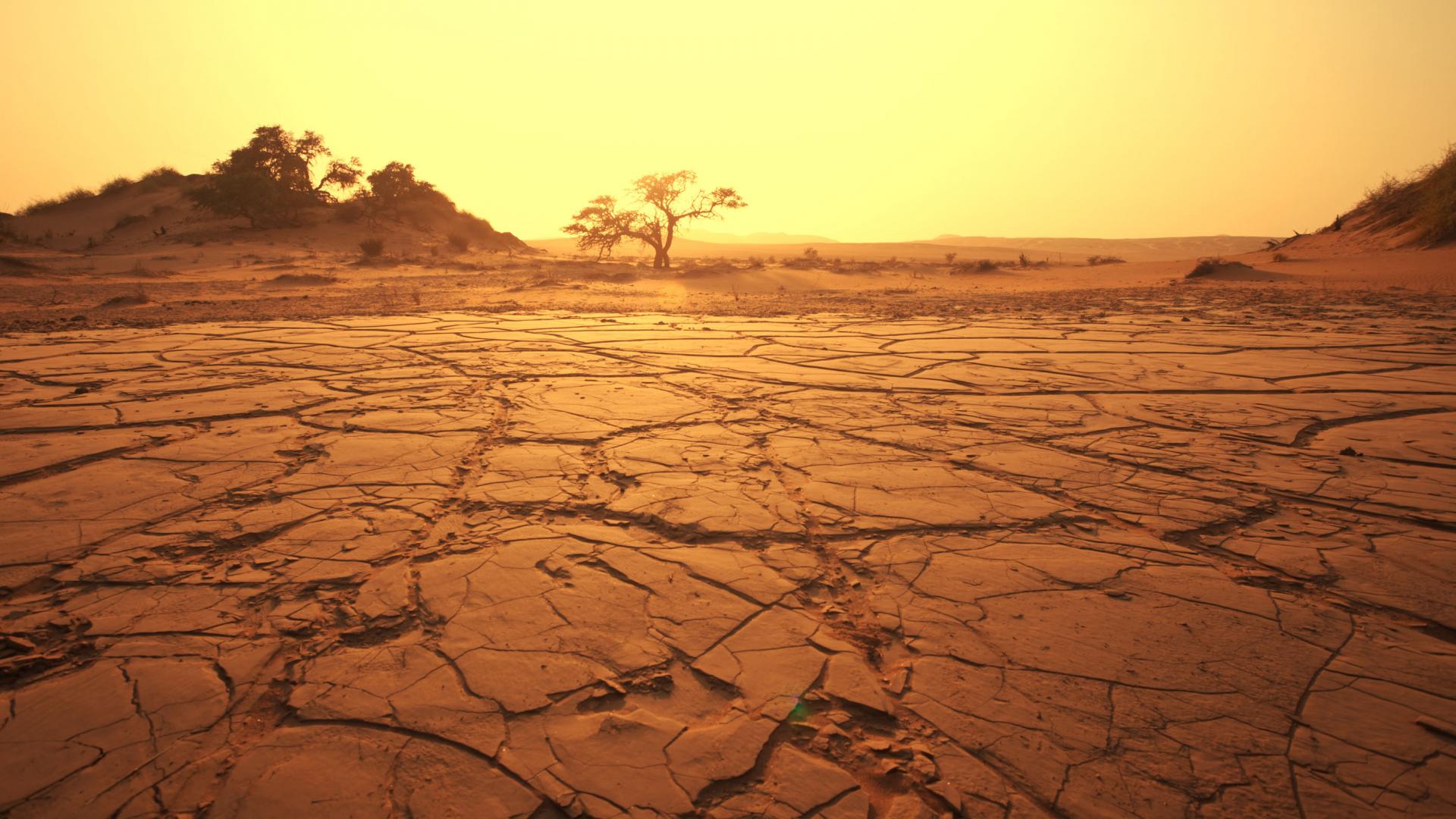
What are some characteristics of deserts?

a)

lots of trees

b)

high average rainfall

c)

low average rainfall

d)

extreme temperature variations

e)

grasslands

3.

What are some characteristics of rainforests?

a)

lots of trees

b)

high year round temperature

c)

high amount of rainfall

d)

grasslands

e)

low year round temperature

4.

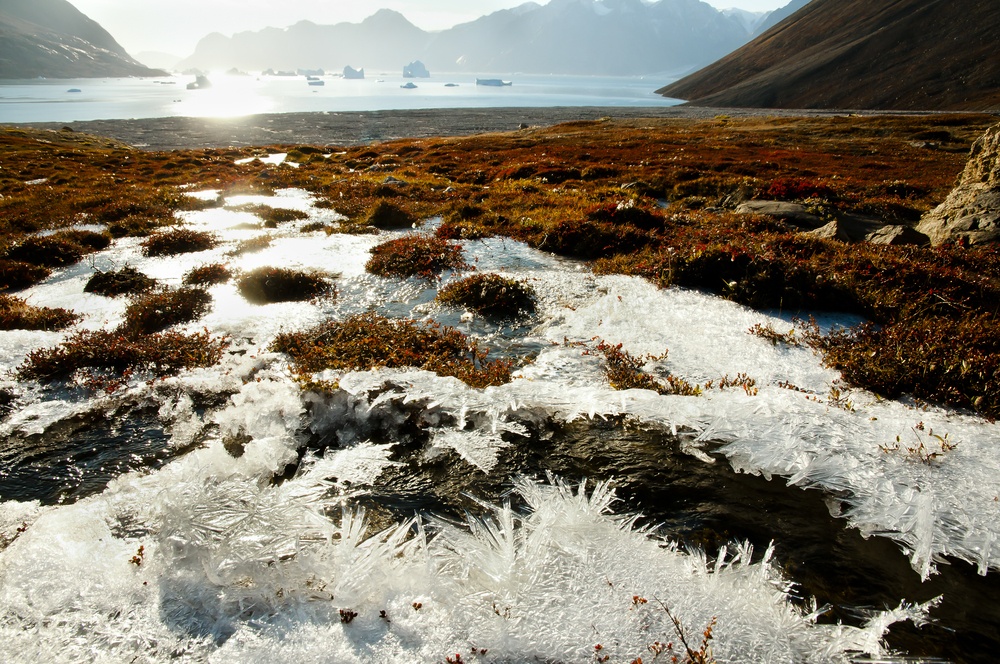
What are some characteristics of tundra?

a)

permafrost

b)

very cold, low average temperatures

c)

lots of trees

d)

small amount of plants

e)

high amount of rainfall

5.

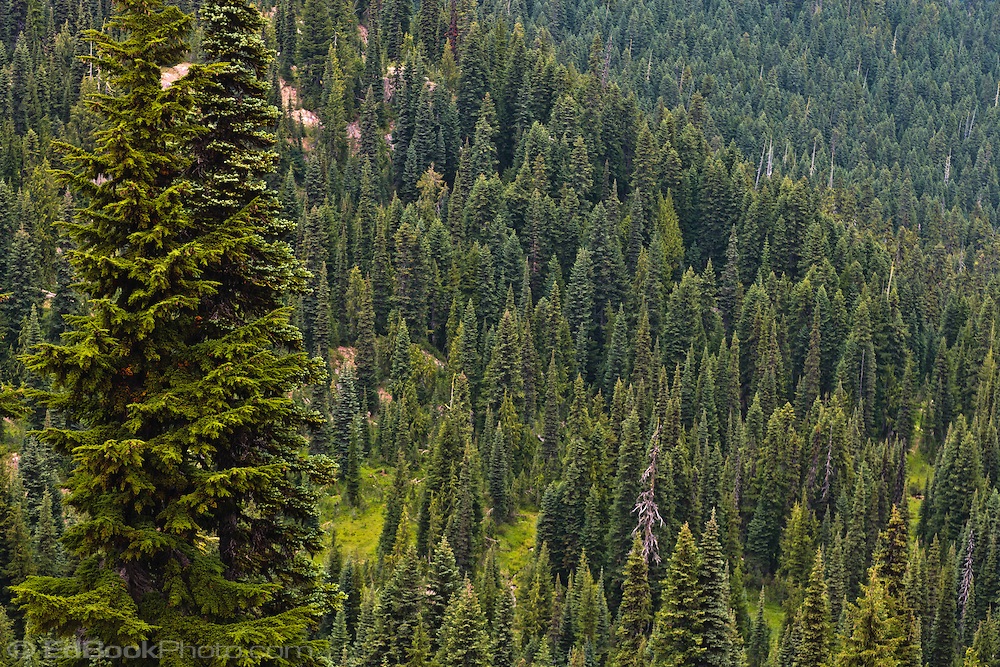
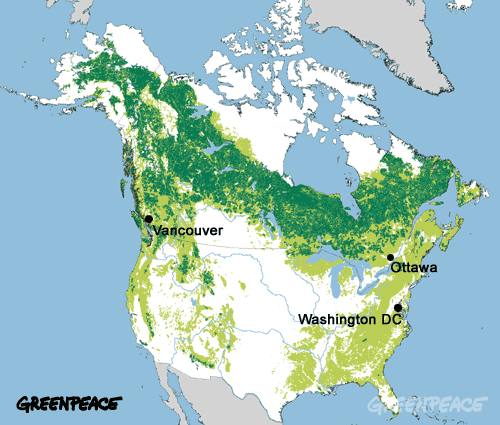
What are some characteristics of a taiga/boreal forest?

a)

coniferous trees

b)

very cold

c)

very hot

6.

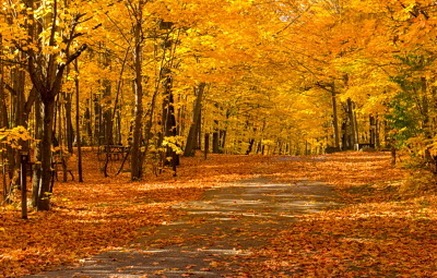
What are some characteristics of a temperate deciduous forest?

a)

leaves change color in the fall

b)

lots of trees

c)

hot year round

d)

low amount of rainfall

7.

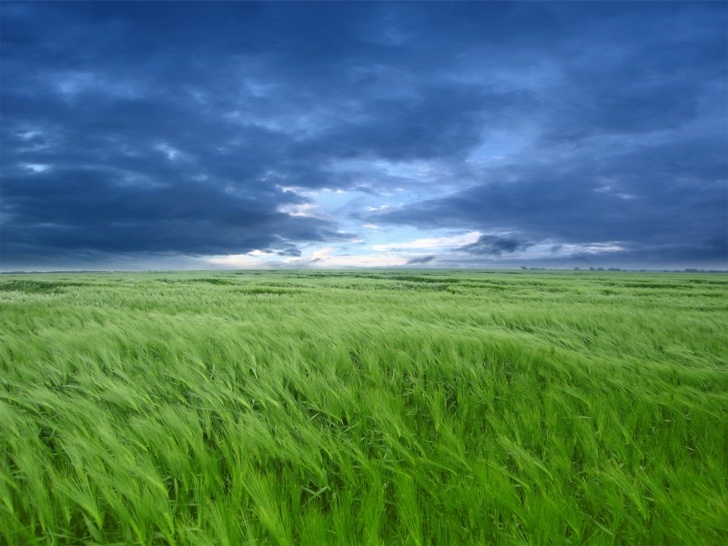
What are some characteristics of a temperate grassland/prairie?

a)

lots of trees

b)

grassland

c)

flat

d)

high temperatures year round

8.

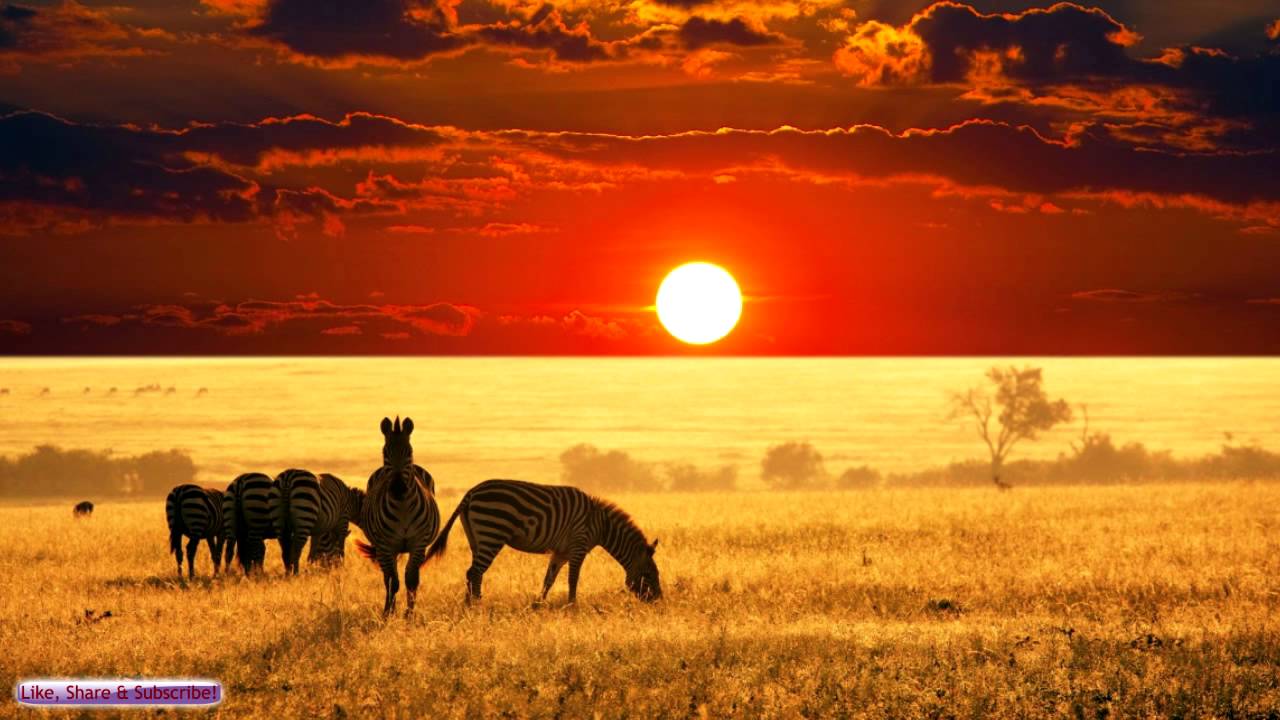
What are some characteristics of a tropical grassland/savanna?

a)

warm temperatures

b)

seasonal rainfall

c)

lots of trees

d)

grassland

e)

low average temperature

9.

What does the root "bio" mean...

a)

living

b)

nonliving

c)

toxic

d)

variety

10.

What does the root "diversity" mean...

a)

living

b)

nonliving

c)

toxic

d)

variety

11.

(a)   is the variety of living things in the world.

12.

How do biodiversity and stability work together?

a)

The lower the biodiversity the greater the stability of an ecosystem.

b)

The higher the biodiversity, the less stable the ecosystem

c)

The higher the biodiversity, the greater the stability of the ecosystem.

d)

Biodiversity has nothing to do with ecosystem stability.

13.
High biodiversity is 
a)
having a lot of the same organism.
b)
having a few of the same organism.
c)
having a lot of variety of different organisms.
d)
only having one of each organism. 
14.
High biodiversity is 
a)
having a lot of the same organism.
b)
having a few of the same organism.
c)
having a lot of variety of different organisms.
d)
only having one of each organism. 
15.

Which ecosystem is more likely to survive a change in the environment?

a)

One with High biodiversity

b)

One with Low biodiversity

16.

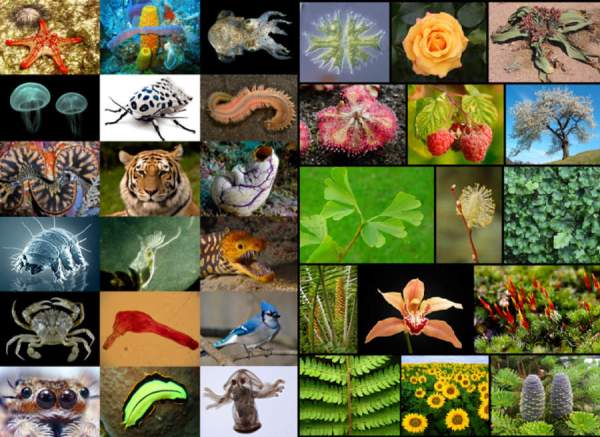
Which shows more biodiversity Image A or Image B. Why?

a)

Image B is more biodiverse, because shows more different species than image A.

b)

Image A is more biodiverse, because shows a greater number of organisms that image B

c)

Both images show the same biodiversity

17.

In this food web example you can see that rain forests have many producers consumer and predators. How would you describe the rain forest biome?

a)

It has high biodiversity

b)

It has low biodiversity.

18.

Which statement best describes an example of high biodiversity?

a)

A pond ecosystem is populated by a single species of frogs

b)

A state park that includes multiple forest and freshwater ecosystems with many different species of fish, birds and frogs in a variety of colors

c)

A desert ecosystem is populated by organ pipe cacti, camels, and armadillo lizards

19.

Which ecosystem below has the HIGHEST biodiversity?

a)
b)
c)
20.

What are the 3 types of biodiversity (SELECT 3)

a)

Genetic

b)

Species

c)

Ecosystem

d)

Size

e)

Biotic

21.
succession that occurs in an area with no soil
a)
ecological succession 
b)
primary succession 
c)
secondary succession
d)
pioneer speciles
22.
succession that occurs in an area where soil is already present
a)
ecological succession 
b)
primary succession 
c)
secondary succession
d)
pioneer speciles
23.
the first organisms that appear in an ecological community
a)
ecological succession 
b)
primary succession 
c)
secondary succession
d)
pioneer speciles
24.
a stable ecological community that has reached equilibrium
a)
ecological succession 
b)
climax community
c)
secondary succession
d)
pioneer speciles
25.
ends in a climax community
a)
primary succession 
b)
secondary succession
c)
both types of succession
26.
species diversity eventually increases
a)
primary succession 
b)
secondary succession
c)
both types of succession
27.
starts with bare rock followed by lichen
a)
primary succession 
b)
secondary succession
c)
both types of succession
28.
reaches a climax community quicker because soil is already present
a)
primary succession 
b)
secondary succession
c)
both types of succession
29.
The picture shows what type of succession?
a)
primary
b)
secondary
c)
tertiary
d)
quadanary
30.
The first organisms that appear in an ecological community
a)
ecological succession 
b)
primary succession 
c)
secondary succession
d)
pioneer speciles
31.
How do lichens contribute to primary succession?
a)
Lichens decompose organic matter from animals and plants
b)
Lichens begin to break down rock to form soil
c)
Lichens are nitrogen fixing bacteria
32.
Natural disasters such as flooding and tornadoes are linked to ________________.
a)
primary
b)
secondary
c)
old field
d)
ecosystem
33.
In which biome can you find permafrost?
a)
taiga
b)
tundra
c)
desert
d)
chaparral
34.
Which biome is MOST LIKE the "desert" in terms of precipitation?
a)
tropical rainforest
b)
temperate deciduous forest
c)
tundra
d)
coniferous forest
35.
The process of change in the living parts of the ecosystem 
a)
ecological succession 
b)
primary succession 
c)
climax community
d)
pioneer species
36.
A large ecosystem is called a ______
a)
Ecosystem
b)
Habitat
c)
Biome
d)
Niche
37.
What is the main factor that separates the biomes?
a)
Land
b)
Water
c)
Climate
d)
Longitude
38.
Which biome is the driest?
a)
Desert
b)
Tundra
c)
Taiga
d)
Rainforest
39.
Which Biome has permafrost?
a)
Temperate Forest
b)
Rainforest
c)
Taiga
d)
Tundra
40.
Which biome has deciduous trees (which lose their leaves)?
a)
Temperate Forest
b)
Rainforest
c)
Grasslands
d)
Taiga
41.
Which biome has coniferous trees (which don't lose their leaves)?
a)
Taiga
b)
Temperate Forest
c)
Tundra
d)
Grasslands
42.
Which biome has wide-open fields of grass?
a)
Taiga
b)
Grasslands
c)
Temperate Forest
d)
Rainforest
43.
Which biome has the most variety of plants and animals?
a)
Temperate Forest
b)
Rainforest
c)
Tundra
d)
Grasslands
44.
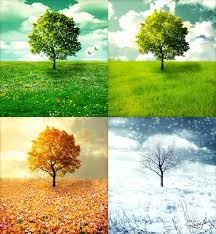
Which biome has 4 seasons?
a)
Taiga
b)
Tundra
c)
Grasslands
d)
Temperate Forest
45.
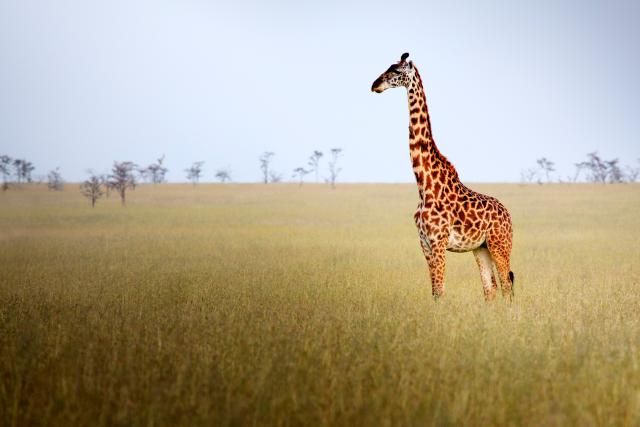
Which biome is home to lions, zebras, wildebeests, giraffes, and elephants?
a)
Grasslands
b)
Tundra
c)
Rainforest
d)
Temperate Forest
46.
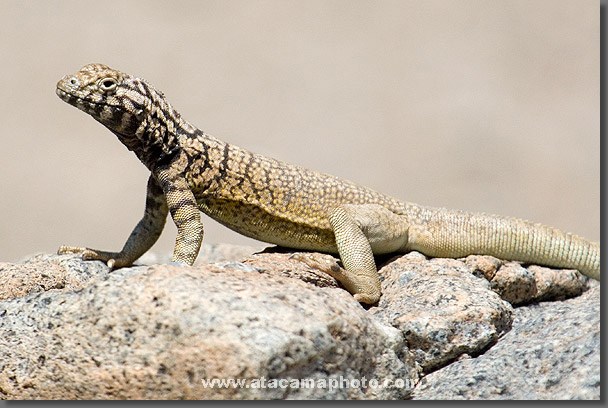
Which biome is home to cacti, scorpions, coyotes, kangaroo rats, and lizards?
a)
Desert
b)
Grasslands
c)
Temperate Forest
d)
Taiga
47.
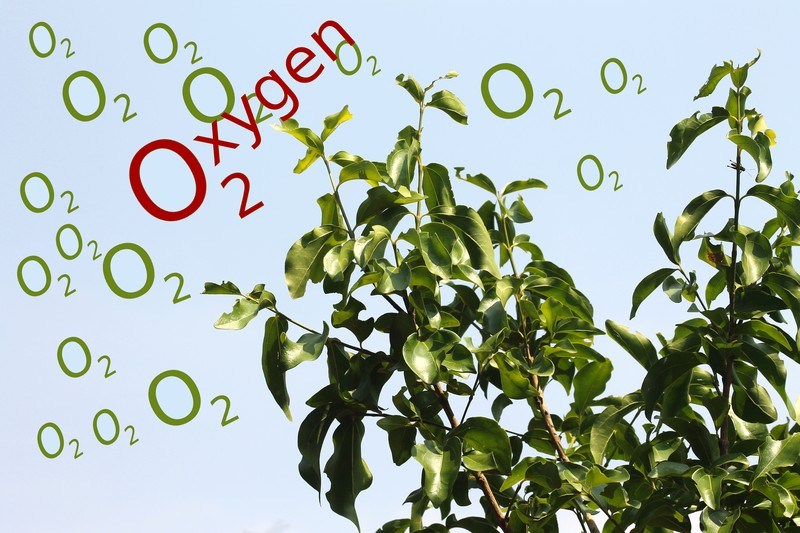
Which biome produces over 50% of the world's oxygen?
a)
Rainforest
b)
Temperate Forest
c)
Grasslands
d)
Taiga
48.
Temperature, light, air, water, and soil are all  _____  parts of the environment
a)
alive
b)
biotic 
c)
abiotic
d)
living
49.
Which biome is Canada in?
a)
Tundra
b)
Taiga
c)
Temperate Forest
d)
Desert
50.
Biotic factors of an ecosystem are:
a)
non-living
b)
plants
c)
living thing
d)
soil
51.
What is the African Savanna considered?
a)
Ocean
b)
Forest
c)
Grassland
d)
Tundra
52.
Algae, crayfish, trout, and frogs live in this biome.
a)
Marine
b)
Freshwater
c)
Tundra
d)
Taiga
53.
What biome do whales, sharks, and coral reefs live in?
a)
Freshwater
b)
Savanna
c)
Marine
d)
Fauna
54.
This forest is split into "layers" where organisms live.
a)
Deciduous Forest
b)
Tropical Rain Forest
c)
Coniferous Forest
d)
None of these
55.
The biome known for trees with broad leaves that fall off the trees in the winter.
a)
Coniferous Forests
b)
Deciduous Forests
c)
Deserts
d)
Tropical Rain Forests
56.
succession that occurs in an area with no soil
a)
ecological succession 
b)
primary succession 
c)
secondary succession
d)
pioneer speciles
57.
succession that occurs in an area where soil is already present
a)
ecological succession 
b)
primary succession 
c)
secondary succession
d)
pioneer speciles
58.
the first organisms that appear in an ecological community
a)
ecological succession 
b)
primary succession 
c)
secondary succession
d)
pioneer speciles
59.
a stable ecological community that has reached equilibrium
a)
ecological succession 
b)
climax community
c)
secondary succession
d)
pioneer speciles
60.
ends in a climax community
a)
primary succession 
b)
secondary succession
c)
both types of succession
61.
species diversity eventually increases
a)
primary succession 
b)
secondary succession
c)
both types of succession
62.
starts with bare rock followed by lichen
a)
primary succession 
b)
secondary succession
c)
both types of succession
63.
occurs over time
a)
primary succession 
b)
secondary succession
c)
both types of succession
64.
reaches a climax community quicker because soil is already present
a)
primary succession 
b)
secondary succession
c)
both types of succession
65.
How do lichens contribute to primary succession?
a)
Lichens decompose organic matter from animals and plants
b)
Lichens begin to break down rock to form soil
c)
Lichens are nitrogen fixing bacteria
66.
Natural disasters such as flooding and tornadoes are linked to ________________.
a)
primary
b)
secondary
c)
old field
d)
ecosystem
67.

If you visited a forest in 2015 and there was only small plants there when revisited in 2019, what likely happened?

a)

passing of a glacier

b)

preservation of a habitat

c)

occurrence of a forest fire

d)

development of a parking lot

68.

Breaking News! A new island has formed off of Hawaii! What must occur for it to become an ecosystem?

a)

Secondary Succession

b)

Aquatic succession

c)

Primary Succession

d)

Ferns must grow

69.

If farmers use a controlled burn to prevent forest fires, what would most likely be the first plants to return?

a)

trees

b)

shrubs

c)

mosses

d)

grasses

70.
The number of different species in an area
a)
species richness
b)
Biodiversity
c)
habitat fragmentation
d)
resource
71.

For a(n) __________________ to be successful and healthy, it has to have lots of different kinds of plants and animals

a)

ecosystem

b)

biodiversity

c)

food chain

d)

environment