wayground logo

Free Printable Worksheets

NEW

Font size

S
M
L
XL
Worksheets

Semester Exam

Total questions: 73

Worksheet time: 2hrs 18mins
Name
Class
Date
1.
What are tiny organelles that convert glucose into ATP?
a)
Ribosomes
b)
Vesicles
c)
Cytoskeleton
d)
Mitochondria
2.
A rigid layer that lies outside the cell's  membrane is...
a)
Cytoskeleton
b)
Cilia
c)
Cell Wall
d)
Flagella
3.

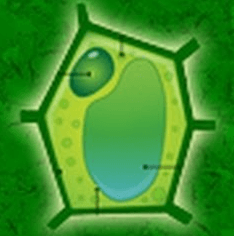
Which organelle is this?

a)

Golgi Apparatus

b)

Mitochondria

c)

Nucleus

d)

Chloroplast

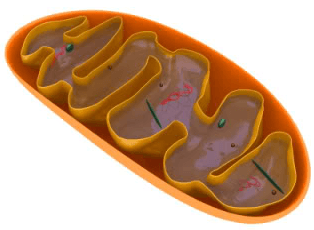
4.

What organelle does this image represent?

a)

Golgi Apparatus

b)

Ribosome

c)

Mitochondria

d)

Chloroplast

5.

Which of the following organelles is found only in a plant cell?

a)

mitochondria

b)

chloroplast

c)

centrioles

d)

vacuole

6.
Stores food and water for the cell.
a)
Cytoplasm
b)
Cell Wall
c)
Vacuole
d)
Nucleus
7.
Which organelle is only found in a plant cell? 
a)
nucleus
b)
chloroplast
c)
mitochondria
d)
cell membrane
8.
Plant and animal cells are identical. 
a)
True
b)
False
9.

Which instrument is credited for helping scientists develop cell theory?

a)
b)
c)
d)
10.

Which statement was NOT included in cell theory?

a)

All living things are composed of cells.

b)

Living cells come only from other living cells.

c)

Each cell contains a cell membrane, cytoplasm, nucleus, mitochondria, and endoplasmic reticulum.

d)

Cells are the smallest structure of living things that can perform the functions necessary for life.

11.

This early cell theory scientist looked in a microscope and discovered "animalcules" in the gunk from his teeth and pond water.

a)

Schleiden

b)

Leeowenhoek

c)

Hooke

d)

Virchow

e)

Schwann

12.

Who noted that all animals are made of cells and helped write the first two parts of cell theory?

a)

Rudolf Virchow

b)

Anton van Leeuwenhoek

c)

Theodor Schwann

d)

Robert Hooke

13.

Who discovered that all cells come from other living cells and had research that lead to the last major principle of cell theory?

a)

Matthias Schleiden

b)

Theodore Schwann

c)

Robert Hooke

d)

Rudolf Virchow

14.

Robert Hooke, Anton van Leeuwenhoek, Theodor Schwann, Rudolf Virchow, and Matthias Schliden were all responsible for what theory?

a)

The Theory of Gravity

b)

The Theory of Relativity

c)

The Cell Theory

d)

The Theory of Continental Drift

15.

What is the function of the excretory system?

a)

to take in oxygen and excrete carbon dioxide

b)

to excrete wastes from the body

c)

to pump blood throughout the body

d)

to break down food into useful nutrients

16.

What is the function of the digestive system?

a)

to take in oxygen and excrete carbon dioxide

b)

to excrete wastes from the body

c)

to pump blood throughout the body

d)

to break down food into useful nutrients

17.

What is the function of the respiratory system?

a)

to take in oxygen and excrete carbon dioxide

b)

to excrete wastes from the body

c)

to pump blood throughout the body

d)

to break down food into useful nutrients

18.

What is the function of the circulatory system?

a)

to take in oxygen and excrete carbon dioxide

b)

to excrete wastes from the body

c)

to pump blood throughout the body

d)

to break down food into useful nutrients

19.

The digestive system and the circulatory system work together to do which of the following?

a)

break down food and transport nutrients to the rest of the body

b)

allow the body to interpret sensory information and perform a response

c)

take in oxygen and transport it to the rest of the body

d)

allow the body to move from one place to another

20.

The circulatory system and the excretory system work together to do which of the following?

a)

transport nutrients to the rest of the body

b)

transport oxygen to the rest of the body

c)

remove wastes from the body

d)

allow the body to move from one place to another

21.

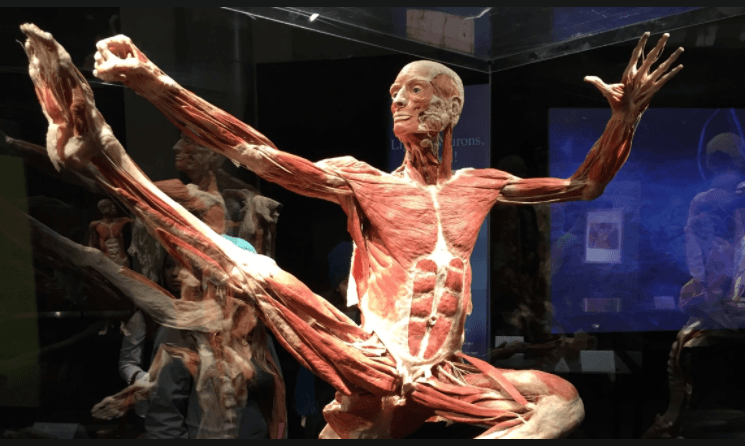
The skeletal system and the muscular system work together to do which of the following?

a)

transport nutrients to the rest of the body

b)

transport oxygen to the rest of the body

c)

remove wastes from the body

d)

allow the body to move from one place to another

22.

The circulatory system and the respiratory system work together to do which of the following?

a)

transport nutrients to the rest of the body

b)

transport oxygen to the rest of the body

c)

remove wastes from the body

d)

allow the body to move from one place to another

23.

The _______ system breaks down the food we eat, while the _______ system transports the tiny food particles to each cell in the body.

a)

circulatory; digestive

b)

digestive; respiratory

c)

muscular; circulatory

d)

digestive; circulatory

24.
 Which system is the stomach in?
a)
respiratory
b)
digestive
c)
nervous
d)
excretory
25.
 What is the main function of the respiratory system?
a)
take in oxygen and exhale waste like carbon dioxide
b)
move nutrients throughout the body
c)
take in carbon dioxide and exhale oxygen
26.
Where does digestion start?
a)
stomach
b)
mouth
c)
esophagus
27.
 What is the main job of the digestive system? 
a)
break down foods into nutrients that can be used by the body
b)
take in oxygen and exhale waste like carbon dioxide
c)
pump blood throughout the body
d)
makes the body hungry
28.
Which systems main function is to allow movement of the body?
a)
muscular
b)
digestive
c)
skeletal
d)
excretory
29.
The smallest units or parts of living things; the body's building blocks.
a)
cells
b)
organs
c)
tissues
d)
system
30.
Your large and small intestines are part of this body system.
a)
nervous
b)
digestive
c)
muscular
d)
skeletal
31.
A collection of the same kinds of cells working together to do the same job.
a)
cells
b)
tissues
c)
organs
d)
systems
32.
Your body systems work separately and do not effect each other.
a)
true
b)
false
33.
Which system provides shape and support, enables you to move, protects your internal organs, and stores minerals?
a)
skeletal
b)
muscular
c)
digestive
d)
nervous
34.
Which system takes food into the body, breaks down food, and absorbs the digested materials?
a)
respiratory
b)
circulatory
c)
digestive
d)
excretory
35.
When blood is used by the body it must pass through which of the following organs before it is pumped back out to the body?
a)
Lungs
b)
Brain
c)
Stomach
d)
Skin
36.
Which representation would show the organization of life from simplest to the most complex?
a)
Heart muscle tissue, cardiovascular system, heart muscle tissue
b)
cardiovascular system, heart muscle cells, heart muscle tissue
c)
cardiovascular system, heart tissue, heart cells
d)
Heart muscle cells - heart muscle tisse, heart, cardiovascular system
37.
Which body system sends electrical signals to all other body systems?
a)
circulatory system
b)
nervous system
c)
digestive system
d)
skeletal system
38.
A scientist is trying to decide whether an organism is unicellular or multicellular.  Which information would help the scientist most to make her decision?
a)
size of the cells of the organism
b)
what the organism eats
c)
how many types of cells are in the organism
d)
how fast the organism grows
39.
Why do animals use camouflage?
a)
To look pretty
b)
To stay safe
c)
To play Hide and Go Seek
d)
To eat food
40.

Adaptation: Bear sleeping in a cave during the winter months

a)

Physical Adaptation

b)

Behavioral Adaptation

41.

Color or pattern that helps an animal blend in with its habitat

Adaptation: Tulip-Tree Beauty Moth

a)

Hibernation

b)

Behavior Adaptation

c)

Camouflage

d)

Migration

42.

Where an organism lives and is able to find all of the resources needed to survive, water, shelter, food, air, sunlight.

a)

Ecosystem

b)

Environment

c)

Habitat

d)

Organism

43.

The colors & patterns on a turtles shell help it blend in with the forest floor. This is:

a)

Hibernation

b)

Habitat

c)

Ecosystem

d)

Camouflage

44.

When an opossums plays dead. This is known as what type of adaptation?

a)

Physical adaptation

b)

Behavioral adaptation

45.

A kangaroo has a pouch to protect its young. This is known as what type of adaptation?

a)

Physical Adaptation

b)

Behavioral Adaptation

46.

Polar bears have compact ears, a small tail, and thick fur to keep themselves warm. These are all what type of adaptations?

a)

Physical Adaptation

b)

Behavior Adaptation

47.

What is an adaptation?

a)

A physical feature or behavior that helps living things survive.

b)

The food that an animal eats.

c)

A place where an animal lives

d)

How animals evolve throughout time.

48.

A giraffe's long neck, used to reach leaves high in trees, is an example of a

a)

Physical adaptation

b)

Behavioral adaptation

49.

Birds migrate during the winter to less cold areas. What type of adaptation is this?

a)

Behavioral Adapatation

b)

Physical Adaptation

50.
Drawn observed several different types of finches.  Why are there so many different types?
a)
Finches live in different places, but eat the same food.
b)
Finches live in the same place, but eat different types of food.
c)
Finches live in different habitats and eat different types of food.
d)
Finches are found all over the world.
51.
The differences among a species, like different bird beaks, are called
a)
genes.
b)
variations.
c)
traits.
d)
theories.
52.
Organisms with the most beneficial traits will survive.  This is commonly known as
a)
theory of evolution.
b)
variations.
c)
survival of the fittest.
d)
ecosystems.
53.
This scientist developed the theory of evolution as he studied the finches.
a)
Charles Darwin
b)
Isaac Newton
c)
Albert Einstein
d)
Marie Curie
54.
What is the advantage of having different shaped beaks?
a)
To look different from other species.
b)
To be able to eat the food readily available in the environment.
c)
To protect itself against predators.
d)
To protect itself against prey.
55.
Why are advantageous traits more likely to be passed onto offspring?
a)
Because they are more likely to survive and reproduce.
b)
Because they come from dominant alleles.
c)
Because they come from recessive alleles.
d)
Because the trait is an acquired phenotype.
56.
Do organisms "decide" to evolve and change?
a)
Yes, they know they need to change to survive 
b)
No, they change because of natural selection
57.

This adaptation allows birds to fly longer distances

a)

Heavy, thick bones

b)

Hollow Bones

c)

Large beaks

d)

Small nose

58.

Natural Selection occurs quickly over a short period of time

a)

True

b)

False

59.

Deliberately breeding organisms to result in desired traits in plants or animals.

a)

Selective Breeding

b)

Natural Selection

c)

Physiology

d)

Adaptations

60.

Which of the following is an example of Selective Breeding?

a)

A dog choosing its own mate

b)

Crossing a grape and an apple to produce a grapple

c)

Poodles mating with Poodles

d)

evolution of a birds beak over many years

61.

Which environmental change would lead to the better survival of darker moths over lighter ones?

a)

Warmer weather causes tree leaves to grow quicker

b)

trees become covered in black ash from nearby factories

c)

Heavy rainfall caused trees to grow taller

d)

Disease killed off more than half the TREE population

62.

_______is humans in control of breeding to choose favorable traits to be passed on

a)

Natural Selection

b)

Selective breeding

63.

Genetic differences between organisms of the same species

a)

Variation

b)

Adaptation

c)

Behavior

d)

Environment

64.
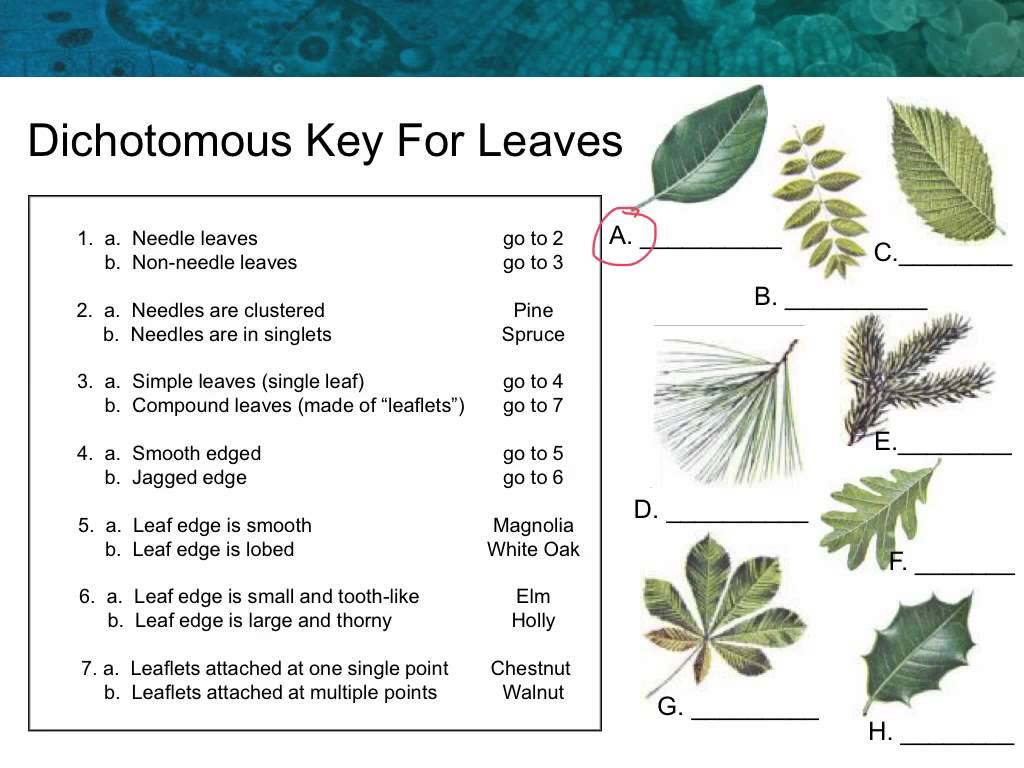
When using a dichotomous key to identify organisms, what do we look at?
a)
physical features
b)
weather patterns
c)
environment
d)
diet
65.
What step do we always start with when using dichotomous keys?
a)
1
b)
2
c)
3
d)
4
66.
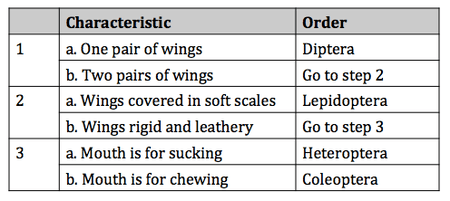
A dichotomous key for insects is given. To what order does an insect with two pairs of scaly wings belong?
a)
Coleoptera
b)
Heteroptera
c)
Diptera
d)
Lepidoptera
67.
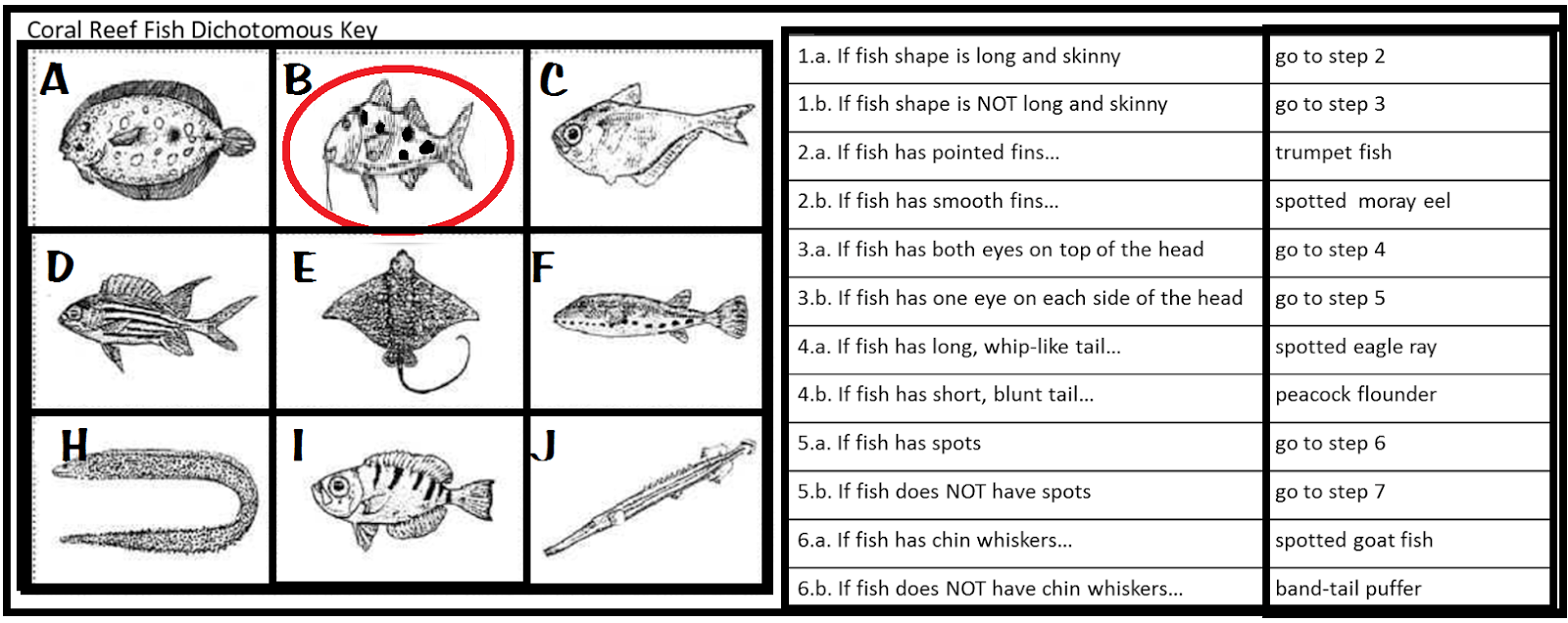
Using this dichotomous key, identity the name of the circled fish.
a)
band-tail puffer
b)
spotted goat fish
c)
peacock flounder
d)
trumpet fish
68.
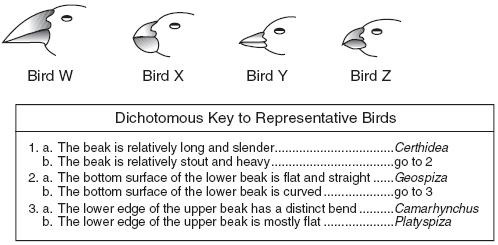
What is the name of bird W?
a)
Certhidea
b)
Geospiza
c)
Camarhynchus
d)
Platyspiza
69.
Term given to describe the 2 name naming system is:
a)
dichotmous key
b)
binomial nomenclature
c)
2 scientific names
d)
binomial key
70.
The first part of a scientific name is an organism's _______________ and the second part is its ________________.
a)
species, genus
b)
phylum, order
c)
class, spices
d)
genus, species
71.
What is a dichotomous key used for in science?
a)
To organize biomes
b)
Classify organisms
c)
Identify bacteria only
d)
None of these
72.
What should you do when typing a scientific name?
a)
Capitalize the first word
b)
Capitalize the first word and underline the whole thing
c)
Capitalize the first word and italicize the whole thing
d)
Nothing
73.
Term given to describe the 2 name naming system is:
a)
dichotmous key
b)
binomial nomenclature
c)
2 scientific names
d)
binomial key