
 Worksheets
Changes in Matter Review
Total questions: 70
Worksheet time: 42mins


Which item on this element square is the chemical symbol?
Copper
29
Cu
63.546
Physical Properties are
chemical changes
are properties that can be observed without changing the matter's identity
are properties that can be observed that change the matter into new matter with new properties
The amount of matter in a given space of volume
density
state
volume
mass
Anything that has mass and takes up space
Matter
weight
volume
mass
True or False. Melting butter is a physical change. Is it still butter?
True
false
True or False. Putting sand in water and stirring them will make the sand dissolve.
True
False
The way something looks, feels, smells, and tastes are physical properties.
True
False
Thermal conductivity is...
the ability of material to conduct a large amount of electric current.
the ability of material to transfer heat.
the ability of material to change shape.
the ability of material to add or lose weight.
The ability of material to conduct an amount of electric current is electrical conductivity.
True
False
Temperature at which a solid changes to a liquid:
boiling point
hot point
melting point
cold point
Temperature at which a liquid changes to a gas
boiling point
hot point
melting point
cold point
Physical properties are properties observed when chemically changing a substance into something else.
True
False


a characteristic of matter you observe as it reacts or changes into a different substance
physical property
chemical property
periodic table
conglomerate
Choose which one is a physical property
Flammability
Solubility
Water Reaction
Magic
The melting point of a substance is the temperature at which the substance changes from a solid to
Gas
Liquid
Solid
Plasma
Choose the one that is a chemical property
Magnetism
Size
Color
Reactivity with water
Flammability is the ability of a substance to _________
Burn
Transfer heat
Transfer electricity
Cook
If you describe a substance as being flammable, you have given a __________ property of that substance
Chemical
Large
Physical
Thermal
Electrical conductivity is an example of what kind of property?
Chemical
Large
Physical
Boiling
Which of these statements best describes a chemical property of a substance?
It reacts with an acid to form water
The object has a blue color
The substance has a powdery texture
It has a density of 2.11 g/cm3
Choose whether the following is a physical or chemical property: Reacts with oxygen
Physical
Chemical
Choose whether the following is a physical or chemical property: Magnetic
Physical
Chemical
Choose whether the following is a physical or chemical property: Non-flammable
Physical
Chemical
Choose whether the following is a physical or chemical property: Oxidation
Physical
Chemical

The volume of water is 50 ml.
Physical Property
Physical Change
Chemical Property
Chemical Change

Dissolving sugar into water
Physical Property
Physical Change
Chemical Property
Chemical Change

The iron cube is magnetic.
Physical Property
Physical Change
Chemical Property
Chemical Change

The bananas rotted and turned brown
Physical Property
Physical Change
Chemical Property
Chemical Change

The gemstone’s mass is 14 grams.
Physical Property
Physical Change
Chemical Property
Chemical Change

We chopped the wood into two pieces.
Physical Property
Physical Change
Chemical Property
Chemical Change

The chemical is toxic to humans.
Physical Property
Physical Change
Chemical Property
Chemical Change

vinegar & baking soda reacted to make sodium acetate
Physical Property
Physical Change
Chemical Property
Chemical Change

John ate the corn-dog and metabolized it into energy
Physical Property
Physical Change
Chemical Property
Chemical Change

The bowling ball has a density of 3 g/㎤
Physical Property
Physical Change
Chemical Property
Chemical Change

Grandma baked some delicious cookies
Physical Property
Physical Change
Chemical Property
Chemical Change
Which of the following options provides evidence of a CHEMICAL change?
Wood is burned releasing ash and smoke
Rocks separate when soil is sifted
Boiling water bubbles when heated
Salt dissolves in water
Josh decided to mix some vinegar with baking soda. He knew that a reaction occurred because he made careful observations. He noted that the mixture started to foam up and bubble, and it was white in color. How did Josh know that a chemical reaction occurred?
He was sure a reaction occurred because of
the color of the mixture
the smell of the vinegar
the volume of the mixture
the formation of a gas
Physical change is
A change of matter from one form to another without turning into a new substance.
A change that occurs when one or more substances produce new substances with different properties.
The changes that happen to substances during a chemical change.
The temperature at which a solid becomes a liquid. The melting point of water is 0 °C.
A new substance is formed during which type of change?
Physical Change
Chemical Change
An object undergoes a physical change when it changes:
color, burning, rusting
shape, form, color
tarnishing, melting, ashes
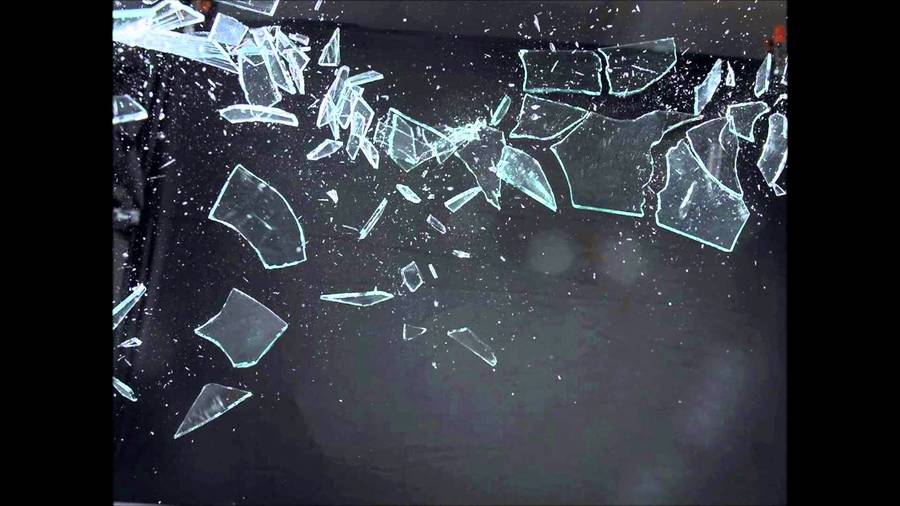


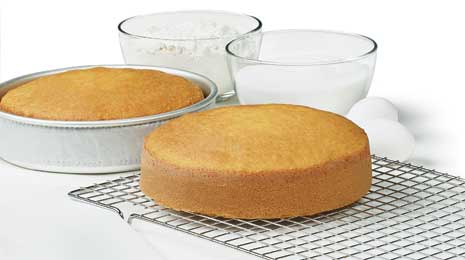


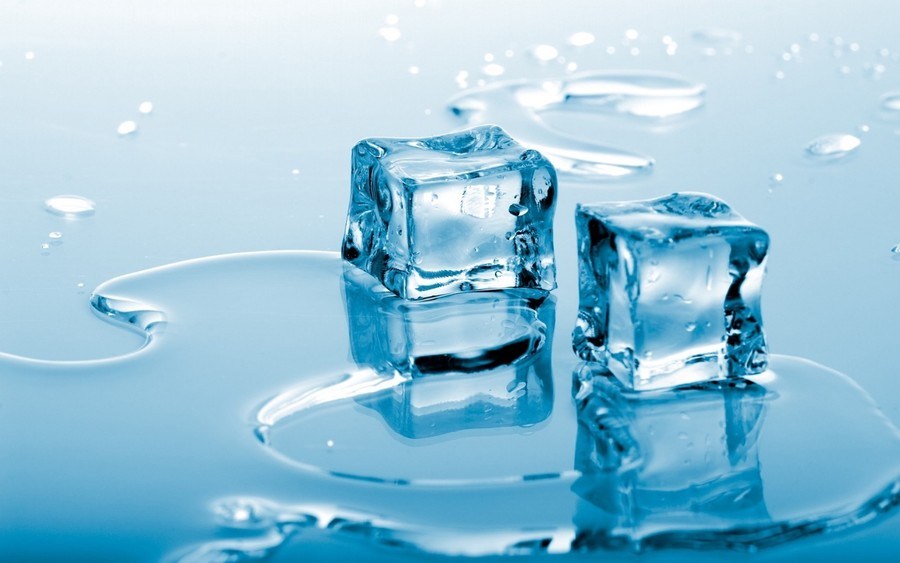

Which of the following is an example of a physical change?
mixing baking soda and vinegar causing bubbles to form
dissolving sugar into sweet tea
heating sugar until it turns black
letting milk spoil, forming a solid from a liquid

